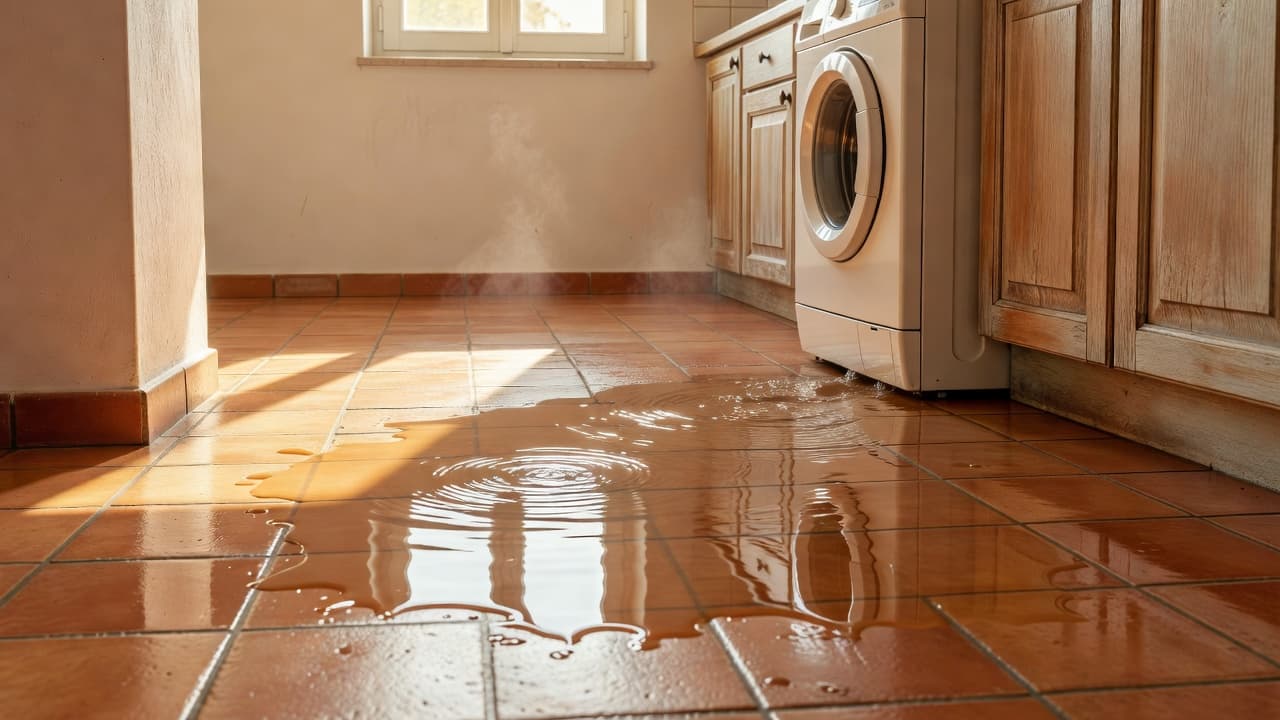
A washing machine flood almost always traces back to one of three things:
A blocked drain hose. The machine pumps water out through a hose, which should carry it to a standpipe (a tall plastic outlet), a drain, or your kitchen sink. If the hose is clogged with lint, hair, detergent sludge, or soap residue, water backs up and overflows inside the machine, then leaks onto the floor. This is the most common cause.
A kinked or misplaced drain hose. If the hose has been pinched behind the machine, coiled too tightly, or pulled out of its outlet, water can't flow away. The machine fills with water that has nowhere to go and spills out.
A faulty drain pump. Inside the washing machine is a small pump that forces water out. If it stops working, the water remains inside the drum and will leak out when the door is opened or when internal seals fail. This is less common but more serious, as it requires internal repair.
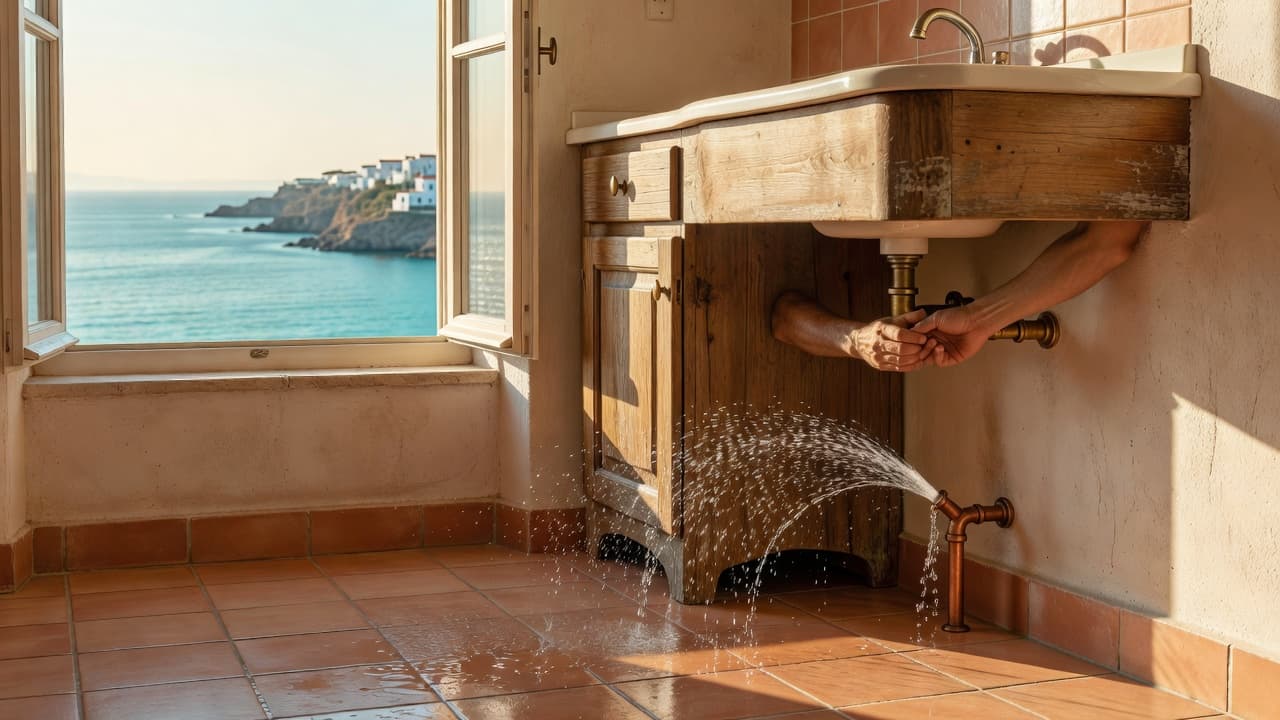
Less common but possible: a cracked or perforated drain hose (causing a spray leak rather than a back-up), a blockage in the standpipe itself, or a fault with the machine's water level sensor (which would cause it to overfill).
If the drain hose is accessible and you can see a blockage, you can safely attempt to clear it:
- Make sure the machine's power is off and the main water stopcock is closed.
- Locate where the drain hose connects to the standpipe or sink outlet—it may be clipped on or pushed in.
- Disconnect it gently. A small amount of water may dribble out; have a bucket ready.
- Look inside the opening. If you can see lint, hair, or debris, use a straightened wire coat-hanger or plumbing snake to fish it out. Do not force anything.
- Run water through the hose by hand (hold it over a sink) to check it flows freely.
- Reattach the hose firmly to the outlet, ensuring it's not kinked.
If the hose appears clear or you cannot access it safely, do not attempt further repairs. The problem is inside the machine, and opening it without training risks electrical shock or water damage to internal components.
To prevent mould whilst waiting for the professional, continue running fans and keep windows open. Wipe down the affected area with clean cloths and, if safe to do so, sprinkle baking soda on the floor to absorb moisture and odour.
Stop immediately and call a professional if:
- You see cracks in the drain hose or water spraying from a seam.
- The hose is attached to a sealed fitting you cannot disconnect by hand.
- The blockage is inside the standpipe or in the wall itself (out of reach).
- The washing machine smells of burning or has scorch marks around the drain area.
- You cannot turn off the main stopcock or are unsure where it is.
- Water is coming from inside the machine's drum seal or from underneath the machine body.
- The kitchen floor is buckling or the water has spread to other rooms.
In any of these cases, cut the power at the consumer unit, close the main stopcock, and call a professional plumber or appliance engineer. Do not attempt to use the machine again.
A plumber or appliance engineer will first check the drain hose from end to end, clearing any blockages and ensuring it's correctly positioned and not kinked. This takes 20–40 minutes and solves most flooding problems at a repair cost of €80–€180.
If the hose is clear, they'll inspect the drain pump and the internal filter basket inside the machine. Many machines have a small filter that catches coins, buttons, and lint; blockages here can prevent water from leaving. Cleaning the filter is straightforward and usually costs €50–€120.
If the pump itself is faulty (no power reaching it, internal damage, or a mechanical failure), the engineer will replace it. This typically costs €200–€400 depending on the machine model and your location on the Mediterranean coast. They should provide a parts warranty (usually 12 months) and a receipt for the work done.
Ask the engineer to run a test cycle before they leave, with the machine empty, to confirm the drainage is working. They should also advise whether the water damage has affected any electrical components in the machine—if the flood was significant, the machine may need to dry out for 24–48 hours before safe use.
Clean the drain pump filter every three months, or more often if you wash heavily soiled items (workwear, towels, pet bedding). Locate the small access panel near the bottom front of the machine, unscrew the filter cap, and rinse away the lint and debris. This is the single most effective preventative action.
Use the correct amount of detergent. Excess soap creates sludge that clogs the drain hose. Follow the machine manufacturer's guidance, which is usually on the inside of the detergent drawer.
Empty pockets before washing. Coins, pens, and tissues can jam the filter or block the pump.
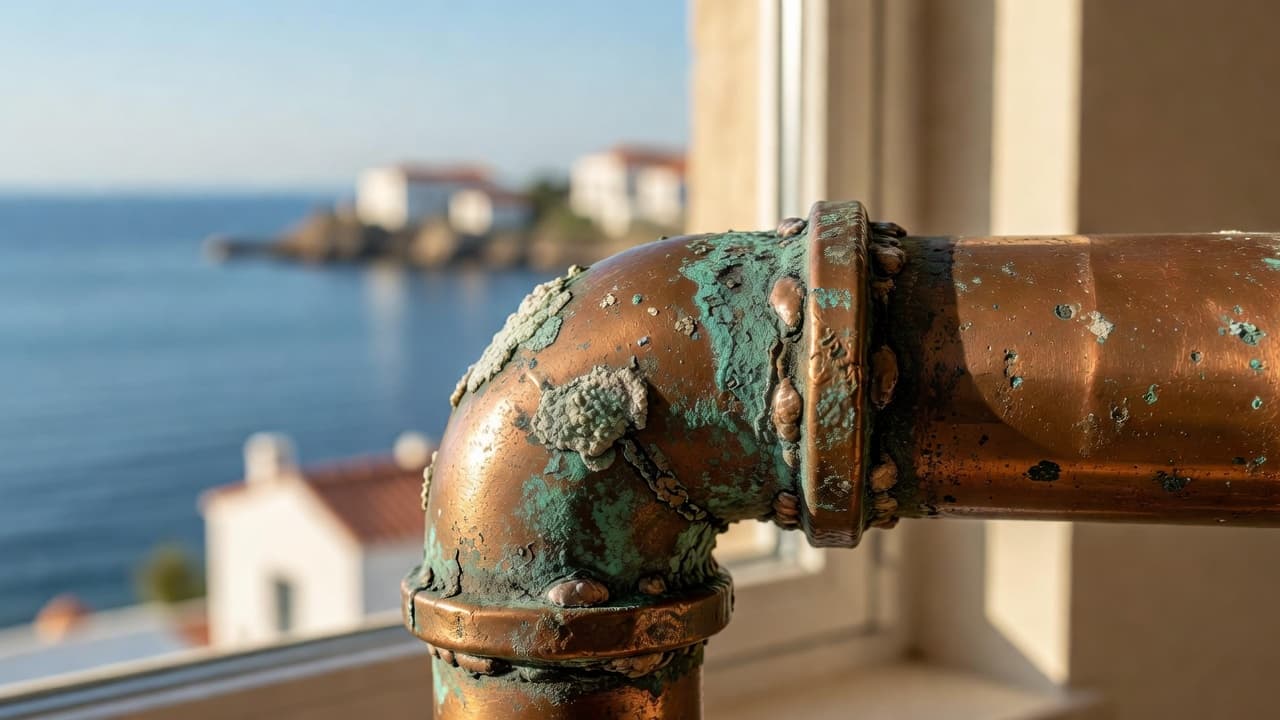
Inspect the drain hose annually. Check for cracks, kinks, or loose connections. If the hose has hardened or become brittle (especially in homes near the coast, where salt air and heat take a toll), replace it before it fails.
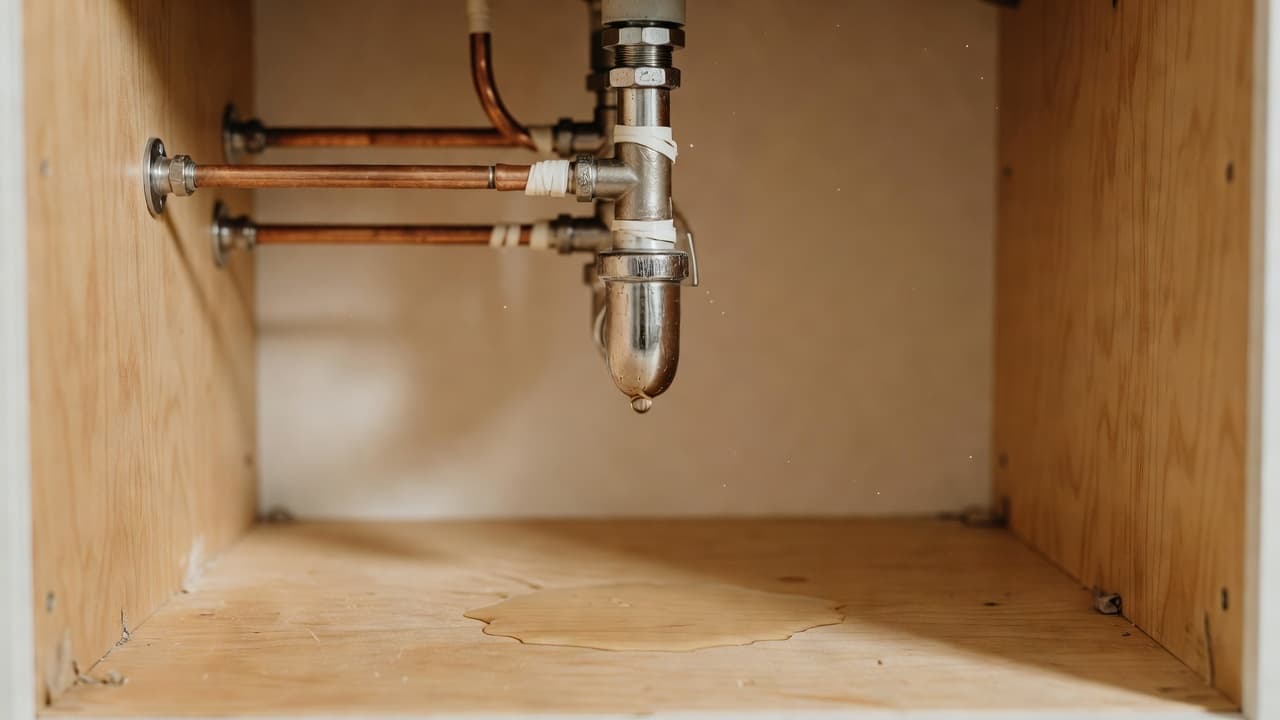
Ensure the drain outlet is not blocked. If your machine drains into a standpipe, make sure nothing has accumulated around the outlet. If it drains into a sink, check that the sink itself is not blocked.
If your washing machine has flooded your kitchen, the most important thing is to act fast: cut the power, close the main stopcock, and dry the area. Once you've done that, get in touch with a professional plumber or appliance engineer. They'll identify the cause, repair the machine, and help prevent it from happening again. A quick call now will save you far more in water damage and repair costs later.