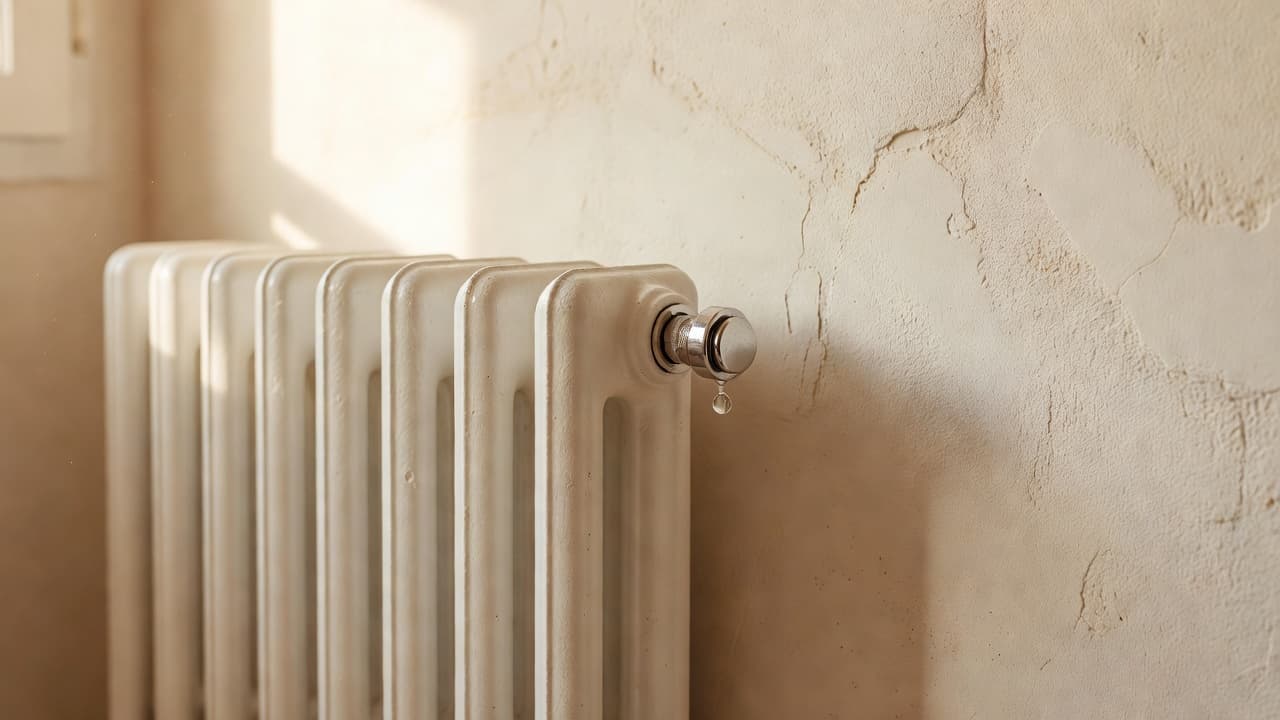
Cold radiator, warm pipes: air has entered the system, usually when someone has bled a radiator recently, when a valve has been worked on, or occasionally after an extended period without heating. The air rises to the top of the radiator and blocks the hot water from circulating.
Cold radiator, both pipes cool: either the thermostatic valve (left) is fully closed, or the system has no pressure (the boiler pressure dial shows below 1 bar). If the valve is open but pipes are still cool, water isn't reaching the radiator – a blockage or a fault in the boiler.
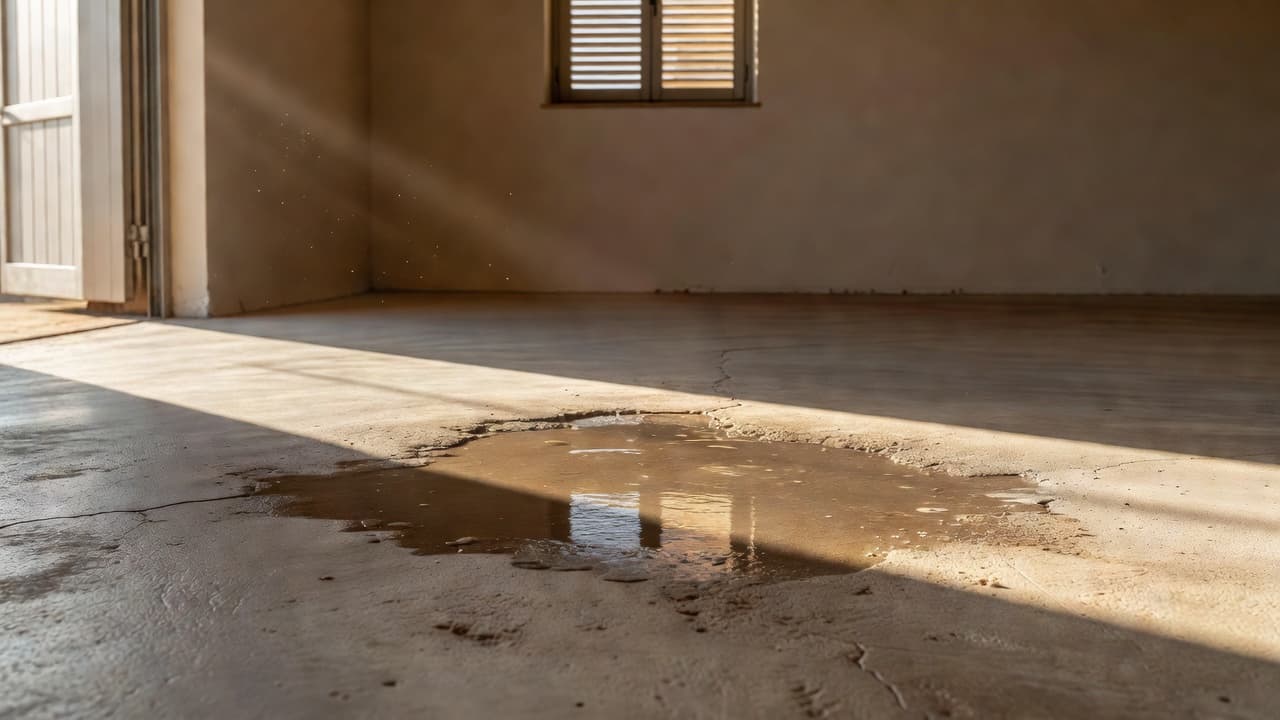
Water pooling underneath: the valve connection is weeping, the radiator body is corroded through (rare in modern homes, more common in older properties near the coast where salt air accelerates corrosion), or a pipe joint has loosened.
Many radiators cold: the boiler isn't circulating hot water properly. This could be a fault with the pump inside the boiler, low system pressure, or a problem with the boiler itself.
If the radiator is cold and you suspect trapped air:
Turn off the heating and wait 20 minutes for the system to cool. Find the bleed screw on the radiator – it's a small square-headed nipple, usually on the opposite end from the inlet valve. Place a cloth and a small container (a mug or old yoghurt pot) underneath to catch water. Using a radiator key (a small T-shaped metal tool, usually found in a kitchen drawer or you can buy one for a couple of euros), carefully turn the bleed screw anticlockwise one-quarter turn. You'll hear hissing as air escapes. Keep the cloth close to catch hot water spray. Wait 10 to 15 seconds. If water starts dripping steadily out, close the screw (turn clockwise) immediately. Turn the heating back on. The radiator should warm up over the next few minutes.
If a radiator is leaking from a valve connection:
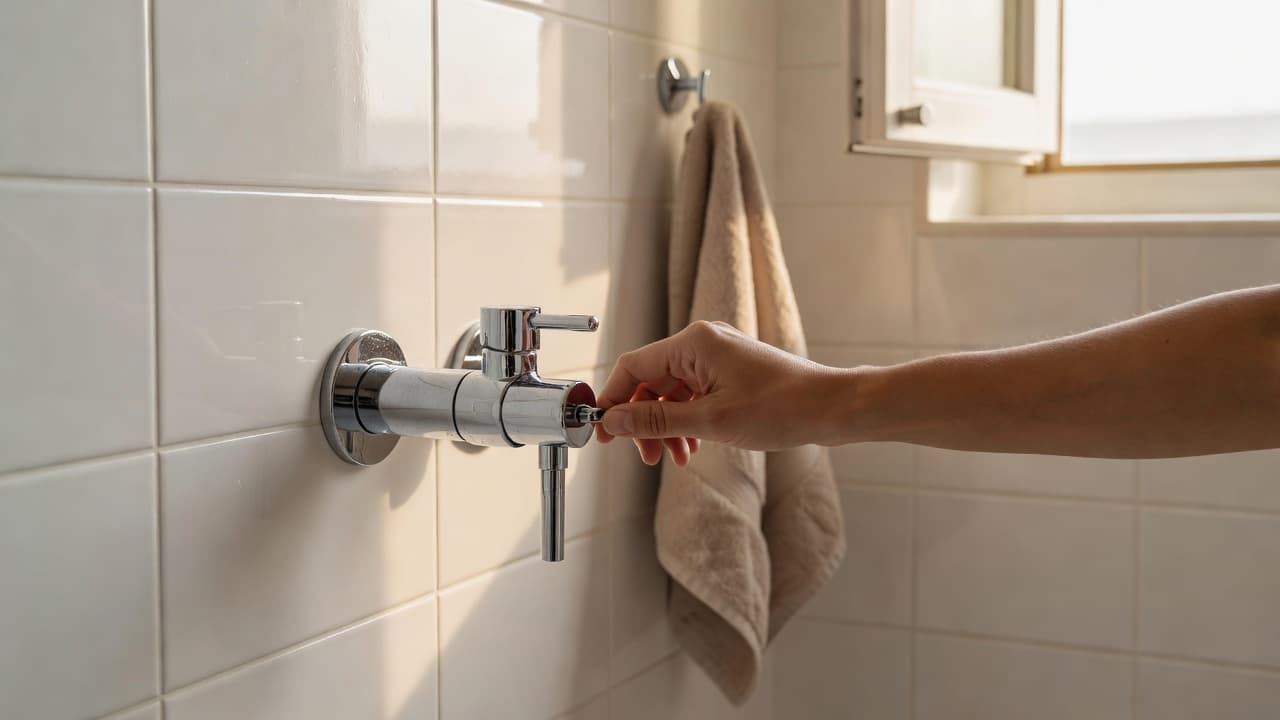
Do not ignore this. Place a bucket or shallow tray under the leak to protect your floor. Turn off the heating. Locate the lockshield valve (the one on the right, usually with a chrome cover marked "LS" or "lock"). Gently turn it clockwise until you feel resistance – this will shut off the flow of water to that radiator. Check if the leak has slowed. If it stops, you've bought time and can call a plumber during business hours. If it continues dripping, the leak is inside the radiator valve body itself. Turn off the whole boiler and call a plumber now – water will continue spreading and risk damage to floors below.
If the boiler pressure is low (below 1 bar):
Modern boilers have a small lever or button on the front to refill the system. It's usually labelled "filling loop" or has a valve underneath. Some instructions say homeowners can press it themselves for a few seconds to add water back. Don't do this without being certain. Every boiler is different, and overfilling can cause problems. Call a plumber instead – it's usually a five-minute job and they'll also check why the water escaped in the first place.
If many radiators are cold:
The boiler is the problem, not the radiators. Check if the boiler display shows an error code. Write it down. Turn the boiler off and back on after 30 seconds (a reset sometimes helps). If it doesn't restart or shows the same error, don't keep trying – you'll just frustrate the system. Call a heating engineer.
Stop immediately and call a plumber if:
- You see active dripping from a radiator and turning the lockshield valve doesn't slow it after one minute.
- The leak is coming from a pipe before it enters the radiator, or from anywhere other than the valve connections.
- You bleed a radiator and scalding water or steam sprays out (this means the system is still hot – let it cool next time).
- The boiler pressure is zero and won't respond to any reset.
- You hear loud banging, clanging, or violent hissing from pipes throughout the house.
- The boiler is showing a fault code you don't recognise and won't restart.
- You notice a large puddle spreading on the floor – water damage to structural elements is expensive.
- A radiator is visibly rusted, swollen, or split.
Also:
- Never force a valve in either direction. If a thermostatic or lockshield valve is stiff, leave it. Forcing it can break it, making the leak worse.
- Never attempt to remove a radiator yourself unless you're certain the water has drained (it hasn't unless a plumber has isolated it).
- Never mix different heating system chemicals or additives without professional guidance.
If you've bled the radiator and it's now working, the plumber's first task is to understand why air entered the system. They'll check all radiator bleed screws, inspect pipe joints for loose connections, and verify that no recent work has left the system exposed. They'll note it in their paperwork so you know it was an isolated incident.
If the radiator is leaking from a valve, the engineer will turn off the boiler and isolate that radiator using the lockshield valve. They'll then inspect whether the leak is in the valve body itself (requiring a replacement valve) or at the connection thread (sometimes tightened, sometimes replaced). They'll drain the radiator safely and make the repair. Before they leave, they'll refill the system, check the pressure, and bleed any air that entered during the work. They'll hand you a small invoice and a receipt showing the work done.
If the boiler pressure is low, they'll look for visible leaks on exposed pipes and joints first. If none are obvious, they'll check the filling loop and carefully refill the system whilst watching the pressure gauge. Once it's back to 1.5 bar, they'll run the heating and watch for any leaks that appear. If water keeps disappearing, there's a hidden leak somewhere – in which case they'll advise you that the system needs a leak detection specialist (rare, but possible in older homes or if a radiator is failing internally).
Many engineers will also offer to check your radiator bleed screws and thermostatic valves as a courtesy, showing you how they work so you can do it yourself next time.
Bleed radiators at the start of every heating season (October in most homes), before turning on the heating for the year. A quick walk around checking each radiator takes 15 minutes and prevents air building up.
Never ignore a small leak. Even if it's just a drop every few seconds, it will worsen. A weekly drip today becomes a steady stream in a month.
Keep the thermostatic valve (left one) on a sensible setting – usually number 3 or 4 on the dial. Turning it all the way down ("*") doesn't save money if you're still heating the room; it just means more of your heating goes into other rooms instead. If a room is too warm, either close the valve or open a window.
Have your boiler serviced annually. The engineer will check system pressure, inspect all connections, clean the boiler's internal components, and spot corrosion or wear early. This is worth the small cost – it prevents most emergency breakdowns.
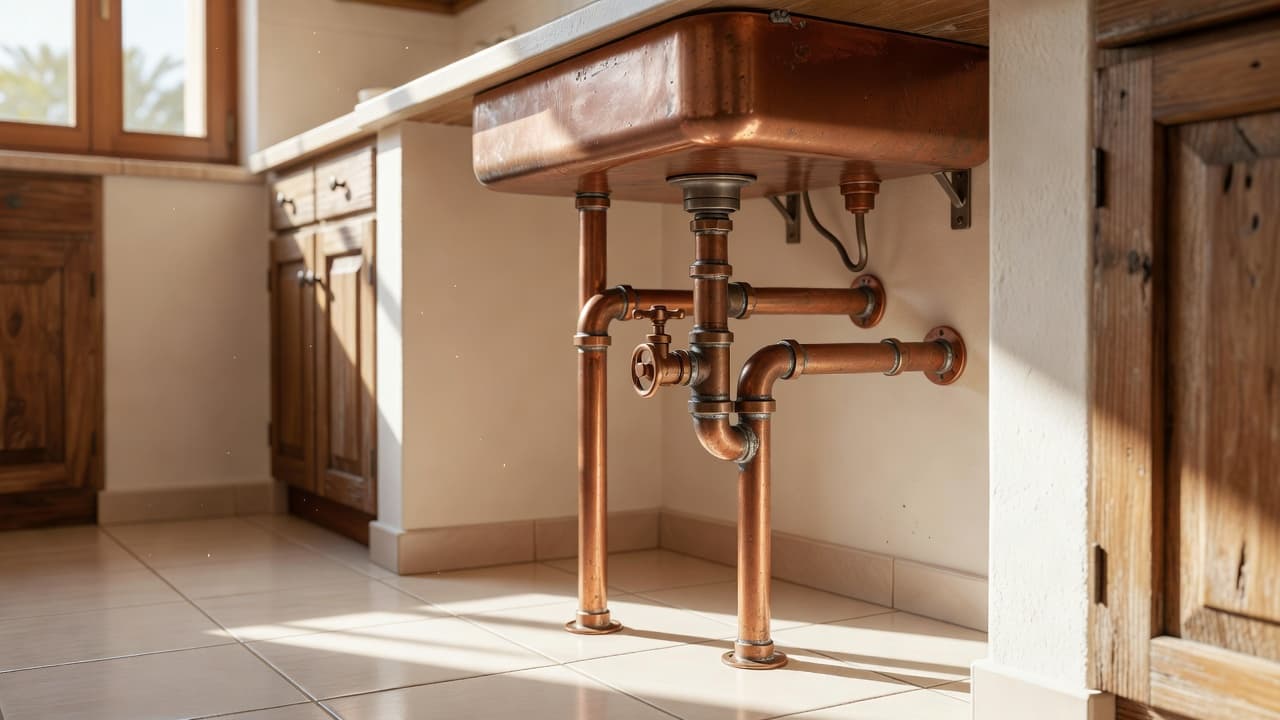
If you live in an older home or near the coast, salt air can corrode radiator bodies and pipes faster. Consider an annual check on the state of all visible pipes and connections, especially under sinks and in cellars.
Your radiator should heat evenly within minutes of being bled, and a small leak should stop the moment you close the lockshield valve. If neither of these happens, or if you encounter any of the warning signs above, a qualified plumber will diagnose and fix it safely. Don't wait – water damage spreads quickly, and a small repair now is always cheaper than structural damage later.
Get in touch with a plumber on the Mediterranean coast who speaks your language.