The most common culprit is water hammer — a pressure shock that travels through the pipes when water moving at high speed hits a closed valve and suddenly stops.
This typically happens because:
- You turn off a tap, shower or washing machine very quickly.
- A solenoid valve (the automatic valve in a washing machine or dishwasher) closes instantly.
- The pressure in your system is too high (above 3 bar, which is the normal domestic pressure).
When the fast-moving water hits the closed valve, it has nowhere to go and creates a pressure surge that bounces back through the pipes, causing them to move slightly and bang against the wall or against each other.
In Spanish homes — especially on the Mediterranean coast where water pressure can be high due to elevation changes — water hammer is extremely common.
A whistle usually means water is being forced through a restriction or a partially closed valve. Common causes:
- The mains stopcock (llave de paso general — usually found under the kitchen sink or on the landing) is not fully open.
- An aerator (the small mesh screen at the tap outlet) is clogged with limescale or debris.
- The pressure-reducing valve (if your property has one) is set too high or is sticking.
If you hear rattling rather than banging — like loose marbles in the pipes — it's usually:
- Pipe brackets are loose. The pipes are moving slightly as water rushes through them. This is common in older Spanish properties where clips have rusted or loosened.
- A loose valve or joint somewhere in the system.
- Sediment or debris moving through the pipes (rare, but happens after repairs or if the mains supply has been disturbed).
A deep grinding noise, especially on hot water lines, may indicate:
- Sediment building up inside the pipes or in your water tank (termo eléctrico or boiler). This is common in hard-water areas of Spain, particularly inland and on the Costa Blanca.
- A faulty mixing valve in the heating system struggling to regulate temperature.
1. Turn off taps slowly. This is the quickest temporary fix. Instead of shutting the tap off in one sharp movement, close it gradually over a second or two. This gives the water pressure time to equalise instead of creating a shock.
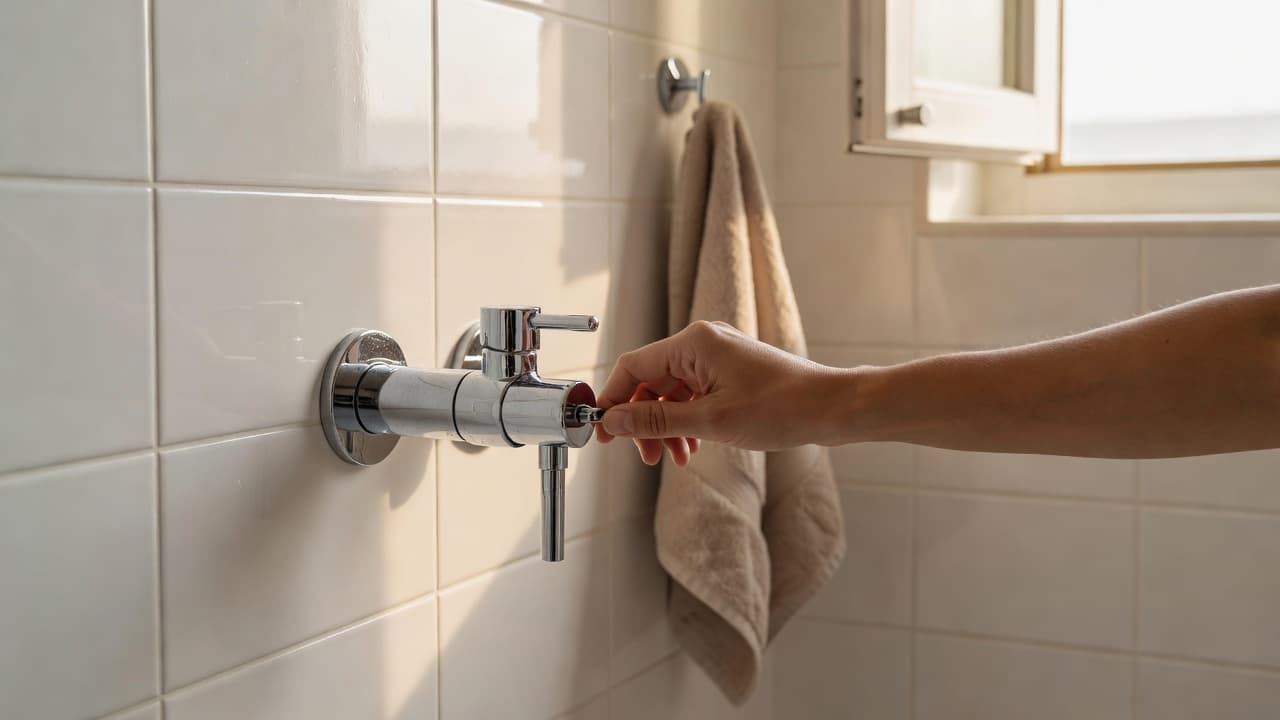
2. Check the mains stopcock is fully open. Go to where your main stopcock is located (under the kitchen sink, in a bathroom cupboard, or on the landing — look for a brass valve with a handle or a slot on top). If it's not fully open, open it slowly. Partially closed stopcocks raise pressure and make hammer worse.
3. Reduce the incoming water pressure if possible. If your property has a pressure-reducing valve (look for a small brass cylinder with an adjustment screw on the main water line coming in), you can try turning the adjustment screw slightly anticlockwise — but only a quarter turn at a time, and only if you're confident. If you're not sure, leave it.
1. Clean the tap aerator. Unscrew the aerator (the removable part at the end of the tap spout) by turning it anticlockwise. Rinse it under running water and use an old toothbrush to clean the mesh. Limescale often clogs this. Screw it back on.
2. Check the stopcock is fully open (as described above).
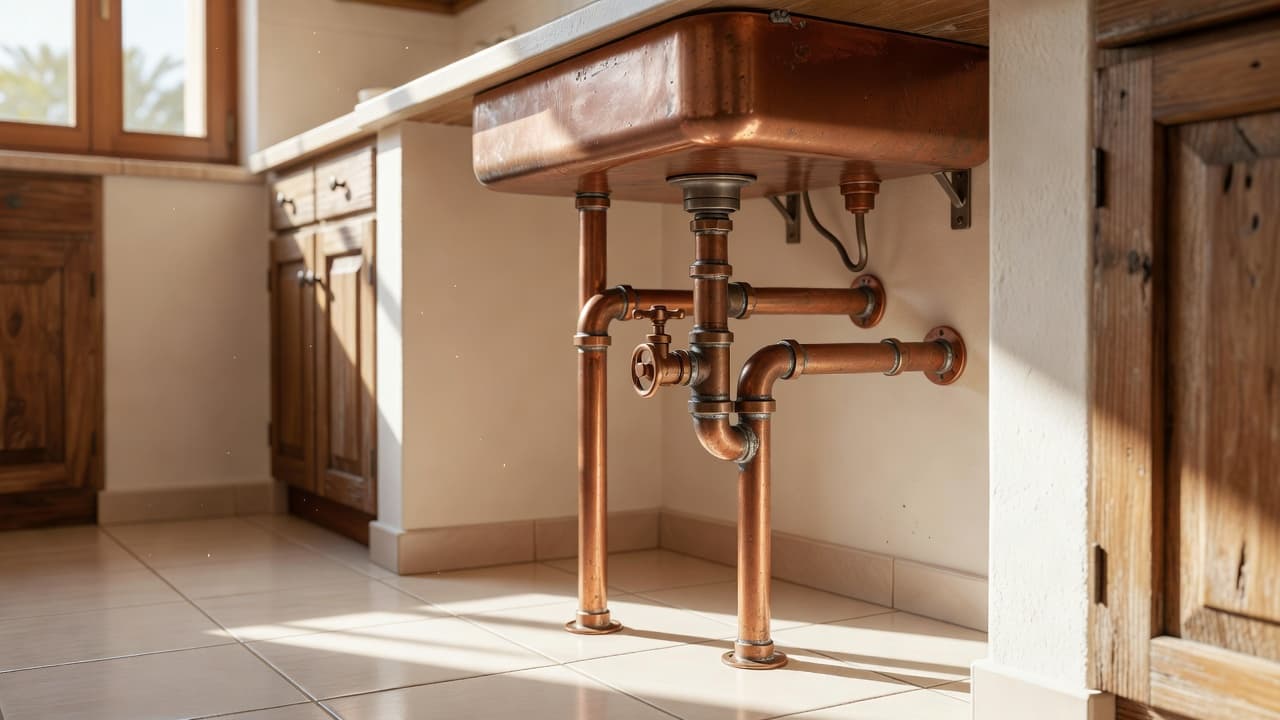
1. Look under the sink and around visible pipes. Are any clips or brackets visibly loose? If you can see one that's come undone, tighten it gently with a wrench. Don't over-tighten — you'll crack the pipe.
2. Check for movement. Turn on the tap and feel the pipes gently with your hand (not while they're hot). If they're vibrating, note where. This tells the plumber where the problem is.
Stop and call a plumber immediately if:
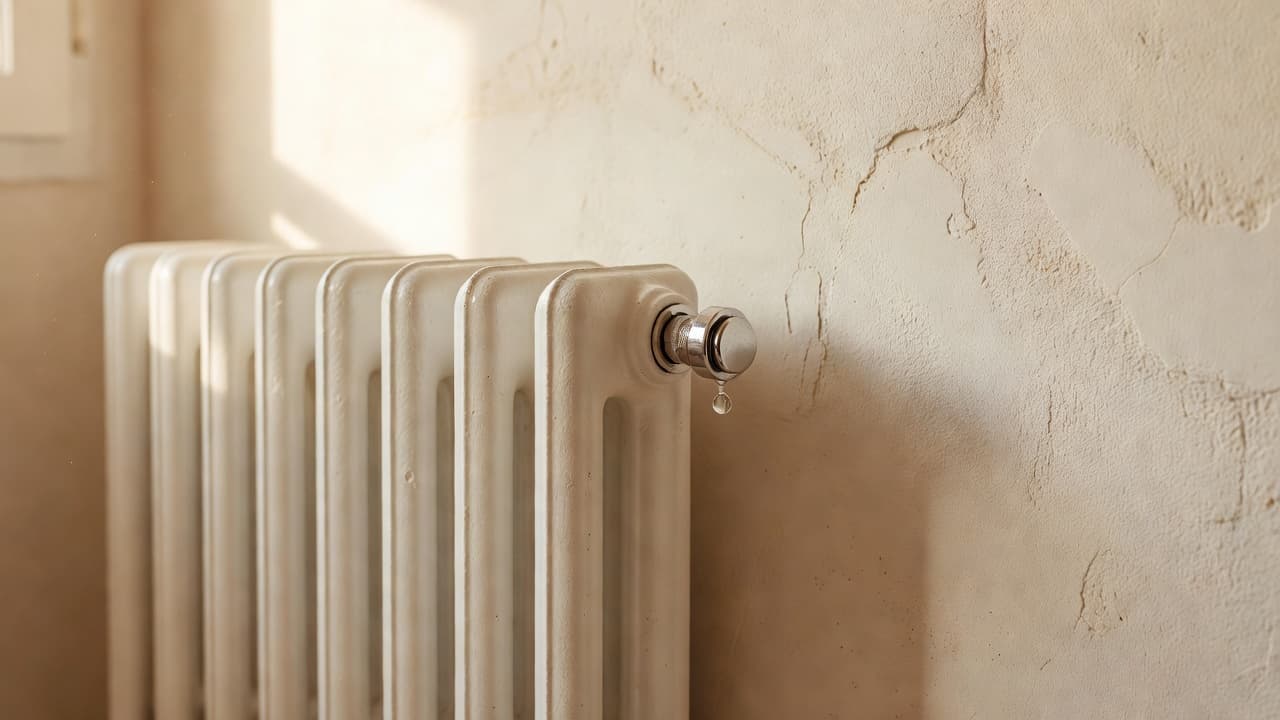
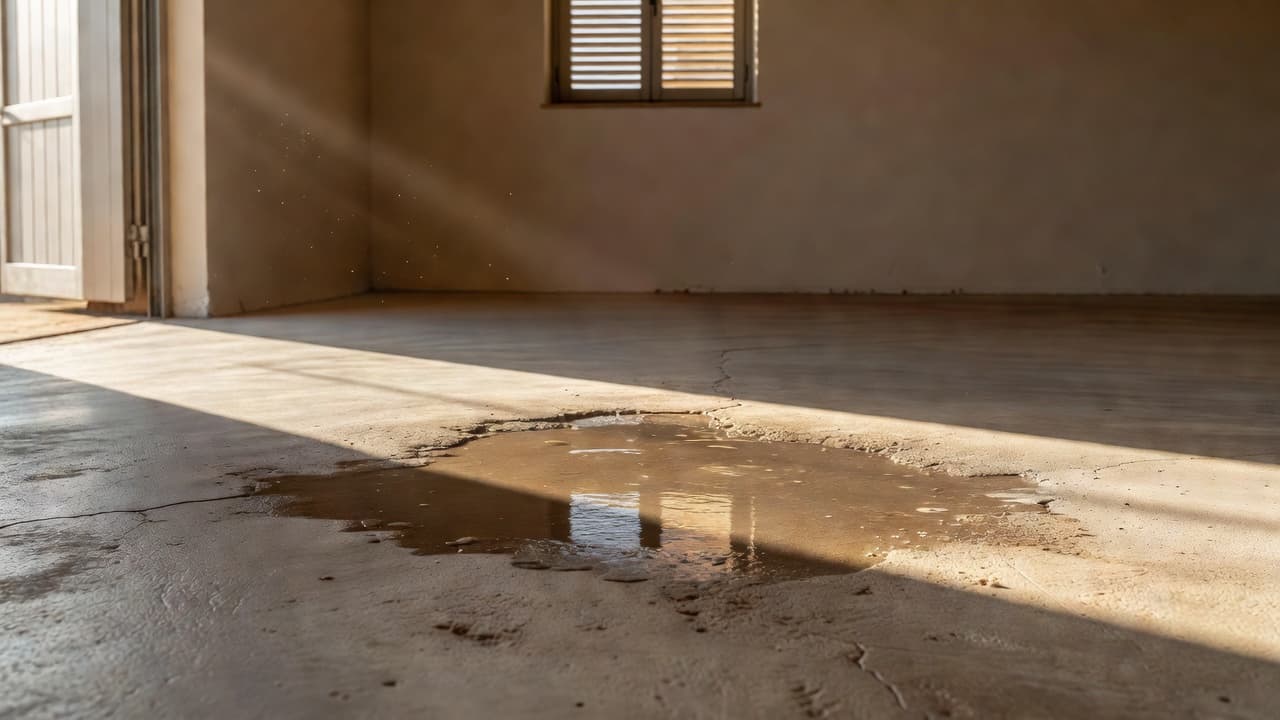
- The noise is accompanied by a visible leak or water dripping from pipes or joints.
- The water pressure has dropped significantly or water is trickling instead of flowing normally.
- The water is discoloured (brown, yellow, or rust-coloured) or smells metallic or like rotten eggs.
- The pipes are visibly moving or jumping when the water is turned on (this is dangerous as it can damage joints).
- The noise is a loud hissing or spraying sound combined with increased pressure — this suggests a burst or crack inside the wall.
- The banging is so loud it shakes the walls or rattles fixtures — this indicates dangerously high pressure.
In any of these cases, turn off the main stopcock and call a plumber. Don't use the tap again until it's checked.
A plumber will usually start by:
1. Identifying the cause. They'll listen to the noise, check the water pressure using a gauge (it should read between 1.5 and 3 bar), and trace where the sound is coming from. In some cases they'll turn on and off different taps to pinpoint which part of the system is affected.
2. Installing a water hammer arrestor if needed. This is a small cylindrical chamber (about the size of a soda can) that's fitted onto the main water line or near the valve causing the problem. Inside it contains air and a diaphragm that absorbs the pressure surge instead of letting it travel through the pipes. It costs between €30 and €80 to install and usually solves water hammer completely.
3. Checking or replacing a pressure-reducing valve if your system has one and it's faulty.
4. Tightening loose brackets or joints if the noise is rattling.
5. Flushing the system if there's sediment or debris causing the noise.
If the problem is serious — for example, if internal corrosion is suspected or pipes need replacing — they'll explain the options and give you a written quote before proceeding. Spanish law (Boletín Eléctrico equivalent for plumbing work) means any work on main water lines or pressure systems should be documented, so ask for a receipt and description of what was done.
- Turn off taps, showers and appliances slowly. Train household members to close taps gradually rather than shutting them abruptly.
- Check the stopcock and pressure valve annually. Make sure the stopcock is fully open (if it's been partially closed, pressure builds up). If you have a pressure gauge, note the reading — it should stay between 1.5 and 3 bar.
- Flush the system once a year if you live in a hard-water area or near the coast. A plumber can do this during a routine maintenance visit.
- Don't ignore new noises. If the banging suddenly starts after months of quiet pipes, something has changed (a valve is wearing out, sediment is building up, or a bracket has loosened). Have it checked quickly to prevent damage.
Noisy pipes are annoying and easy to worry about, but most of the time they're telling you something that's fixable without major expense. The key is listening carefully, checking a few simple things yourself, and not ignoring the warning signs. If you've tried the steps above and the noise persists, or if you see any of the red flags listed, contact our plumbing team. They'll diagnose the issue quickly and get your pipes quiet again.