When building work happens next door — excavation, piling, heavy machinery, vibration, or removal of load-bearing elements — it can disturb the ground or cause vibrations that travel through the soil. Older properties, those on clay soil, or homes with shallow foundations are most vulnerable. Properties in Mediterranean locations near the coast sometimes sit on less stable ground due to historical development and soil composition.
The crack might also be unrelated to the building work. If your property is older, small cracks can appear naturally from:
- Seasonal expansion and contraction of timber in roof trusses or lintels.
- Moisture changes in plaster or render (common in coastal properties exposed to salt spray and humidity).
- Gradual settlement of the building over decades (usually stabilises after the first 10 years).
- Corrosion of embedded steel (rare, but can happen in older properties with poor construction).
The question is: is it new because of the building work, or is it coincidental? That's what a surveyor can help answer.
Hairline cracks (less than 2 mm wide, usually vertical or horizontal) are cosmetic. They don't indicate structural failure. You can safely leave them or fill them with flexible caulk once you're confident they're not growing.
Structural cracks show these warning signs:
- Width greater than 5 mm. Anything wider than a thick credit card is a concern.
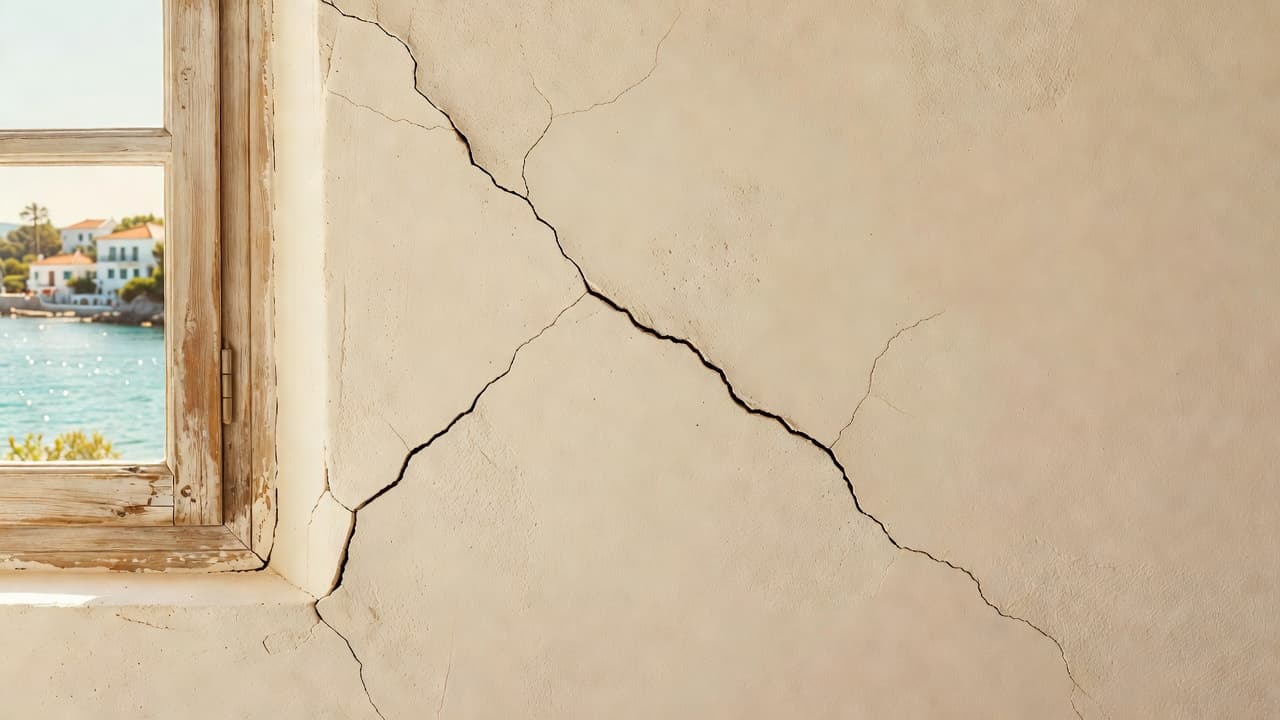
- Diagonal direction. A crack running at 45 degrees, especially if it starts at a window or door corner, often signals structural movement.
- Growth over time. If your mark line is breached within weeks, the building is moving.
- Multiple cracks in a pattern. If cracks appear above multiple windows, or in a staircase pattern across brickwork, this suggests subsidence or structural settlement.
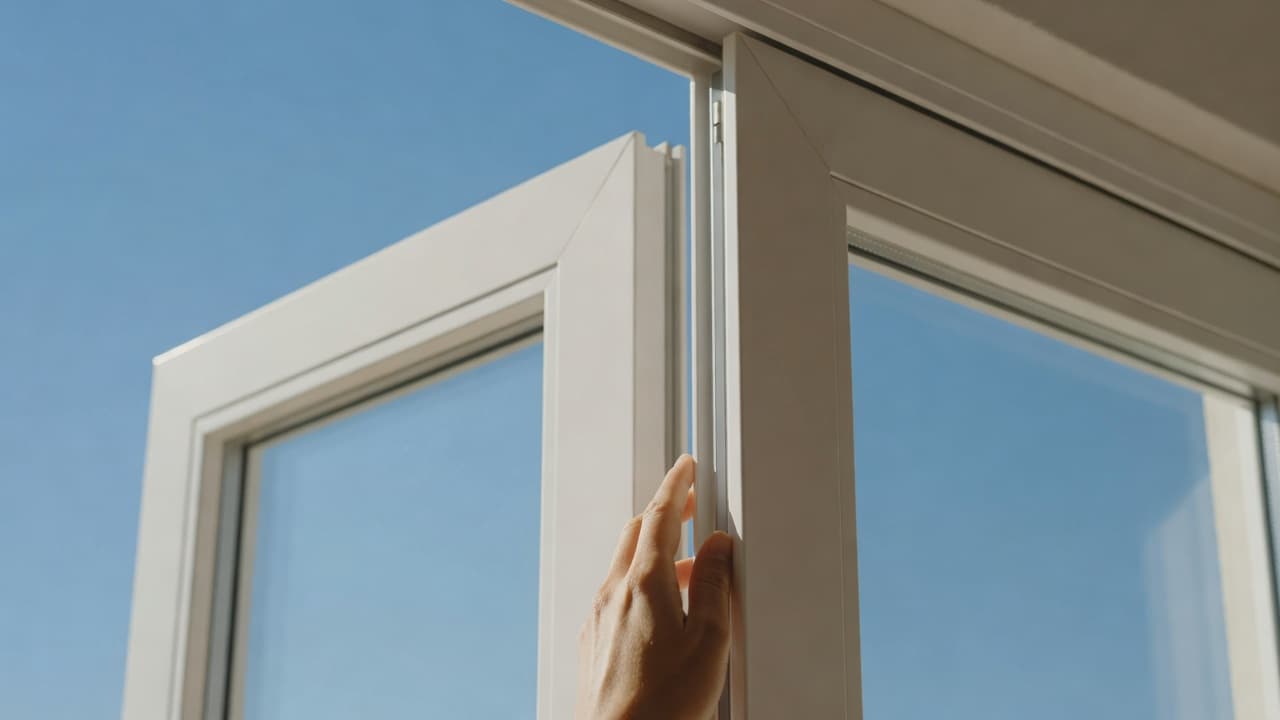
- Doors and windows jamming. If doors have started sticking or windows are hard to open after the crack appeared, the frame has moved.
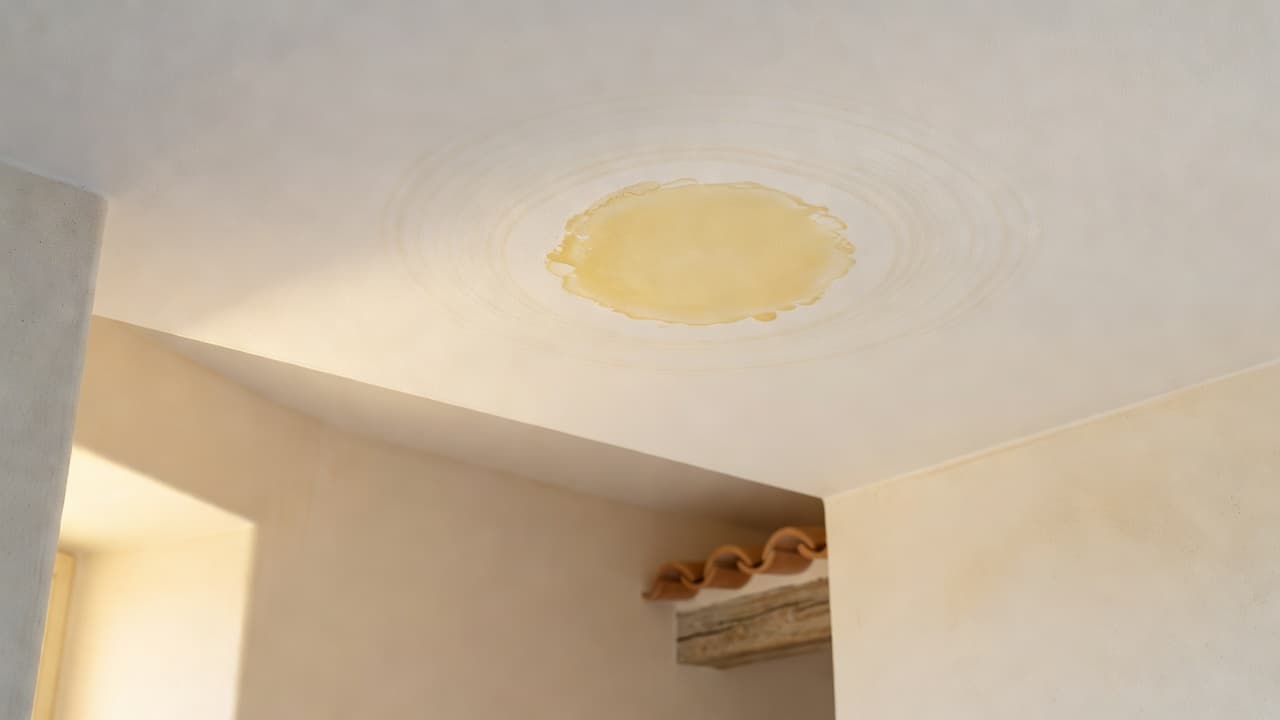
- Horizontal cracks in rendered walls. These sometimes indicate movement of the render layer separately from the wall, or water ingress.
If any of these apply to your crack, stop and call a surveyor or structural engineer. Do not attempt repair.
If the crack is clearly hairline (less than 2 mm) and it's been a stable width for at least two weeks, you can take basic cosmetic steps while you gather information:
Clean the crack. Use a small brush or old toothbrush to remove dust and cobwebs from inside the crack.
Apply flexible caulk. Buy a tube of paintable, flexible acrylic caulk (not rigid caulk — it will crack again if the wall moves). Smooth it into the crack with a wet finger. Let it dry and paint over it if you want.
Paint over it. Once the caulk is dry, paint the area with matching wall paint to blend it in.
This is cosmetic only. You're not fixing anything structural. You're making the wall look less bad while you investigate.
Do not use plaster filler if the wall might still be moving. Do not use cement-based render on interior cracks — it's too rigid.
If the crack is wider than 2 mm, or if you're uncertain, skip this step and wait for professional advice.
Stop immediately and call a professional if:
- The crack is wider than 5 mm.
- The crack is diagonal and running from a corner (especially window or door corners).
- Multiple new cracks have appeared in different rooms or on different walls.
- The crack is actively growing (your mark line is being crossed).
- Doors or windows are sticking or won't close properly since the crack appeared.
- The crack is on a load-bearing wall (an interior wall running perpendicular to the front and back of the house, supporting the roof or upper floor). If you're not sure, assume any interior wall running the length of the building is load-bearing.
- You see horizontal cracks low on exterior walls, especially in the foundation or below damp-proof course level (usually a dark line of bitumen or slate about 30 cm above ground).
- There is visible bowing or bulging of the wall beside or around the crack.
In any of these cases, contact a surveyor or structural engineer. Do not wait. The cost of an assessment (€150–€400) is far less than the cost of a failed repair or, worse, ignoring structural damage.
When they arrive, they'll inspect the crack, measure it, photograph it, and assess the building around it. They'll look for other signs of movement: cracks elsewhere, distorted door frames, misaligned walls, and so on.
They'll ask you:
- When did the crack first appear?
- Has it grown or changed?
- When did the building work next door start?
- Has your building settled before (older cracks that stabilised)?
They may use simple tools like a crack monitor (a small gauge that measures growth over time) or, in more serious cases, a level or laser to check for bulging or movement.
They'll produce a written report explaining:
- Whether the crack is structural or cosmetic.
- The likely cause (settlement, subsidence, building work, moisture, age).
- The risk level (immediate, monitor, or no concern).
- Whether repair is necessary, and what type.
- Whether the damage is consistent with the neighbouring building work.
Keep this report. If you have a claim against your neighbours or their contractors' insurance, you'll need it.
The surveyor won't repair the crack themselves. But their report will guide you (or a handyman or structural specialist) on the right next step.
You cannot control whether your neighbours do building work. But you can reduce your property's vulnerability:
Keep gutters and downpipes clear. Water pooling near the foundation can soften the soil and cause settlement. This is especially important on the Mediterranean coast, where torrential rain can shift previously stable ground quickly.
Monitor moisture levels. Cracks can open up or widen if the building dries out after years of high moisture. In coastal properties, use a dehumidifier in winter if you notice condensation or dampness.
Tree roots. If there are trees within 5–10 metres of the property, especially large ones like oaks or poplars, they can draw moisture from the soil and cause subsidence. This is a long-term issue, not immediate, but worth noting.
Regular inspection. Once a year, especially after heavy rain or seasonal changes, check your walls for new cracks. Catching movement early is always better.
If the building work continues and you're worried, consider asking the site supervisor or developer whether they've conducted a "pre-works survey" (a baseline assessment of nearby properties before work starts). This is sometimes a legal requirement, and having one gives you a reference point for any claims.
A crack in your wall is unsettling, especially when it appears shortly after building work next door. But the first step is always to observe, measure, and document — not to panic or rush into repairs. Most cracks stabilise and turn out to be cosmetic. Those that don't will tell you so within a few weeks. A surveyor's assessment, costing a fraction of a repair, will give you certainty and evidence. Once you know what you're dealing with, the path forward is clear.
If you need a handyman or structural assessment in your area, find a qualified handyman through MyCasa Spain. Our network includes professionals who can inspect, advise, and repair with the documentation you'll need.