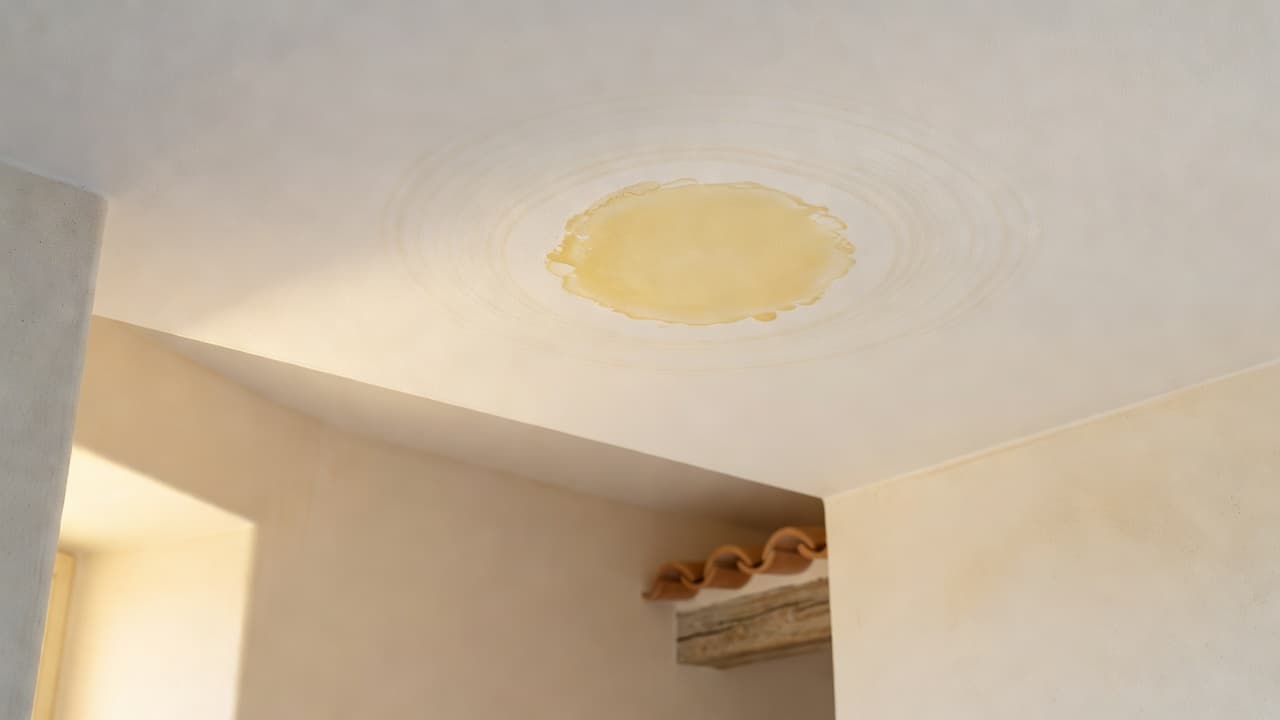
Yellow stains on ceilings after rain have three main causes. The most common in Mediterranean coastal homes is a roof leak. Spanish tile roofs, especially on older properties or those not recently maintained, develop cracks or gaps where mortar has eroded. Heavy rain or driving rain from a particular direction (often south-west) exploits these gaps, and water runs down the inside of the roof structure until it finds a gap in the insulation or plasterboard below. The yellow colour often comes from rust or mineral deposits in the water, or from the natural yellowing of damp plaster.
The second cause is a burst or leaking pipe inside the ceiling void. Water pipes, especially older copper ones, can corrode from the inside. Hot water pipes are more prone to this. If the leak is small, water may drip steadily and soak into the insulation or plasterboard, appearing as a stain below. The yellow tint can come from rust inside the pipe.
The third cause, less common but worth knowing, is condensation from poor ventilation. If warm, humid air (from a bathroom or kitchen) meets a cold ceiling surface, it condenses and soaks into the plaster. This often appears as a broader, softer damp patch rather than a sharply defined stain. It's more likely in winter or in poorly ventilated bathrooms on the top floor.
Occasionally, a stain is simply old dye or residue from a previous repair or from dust accumulation, and rain or cleaning moisture has reactivated it visually. This is less concerning but still warrants a check.
If the stain is actively wet during or immediately after rain, your priority is to stop water entering the room. This is temporary only — you must fix the source.
If water is dripping into the room:
- Place a bucket or basin directly under the drip to catch water. Change it regularly — a steady drip can fill a bucket in hours.
- If dripping is heavy, lay towels or a tarpaulin on the floor to protect furniture and flooring.
- Do not attempt to climb on to the roof yourself to find or fix the leak. Roofs are dangerous, especially when wet or steep. Spanish tile roofs are particularly slippery.
If the stain is damp but not actively dripping:
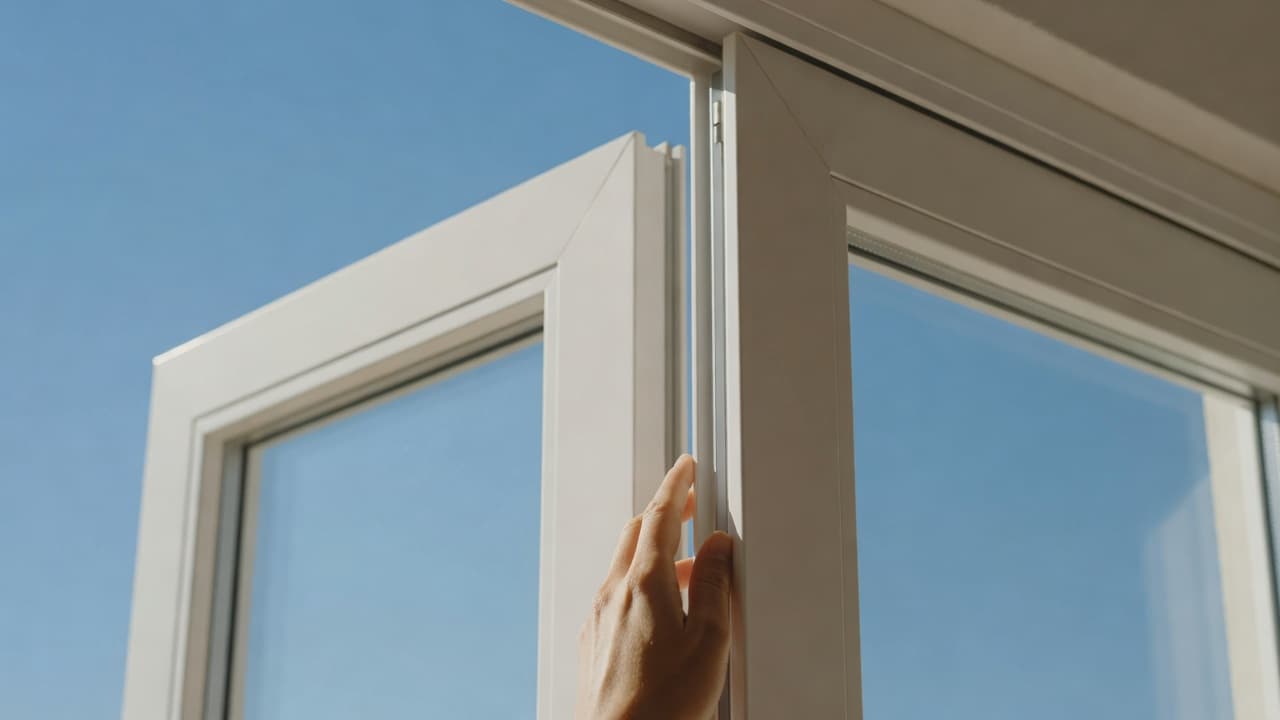
- Open windows in the affected room to increase air circulation. Leave them open during and after rain if weather permits.
- If you have a portable dehumidifier, run it in the room with the door closed. This helps dry the plasterboard faster and prevents mould.
- Do not use a hair dryer or heater to try to dry the ceiling. This can drive moisture deeper into the structure and risk burns or fire.
In all cases:
- Do not paint over the stain or apply sealant yet. The moisture must dry first, and the source must be fixed, or the problem will return and worsen.
- Move valuable items away from directly below the stain.
- If the stain is in a bedroom or living area, arrange to air the room every day until the professional has inspected it.
Stop and call a professional immediately if:
- The ceiling feels spongy, soft, or crumbly to touch. The plasterboard has absorbed water and is weakened. Walking on it from above risks collapse.
- The stain is spreading visibly day to day, or the damp patch is growing. This indicates active, ongoing water ingress.
- You see mould or black spots on or around the stain. Mould spores can affect breathing, especially for older people and those with respiratory conditions. Do not disturb mouldy areas.
- Water is dripping steadily into the room during rain. Locate the drip point and do not walk under it.
- The stain is near an electrical light fitting, ceiling fan, or any wiring. Water and electricity are dangerous. Cut the power to that circuit if you know how, and call both an electrician and a roofer.
- The room is in a flat and the leak is coming from the flat above. Do not try to access the neighbour's home. Report it to the community of owners (comunidad de vecinos) administrator or your neighbour directly, and document everything with photos and dates.
- You live on a remote property with an oil boiler or gas heating system in the attic. Water leaks near these systems create serious hazards. Do not investigate.
In any of these situations, the correct action is to stop, note the conditions, take photos, and call a handyman or roofer to inspect. Most will attend within 24–48 hours for a reported leak.
A handyman or roofer will begin by inspecting the attic or void space above the ceiling to trace the water's path. They'll look for daylight, cracks in the roof structure, damaged insulation, and evidence of water trails (discoloured wood or mould). If the attic is inaccessible, they may make a small hole in the ceiling near the stain to see inside, or they may need to go on to the roof itself to inspect tiles, flashing (the metal edging around chimneys or pipes), and mortar joints.
Once the source is identified, they'll explain what needs to be done. If it's a roof leak, they may recommend:
- Replacing cracked tiles
- Repointing mortar joints (sealing the gaps where tiles meet)
- Resealing or replacing flashing around chimneys, vents, or satellite dishes
- Patching the underside with new plasterboard once the roof is dry
If it's a pipe leak, a plumber will be called. They'll locate the burst point, replace the damaged section, and pressure-test the system.
The professional will not rush to paint or seal the stain until the underlying cause is fixed and the area has dried completely. After the repair, they may recommend leaving the room unheated but ventilated for a few days to ensure full drying, or they may install a temporary dehumidifier. Once dry, the ceiling can be re-plastered and painted.
Keep all receipts and photos from the repair. If you're in a flat, you may need these for insurance or for disputes with the building management.
For roof leaks:
- Have your roof inspected every 3–5 years, especially if it's over 20 years old. This is routine maintenance, not expensive, and catches problems before they become urgent.
- Keep gutters and downpipes clear of leaves and debris. Blocked gutters cause water to back up under the tiles.
- After a severe storm, walk around the property (safely, from the ground) and look for displaced tiles, debris on the roof, or obvious damage.
- In coastal areas, salt spray can accelerate erosion of roof mortar. A professional clean and inspection every few years is money well spent.
For pipe leaks:
- Know where your main water stopcock is. In most Spanish homes, it's under the kitchen sink, in a bathroom cupboard, or on the landing in a small inspection chamber. If a pipe bursts, you can isolate it quickly.
- If you have old copper pipes and notice discoloured water or slow leaks elsewhere, have a plumber inspect the system. Replacing a section before it fails is cheaper than dealing with water damage.
- Insulate pipes in unheated spaces (attics, external walls) to reduce condensation and freezing risk.
For condensation damp:
- Ensure bathrooms have extractor fans and use them during and for 20 minutes after showers.
- Open windows regularly to let humid air out, even in winter. A few minutes of ventilation is better than trapped moisture.
- Check that loft insulation is not blocking ventilation slots in the eaves (soffits). Lofts need air flow.
If you've noticed yellow stains on your ceiling after rain, don't wait for the next downpour to confirm the leak. Have a handyman inspect the attic or roof within the next few days. Early action prevents mould, structural damage, and expensive repairs. Contact a local professional to assess the cause and get a fixed price for the repair.