When water sits motionless in pipes for months, several things occur.
Oxidation and sediment. Copper and steel pipes react with stagnant water, forming rust particles that turn the water brown. This is harmless — you're not seeing contamination, just mineral oxidation. Once the water circulates again, it clears within minutes.
Air pockets. As water drains from the system during closure (or as the system cools and contracts over weeks), air enters the pipes. When you suddenly pressurise the system by opening the stopcock, these air pockets compress and create bubbling sounds and temporary low pressure. This is why you must open slowly and bleed the system gradually.
Pressure shock. If you open the stopcock fully in one movement after months of zero pressure, the sudden surge of water can crack weakened joints or pipes that have developed hairline fractures during the empty period. Slow opening prevents this.
Corrosion of fittings. If your home has old brass or copper fittings (common in Mediterranean properties built before the 1990s), months of moisture and salt-laden air may have weakened joints. They may not leak immediately, but increased water pressure can expose them.
If you discover a leak while turning the water back on, here's how to contain it until a professional arrives.
For a small drip from a pipe joint:
Turn off the main stopcock immediately. Wrap the joint tightly with a waterproof repair tape (self-fusing silicone tape, available at any Spanish DIY store). Wrap around the leak point in overlapping layers, stretching the tape as you go. This is a temporary measure only and may hold for hours or days, but it is not permanent.
For water pooling under a sink:
Turn off the stopcock. Dry the area completely with towels. Check if the leak is from the visible trap (the U-shaped pipe under the sink) or from the connection to the wall. If it's the trap, it may simply need tightening — use an adjustable wrench to gently tighten the nut where the trap connects to the sink. Turn clockwise, but do not force it. If the leak persists, call a plumber.
For a pinhole leak in a copper pipe:
This is visible as a small jet of water. Turn off the stopcock and call a plumber same-day. Do not attempt to solder or patch a copper pipe yourself in a home you're unfamiliar with — you risk fire or gas pipe damage.
For air in radiators (if you have central heating):
Once water pressure stabilises, radiators may have cold spots at the top where air is trapped. Use a bleed key (a small square key, often kept in the kitchen drawer of British-owned properties) and slowly turn the valve at the top of each radiator anti-clockwise. Air will hiss out; once water begins to dribble, turn the valve clockwise to close. Start with the lowest radiators and work upwards.
Stop and call a plumber immediately if:
Water flows from multiple leaks as soon as you open the stopcock. This suggests a systemic issue — perhaps a freeze-thaw crack or a burst section. Turning on the water further will worsen it.
Water comes from an electrical socket or light fitting when you turn on the system. This is a dangerous electrical hazard. Turn off the stopcock and call a qualified electrician and plumber together.
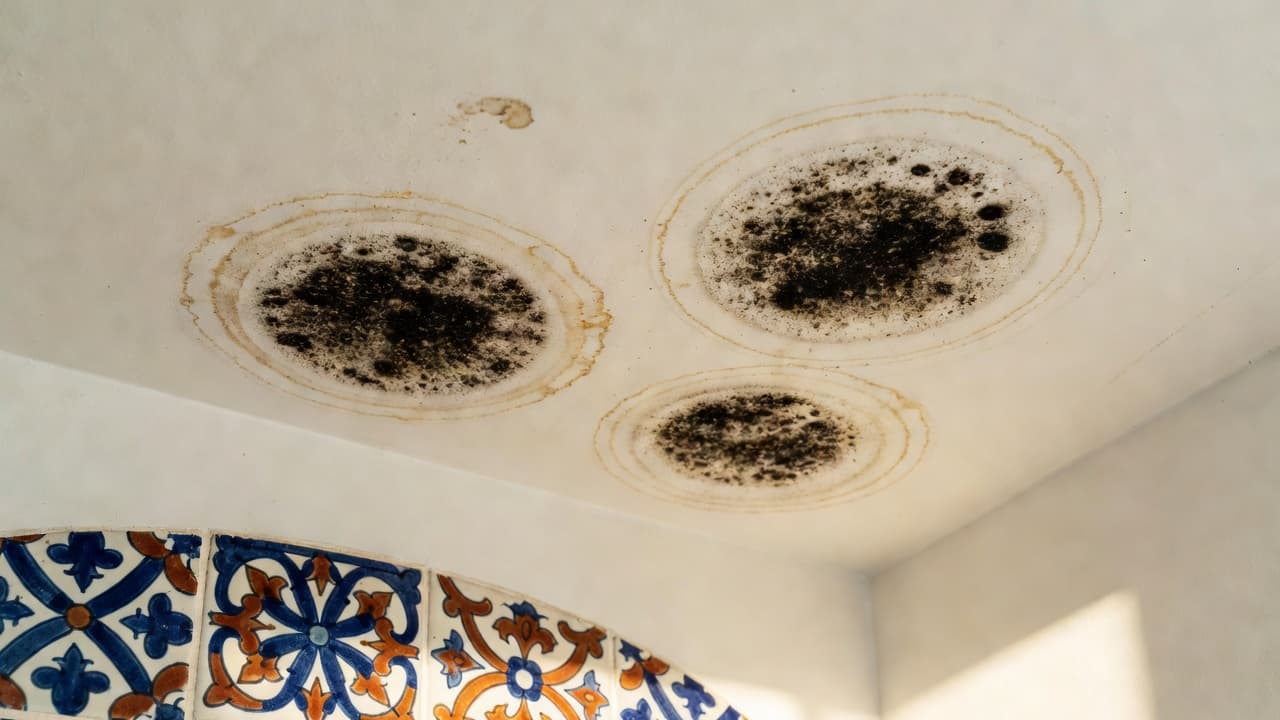
You see active water damage on internal walls or ceilings in the days after reopening. This indicates a hidden leak inside the structure. Do not delay. Call a plumber to locate and repair it.
Water pressure remains very low even after 30 minutes of flushing. This can mean a blockage deep in the system or a leak you haven't found yet. A plumber will use a pressure gauge to diagnose.
You hear a continuous hissing or loud banging from the pipes after reopening. Banging (water hammer) suggests an air lock or a valve issue. Hissing for more than 30 minutes suggests an air pocket that won't disperse naturally. Call a plumber.
You smell gas or notice a rotten egg odour when water first runs. Gas leaks require immediate professional attention — do not turn on the water further. Call the emergency gas line and your plumber. A rotten egg smell (hydrogen sulphide) suggests bacterial growth in the tank and requires chemical treatment.
If you've called a plumber to handle the reopening or to repair a leak, here's what to expect.
The plumber will begin by locating and testing the main stopcock under full flow conditions. They'll check the pressure using a gauge to see if it sits within the normal range (usually 2–3 bar in Mediterranean homes; higher pressures can cause leaks, lower pressures suggest blockages). They'll then systematically open each tap and test flow and temperature.
If they find a leak, they'll trace it to its source, which may involve checking inside cupboards, under floors, or behind walls. For small leaks from joints, they'll tighten or reseal. For cracks or pinhole leaks in pipes, they'll cut out the affected section and solder or glue in a new piece. For leaks from taps or valves, they'll often replace the faulty part entirely — repairing these correctly is usually more expensive than replacing.
Once repairs are complete, the plumber will run water through the entire system for at least 10 minutes and check under every sink and cupboard. They should also hand you documentation showing what they've done, any replaced parts, and confirmation that the system is safe to use. Keep this; you may need it for insurance or for future maintenance.
If your home has a water pressure reducer valve (a brass fitting on the incoming pipe, common to protect old systems), the plumber may check or adjust this too. High summer demand on the coast can spike pressures, and a faulty reducer can cause leaks months later.
Before you close the house for another extended absence:
- Run all taps for 30 seconds.
- Turn the heating system off (if it's gas or oil).
- Leave the stopcock in the fully open position — do not "half-close" it. A partially open stopcock can corrode and seize, making it impossible to turn the next time you return.
- Leave one or two internal taps very slightly dripping (just barely open). This allows any remaining air to escape slowly and prevents the system from becoming a vacuum, which can draw in corrosion.
- If you have a property manager, ask them to check the stopcock visually every 4–6 weeks and listen for any obvious leaks.
For future reopenings, keep a note of where your stopcock is and take a photo of the area. Add a small label or marker so you find it instantly, even in bad light.
Turning the water back on after a long closure is straightforward if you take it slowly. Five minutes of caution now prevents weeks of regret. If anything feels wrong — unexpected leaks, strange noises, discoloured water that won't clear — stop and call a plumber. That's what they're there for, and it's far cheaper than damage hidden behind a wall.
Get a qualified plumber to inspect your reopening or repair any leaks you discover — MyCasa Spain's plumbing network covers the Mediterranean coast and can arrange a visit within 24 hours in most areas. Describe the issue clearly, and they'll bring the right tools and spare parts.