The most common reasons cold water comes out despite your heater being on are:
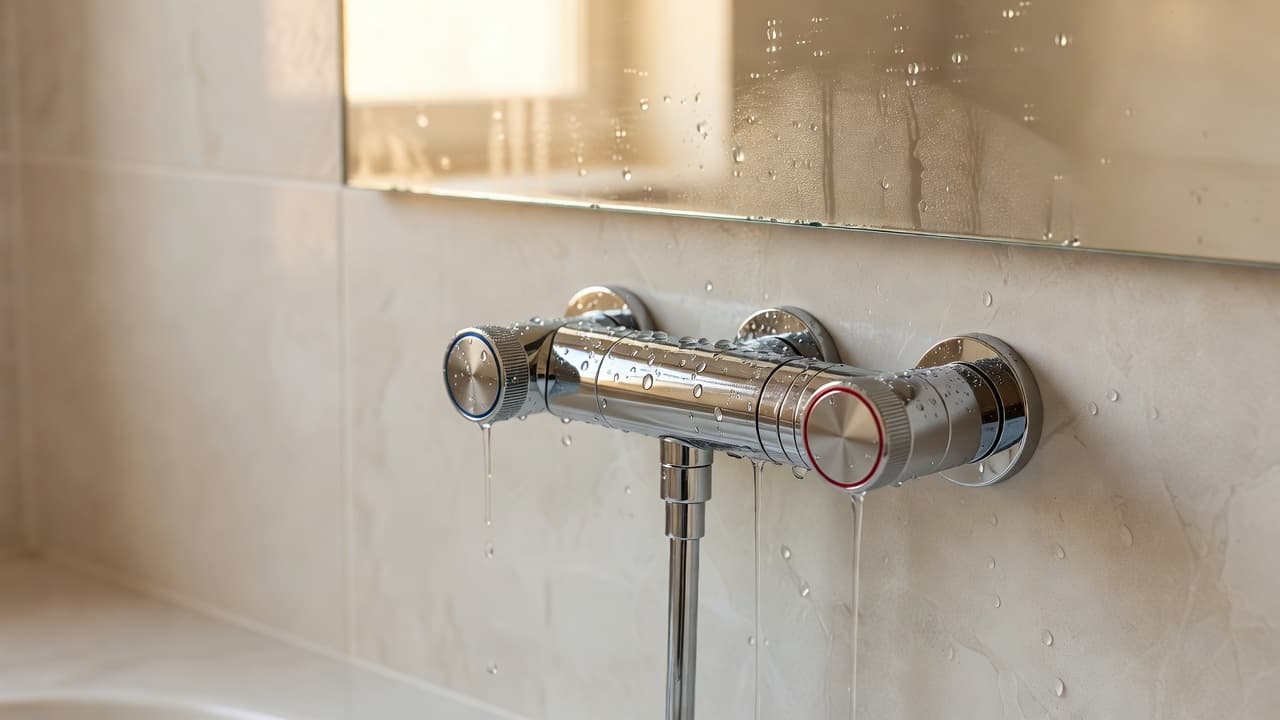
Faulty mixing valve or thermostatic valve. At the point where hot water leaves your tank or boiler and travels to your taps, there's usually a mixing valve (válvula mezcladora) or a thermostatic valve (válvula termostática). This controls the temperature and blends hot and cold water. If this valve is stuck, blocked by scale, or has failed internally, it can stop hot water reaching your tap even though the heater itself is fine.
Thermostat failure. The thermostat tells the heating element when to turn on and off. If it fails, the element may not heat at all, or it may overheat and trigger a safety cutout. Electric tanks have a simple dial thermostat; gas boilers have a more complex electronic one.
Blocked hot water pipe. Mineral scale or debris can build up inside the hot water outlet pipe, especially if you live near the coast and have hard water. The blockage stops hot water from flowing to the tap, even though the tank is full of hot water.
Failed heating element or burner. In an electric tank, the immersion heater (resistencia) can burn out. In a gas boiler, the burner can fail to ignite or stay lit. If this happens, no water gets heated at all.
Airlock in the system. After work on the water pipes, or if the system has been drained, air can get trapped in the hot water line. This air blocks the water from flowing properly until it's bled out.
Sediment in the tank. Over time, minerals from hard water sink to the bottom of the tank, building up a layer of sludge. This can cover the heating element, making it ineffective, and can also cause the thermostat to malfunction because it can't sense the water temperature correctly.
If you have an electric water tank (termo eléctrico):
- Check the temperature dial and ensure it's between 40–60°C. A dial set to "min" or "0" means no heating.
- If the thermostat dial is stuck and won't turn, do not force it. Leave it as is.
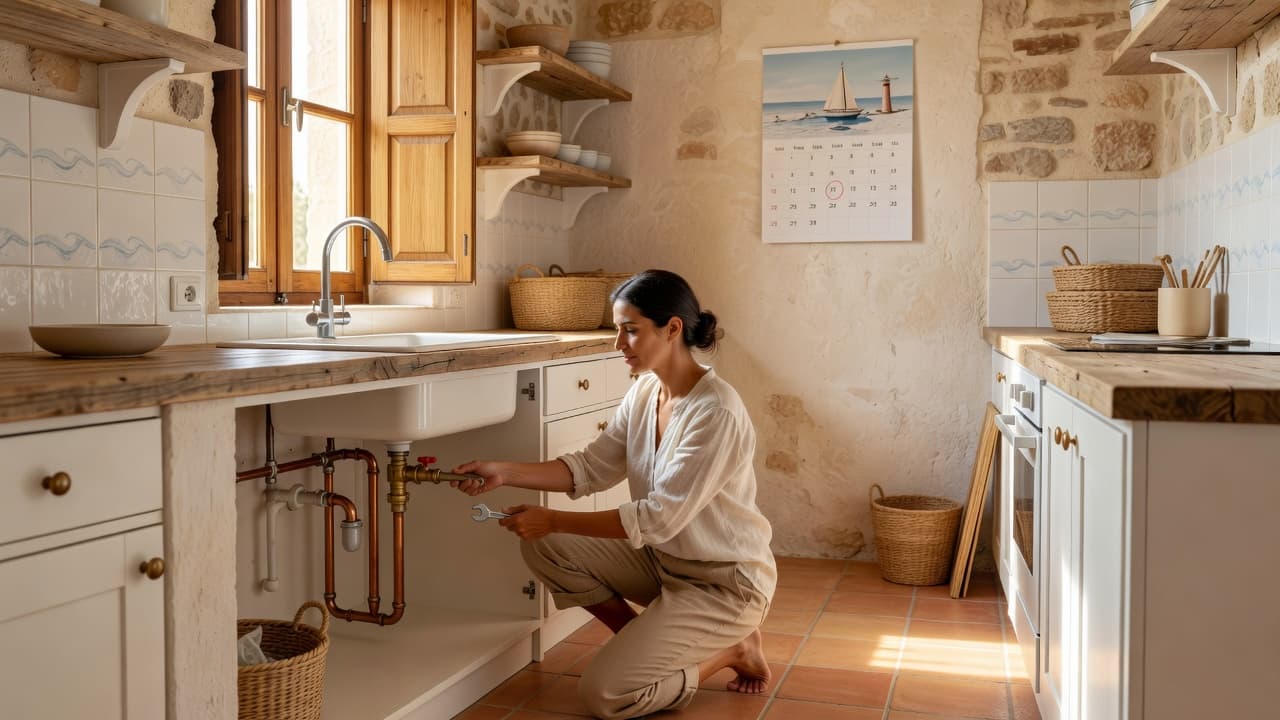
- Ensure both isolation valves are open. Turn the handles so they're parallel to the pipes.
- If the water smells odd or looks discoloured, the tank may need descaling, but run the tap for 30 seconds first to flush any debris.
If you have a gas boiler (caldera de gas):
- Check that the pilot light is lit (you'll see a small blue flame in the viewing window). If it's out, follow the reignition instructions in your boiler manual.
- Make sure the thermostat dial or electronic display is set to a reasonable temperature (usually between 50–70°C).
- Feel the pipes: the flow pipe (salida de agua caliente) should be warm. If it's stone cold, the burner isn't firing.
Temporary workaround:
- If you need hot water urgently and the heater has failed, fill a kettle or large pot and boil it on the hob or stovetop. This is not a solution, but it buys you time until the plumber arrives.
- Do not try to bypass the mixing valve or disable any safety devices. These are there to prevent scalding and damage.
Stop and call a plumber immediately if:
- The heater is leaking water from the tank or pipes. Even small drips can indicate internal failure. Do not attempt to tighten fittings or patch it yourself.
- The pilot light on a gas boiler will not relight after two attempts, or it lights but goes out immediately. This suggests a sensor or gas supply issue.
- The water heater is making loud banging, cracking, or popping noises. This indicates the tank may be damaged or the heating element is failing and could rupture.
- The water coming out of the hot tap is scalding hot one moment and ice cold the next with no change to the tap. A faulty mixing valve is unpredictable and unsafe.
- You smell gas near the boiler. This is a gas leak and is dangerous. Leave the area, open windows, do not use any electrical switches, and call the emergency services or your gas supplier immediately.
- The pressure relief valve (a small brass outlet valve, usually on top or side of the tank) is dripping constantly. This means the tank is under too much pressure and could burst.
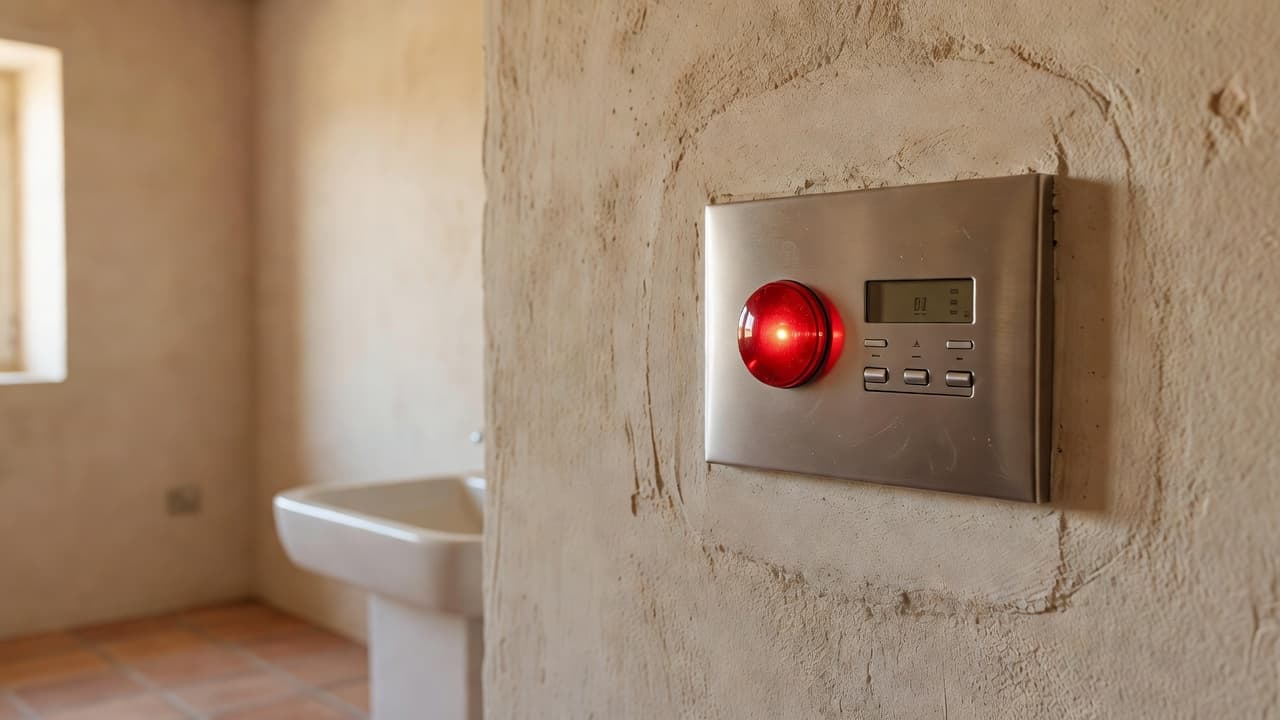
- You have no hot water and the boiler display shows an error code. Do not try to reset it repeatedly. Look up the code in your manual, but if you can't fix it in one attempt, call a professional.
A plumber will start by checking the thermostat setting and the isolation valves — the same things you've done — then move to the underlying cause.
If they suspect a faulty mixing valve, they'll isolate it (close the water supply to it), unscrew the valve from the pipework, and either clean it thoroughly or replace it with a new one if it's damaged. This takes 30–60 minutes and costs between €80–€150 for the valve and labour, depending on how accessible it is.
If the thermostat has failed, they'll test it with a multimeter (an electrical testing device). On an electric tank, they may be able to recalibrate the dial or replace the thermostat sensor. On a gas boiler, a faulty thermostat usually means the whole control unit needs replacement, which is more involved and expensive.
For a blocked hot water pipe, the plumber may flush the system (running high-pressure water through to clear the blockage) or, if the pipe is severely scaled, replace the affected section. They'll advise whether chemical descaling is safe for your specific system.
If the heating element has failed in an electric tank, it needs to be replaced. The plumber will drain the tank, remove the old element, fit a new one, and refill. This takes 1–2 hours and typically costs €120–€200 including parts and labour.
For a gas boiler burner failure, the plumber will usually need to order parts or refer you to an authorized technician for that brand, as some boilers require specialist certification to repair.
Once the repair is done, the plumber should run the tap and confirm that hot water reaches it within 30–90 seconds. They'll also check the pressure gauge on the tank or boiler to ensure it's in the safe range (usually shown as a green zone on the dial). Ask them to write down what they found and what they've fixed — this is your record for insurance or future reference.
Descale the tank every 2–3 years if you live in a hard water area (which includes most of Spain's Mediterranean coast). Scale buildup is the main culprit behind heating failures. A plumber can do this, or you can hire a specialist descaling service. The cost is typically €80–€150.
Maintain the water heater annually. A simple check-up — thermostat test, valve inspection, pressure check — can catch problems before they leave you without hot water. Many plumbers offer a small annual service.
Keep isolation valves accessible. If the valves under the tank are buried behind boxes or furniture, move them. You might need to close them quickly in an emergency.
Monitor for leaks. Any drip from the tank, pipes, or connections is a warning sign. Wipe the area dry, mark the spot with a pen, and check it again after a day. If water appears, call a plumber before it gets worse.
Don't ignore strange noises or smells. A boiler that starts clicking or hissing is telling you something. A gas boiler with a strange smell is a potential safety issue. Get it checked.
If you've checked everything above and the water is still cold, it's time to call a plumber. Contact our qualified plumbers on the Mediterranean coast — they're used to diagnosing heating issues quickly and can arrange a visit to fix the problem. Most issues are sorted within a day.