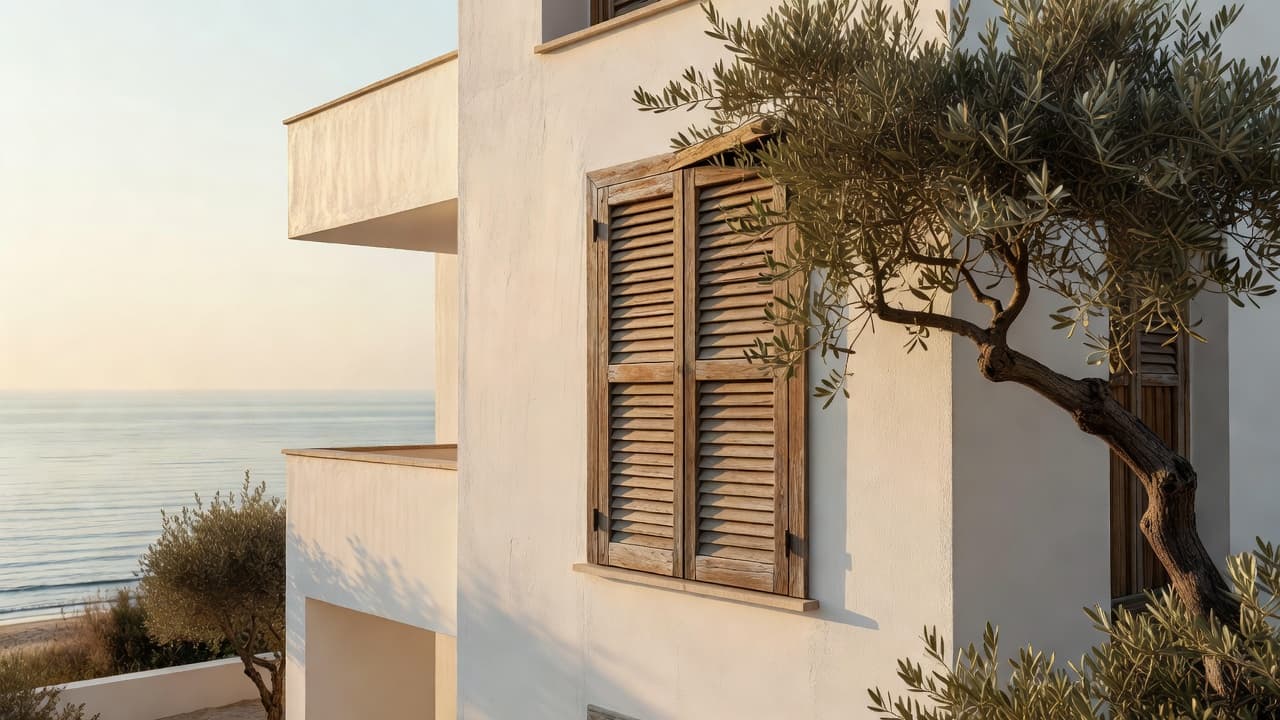
Overhanging branches are common on Spain's Mediterranean coast, especially in older urbanisations or properties with mature gardens. Trees grow naturally without regard to property boundaries. In dense coastal areas — the Costa Blanca, Costa del Sol, or smaller coastal towns — properties are often close together, so a tree planted years ago on one side can easily reach another. Coastal humidity and salt air also encourage vigorous growth.
The branch may simply be resting against your property under its own weight, or it may have grown into that position over months or years. Wind, rain, and the sheer biomass of the tree mean the pressure is constant. Over time, even a lightweight branch can stress a window frame or awning, especially if the fixings are already corroded by coastal salt air.
Prop up the branch gently if it's sagging heavily. Use a wooden post or stake placed under the branch (not under your awning frame — under the branch itself). This relieves pressure on your property. Do not use nails or wire that might damage the tree.
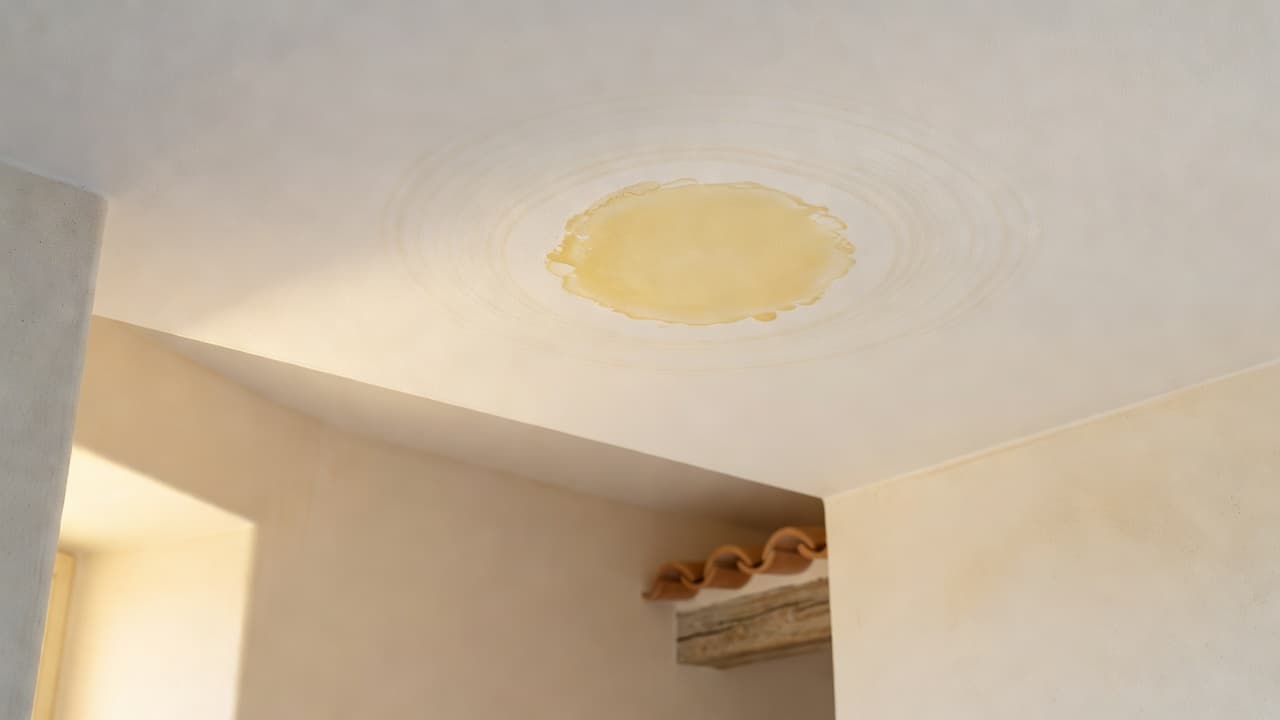
Clear gutters and drainage regularly. If the branch is dropping leaves or debris into your gutters, clean them weekly to prevent blockages and water backup, which could cause damp indoors.
Inspect your window seals. If there's any sign of water ingress, apply a temporary silicone sealant around the frame to buy time until a professional checks it. This is not a permanent fix.
Cover an awning temporarily if the branch is causing fabric damage. Use waterproof tape (duct tape works) to seal small tears and prevent water ingress. Again, temporary only.
Document ongoing pressure. If the situation persists, take photos weekly. This builds a record for insurance or legal purposes.
Do not use poison, saws, or anything that could harm the tree. It's not your property, and you have no legal right to damage it, even if it's causing you a nuisance.
- If the branch is large, thick, or high up: do not attempt to cut it. Professional tree work requires certified equipment and insurance. A falling branch can cause serious injury or death.
- If cutting requires you to climb a ladder or step stool: get a professional. Working at height is a leading cause of home accidents.
- If the branch is visibly stressed or cracked: it may fall on its own. Do not disturb it. Cordon off the area and contact your neighbour immediately, in writing, to warn them.
- If you suspect the branch is harming a power line, water pipe, or gas line: do not touch it. Contact your neighbour and the relevant utility company (electricidad, agua, gas).
- If your neighbour refuses to cooperate and the damage is worsening: do not retaliate by damaging the tree. Contact your insurance company, a lawyer, or your local ayuntamiento (town hall) instead.
- If you have a community (urbanización) and the tree may be on communal land: check with the community administrator first. Trimming it yourself could breach community rules.
If you hire a professional handyman or arborist to assess the situation (or if your neighbour arranges it), they will:
Inspect the branch and your property. They'll check the condition of the branch, where it's making contact with your window or awning, and any damage already done. They'll take their own photographs for documentation.
Assess the risk. They'll determine whether the branch needs trimming back to the boundary line, or whether it should be removed entirely. They'll also identify any damage to the branch itself (disease, cracking, pest damage) that might make it unstable.
Trim or remove the branch safely. Using proper equipment and techniques, they'll cut the branch back to your property boundary (or back to a main trunk if it's causing significant problems). They'll do this in a way that doesn't harm the tree or create regrowth issues. In Spain, there are no strict regulations on when you can trim, but spring and late summer are typical times.
Clear debris and inspect your property. Once the branch is removed, they'll sweep up and inspect your window frame, awning, and any other affected areas. If damage is found, they can refer you to a specialist (glazier for window damage, awning repair for canvas damage) or make a note for your insurance claim.
Provide documentation. A professional will provide an invoice or receipt showing what was done. This is important if you later claim against your neighbour's insurance or pursue compensation.
In Spain, the owner of a tree is generally responsible for damage it causes to a neighbour's property. This is based on the principle of daño (harm) in Spanish civil law. However, you must prove three things:
- The tree belongs to your neighbour (or is on their property).
- The branch is causing damage (you have photographic evidence).
- Your neighbour has been notified and has refused to act or is negligent.
If your neighbour's insurer is involved, send them copies of your photos, the written request you sent your neighbour, and any professional inspection or repair quotes. Some Spanish insurers will cover this under responsabilidad civil (public liability coverage).
If the dispute escalates, consult a lawyer specialising in property disputes (abogado especializado en derecho de propiedad). The cost is usually modest for a letter or initial advice. Many disputes settle quickly once a lawyer is involved.
- Annual inspection: After the branch is trimmed, inspect the boundary between your property and your neighbour's each spring and autumn. Catch new growth early.
- Clear communication: If you and your neighbour get on, a friendly conversation each year about boundary vegetation prevents resentment. Many disputes arise from poor communication, not malice.
- Check your community rules: If you're in an urbanisation, ensure boundary trees are managed according to the rules. The community administrator may have authority to enforce it.
- Consider a boundary inspection: If you're concerned about future disputes, you can formally register property boundaries with the Catastro (Spanish land registry). This costs little and provides clarity.
If the branch is still resting on your property after a reasonable period, or if you're unsure whether the damage justifies professional intervention, contact a professional handyman who can inspect it properly and advise on next steps. They can also help document the situation for insurance or legal purposes. In the Mediterranean, coastal weather and salt air can turn a small problem into a larger one quickly—it's worth addressing sooner rather than later.