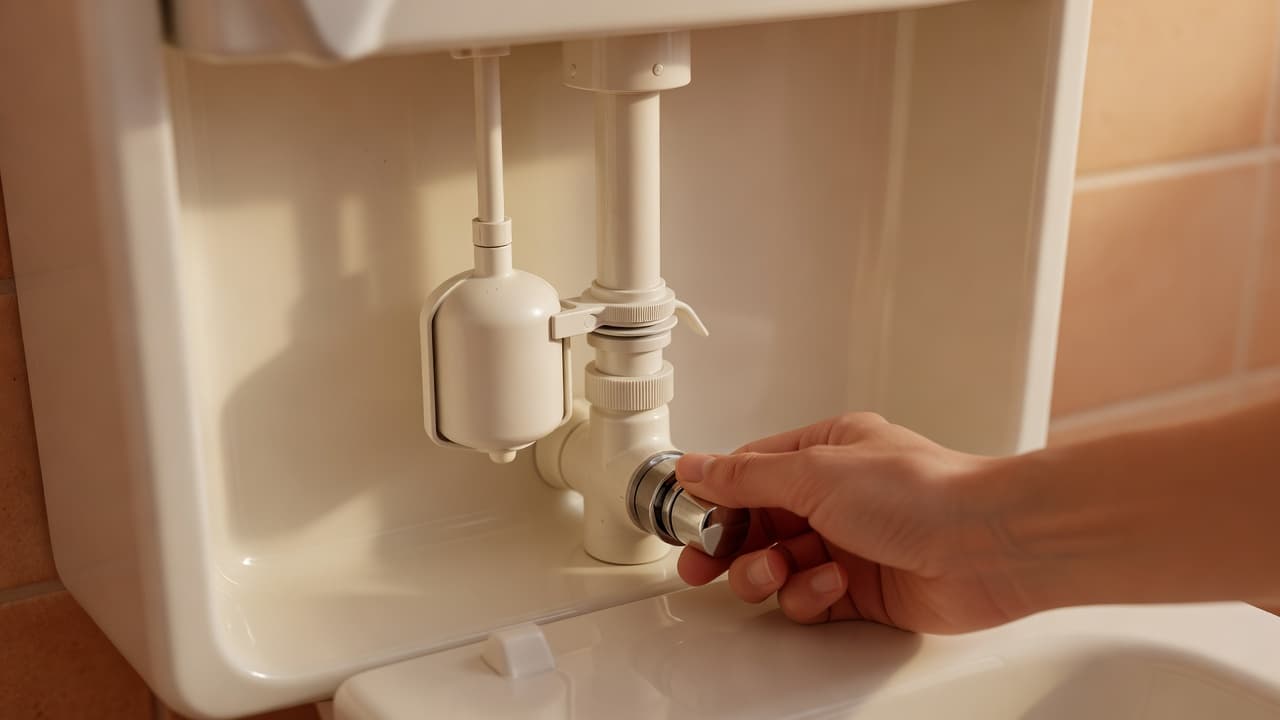
Inside the cistern, a fill valve controls the water flow. When you flush, the water level drops, the float sinks, and the fill valve opens to refill the tank. When the water reaches the correct level, the float rises and the valve closes.
If the toilet keeps refilling, one of three things is happening:
The fill valve is stuck or worn. The valve isn't closing fully, so water leaks slowly out of the cistern into the bowl. The float stays low, triggering endless refills. This is the most common cause.
The float is stuck or damaged. If the float (the plastic ball or cylinder) is jammed or has a crack, it can't rise to close the valve. Water keeps leaking in.
The diverter or internal overflow is leaking. Older cisterns have an internal overflow tube. If it's cracked, water drains down it instead of staying in the tank, triggering constant refills. You'll hear water trickling inside the tank.
None of these problems get better by themselves. The valve or float will wear further, and the wasted water adds up fast — a constantly refilling toilet can waste 200–400 litres daily, roughly the same as taking 20–30 baths.
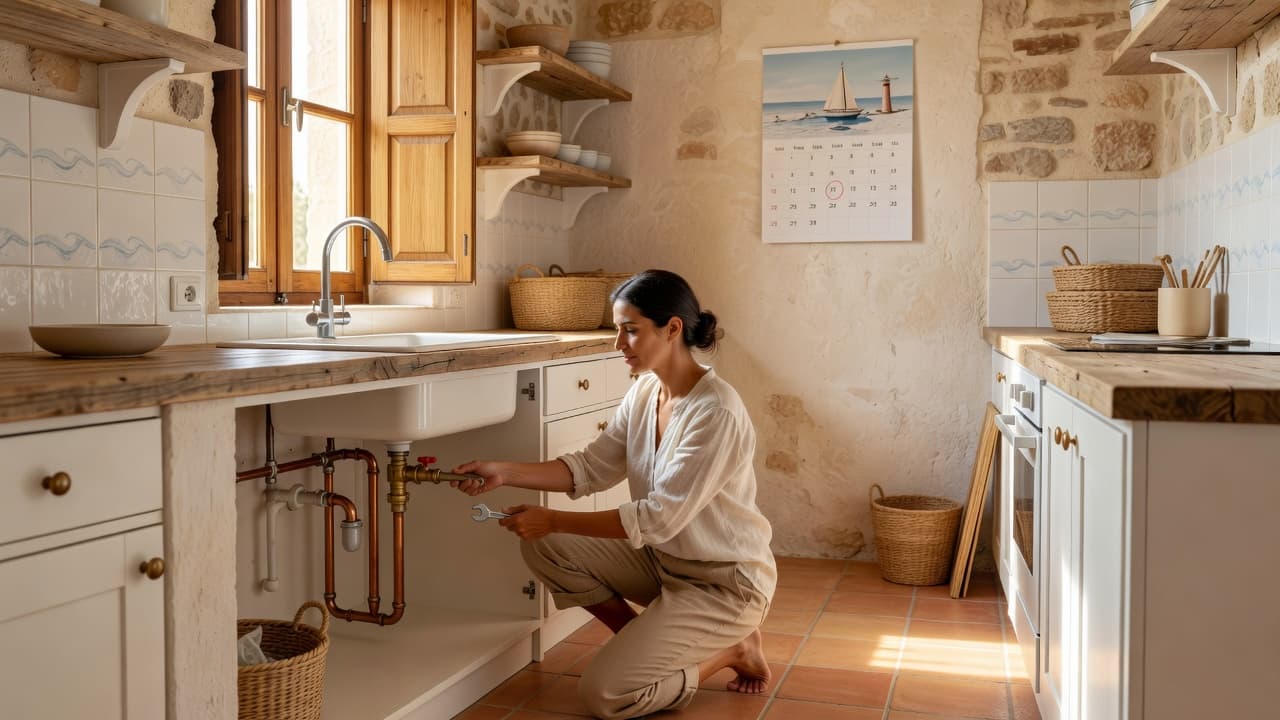
Manual flushing. Once the water supply is off, you can still flush the toilet once, using the water already in the cistern. After that, it won't refill. If you need to flush again, turn the stopcock back on, let the cistern refill once (manually turn off the stopcock when the water reaches the top), and flush. It's not ideal, but it works for a few hours.
Adjust the float. If you're confident, you can try this. Open the cistern lid and look for the float (the ball or cylinder on an arm). Try gently lifting it slightly; if the refilling stops, the float arm might be stuck and needs gentle adjustment. This is a temporary fix only. A plumber will still need to replace the valve or float.
Block the overflow hole. Inside the cistern, there's usually an overflow tube (a hollow pipe in the centre). If water is trickling down it, this is the leak. You can temporarily block the top of the tube with a cloth or foam to redirect the water into the main outlet. Again, temporary only.
Don't try this yourself. Do not remove the fill valve or attempt to clean it with vinegar or other chemicals. The valve is precision-engineered, and you risk breaking it further or introducing particles that clog it completely.
Stop and call the plumber immediately if:
You hear a loud hissing or gurgling noise from the cistern that doesn't stop. This suggests the fill valve is severely stuck and could fail suddenly.
Water is leaking from under the toilet onto the floor. This is not just the cistern refilling; there's a crack or connection failure. Turn off the water supply and call a plumber the same day.
The toilet is part of a communal system (in an apartment or urbanisation). Check your building contract; you may be liable only for the cistern unit itself, and the water company or building manager may need to approve repairs.
You smell gas or see signs of structural damage (soft flooring, discoloration spreading from the toilet base). This is beyond a refilling cistern and needs professional inspection.
The stopcock won't turn or is stuck. Forcing it can break it, which means turning off water to the entire house or calling an emergency plumber. If it's very stiff, gently spray it with penetrating oil, wait 10 minutes, and try again. If it still won't move, leave it and call a plumber.
The plumber will inspect the cistern with the water supply off. They'll examine the fill valve, float, and any visible cracks or corrosion. In 95% of cases, the fix is straightforward: replace the fill valve and float assembly. This takes 15–20 minutes and costs between €150–250, depending on the cistern type.
In older Spanish homes or holiday properties, cisterns can be unusual shapes or have non-standard parts. If yours is over 15 years old, the plumber may recommend replacing the entire cistern unit, which costs €400–600 and takes an hour. They'll advise you if this is necessary.
Once fixed, the plumber will turn the water supply back on, flush the toilet several times to check the new valve, and adjust the float if needed. They should give you a small receipt or invoice noting the parts replaced. Keep this for your property records.
If your home is in a comunidad (apartment complex), the plumber may also advise checking with your building manager about water pressure or supply issues, which can wear out fill valves prematurely.
Check water pressure. High water pressure wears out fill valves faster. If your property is on a high floor in an urbanisation or at the top of a hill, the pressure is often higher than ideal. A plumber can fit a pressure-reducing valve on the main supply if needed (€80–120).
Replace the cistern every 10–12 years. Modern cisterns are reliable, but parts wear out. If your toilet is original to a home that's over 15 years old, budget for a replacement cistern sooner rather than later.
Clean the stopcock annually. If the stopcock is stiff or hasn't been used in years, a half-turn once a month keeps it working smoothly. This also ensures you can shut off the water quickly in a real emergency.
Monitor for drips. Listen to the toilet once a week in the morning, before anyone uses it. If you hear refilling or dripping, call a plumber. Early action is cheaper than waiting for the problem to worsen.
If your toilet is constantly refilling and you've followed the steps above, the problem is contained and waiting for professional help is the right choice. Our professional plumber network across Spain's Mediterranean coast can usually visit within 24 hours. Get a quote for a cistern repair and stop the water waste today.