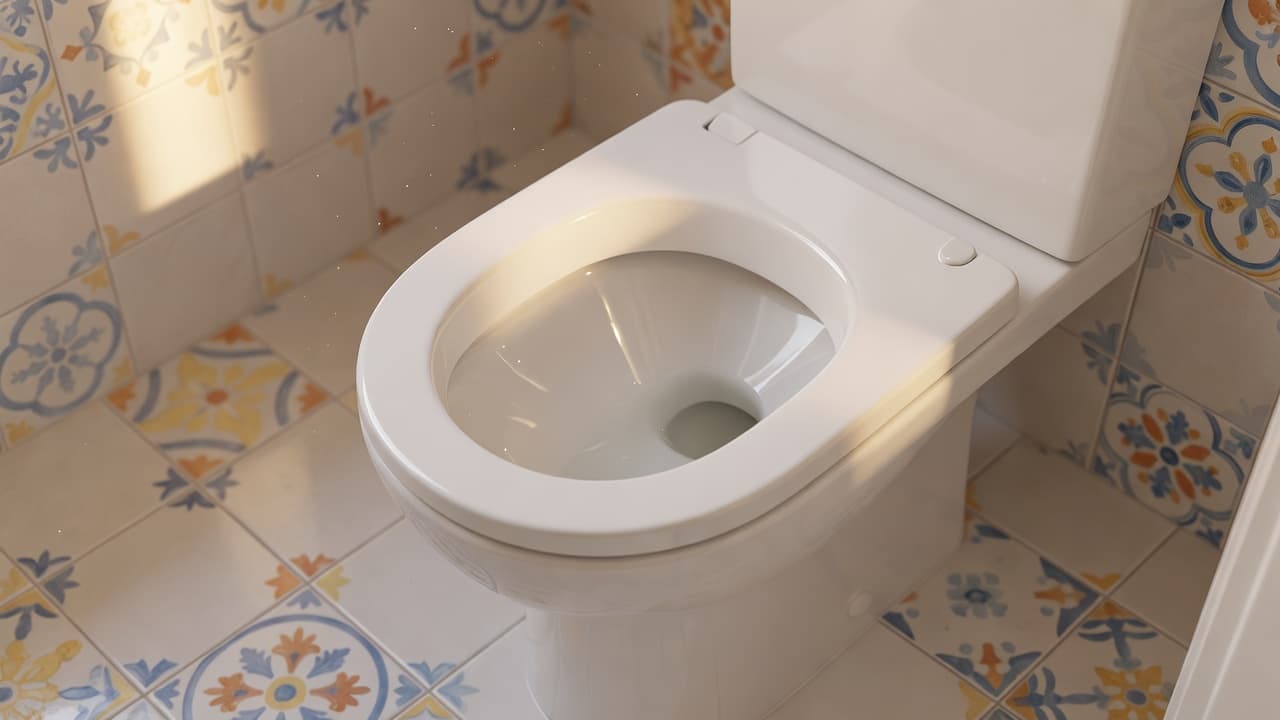
Your toilet won't flush and the water is sitting in the bowl. Before you panic or reach for the phone, there are three safe steps you can take in the next few minutes to stop the situation from getting worse. If the water is rising towards the rim or overflowing, stop flushing immediately and close the water supply valve behind the toilet (usually on the wall at the base). Once you've stopped the water entry, you have time to assess what's happening and decide whether you can clear it yourself or need to call a plumber.
What to do right now
1. Stop flushing immediately
The worst thing you can do is keep pressing the flush button. Each flush adds more water to the bowl, raising the risk of overflow and water damage to your bathroom floor. After the first flush that doesn't work, stop.
2. Locate and close the water supply valve
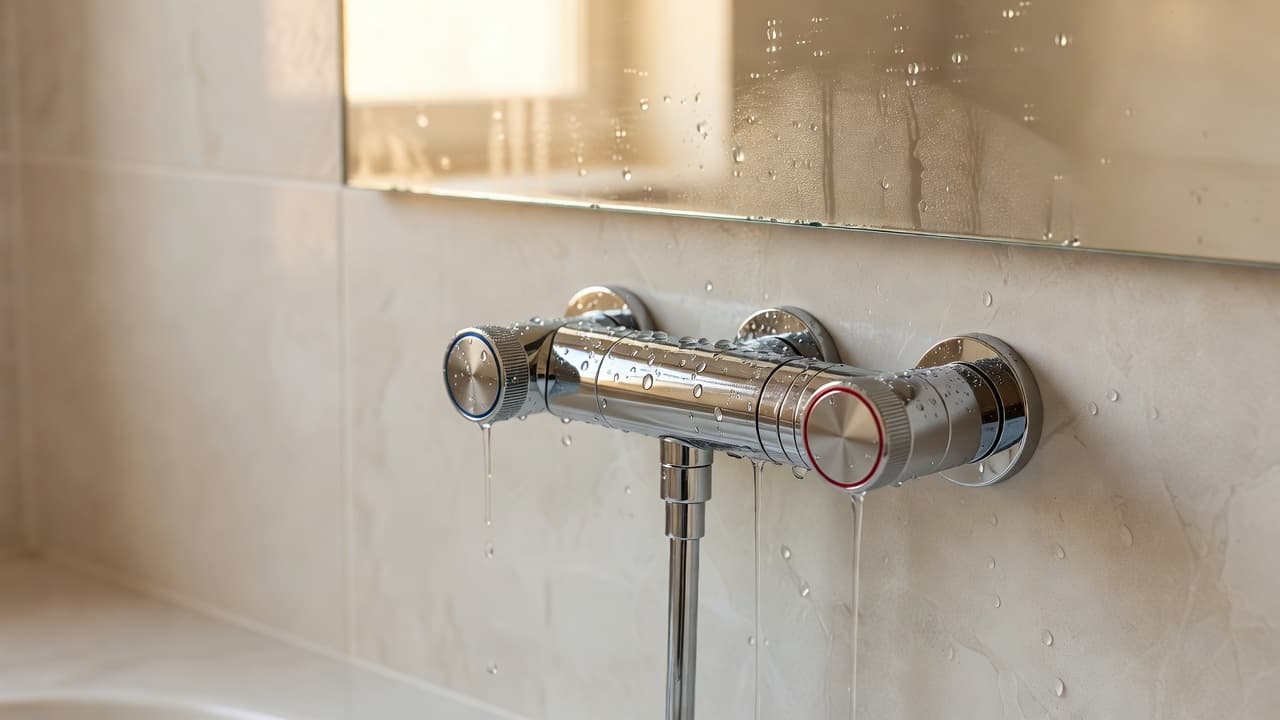
Behind your toilet, at the base where the inlet pipe enters the cistern, there's usually a small tap with a flat or oval handle. This is the isolation valve. Turn it clockwise until it stops. This cuts off water entering the cistern, so even if someone accidentally flushes, no more water will flow into the bowl.
If you can't find it or it won't turn (common in older properties or if it's stuck from lime scale), lift the cistern lid carefully and pull the float arm (the plastic or metal rod that bobs up and down) downwards. This stops water entering. Leave it held down.
3. Check what's in the bowl
Wait a few minutes for the water to settle. Is there a visible object — toilet paper, wipes, a toy, or something else? If you can see it and safely reach it with a disposable glove, remove it. Do not flush. Bin it.
If the bowl is full of water and you can't see anything, there's a blockage further down the pipe. Move to the next step.
4. Leave it for 15 minutes
Sometimes a toilet that won't flush just needs time. Soak a stubborn blockage with hot (not boiling) water poured slowly from a bucket. The heat can help soften paper and grease. Leave it to sit for 15 minutes.
5. Try a plunger
Fill the bowl with enough water to cover a standard plunger cup. Place the plunger over the drain hole at the bottom of the bowl, push down firmly, then pull up sharply. Repeat this action 15–20 times without breaking the seal. You're aiming to dislodge the blockage by creating suction and pressure.
If it starts to drain or water gurgles, stop plunging and flush gently once. If water backs up again, turn off the supply valve and wait for a plumber.
6. Know when to stop
If plunging hasn't worked after 10 minutes of effort, or if water is rising even with the supply valve closed, stop and call a plumber. You've done what you safely can.