A spark occurs when electricity jumps across a small gap where it shouldn't — this is called arcing. Here are the most common causes:
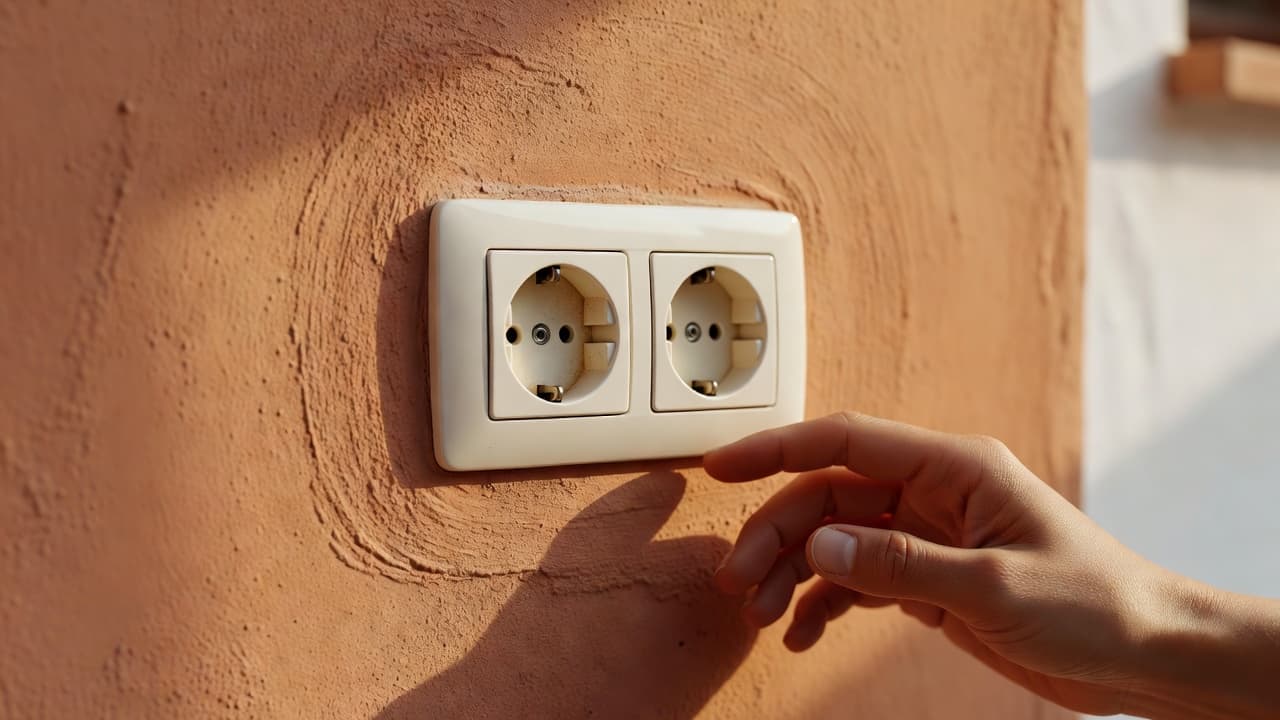
Loose or corroded socket contacts. Every time you plug and unplug an appliance, the metal contacts wear slightly. After years of use, they can become loose or corroded, especially in humid coastal environments. When the plug doesn't make a tight connection, current arcs across the tiny gap, creating a spark.
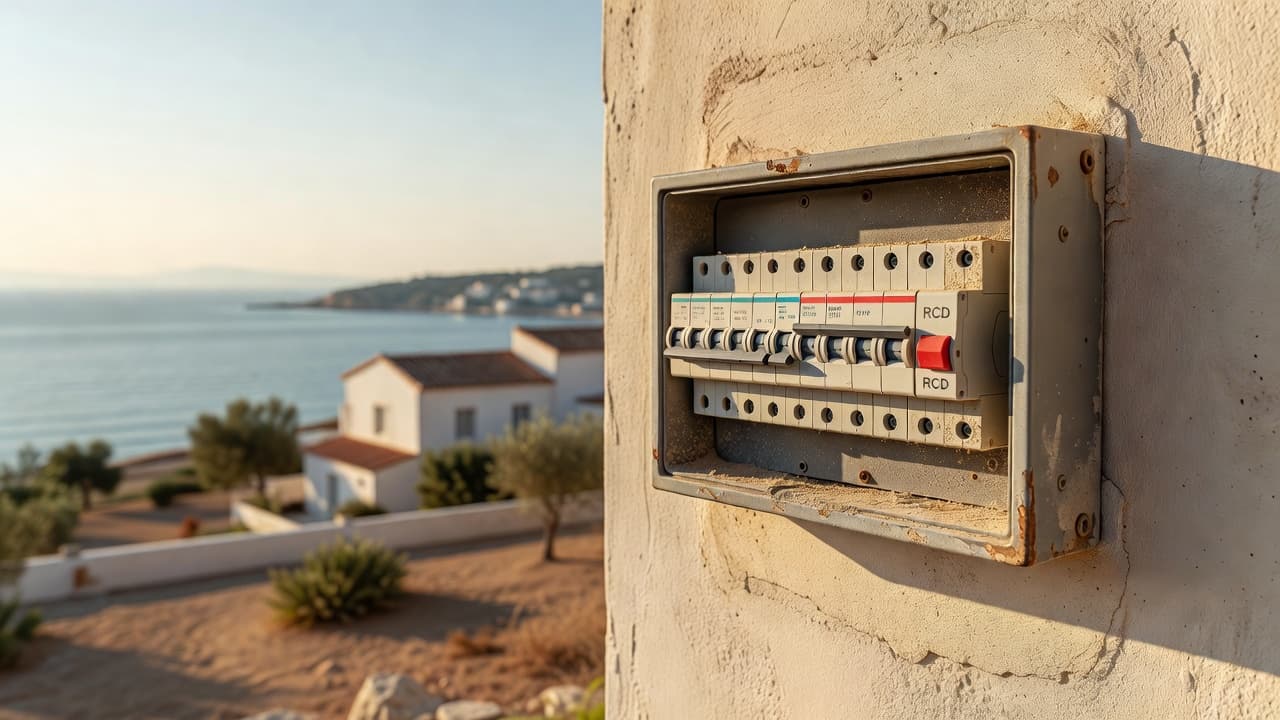
Moisture or salt air damage. If you live on the Mediterranean coast or in an urbanisation near the sea, moisture, humidity and salt in the air corrode the metal inside sockets and plugs. This reduces contact and increases the risk of arcing.
A faulty appliance plug. The three-pin plug itself may have damaged pins, loose internal wiring, or moisture inside the plug housing. If the fault is in the appliance, the spark may appear at the socket because the plug is making poor contact.
An overloaded circuit. If you've plugged many high-power appliances into the same circuit (e.g. a kettle, a heater and a hairdryer), the circuit may be drawing too much current. This can cause arcing at the weakest point — often an old socket.
Damaged earthing (grounding). A fault in the earth wire — the third wire that protects you from electric shock — can cause current to behave unpredictably and spark at the socket.
A fault in the wiring behind the wall. Rarely, the problem lies in the circuit wiring itself, which may have been damaged by damp, rodents, or age.
There are none. Do not attempt a temporary workaround. A sparking socket is not a minor inconvenience — it's a sign of a real electrical fault that must be fixed properly.
Do not:
- Use that socket again "just this once" with a different appliance.
- Try to clean the socket contacts yourself with a cloth or wire brush.
- Wrap the plug in tape to "improve the connection".
- Plug in a different socket and hope it works.
The only safe action is to stop using the faulty socket and contact an electrician.
If you absolutely must use an appliance in that room temporarily (e.g. a phone charger), use a different socket on a different circuit — but ask yourself whether that's really necessary, or whether you can manage without it until the electrician arrives.
Stop and call an electrician immediately if:
- You see sparks, arcing, or flames at the socket or plug.
- You smell burning around the socket, even if you don't see a spark.
- The socket is warm or hot to the touch. This indicates electrical resistance and danger.
- The socket is discoloured, blackened, or melted. This is a clear sign of heat damage.
- Multiple sockets in your home are sparking. This suggests a problem in the main circuit or consumer unit, not just a single socket.
- You hear a loud hum or buzzing from the socket.
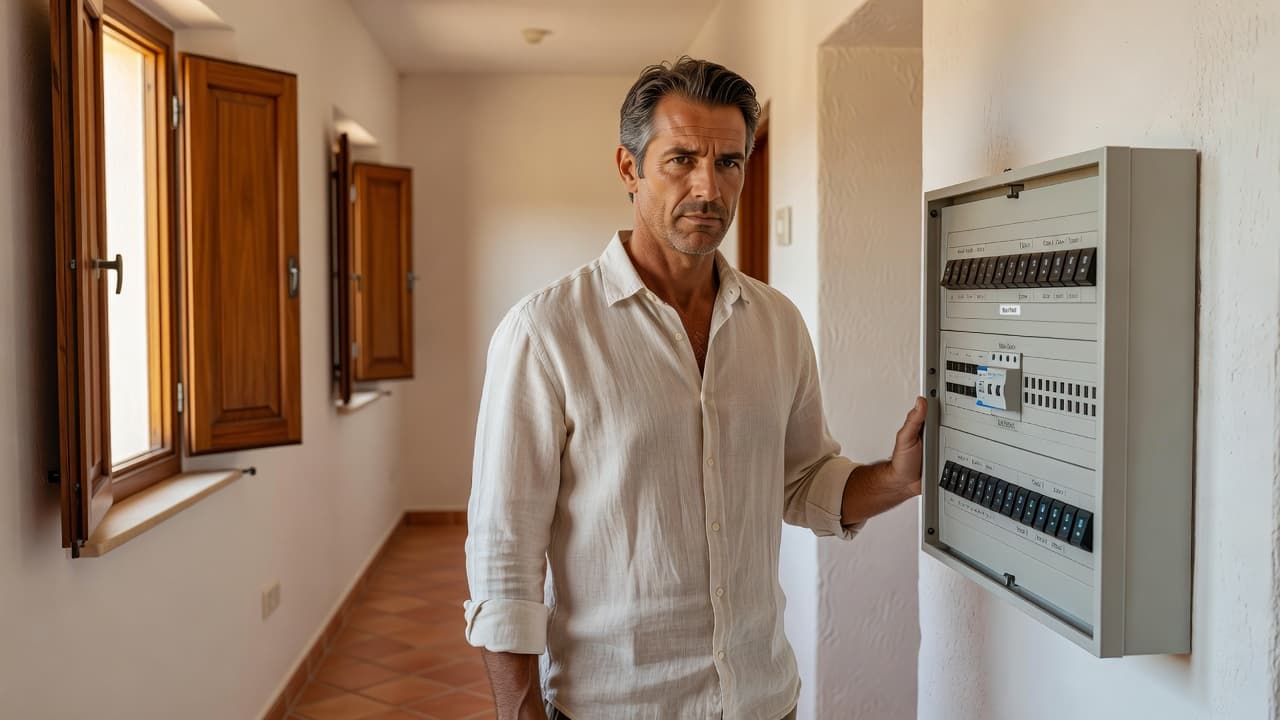
- You're unsure how to turn off the circuit breaker safely. Don't open the consumer unit if you're not confident — call the electrician and describe the problem.
- The appliance plug is visibly damaged (cracked, wet inside, burnt, or with loose wires). This is a fire hazard.
- You've had an electric shock when touching the plug or socket, even a small one. Call an electrician and don't touch that socket again.
In any of these cases, do not wait. Turn off the main switch, do not use the socket, and call a qualified electrician.
A qualified electrician will start by safely isolating the circuit — switching it off at the consumer unit and confirming there's no power with a test meter. They'll then inspect the socket visually, looking for signs of burning, corrosion, or loose connections.
If the fault is in the socket itself, they'll remove it from the wall (this requires turning off the circuit), inspect the wiring behind, and either tighten loose connections or install a new socket if it's damaged beyond repair. A standard socket replacement takes 20–30 minutes and costs roughly €40–80 in labour, plus €3–8 for the socket itself.
If the fault is in the appliance plug, they'll advise you to stop using that appliance. Many plugs cannot be safely repaired — it's better and cheaper to replace the appliance or, if it's a high-value item, to have the plug replaced by an authorised repair centre.
If the fault is in the circuit wiring or the consumer unit, diagnosis takes longer and may require testing with a specialist meter. The electrician will provide you with a quote before proceeding with any work.
Once the repair is done, the electrician should carry out a safety test to confirm there's no earth fault and that the circuit is functioning correctly. If your home is older or was due for a periodic electrical inspection (often recommended every 10 years in Spain), ask the electrician whether now is a good time to arrange one. You may receive an electrical safety certificate (boletín eléctrico) — keep this in a safe place, as it's required if you ever sell the property.
Use quality plugs and appliances. Cheap imported appliances sometimes have poorly made plugs with loose internal connections. If an appliance is old or the plug looks worn, consider replacing it before it becomes a hazard.
Don't overload circuits. Avoid plugging multiple high-power appliances (heaters, kettles, air conditioning units, tumble dryers) into the same socket or power strip. Spread them across different circuits if possible.
Keep sockets dry. If you live near the coast, moisture can accumulate inside sockets. Make sure bathroom and kitchen sockets are not exposed to direct water spray. Consider installing splash-proof socket covers in damp areas.
Unplug appliances when not in use. This reduces wear on the socket contacts and is also safer.
Have old sockets inspected. If your home is over 20 years old, or if you've noticed sockets becoming warm or discoloured, ask an electrician to inspect them. Replacing a few worn sockets is far cheaper than dealing with a fire.
If you've seen a spark when plugging in an appliance, don't ignore it. Find a qualified electrician in your area. They'll diagnose the fault quickly and make sure your home is safe. A few hours of inconvenience now is worth avoiding an electrical fire later.