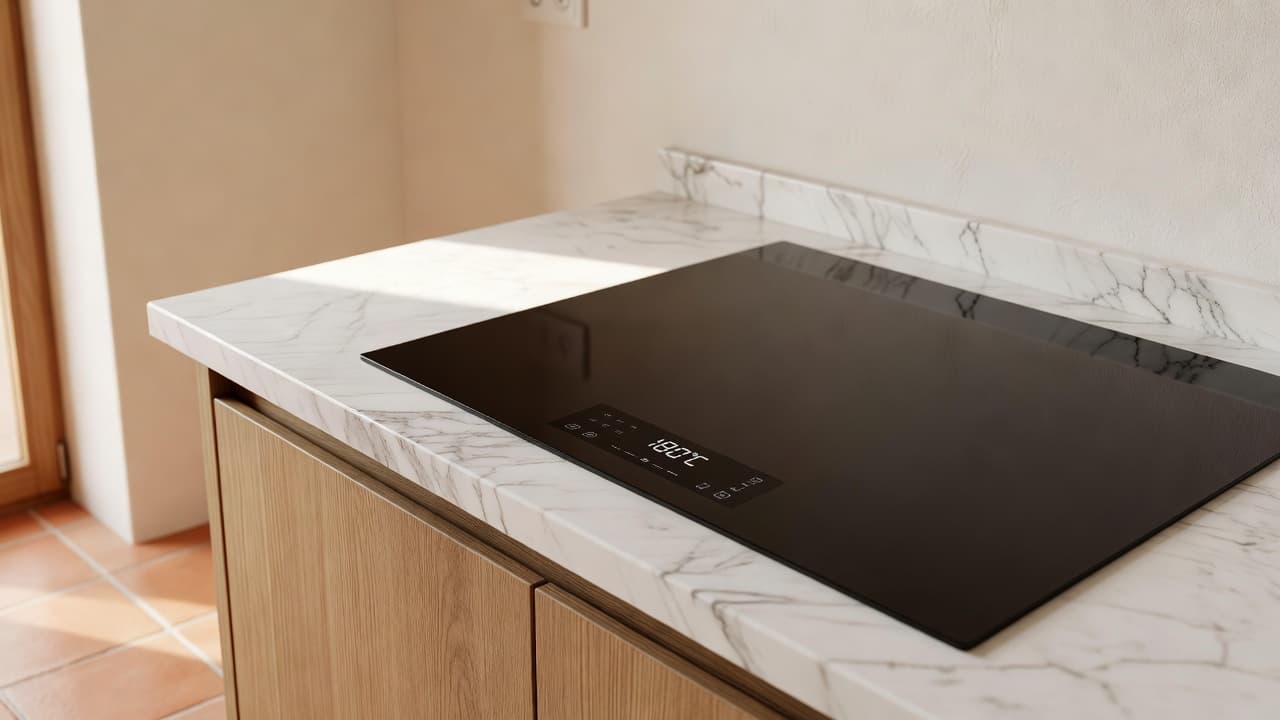
When the display is on but nothing heats, the fault is usually electrical, not a cooking problem. Here are the most common causes:
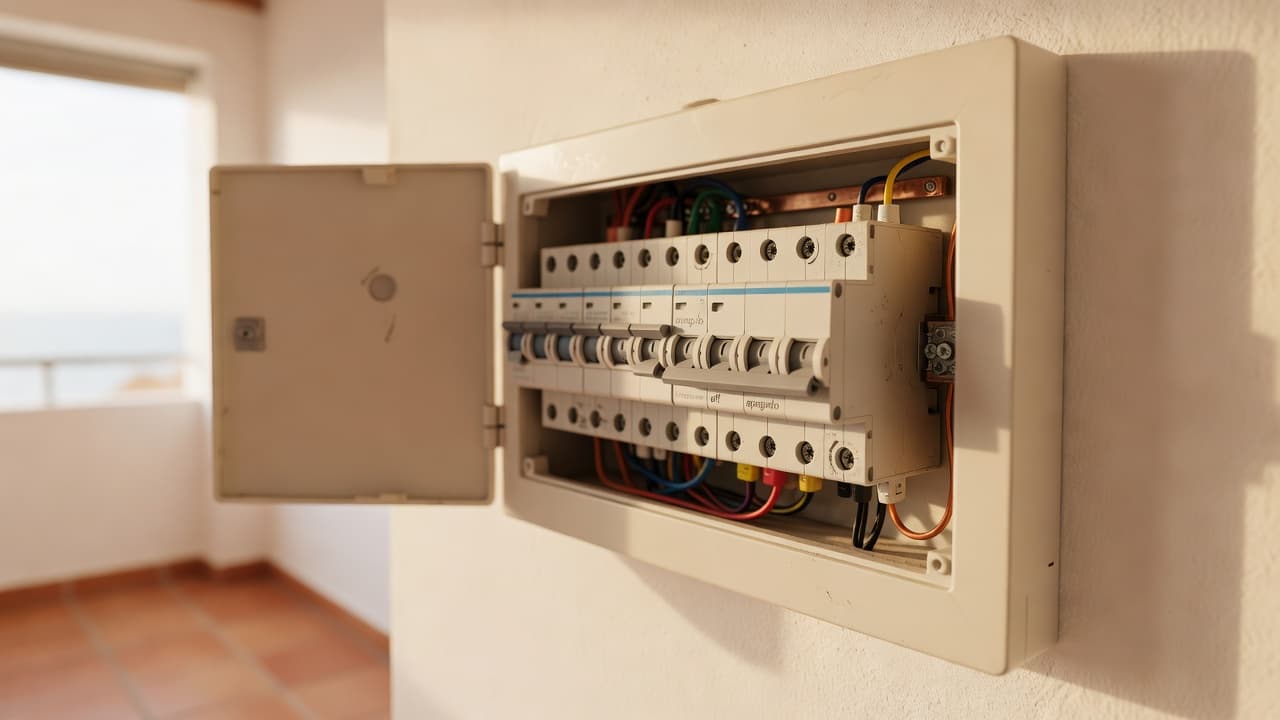
Tripped circuit breaker or RCD. Your hob has its own circuit in the consumer unit (the electrics cupboard). If too much power was drawn, or if there's a minor fault, the protective switch trips to cut off power. The display might still glow from residual power or a backup circuit, but the heating elements get no current. Switching it back on at the fusebox usually fixes this—unless it trips again immediately, which means a professional is needed.
Loose or corroded wiring. Hobs use heavy electrical current (typically 16–32 amps). If wiring connections inside the hob or at the wall socket have come loose or corroded (especially in humid coastal homes), the hob can't draw enough power to heat. The control board still has power, so the display lights, but the heating elements don't activate.
Control board fault. Modern hobs have a circuit board that manages power to the heating zones. If this board fails, it might still show a display (powered by a small secondary circuit) but won't send power to the elements. This requires professional repair or replacement.
Failed heating element (coil or induction module). On electric hobs, a single coil can burn out while the hob frame still receives power. On induction hobs, the module under one zone can fail. The display is fine, but that zone stays cold.
Power socket or plug fault. If your hob is a portable model plugged into a socket, the socket might be faulty or the plug damaged. The display—which draws very little power—can still work, but the heating elements—which draw much more—can't activate.
If only one zone doesn't heat: use the other zones normally. Many homes have a multi-zone hob, and it's perfectly safe to cook on the working zones while one is out of action. Just make a note of which zone failed so you can tell the electrician.
If the hob is brand new and cold after a hard reset: it might be set to a demonstration or 'showroom' mode. Check the manual for a setup code or demo mode bypass. Modern hobs sometimes ship in this state.
If it's a built-in hob and you can't unplug it: look for an isolator switch (a small on/off switch) mounted near the hob on the kitchen wall or underneath. Switch it off, wait 10 seconds, and switch it back on. This is the safe way to reset a hardwired hob. If there's no isolator, don't open the fusebox yourself—wait for the electrician.
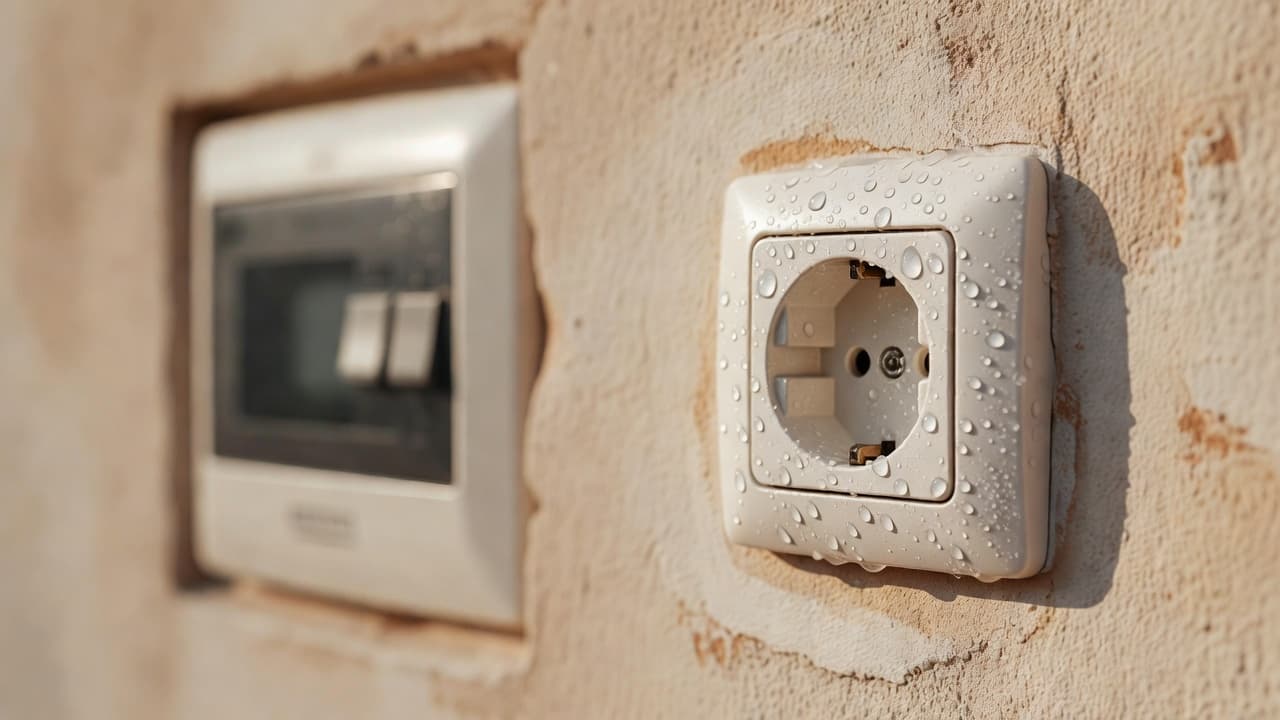
If the plug looks wet or the socket smells odd: don't plug anything back in. Leave it unplugged and call an electrician. Moisture around high-power sockets is a fire hazard.
Stop immediately and call a professional if:
The circuit breaker trips again the moment you switch it back on. A repeated trip signals an electrical fault inside the hob or wiring that needs diagnosis. Switching it back on repeatedly can damage the circuit.
You smell burning, see scorch marks, or notice the plug is hot to the touch. Cut off power at the consumer unit and don't use the hob again until it's checked. Call an electrician the same day.
The display shows an error code that doesn't clear after a hard reset. This means the hob's internal diagnostics have detected a fault. It won't be fixed by checking settings.
You're not sure which switch in the fusebox controls the hob. If you flip a switch and the kitchen lights go out, flip it back immediately and stop. Call an electrician instead—they'll identify the right circuit safely.
The hob is hardwired (no plug visible) and you're uncomfortable opening the cupboard or flipping switches. Some people are confident with fuses and switches; others aren't. If you're unsure, call someone. It's not worth a shock or a fire.
A qualified electrician will start by testing the power supply to the hob using a multimeter (a diagnostic tool). They'll check whether the circuit breaker is holding and whether the correct voltage is reaching the hob. If power is getting there, they'll open the hob (if safe to do so) and test the internal wiring and components.
If the fault is a tripped circuit that won't hold, they'll investigate what caused the trip. Sometimes it's a one-off surge from a storm or a plug that was faulty. Sometimes it's a genuine fault in the hob that needs the unit replaced or repaired by the manufacturer.
If the fault is inside the hob—a burned-out element, a failed induction module, or a broken control board—they'll advise whether repair or replacement is more cost-effective. They'll also provide a receipt (factura) and, if applicable, a certificate of work (boletín eléctrico) for your records, especially if any wiring has been modified.
The whole process usually takes 30–60 minutes on site.
Don't overload the circuit. Avoid running the hob on maximum power at the same time as other high-power appliances (oven, washing machine, air conditioning). If your home is in an older Spanish urbanisation or rural area, the electrical system might be less robust than you're used to, and overload trips are common.
Keep the hob and its socket dry. Humidity from cooking or coastal sea air can corrode connections. Wipe spills promptly. If the socket is under the hob or nearby, make sure steam doesn't reach it.
Have the electrics checked if this is a holiday home. If your hob is in a second home that's empty for months, damp can settle in the fusebox or socket. A quick inspection by an electrician every 1–2 years prevents problems.
Don't attempt to modify the hob's wiring or plug yourself. If you need to move the hob or change the socket, hire an electrician. Improper wiring is a common cause of nuisance trips.
If your hob still won't heat after these checks, or if you've spotted any warning signs above, get in touch with one of our electricians. They're experienced with hob faults across the Mediterranean coast and can diagnose and fix the problem quickly.