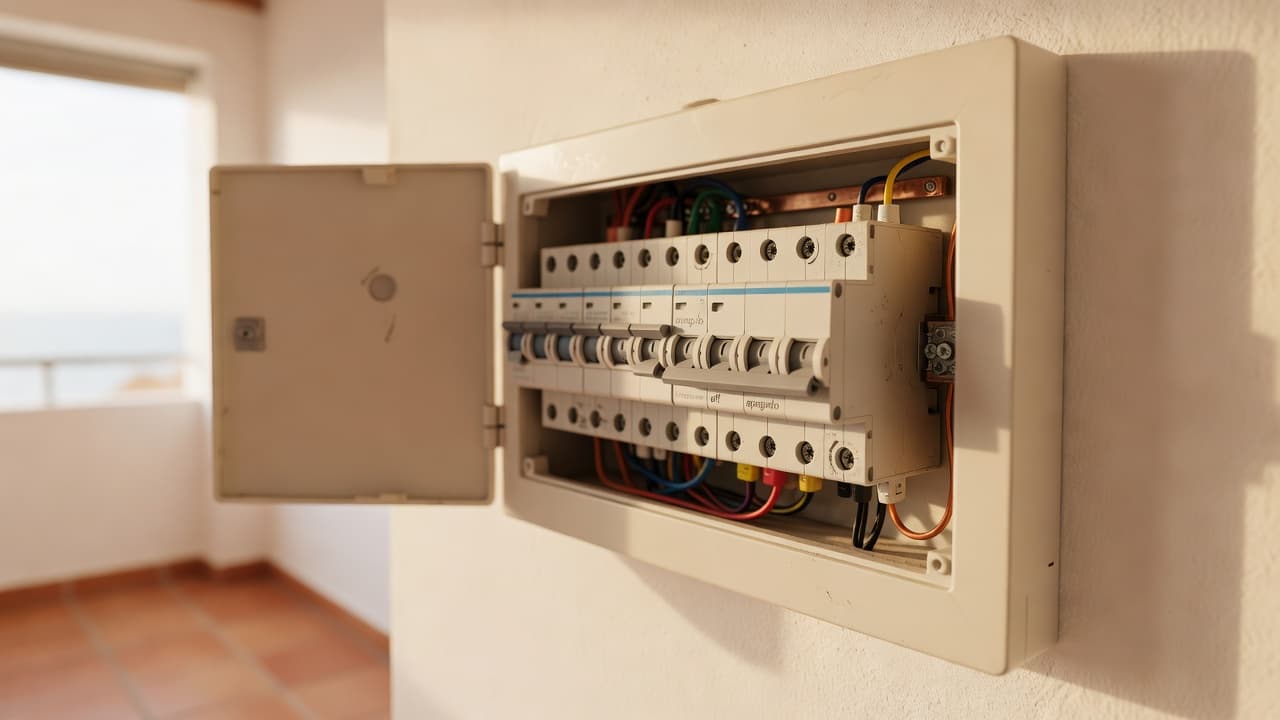
Your RCD detects earth faults — electricity leaking to ground when it shouldn't. When it senses that leak, it cuts the power instantly. This is why your lights go out. It's not a malfunction; it's a safety feature working as designed.
The leak usually comes from one of these:
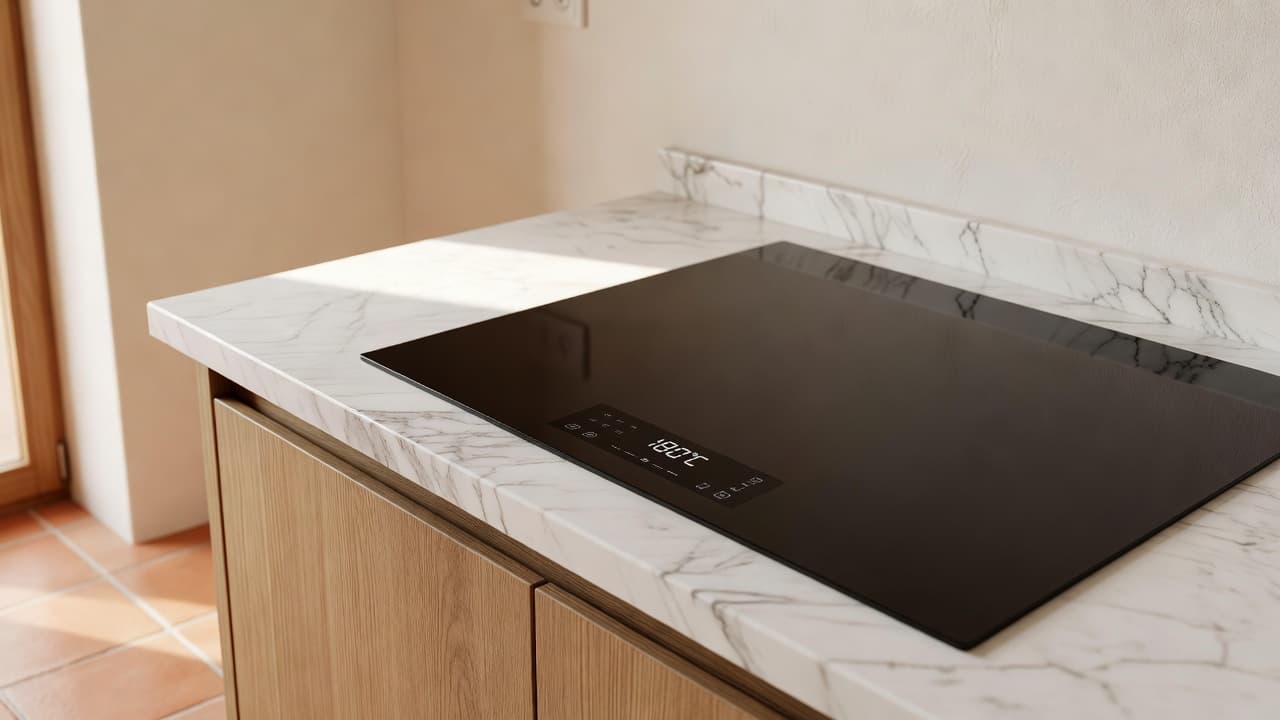
A faulty appliance. A damaged wire inside a kettle, a cracked element in a heater, wet insulation in a washing machine — anything with a live wire touching the casing or touching water creates a leak to earth. This is the most common cause and the easiest to fix (bin the appliance).
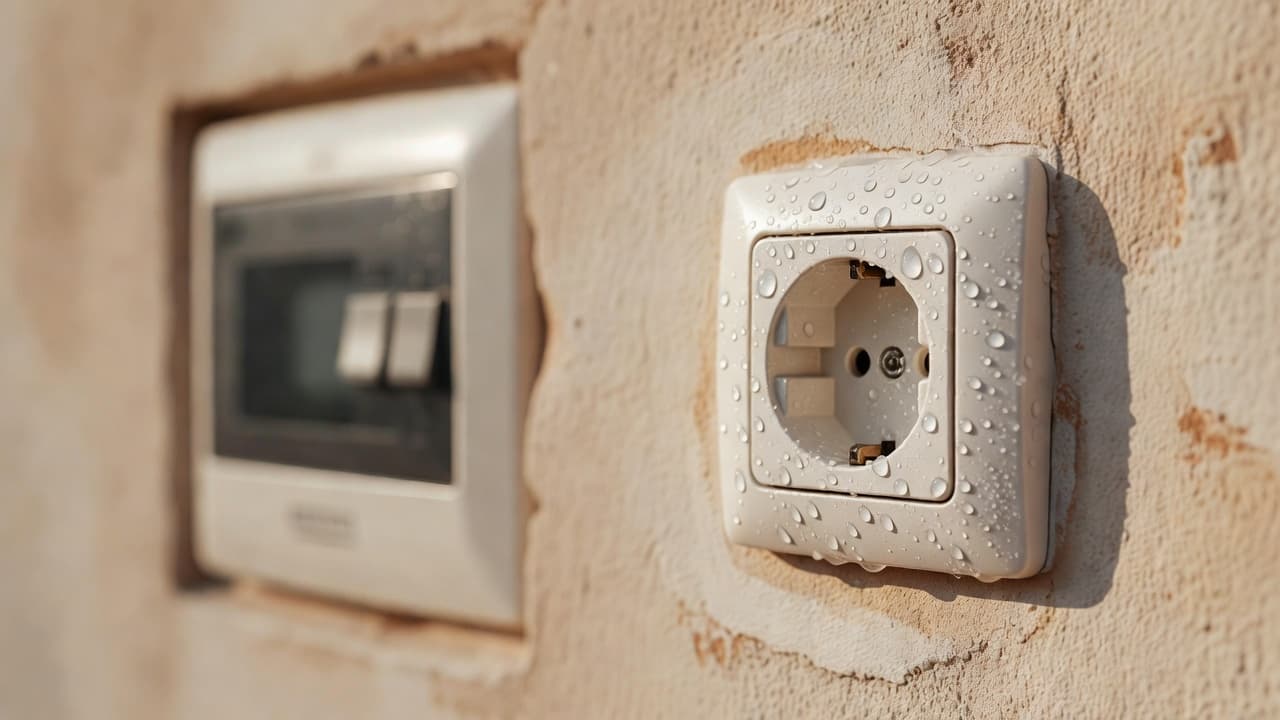
Water and damp. Moisture in your walls, around sockets, or inside conduits creates a path for electricity to leak to ground. This is especially common in coastal properties where salt air corrodes wiring, or after flooding, burst pipes, or leaking roofs. It's serious because it also risks fire.
Damaged wiring. A rodent bite, building damage, or deterioration in old cables can expose live wires. This is rare in most homes but needs urgent professional attention.
A faulty RCD itself. Sometimes the RCD is oversensitive or failing. This is less common but possible, especially if the unit is old.
Keep the RCD off until they arrive. Yes, you'll have no power to that circuit, but at least you've avoided the risk of the fault worsening or causing a fire.
If you must have power to part of your home, ask the electrician to isolate just the faulty circuit and leave the others on. Many Spanish consumer units have separate RCDs for different circuits (lighting, sockets, kitchen, boiler). If yours does, leave the faulty one off and keep the others on.
Move essential appliances to a different circuit if you have a multi-circuit consumer unit. But don't create a tangled mess of extension leads across the house — that defeats the safety object.
Do not attempt to dry out the installation yourself with a hairdryer or heater. Call the electrician.
Do not open your consumer unit. The cover protects you from live components inside. Opening it risks electrocution. Leave it closed.
Do not test the RCD with a screwdriver or metal object. The "test" button on the RCD itself is safe to press — it deliberately triggers a fault to check the RCD works. But do not probe the terminals or touch anything else.
Do not use an extension lead or multiple adaptors to bypass the RCD. This removes your protection entirely and is a fire risk.
Do not assume a constantly tripping RCD is "just an annoyance". It's a warning. Ignoring it risks electrocution or fire, especially in damp conditions.
Do not leave the RCD off for weeks. You're unprotected. Call an electrician within a day or two.
Do not try to "cure" it with a different appliance. If the RCD trips when you plug in your old heater, do not simply buy a new heater and assume the problem is solved. Something in your installation is faulty. The new heater might work, but the fault is still there, waiting for the next appliance to trigger it.
Stop if: the RCD trips when nothing is plugged in and no water or damp is visible anywhere; the RCD is more than 20 years old; the RCD has tripped and won't reset at all (even with nothing plugged in); you smell burning or see scorch marks around sockets or the consumer unit.
All of these are reasons to call an electrician today and, if you smell burning, turn off the main stopcock (llave de paso general) and consider leaving the property until they've checked it.
A qualified electrician will first ask you what happened and when. Tell them everything: what appliance was plugged in, whether it was raining, whether damp appeared recently, how many times you reset it. This helps them narrow down the cause.
They'll use a specialist tool (a megohmmeter or insulation tester) to measure the resistance between live wires and earth throughout your installation. This shows them where the leak is and how bad it is. It's not dangerous — it's a safe diagnostic check.
If the fault is an appliance, they'll confirm it and you can dispose of it.
If the fault is in the wiring or the consumer unit itself, they'll identify whether it's a damaged cable, a faulty socket, corrosion, or a failing RCD. Once they know, they'll explain the repair and the cost. In Spain, electricians are required to provide a written certificate (an electrical safety certificate or boletín eléctrico) once the work is complete. This documents the repair and proves the installation is safe. Keep it.
Some electricians may suggest replacing the entire consumer unit if it's old or heavily corroded (common in coastal areas). This is not always necessary, but if the unit is 30+ years old or showing rust and moisture inside, it's worth considering. A new unit costs €400–€800 but gives you peace of mind and modern safety standards.
Inspect your sockets and switches regularly. If you see discolouration, scorch marks, or corrosion, especially near the coast or in damp rooms, report it to your electrician. Early signs of trouble can be fixed before they become dangerous.
Don't let water or damp sit. If a pipe leaks or a room gets very damp (common in bathrooms without extractor fans, or ground-floor flats after heavy rain), dry it quickly and find the source. Damp is an RCD's enemy.
When you buy appliances, look for a CE mark and a plug with a three-pin design. Cheap or very old appliances are more likely to have worn insulation. It's not worth the risk to save €10.
Avoid overloading circuits with cheap extension leads and adapters. Each socket has a limit. If you're constantly needing more outlets, ask an electrician to add a proper new circuit.
In coastal homes, consider occasional professional checks. Salt air corrodes copper and insulation faster than inland. A yearly inspection of your consumer unit and main circuits is a good insurance policy.
If your RCD keeps tripping, the cause is almost certainly fixable — usually an appliance you can replace, or a small repair a professional can handle in an hour. But the important thing is not to ignore it. An RCD that won't stop flicking is your home's electrical system asking for help. The sooner you listen, the safer you and your home will be.
Contact a qualified electrician today. Describe the tripping pattern and when it started. Most can visit within 24 hours for a diagnosis.