A smoke alarm with a low battery doesn't stop working — it reminds you by beeping every 30 seconds or so. This is intentional. The system wants you to change the battery before the battery dies completely and leaves you unprotected. It's annoying, but it's working as designed.
Dust inside the smoke alarm can trigger the optical sensor (the part that "sees" smoke particles). Similarly, humidity from a shower, kitchen steam, or coastal salt air can accumulate inside the chamber and cause false beeping. This is especially common in Mediterranean bathrooms and kitchens.
Most smoke alarms have a lifespan of 10 years. After 10 years, the sensor becomes unreliable, even if the battery is fresh. When an alarm reaches end-of-life, it will beep intermittently to tell you to replace the whole unit, not just the battery. Check the manufacture date on the back of your detector.
If your alarm is wired directly into the electrical circuit (common in newer Spanish properties and urbanisations), it has a backup battery inside for when the power goes out. If this battery is low, the alarm will beep. Replacing this battery or resetting the alarm may require an electrician.
If the battery replacement didn't work, try these before calling anyone.
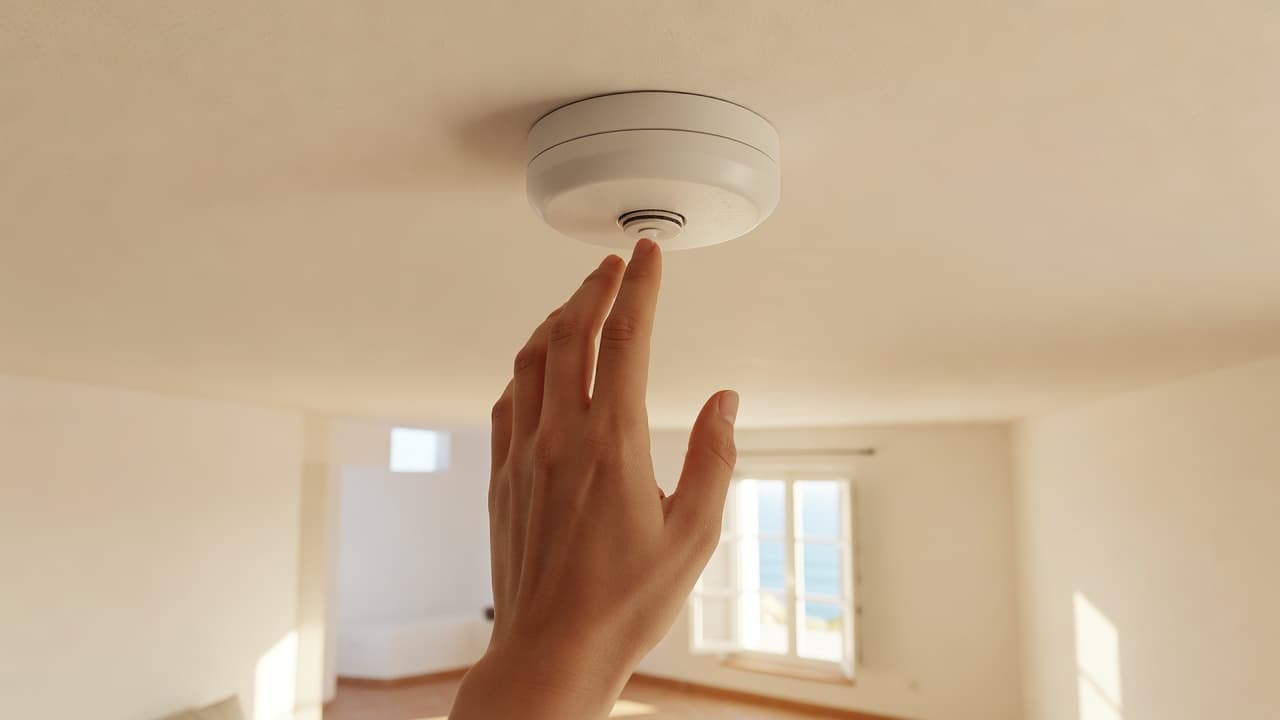
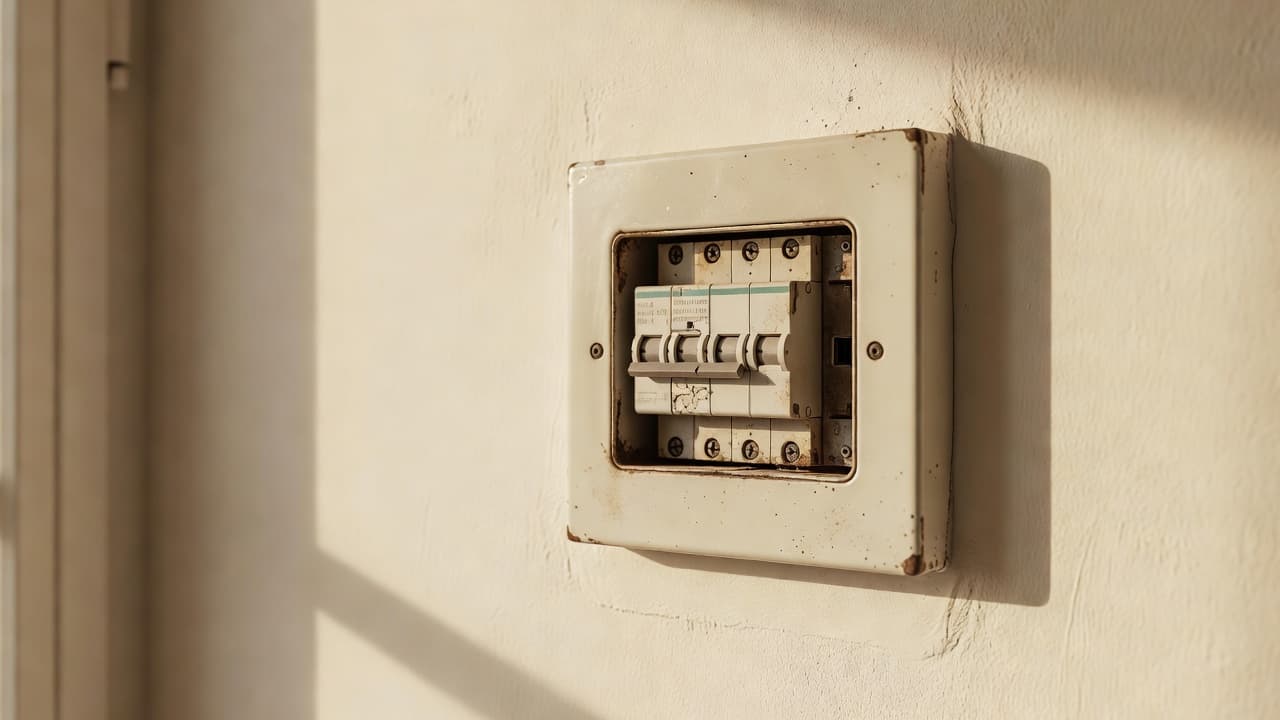
Clean the detector. Dust accumulation is a frequent cause of false alarms in homes with salty sea air or dry summers. Turn off the alarm (if hardwired, trip the breaker switch or remove the battery). Use a dry cloth or a vacuum cleaner with a soft brush attachment to gently clean the front grille and vents of the detector. Do not use water or spray cleaners. Refit the battery (if you removed it) and test again.
Check for steam sources. If the alarm is in or near a bathroom or kitchen, humidity from hot showers or cooking can trigger it. Improve ventilation — open windows, use the extractor fan, or leave the bathroom door open. Wait a few hours for humidity to clear, then test the alarm again.
Check that the battery is inserted correctly. Remove the battery, wait 10 seconds, then reinsert it, checking that the + and − symbols align with the markings inside the compartment. Sometimes a battery inserted the wrong way around can cause intermittent beeping.
Reset the alarm. Some alarms have a small "reset" button or pinhole. Check the manual (or search the model number on the manufacturer's website). Press the reset button, wait 30 seconds, then replace the battery and test.
Stop and call an electrician if:
The alarm is hardwired (connected to the mains electricity, not just battery-powered) and still beeps after you've pressed the test and reset buttons. A hardwired alarm with a faulty backup battery or a wiring issue needs professional attention.
Multiple alarms throughout the house are beeping simultaneously. If you have a networked system (alarms that trigger each other), a fault on the main line or circuit breaker can cause this. This is beyond DIY.
The beeping is loud and continuous, not a chirp every 30 seconds. If the alarm is sounding as if there's a real fire (loud, urgent, continuous), evacuate immediately. Don't investigate. Get everyone out of the building and call the emergency services (112 in Spain).
The alarm is damaged, cracked, or wet. Water damage or physical damage to the casing means it should be replaced, not repaired.
You can't access the battery because the alarm is mounted on a high ceiling and you don't have a ladder, or you're physically unable to reach it. A handyman or electrician can help.
The beeping continues for more than a few hours after battery replacement and cleaning. At this point, the detector itself may be faulty and needs replacing.
If you call an electrician (usually necessary only for hardwired alarms or multiple-alarm systems), they will:
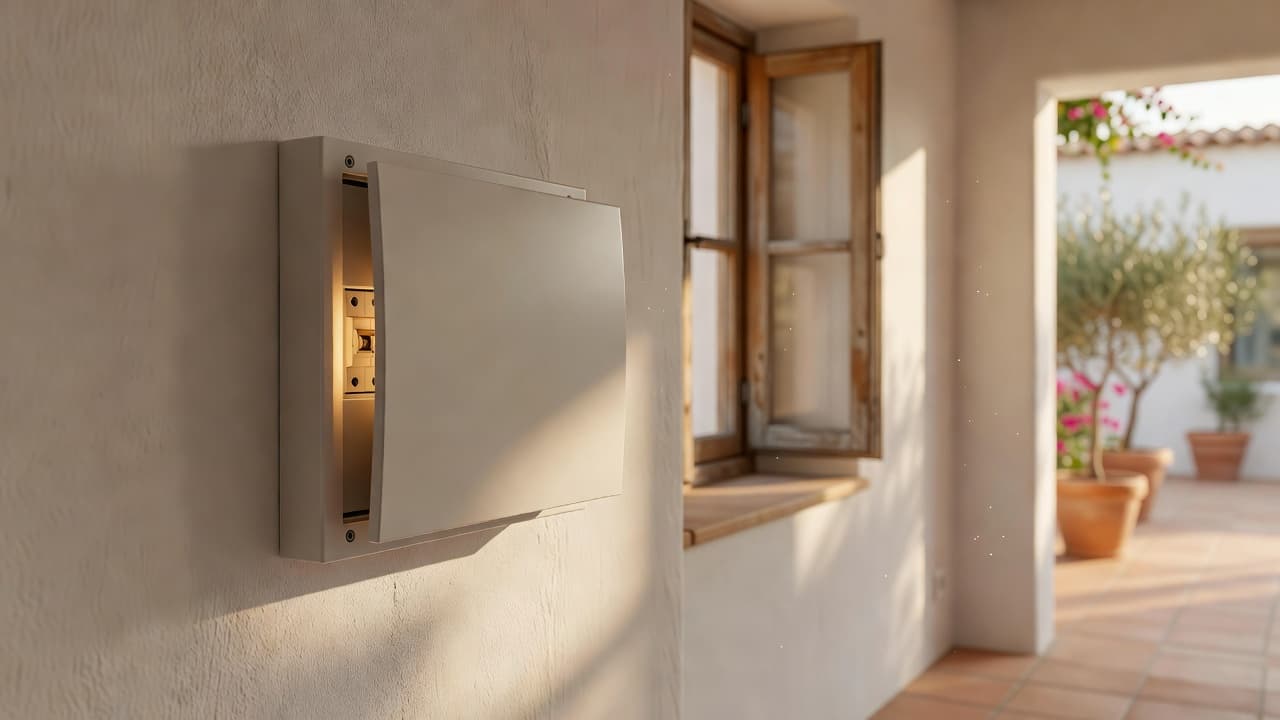
Identify the type of alarm. Battery-powered, hardwired, or a networked system connected to the main consumer unit (cuadro eléctrico).
Test the circuit and wiring. If it's hardwired, they'll check that the mains supply is reaching the alarm correctly and that there are no loose connections.
Replace the backup battery or the entire unit. Hardwired alarms have a rechargeable backup battery. If it's failed, it needs replacing. If the alarm itself is over 10 years old, they'll recommend a full replacement.
Reset the system. They'll clear any fault codes, test the alarm, and ensure all networked alarms are synchronised.
Hand you documentation. For safety, they'll provide confirmation that the alarm has been tested and is working. Keep this for insurance purposes.
The cost of replacing a single smoke alarm battery or cleaning is negligible. If the alarm itself needs replacing, expect to pay €20–€50 for a standard detector, plus €40–€100 for an electrician's call-out if you go that route. However, 90% of beeping alarms are solved with a new battery in under five minutes.
Replace batteries once a year, ideally in spring or autumn, as a routine task. Don't wait for the beeping to start.
Note the manufacture date of your alarm. When it's 10 years old, replace the entire unit, not just the battery.
Keep the alarm clean. Vacuum the grille gently every six months if you live in a dusty or coastal area.
Ensure good ventilation in kitchens and bathrooms to prevent steam buildup.
Test the alarm monthly by pressing the test button. If it doesn't sound a confident beep, the battery is likely next on its way out.
A beeping smoke alarm with no fire is one of the most fixable household nuisances. Start with a battery replacement. Clean the detector. Reset it. In the vast majority of cases, that's the end of it. Only if the beeping persists after these simple steps should you consider calling a professional. And remember: a working smoke alarm, even if it's occasionally annoying, is far better than no alarm at all.
If you need help with hardwired alarms, multiple-alarm systems, or you're not comfortable accessing high ceilings, our network of qualified electricians across the Mediterranean coast is ready to help. Get a quote in minutes.