Incompatible dimmer and LED bulb
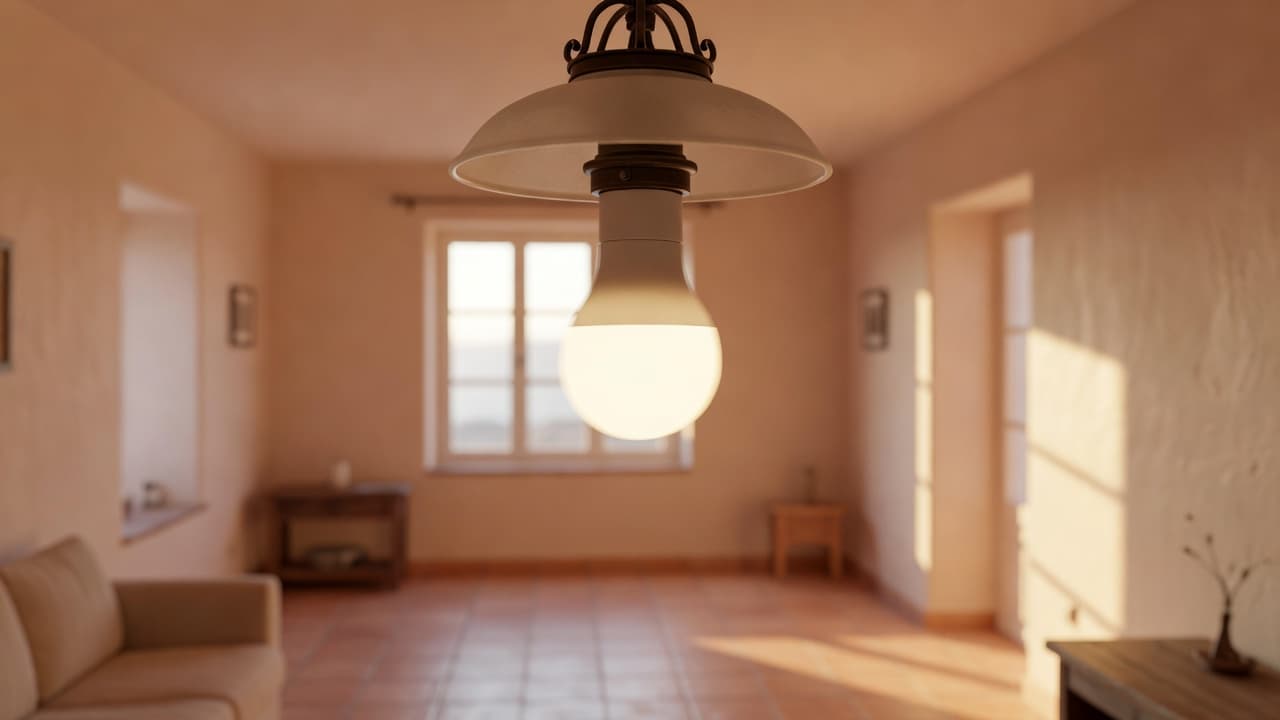
Modern dimmer switches were designed for old incandescent and halogen bulbs. LEDs work differently electrically, and many older dimmers can't handle them. The dimmer "looks" at the electrical load and gets confused, causing the bulb to flicker or emit a low buzzing sound — sometimes both.
The sound is electromagnetic interference. It's annoying, not dangerous.
Even if the dimmer is set to full brightness (not actually dimming anything), some older dimmers still interfere with certain LED bulbs. The bulb's electronics detect this and react by flickering or buzzing.
Loose bulb
If the bulb isn't screwed in properly, the electrical connection is intermittent. The bulb flickers because the current is cutting in and out.
Faulty bulb
Sometimes an LED bulb simply arrives with a manufacturing fault in its internal electronics. It will flicker or buzz from the moment you turn it on.
Fault in the light fitting
Rarely, the problem is the fitting itself — a loose wire inside, a corroded contact, or a fault in the switch mechanism. This is more likely if the flickering or noise happens with multiple different bulbs, or if the bulb becomes very hot.
If you have a dimmer and want to keep using that light
Set the dimmer to full brightness and tape or block the slider so it can't be moved. This removes the dimmer interference. If the flickering stops, the problem is confirmed: dimmer incompatibility.
You can then either:
- Buy a bulb specifically marked "dimmable LED" (the packaging will clearly say this).
- Replace the dimmer switch with a modern LED-compatible one (this requires an electrician).
- Use the light on full brightness only.
If the bulb is faulty
Stop using it and replace it with a different bulb. Keep the faulty one — you may need it for a warranty claim if you bought it recently.
If the bulb is getting hot
Turn the light off immediately and leave it off until you can replace the bulb. A bulb that's hotter than you can comfortably touch for five seconds is overheating, which indicates a fault.
- If the bulb is very hot (too hot to touch comfortably): this is not normal. Switch off the light at the wall, wait for it to cool, and replace the bulb. If a new bulb also gets hot, call an electrician.
- If you hear a buzzing or crackling sound coming from the light fitting itself, not from the bulb: switch off the light and don't use it until an electrician has checked it. This can indicate loose wiring or a fault in the switch mechanism.
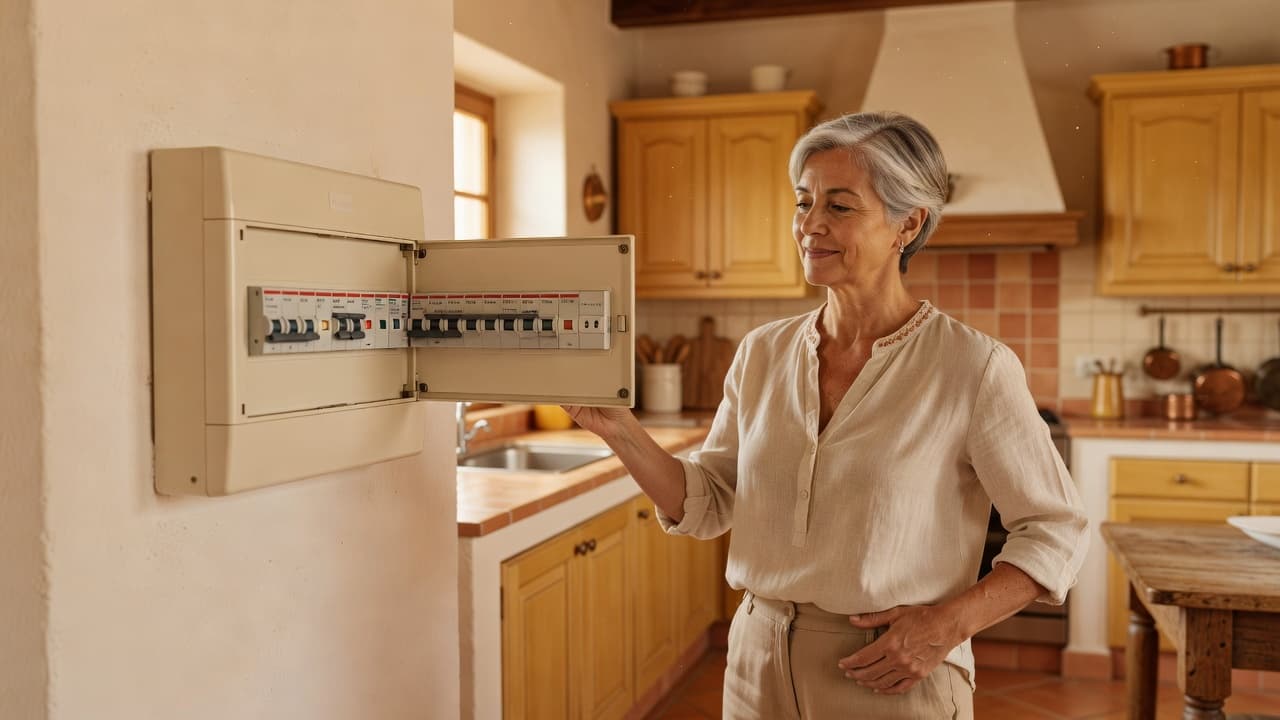
- If the flickering is happening in multiple lights at once across your home: this is not an LED bulb problem. It suggests an issue with your electrical supply or the consumer unit (the main fuse box, called "cuadro eléctrico" in Spanish). Switch off all the lights involved and call an electrician.
- If the light fitting looks damaged, cracked, or has visible scorch marks: do not use it. Call an electrician.
If the problem persists after trying the steps above, or if you suspect the fault is in the fitting itself, an electrician will:
Inspect the fitting and switch mechanism. They'll look for loose wires, corrosion (common in coastal properties due to salt spray), or damage inside the fitting.
Test the electrical circuit. They'll use a meter to check the voltage and current are stable, and that the dimmer (if present) is compatible with LEDs.
Replace the dimmer or fitting if needed. If the dimmer is old and incompatible, they'll either replace it with a modern LED-compatible version, or advise you that the light must stay on full brightness. If the fitting has a fault, they'll replace the faulty component or the entire fitting.
Provide documentation. Once the work is done, they should give you a simple receipt or work note for your records. If rewiring was involved, they may provide a "boletín eléctrico" (electrical safety certificate), though this isn't always necessary for minor repairs.
Most LED bulb and dimmer compatibility issues are resolved in one visit.
Buy "dimmable LED" bulbs if you have dimmer switches. Check the packaging before you leave the shop. It will clearly state "dimmable" or "compatible with dimmers". Non-dimmable LEDs are cheaper but will flicker or buzz if used on a dimmer, regardless of dimmer age.
Use the same brand of bulb across a fitting. If you have multiple bulbs in one fitting (a ceiling cluster, for instance), mixing brands can cause synchronisation issues and flickering.
Screw bulbs in firmly but gently. Don't overtighten. A quarter turn after it first tightens is enough.
Replace dimmer switches when upgrading to LED. If you have an old dimmer (more than 10–15 years old) and plan to use dimmable LEDs, ask an electrician to check compatibility. Modern dimmer switches are inexpensive and solve many LED problems.
A flickering or buzzing LED bulb is almost always a quick fix. Nine times out of ten, a loose connection or an incompatible dimmer is the culprit. If you've tried the steps above and the problem persists, or if you're concerned the fault is in the fitting itself, don't hesitate to contact an electrical professional on the coast — they can rule out any serious issues and get your lights working properly.