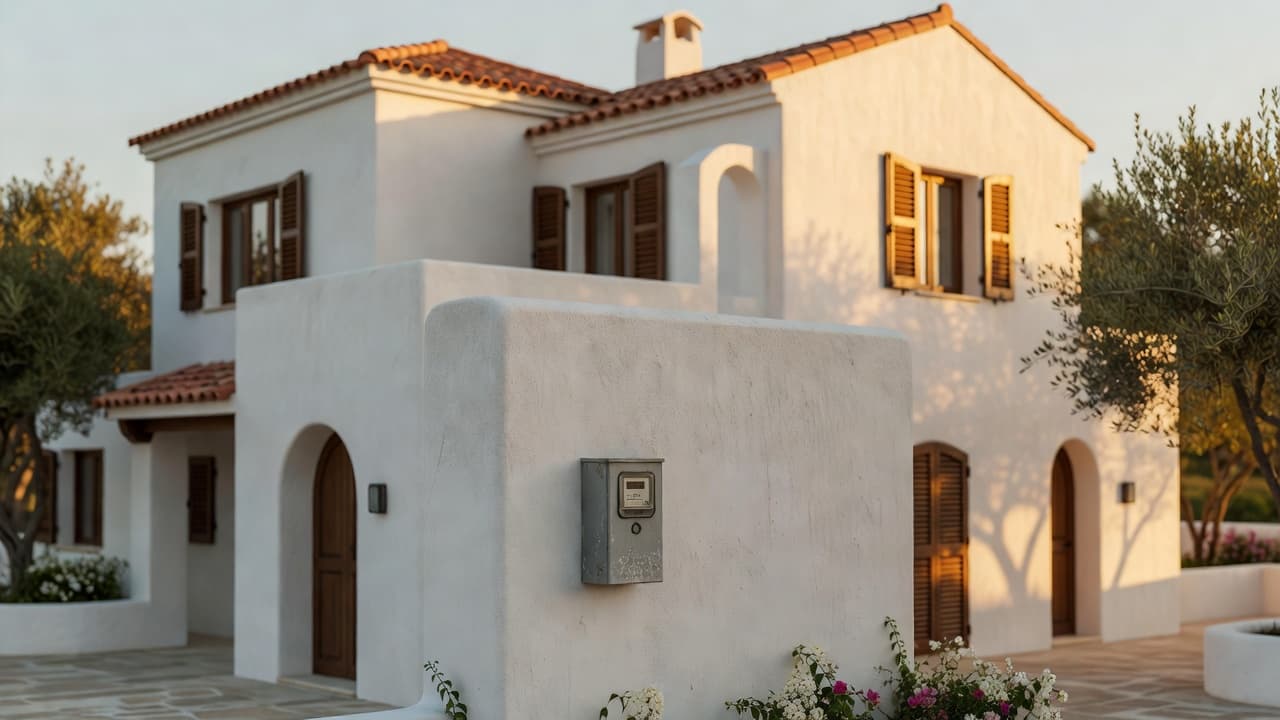
This is where most people get into trouble. Your Spanish holiday home has a limited electrical capacity, measured in kilowatts (kW). This is set when your property was connected to the grid, and it depends on your contract with the electricity company (usually 3.3 kW to 5.5 kW for a flat or small villa, sometimes higher).
Every device you plug in draws power. Smart devices draw very little individually—a smart bulb uses about 9 watts, a smart plug about 1 watt. But if you're running air conditioning (which draws 2,000–3,500 watts), an electric water heater (2,000–5,000 watts), and several other appliances at once, you can exceed your limit.
What happens if you overload?
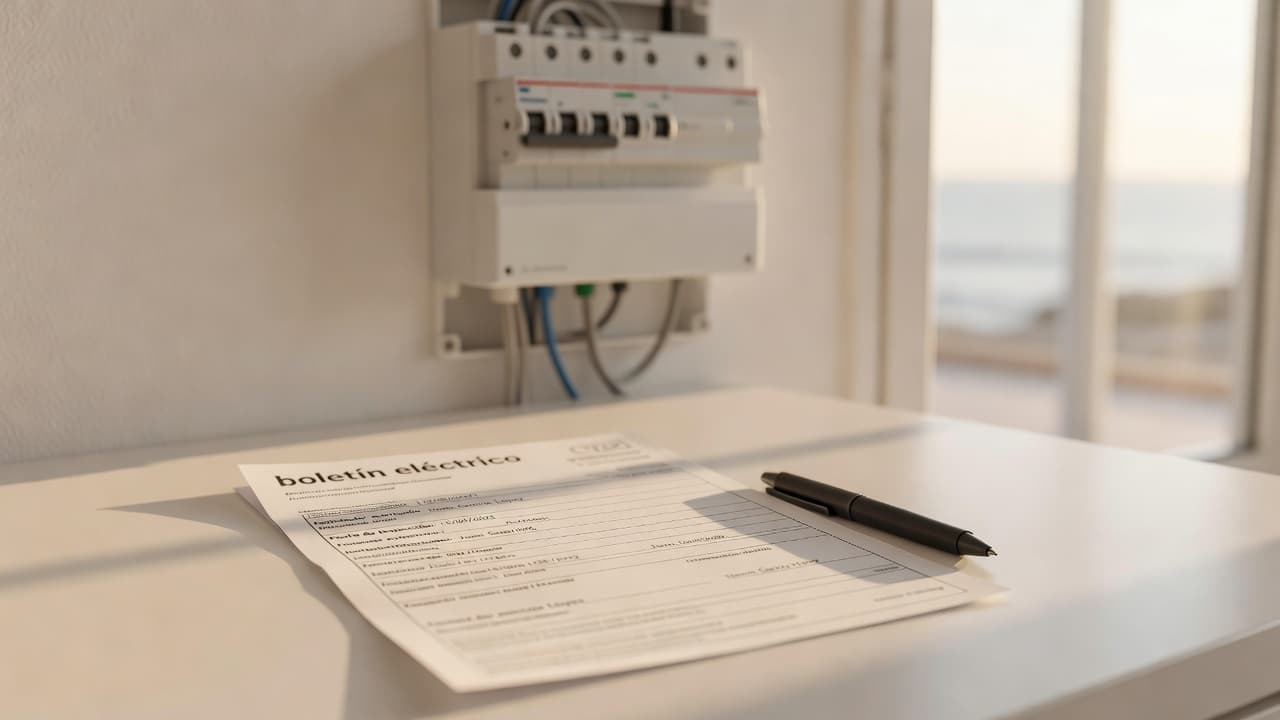
Your RCD (the safety switch in your consumer unit, labelled diferencial in Spanish) will trip and cut all power. This is a safety feature, not a failure. You'll go to the consumer unit, flip the switch back, and power returns. But if it keeps happening, it means your electrical supply needs upgrading—which requires a call to your electricity company and possibly an electrician to assess.
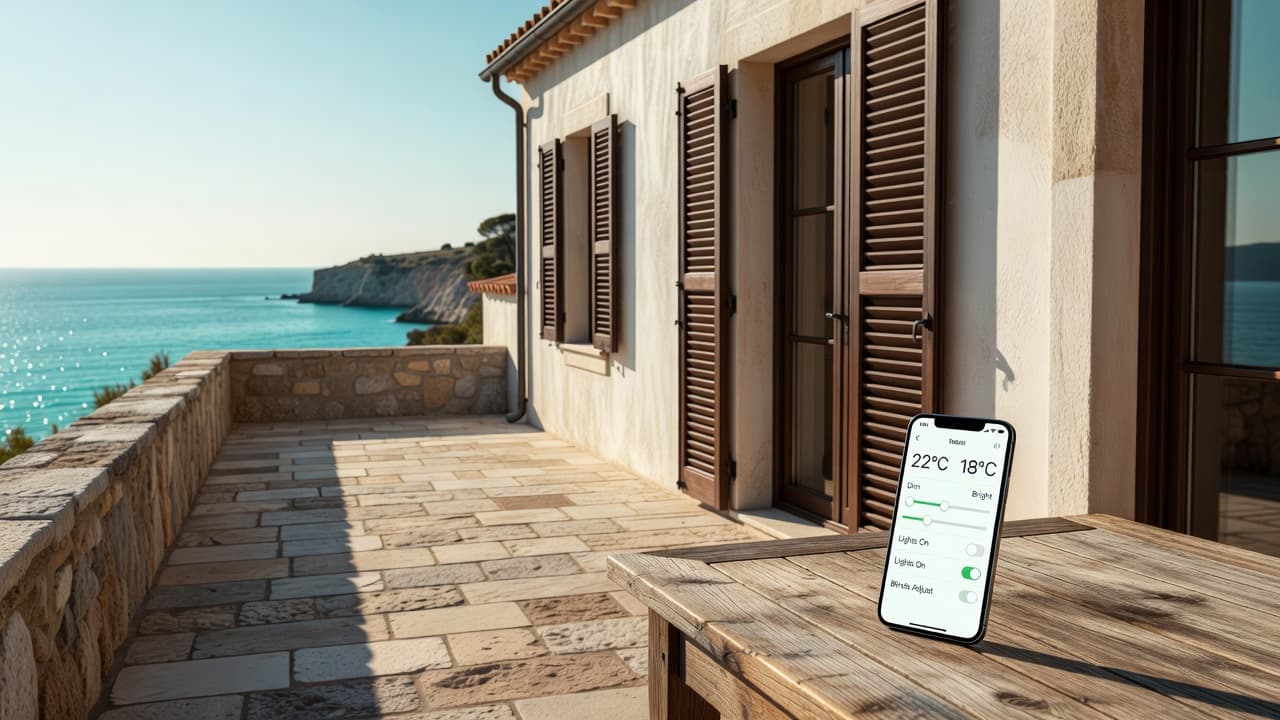
Smart thermostats are the most popular smart home addition in holiday homes, because they save money and let you monitor temperature remotely.
If you have a simple oil boiler or gas boiler with an existing wired thermostat, a modern WiFi smart thermostat can often replace it without rewiring. The device simply connects to the boiler's control wires where the old thermostat was. No new circuits needed. Many homeowners can do this, but if you're not comfortable touching boiler wiring, ask an electrician to do it—it's usually a 30-minute job.
If you have an electric water heater (a termo eléctrico, a large tank in a cupboard or on a wall), a WiFi smart plug can often be fitted in the socket it plugs into, giving you remote on/off control. Again, no wiring needed.
If your setup is non-standard (a heatpump, underfloor heating, a complex multi-zone system), you'll need an electrician to assess compatibility before you buy anything.
Smart devices need reliable WiFi. Many older Spanish holiday homes—particularly on the coast, where salt air corrodes wiring—have weak internal WiFi signal, especially if they're built with thick stone walls.
If you're planning smart lighting across multiple rooms, test your WiFi strength first. Stand in each room with your phone and check the signal bars. If you're getting 1 or 2 bars, you'll have connectivity issues. An electrician can advise on mesh WiFi systems or WiFi extenders, but these usually don't require much more than plugging in a device.
Smart devices connected to the internet introduce a tiny cybersecurity risk. This isn't specific to holiday homes, but it's worth noting:
- Use strong passwords (not "123456" or "password").
- Ensure your WiFi network is password-protected.
- Update device firmware regularly when updates are released.
- Consider whether you're comfortable with remote access and data collection (some devices log your activity with the manufacturer).
From an electrical safety perspective, smart devices sold in Spain must carry the CE mark, confirming they meet EU safety standards. Stick with reputable manufacturers and avoid very cheap unbranded devices.
If any of the following apply, book an electrician for a 15–30 minute assessment before you order smart devices:
- You want to upgrade your consumer unit or add circuits. An electrician needs to confirm your supply can handle it and that your installation meets Spanish electrical regulations (REBT).
- You want integrated smart switches throughout the property. This means rewiring existing circuits or adding new ones.
- Your property has no earthing or outdated wiring. Older Spanish properties sometimes do. An electrician will advise if your system is safe to work with.
- You want to integrate air conditioning or a pool pump. These are high-power devices that need careful planning.
- You're renting the property or it's in a community building (urbanización). You may need permission from the owner or community board before any electrical work.
An electrician can also advise on standby power consumption. Some smart devices use small amounts of power even when inactive, which adds up if you're away for months. An electrician can help you identify which devices are worth having on remote-controlled plugs so you can turn them off entirely.
When an electrician arrives to install or assess smart home tech:
- They'll inspect your consumer unit and confirm your available electrical capacity.
- They'll check your existing wiring and earthing (grounding) to ensure it's safe.
- They'll discuss what you want to install and whether your supply supports it.
- If rewiring or upgrades are needed, they'll do the work and test everything.
- They'll issue you with a boletín eléctrico (electrical safety certificate), which you should keep. This is important if you sell the property or make an insurance claim.
Many jobs are straightforward and take an hour or two. You shouldn't pay more than €80–150 for a simple assessment and installation. If major rewiring is needed, costs will be higher and the electrician will give you an estimate first.
Here's a practical concern many people overlook: smart devices draw small amounts of power even when not actively in use. A WiFi thermostat uses about 2–5 watts continuously. A smart plug uses about 1 watt. Over a year, this adds up to a handful of euros, but if you have 20 smart devices running 24/7 in an empty holiday home, the cost and environmental footprint are worth considering.
A practical approach:
- Keep essentials running (thermostat, security camera, water heater on a smart plug if you use it seasonally).
- Put less critical devices on smart plugs so you can turn them off completely when you leave.
- Use scheduling features to reduce heating/cooling when the property is empty.
- Start small. Install one or two devices first. See how they work in your home's WiFi environment.
- Read the installation guide before buying. If it says "professional installation required", budget for an electrician upfront.
- Check your boiler or heating system's manual. If you have a smart thermostat in mind, confirm it's compatible before you purchase.
- Test WiFi signal strength in the rooms where you plan to use smart devices.
- Ask the device supplier whether they offer remote setup support. Many do, which can save you a trip.
Before ordering that smart thermostat or WiFi system, book a quick chat with a qualified electrician who knows Spanish holiday homes. They can confirm your property can handle what you want, advise on the realistic cost, and ensure everything's done safely. Most consultations are short and inexpensive, and you'll avoid costly mistakes.
Find an electrician near you →