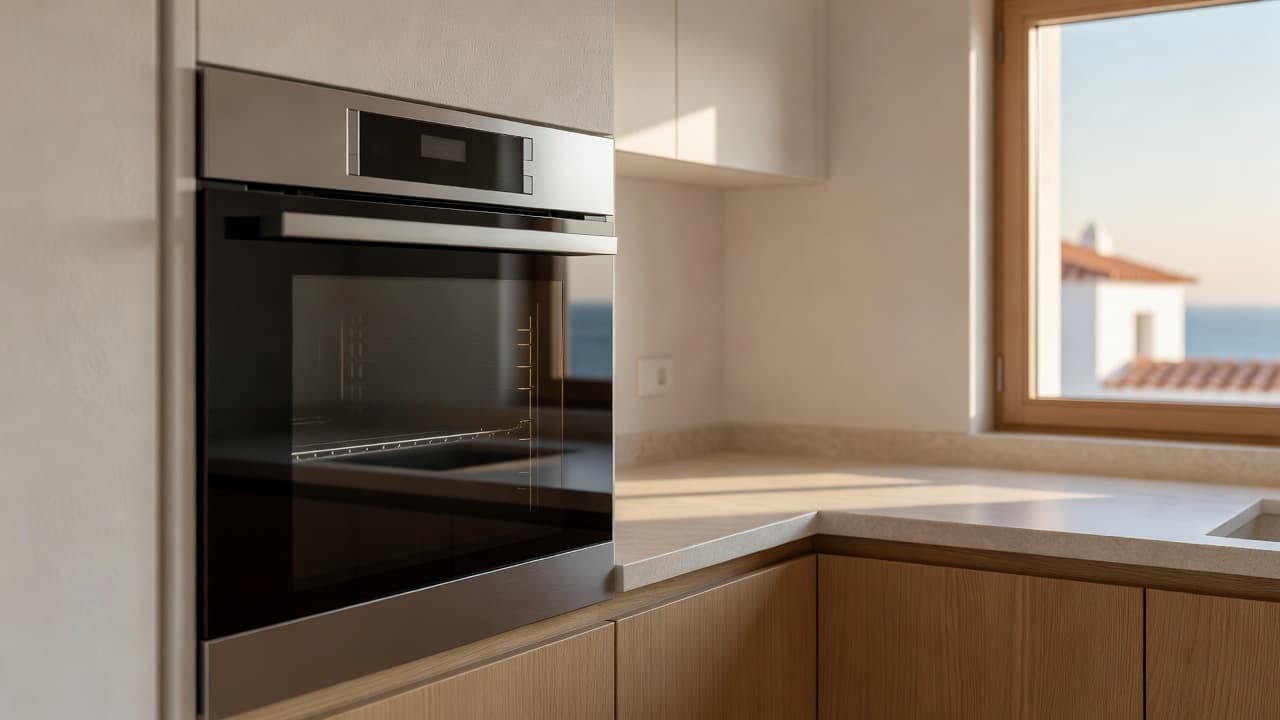
Most electric ovens have an automatic thermal cutout switch inside them. If the oven's internal temperature climbs higher than it should, this switch triggers and cuts the power. It's a safety feature—it means something inside the oven has gone wrong, usually a faulty thermostat or heating element, and the oven is preventing further damage or overheating.
If the oven cuts out after the same number of minutes each time, this is the most likely cause.
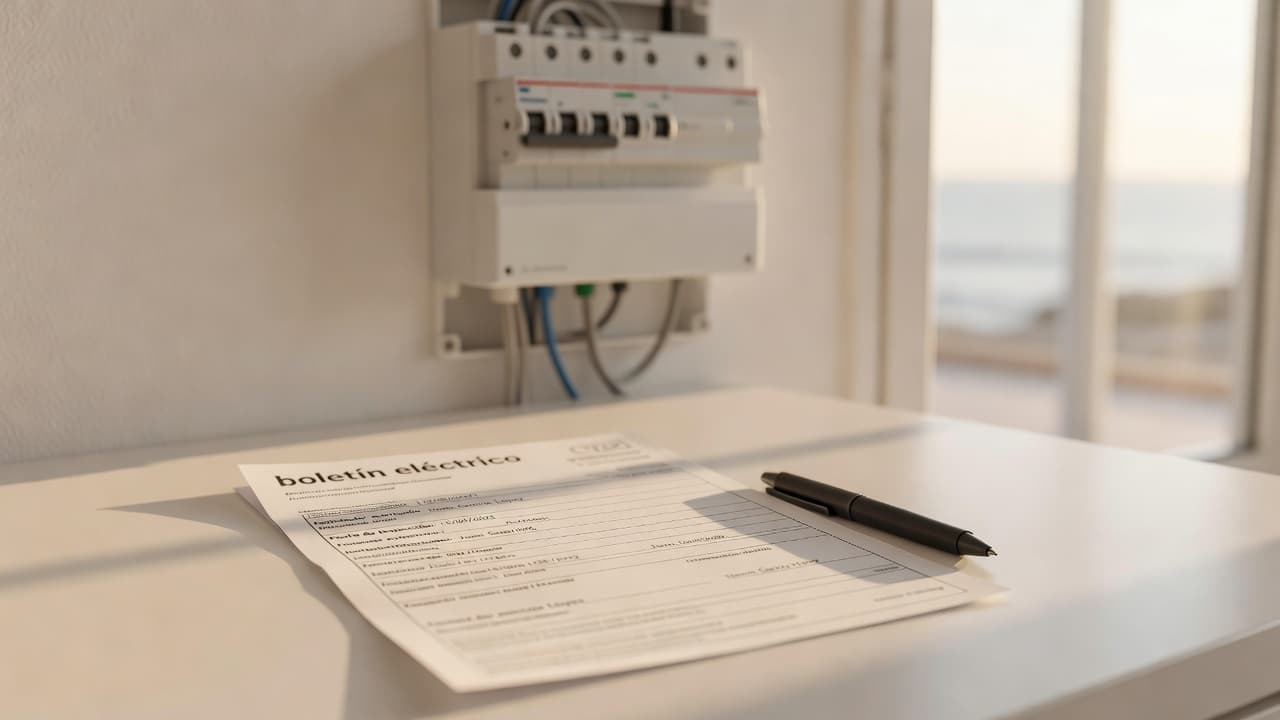
Your home's electrical consumer unit contains an RCD switch (the main safety device). If the oven develops a fault that causes a small leak of current to earth—such as a damaged heating element or a wet internal component—the RCD trips instantly and cuts power to protect you from electric shock.
You'll see this as the RCD switch (usually at the top of the unit, sometimes labelled TEST or with a larger switch) in the middle or down position.
If your home's total electrical demand exceeds its capacity, the main isolator switch (or the ICP, the main breaker in some Spanish properties) will trip. This is rare in modern homes with adequate supply, but common in older properties or if you're running multiple high-power appliances simultaneously (oven, air conditioning on full, immersion heater, and electric cooktop).
The oven cuts out because the whole house loses power or the circuit powering the oven is overloaded.
A loose wire in the oven's plug, the wall socket, or inside the oven's terminal block can cause the power to cut intermittently. This is less common but possible, especially in coastal properties where salt air can corrode electrical connections.
- Let the oven cool for at least 20 minutes (not just 15).
- Reset the thermal switch by switching it off at the wall for 5 minutes, then back on.
- Use the oven at a lower temperature setting if your model allows it (e.g., switch from 220°C to 180°C). If it stays on longer, the problem is likely the thermostat—it's cutting out because it thinks the oven is hotter than it is.
- This is a temporary workaround only. The thermostat needs replacing.
- Check that nothing wet is near the oven (wet hands, steam, spilled water inside the cabinet).
- Reset the RCD by pushing the main switch firmly back to "on".
- Turn off all other appliances and try the oven alone. If the RCD doesn't trip this time, you have an overload problem (see below).
- If the RCD trips again with the oven running alone, the oven has an internal electrical fault. Do not reset it again. Call an electrician.
- Identify which high-power appliances were running when the oven cut out. Typically: air conditioning, electric water heater, electric cooktop, immersion heater.
- Turn off the air conditioning or water heater before using the oven. Run them separately, not simultaneously.
- This is a temporary solution. Your home's electrical capacity may be undersized, and you should discuss upgrading with an electrician (this is a rare but possible long-term issue in older Spanish homes).
Stop immediately and call an electrician if:
- The RCD trips repeatedly when you reset it, no matter what other appliances are off.
- The oven smells hot, acrid, or burnt when it cuts out.
- You see scorch marks or discolouration inside the oven cabinet.
- The oven cuts out but the RCD doesn't trip—this suggests an internal component failure.
- Water or steam is visibly entering the oven cabinet.
- The oven is more than 15 years old and has never had the thermostat or heating element serviced.
Do not attempt to open the oven's electrical terminal block or internal wiring yourself. The oven is a high-power appliance, and internal faults can be dangerous. An electrician needs to diagnose this.
When you contact an electrician, explain clearly: how long the oven runs before cutting out, whether the RCD trips, and whether anything was running at the same time.
The electrician will:
- Test the oven circuit with a multimeter to check for electrical faults or leakage current.
- Check the RCD to confirm it's working (it may intentionally trip if the oven is faulty—this is the correct safety response).
- Visually inspect the oven's terminal block and internal wiring for loose connections, corrosion, or scorch marks.
- Diagnose the thermal cutout by noting how long the oven ran before cutting out and testing the thermostat or heating element.
- Advise on repair or replacement. If the thermostat or heating element is faulty, they can arrange for an appliance engineer or recommend replacement. If it's a wiring fault, they'll repair it directly.
You should receive a receipt (justante) for the call-out and any work performed. If the electrician suspects the oven itself is faulty rather than the electrics, they'll recommend an appliance repair specialist.
- Don't overload the circuit. Avoid running the oven with the air conditioning and electric water heater at full power simultaneously. Stagger their use.
- Keep the oven cabinet dry. Wipe any spills immediately. Don't store damp cloths or items near the oven.
- Have the oven serviced every 5–7 years if you use it regularly. A professional appliance engineer can clean the thermostat, check the heating element, and tighten electrical connections.
- If you live near the coast, salt air can corrode electrical contacts faster. Check the oven's terminal block annually for green or white corrosion (though this is a job for an electrician to inspect safely).
- Use the correct oven temperature. Don't set it significantly higher than needed. Chronic overheating damages the thermostat.
If your oven keeps cutting out, the safest approach is to stop using it and have it inspected. An electrician can usually diagnose the problem in one visit and either repair it or confirm that you need an appliance engineer. In the meantime, don't keep resetting the RCD or testing the oven repeatedly—you'll have a clear answer faster and more safely by calling a professional.
Find a qualified electrician near you who can diagnose the fault and get your oven working safely again.