The most common causes are:
Burst or split pipe. Pipes under pressure can crack due to freezing (rare on the Mediterranean coast, but possible in winter in some inland areas), corrosion, or accidental damage. If a pipe splits, water will flow until you close the stopcock.
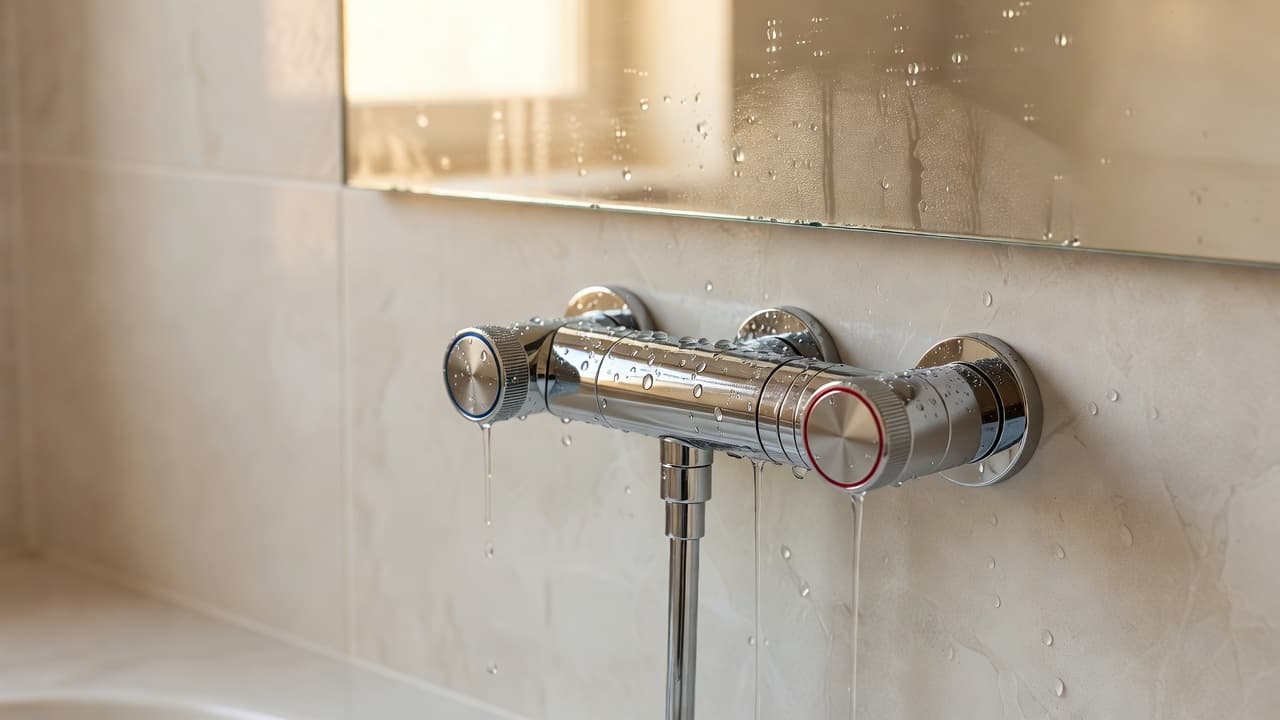
Failed joint or fitting. Over time, threaded connections (at the stopcock, under taps, at the washing machine inlet) can loosen or corrode, especially in homes near the sea where salt spray accelerates wear. You may see water dripping steadily or spraying.
Appliance leak. Washing machines, dishwashers, and water heaters can develop leaks in their inlet hoses, seals, or internal tanks. These often start as a trickle and worsen quickly.
Faulty stopcock or ball valve. If the stopcock itself is leaking from around the handle or the pipe below it, the internal seal has worn out and needs replacement.
Once the water is off, you can limit damage while waiting for a professional.
Wipe up standing water. Use towels or a mop to remove water from floors and under units. This prevents damage to electrics and reduces the risk of mould.
Open windows and doors. Ventilation speeds evaporation and helps prevent damp.
Move items away from the affected area. Shift furniture, boxes, or appliances so wet surfaces can dry. If the leak is near an electrical outlet or the main consumer unit, leave that area clear and don't touch anything electrical.
Leave the stopcock off. You'll need the water off while the plumber works anyway. Your taps won't run, but that's safe and temporary.
If the leak is in a pipe inside the wall, you can't fix it yourself. Once water is off, document the damp patch with photos and wait for the plumber. They'll advise whether the wall needs opening.
Stop and call a plumber immediately if:
Water is still flowing after you've closed the stopcock. This suggests a secondary water supply or a leak at the meter. Call a professional right away—don't try to force the stopcock further.
The water is near electrical outlets, light switches, or the main consumer unit (cuadro eléctrico). Don't touch electrics or stand on wet floors near them. Turn off the electrics at the consumer unit if you're comfortable doing so, or leave it and call the plumber.
The stopcock is stiff and won't turn. Forcing a stuck stopcock can break the pipe connection. Apply a penetrating oil (WD-40 or similar), wait 10 minutes, then try gently. If it still won't budge, call the plumber and tell them the stopcock is stuck.
You can't find the main stopcock after 5 minutes of searching. Move to Plan B: find the water meter stopcock (see below) and close that instead.
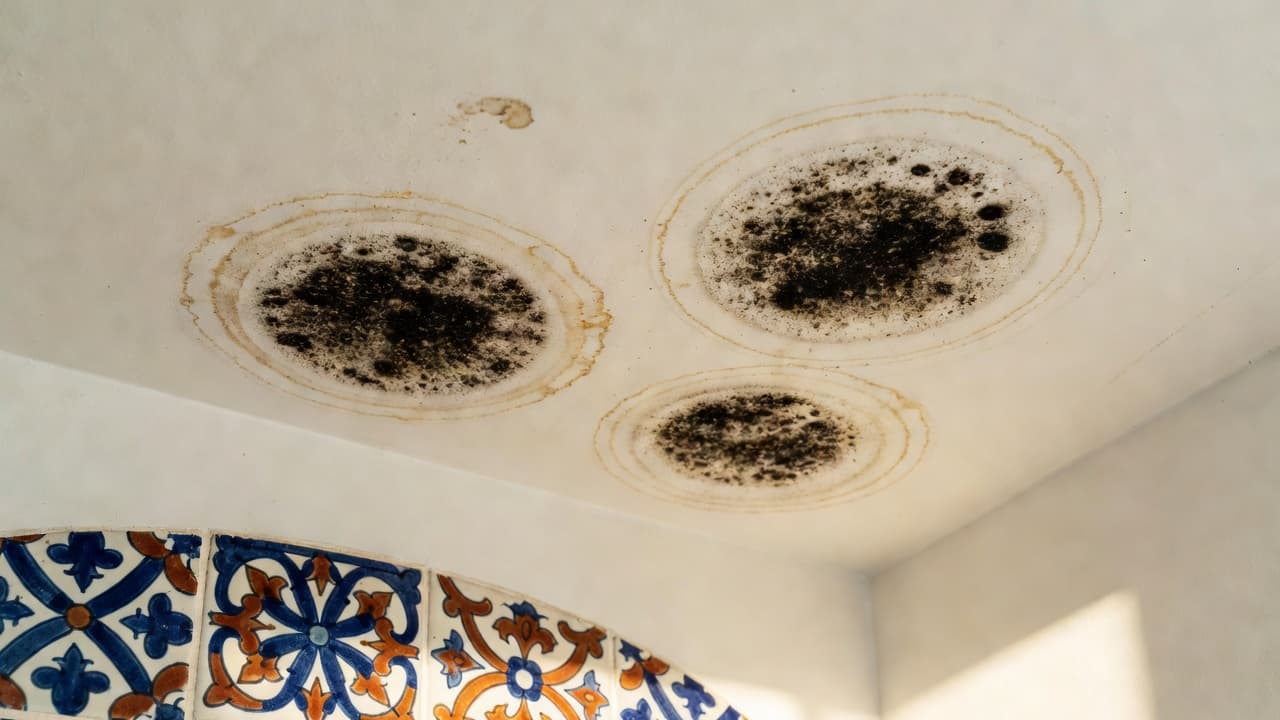
Water is coming from the ceiling or walls and you don't know the source. The leak may be in a shared pipe (if you're in a flat in an urbanisation or community block). Stop water and notify the community administrator (administrador de fincas) or building manager immediately.
If you can't find the main internal stopcock
Many Spanish properties, especially older flats or rural homes, have the main stopcock hidden or inaccessible.
Your backup is the water meter stopcock, which is usually located in a small box on the street or in a communal area (underground, on a wall, or in a basement). It looks similar to the internal stopcock—a small brass tap or lever.
If you live in a flat with a communal water system, ask your building manager or administrator where the meter box is. In a detached house, look near the property boundary or where the mains water pipe enters the ground.
Closing the meter stopcock will stop water to your entire property, not just your flat or unit. Warn neighbours if it's in a communal area, but in a genuine emergency, stopping the water takes priority.
Once water is off, a qualified plumber will inspect the source of the leak under good light, often by opening cupboards, checking behind appliances, or running water into key joints to pinpoint the source.
If it's a small leak at a threaded connection (a fitting), they'll tighten it or replace the seal (a job of 15–30 minutes). If a pipe is cracked or split, they'll cut out the damaged section and insert a new piece using compression fittings or solder, depending on the pipe material (usually copper or plastic).
If an appliance is faulty (washing machine hose, water heater tank), the plumber will advise repair or replacement.
Once the repair is complete, they'll run the water and check for leaks, then show you the area and explain what caused the failure. They should provide an invoice or receipt (factura). If the work qualifies under the warranty or insurance of the property, ask for documentation that can be sent to your insurer.
Turn the stopcock back on slowly once they're finished, and test all taps to confirm water pressure is normal.
Check under your sink and behind appliances once a month for signs of dampness, drips, or staining. Early spotting means you can call a plumber before it becomes a flood.
Know where your stopcock is. Take a photo of it and keep it with your insurance documents or home file. If you're renting or have an agent, ask them to show you the location and confirm the nearest plumber contact number.
In coastal properties and urbanisations, check pipes annually for salt-air corrosion. Ask a plumber to inspect connections if you live near the sea—salt spray accelerates wear on brass and steel fittings.
Don't ignore slow drips. A tap that drips one drop per second wastes water and signals a failing seal. A plumber can reseal it in minutes before it becomes a flood.
If you have an old stopcock that's hard to turn, ask a plumber to service or replace it. A smooth stopcock is more likely to work in an emergency.
If you're dealing with a water leak or burst pipe right now, contact a plumber on the Mediterranean coast. Our qualified professionals speak English, German, and Dutch, and can usually arrive within hours for genuine emergencies. Describe the location of the leak and confirm the stopcock is closed—they'll know exactly what to bring.