Understanding which pipe is leaking helps you explain the problem to a plumber and prevents panic.
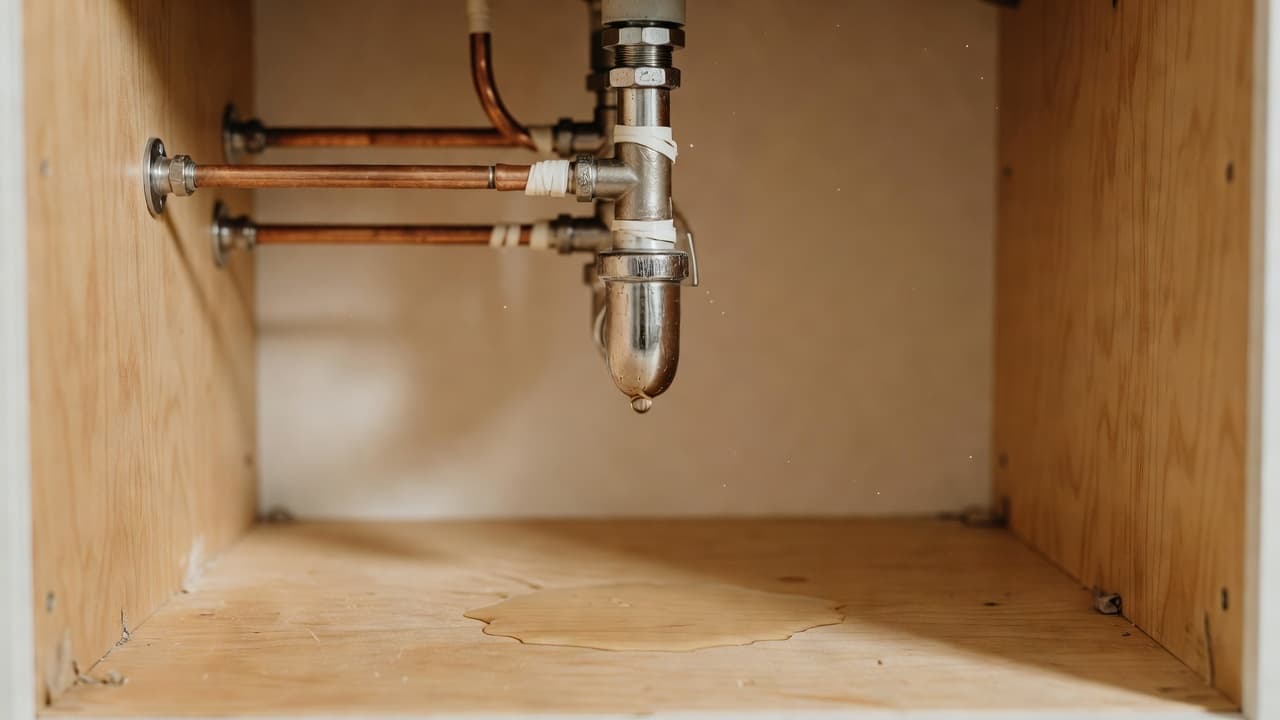
Supply pipes (hot and cold). These enter the sink unit from the wall or floor, usually as two thin copper or flexible plastic tubes. They carry pressurised water, so a leak here is more serious: water will drip continuously, or spray if a joint is loose. Corrosion appears as white or blue-green deposits on copper pipes, especially near the joints.
The waste pipe (U-bend and drain). This is larger and sits below the plug hole. It's called a U-bend because it curves downward then back up—this U shape traps water and prevents smells from coming back up the drain. Leaks here are usually slower because the water isn't pressurised. You'll often see water pooling directly under the U-bend itself. The waste pipe is connected to the supply pipes, but a leak here won't be hot water.
Connections to the dishwasher. If you have a dishwasher, there's an inlet hose (bringing in water) and a drain hose (taking out waste). The inlet hose is under pressure, so leaks here drip actively. The drain hose is not pressurised, so leaks are usually slow. Look for cracks in the hose or loose clips where the hose connects to the dishwasher or the sink drain.
Joints and sealant. Where pipes screw into fittings, or where two pipes meet, sealant (PTFE tape or plumber's putty) can degrade over years. Hard water, temperature changes, and vibration from use all weaken seals. You might see a small drip at a specific screw-on joint, or water weeping from under a fitting.
For a slow drip from a supply pipe joint: Turn off the main stopcock. Place a bucket directly under the leak to catch water. If the joint is a brass fitting you can grip with a wrench, tighten it gently by half a turn—no more. Do not over-tighten; you risk cracking the fitting. Turn the stopcock back on and check if the drip has slowed. If it still drips, turn the stopcock off again and leave the bucket in place.
For a slow leak from the waste pipe or U-bend: Place a bucket or large container under the pooling water to catch further drips. Avoid moving pipes or loosening fittings. The U-bend is designed to hold water, so a leak here usually means internal corrosion or a cracked fitting—both require replacement, not tightening.
For a crack or hole in a visible hose (e.g., a dishwasher inlet hose): If the damage is small and clean, you can wrap the hose tightly with waterproof tape (Gorilla tape or electrical tape) as a temporary measure—but this is a few hours' reprieve, not a permanent fix. Turn off the main stopcock first, then dry the hose and wrap it. This buys time before the plumber arrives.
For water spreading into the cabinet: Lay down old towels or newspaper to absorb water and protect the floor beneath the cabinet. Remove anything stored below the sink (cleaning products, spare containers) to reduce the risk of chemical spills mixing with water.
Do not attempt to dismantle pipes yourself, even if you think you can tighten something. Pipes under the sink are often difficult to access, and the fittings may be corroded or brittle. If a fitting cracks because you've forced it, you've made the problem much worse.
Stop and call a plumber immediately if:
- Water is dripping continuously or spraying from a pipe or joint. This indicates a pressurised leak that will worsen.
- The water is hot and you can't trace a visible source. A hidden leak in a hot pipe can damage insulation and create a safety hazard.
- Water is pooling inside the cabinet walls or the base is becoming soft or spongy. This suggests the leak has been going on for a while and internal damage may be extensive.
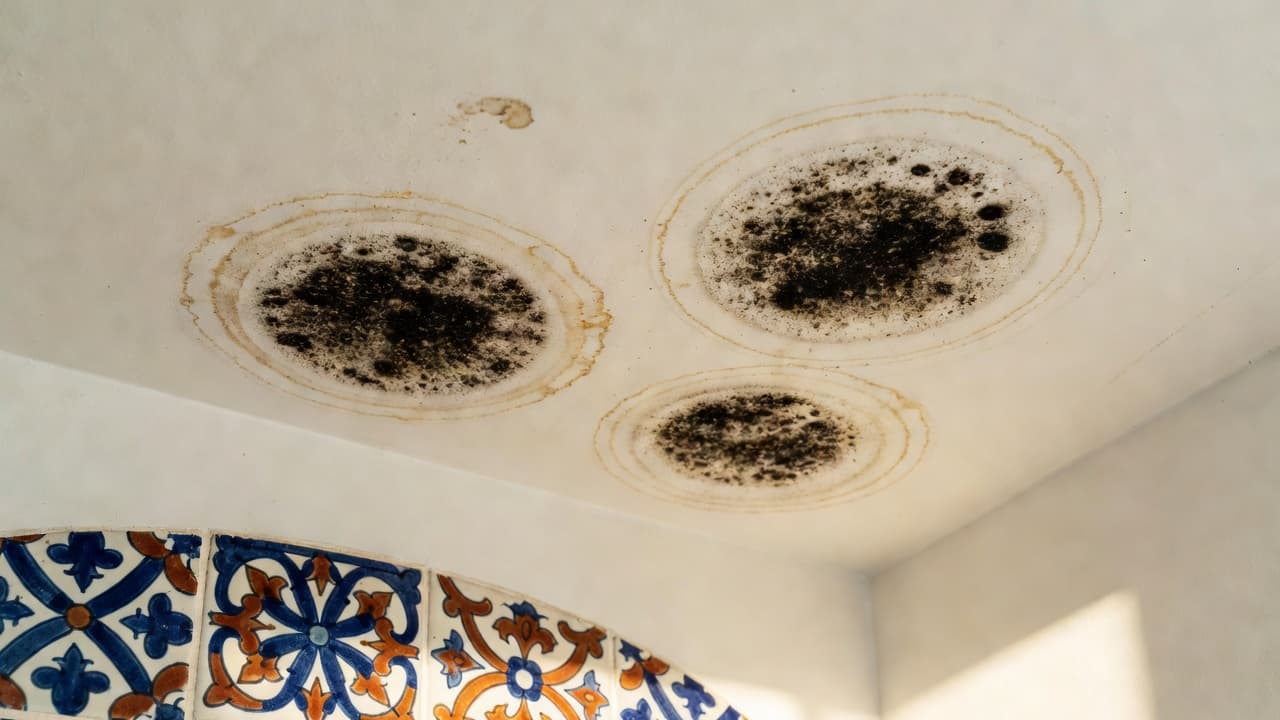
- You smell mould or see discolouration on the cabinet wood or the wall behind it. This indicates prolonged dampness and requires professional assessment.
- The leak appears after you've tried to tighten a fitting yourself. You may have damaged a pipe or fitting internally.
- You notice mineral deposits or corrosion on pipes, but can't see an obvious leak point. The leak may be inside the pipe or at a hidden joint.
In any of these cases, do not wait. Locate the main stopcock, turn it off, and call a plumber. The cost of a call-out is far less than the cost of water damage to your kitchen cabinet, floor, and the property below if you're in a flat.
A qualified plumber will start by inspecting the area visually, much like you've done, but with the experience to spot subtle clues. They'll check for water temperature, look at the colour of deposits on pipes, and may use a moisture meter to detect hidden dampness in the cabinet structure.
Depending on the source, they'll either tighten a joint with the correct tools and sealant, replace a section of damaged pipe, swap out a corroded U-bend, or refit a loose connection. If the leak is inside a pipe (not visible), they may use a leak detection tool to pinpoint it before opening up the cabinet further.
Once the repair is complete, they'll run water through the system to confirm the leak has stopped, clean up, and give you a receipt with details of what was replaced or repaired. Keep this receipt—it's useful for insurance records and future reference.
Many plumbers will also give you advice on preventing the same issue again, such as advice on water softening if you have very hard water, or signs to watch for. If you're renting, send the plumber's report to your landlord or managing agent immediately.
Check under the sink every few months. Open the cabinet and look for any dampness or deposits on pipes. Catching a slow leak early prevents water damage.
Wipe pipes dry after use. If you notice condensation on cold water pipes (common in summer), wipe them dry with a cloth. This reduces the risk of mineral buildup and corrosion.
Keep the area under the sink well-ventilated. Leave the cabinet door open for an hour after using hot water. This helps moisture evaporate and slows corrosion.
Replace flexible inlet hoses every 5–7 years, even if they look fine. Hoses degrade invisibly and fail suddenly. It's cheaper to replace them proactively than to deal with a burst.
If you have very hard water (common on the Mediterranean coast), ask your plumber about a water softener. Hard water accelerates corrosion and mineral buildup on joints, leading to leaks.
A puddle under your kitchen sink is a sign to act, not to panic. Most leaks are fixable and relatively inexpensive if caught early. By stopping water use, turning off the main stopcock if necessary, and calling our network of qualified plumbers, you'll prevent further damage and get your sink back to normal. The longer you wait, the more water damage spreads—and the more expensive the repair becomes.
If you're facing a leak right now, contact a plumber in your area and they'll help you get it sorted quickly.