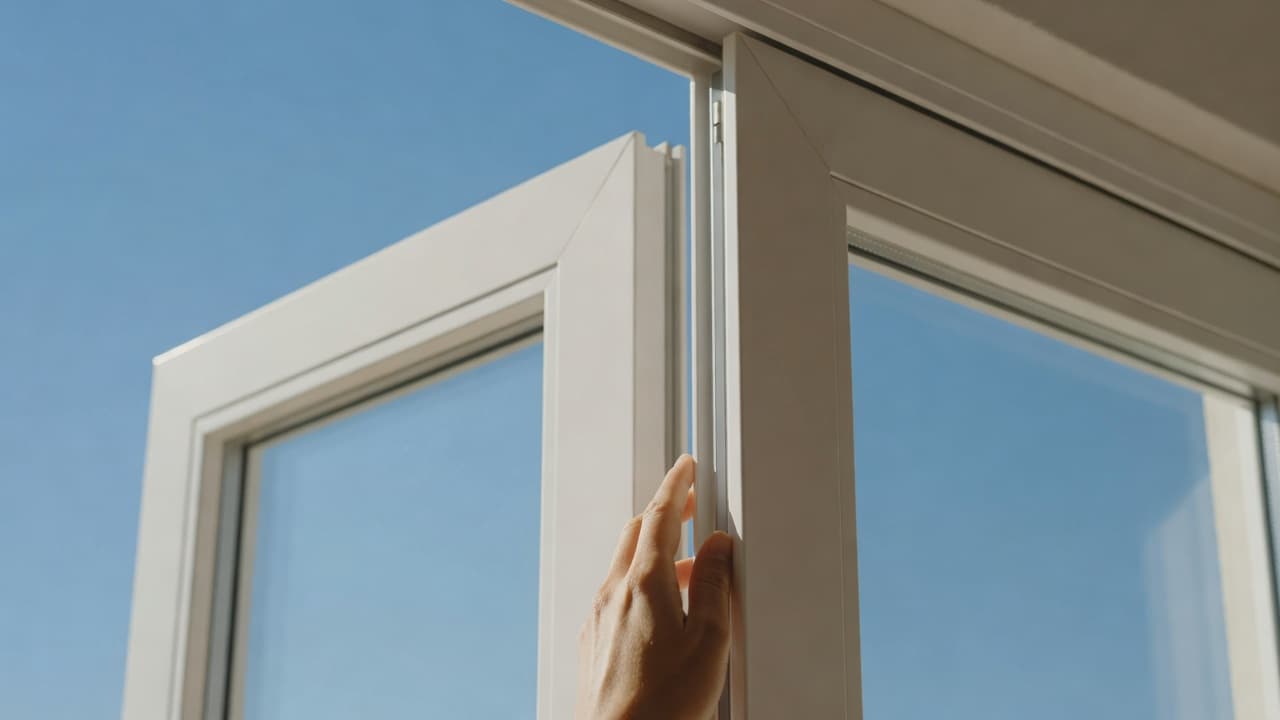
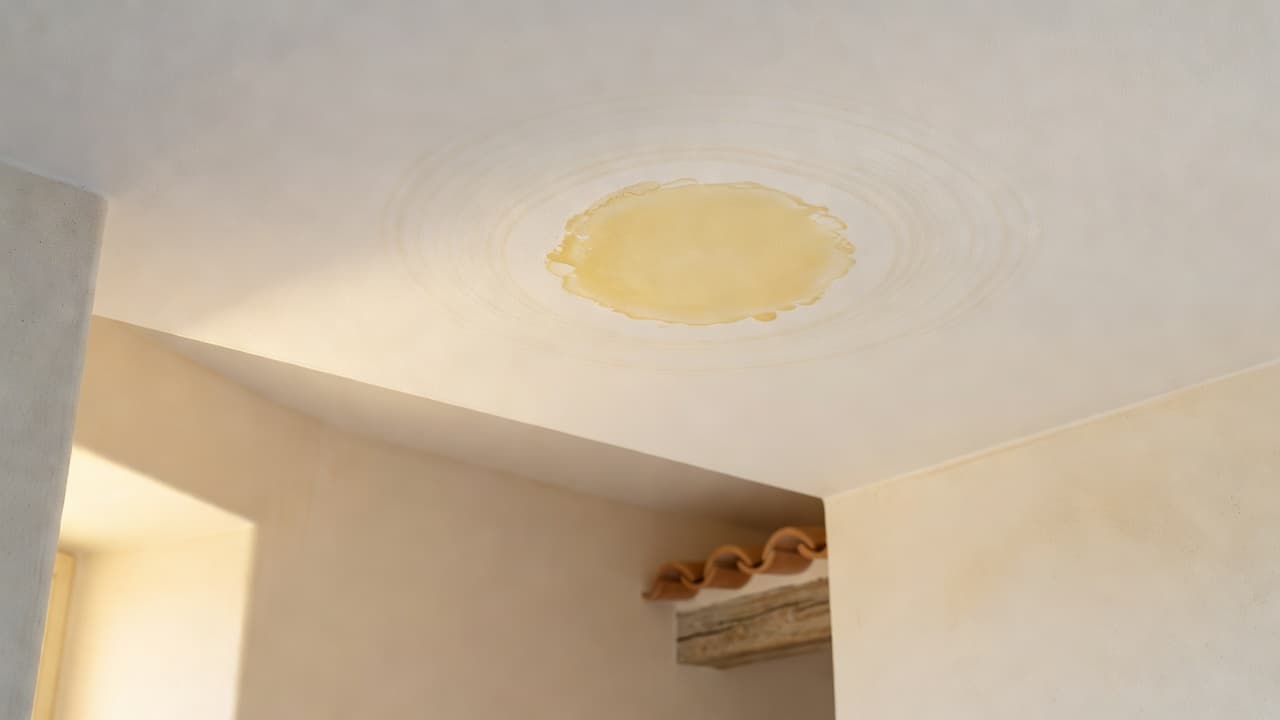
An occupied house tolerates small faults that an empty one cannot.
Water leaks go unnoticed for weeks. A weeping joint under the kitchen sink becomes a puddle, then a stain in the wall below. Coastal salt air accelerates corrosion, especially in older properties. Copper pipes near the sea can deteriorate faster than inland.
Damp builds up fast without human activity. No warm air from cooking, no open windows, no movement. Mediterranean coastal humidity is high—especially in winter. Stagnant air and sealed rooms create ideal conditions for mould, which damages plaster, wood and soft furnishings.
Gas or electrical faults have time to worsen. A small gas smell that you might notice and report if home is ignored. An aging boiler pilot light that flickers becomes a safety hazard.
Opportunistic entry happens more easily if the house looks neglected. Shutters left open, windows not visibly secure, overgrown garden, post piling up—these are signals.
You've closed the water and electricity. Now consider these non-permanent steps to reduce risk further.
Leave interior lights on a timer. A simple plug-in timer (under €15) can turn lights on and off at different times each evening. It deters casual observation that the house is empty and costs minimal electricity.
Ask a trusted neighbour or friend to visit weekly. Not a security guard—just someone who can walk through, open windows for 10 minutes to air the house, check that shutters haven't blown open (common in coastal winds), and look for obvious problems. Give them your mobile number so they can call you immediately if something is wrong.
If the property has a garden, arrange a gardener or community staff to visit monthly. An unmaintained garden signals abandonment and invites trespassing. In urbanisations (gated residential communities), often the community manager or a contracted gardener can keep an eye on things.
Leave heating on low. In winter, especially in inland mountain regions or northern Spain, unheated homes can develop damp and frost damage. Set the thermostat to 12–14°C. Don't switch off entirely. This is especially important if you have vulnerable plasterwork or are worried about mould.
Use moisture absorbers in high-risk rooms. Bedrooms and bathrooms are prone to damp. Commercial moisture absorbers (small plastic boxes containing calcium chloride) are cheap and effective. Place them in cupboards, under beds, and in corners. Replace them before you leave and replace again halfway through your absence if someone checks on the house.
Empty the fridge and freezer, or leave them running. If you've emptied them, switch them off to save energy. If you've left food inside, leave them running. A warm fridge for months is a health risk. If unsure, empty and switch off.
Stop immediately and call a professional if you spot any of these:
- Water pooling or seeping around pipes, joints, or appliances. Don't attempt repairs yourself—there may be hidden damage.
- Active water leaks from taps, cisterns, or overflow pipes. These need investigation before you leave.
- Gas smell (a rotten egg or chemical odour near the boiler or supply). Never ignore this. Call a gas engineer.
- Visible burn marks, melted plastic, or discolouration on wires, plugs, or the consumer unit. Electrical fire risk.
- Mould already visible on walls or ceilings. Surface cleaning won't solve the underlying damp; you need ventilation or structural assessment.
- Boiler making unusual noises or the pilot light won't stay lit. Have it serviced before you leave.
- Shutters or doors that won't close or lock properly. Security risk and potential weather exposure.
If you spot any of these, call a qualified professional immediately. A €150 plumber or electrician visit before you leave is worth the money if it prevents €3,000 of water or electrical damage while you're away.
If you're unsure about the condition of your home and want extra peace of mind, a handyman or plumber can perform a "closing inspection" before you leave.
A professional will visually inspect all visible pipes, joints, and connections under sinks and around appliances. They'll test water pressure if you want them to (useful if you suspect a slow leak). They'll check the consumer unit (cuadro eléctrico) to make sure it's free of corrosion or moisture—coastal salt air can cause problems here. They'll inspect the boiler connections and ensure the main stopcock turns smoothly and without resistance.
They'll produce a simple written note of what they've found, which is useful for your insurance if something does fail while you're away. Many Spanish household insurance policies require evidence that you've taken reasonable precautions.
A visit typically costs €80–150 and takes 45 minutes. It's good value if the alternative is returning to a water-damaged home.
Security is often overlooked in the rush to leave.
Shut all external shutters or blinds. This makes the house less visible to casual observers and prevents heat loss.
Lock every window and test that locks turn smoothly. Stiff window locks can seize in salt air.
Lock all external doors, including side gates and back garden access. If you have a deadbolt (cerradura de seguridad), use it.
Leave the front door and any accessible external doors visibly locked. Don't hide keys under pots or near door frames—this is the first place burglars look.
If you have an electronic gate or door lock, ensure the batteries are fresh and consider leaving a spare set with a trusted neighbour in case of failure.
Inform the community management (if you're in an urbanisation) that you're away and how long you'll be gone. Many communities have arrangements to monitor properties during extended absences.
Don't advertise your absence on social media. A post saying "off to the UK for three months" is an open invitation.
Ask the post office to hold your mail or have a neighbour collect it. A full letterbox signals "nobody home".
The time of year matters.
Winter (November–March): Risk of damp and mould is highest. Humidity on the coast is high, and indoor temperatures drop. Leave heating on low and invest in moisture absorbers. Coastal wind can blow open shutters—check they close tightly.
Summer (June–September): Risk of heat damage to fabrics, food, and wine is high. Air conditioning running constantly for cooling (not drying) wastes electricity. If you have air conditioning, leave it off unless you're actively cooling the house. Intense sun fades furniture; closing shutters is essential.
Spring and autumn: These are moderate-risk seasons. Ensure windows close properly for rain. Autumn coastal storms can be severe—shutters and roof tiles need checking.
Before you leave, tick these off: