A power surge is a brief but violent increase in voltage flowing through your electrical system. On the Mediterranean coast, this commonly happens when:
- Lightning strikes a power line nearby. Even if the lightning doesn't hit your home directly, the surge travels down the power line and into your installation. This is the most dangerous scenario.
- The power supply is cut and then suddenly restored. Utilities sometimes isolate areas during storms to prevent damage to infrastructure. When power is restored, the inrush of electricity can spike above normal voltage.
- Transformers or grid equipment downstream fail during a storm. This affects your entire street or urbanisation at once.
The surge lasts only microseconds, but in that time it can fuse delicate electronic components inside appliances, boilers, and electrical equipment. Sometimes the damage is immediate (the appliance stops working). Sometimes it's hidden—a component is partially damaged and fails a few days or weeks later.
Consumer unit and wiring:
Look for a burnt plastic smell coming from the consumer unit, even a faint one. Check the main earth and neutral cables where they enter the unit—if they look discoloured or scorched, there's been a high-energy event. If you see any water inside the unit (from rain during the storm), do not touch it and call an electrician immediately.
Individual circuits:
A single tripped breaker or RCD (residual current device—the larger switches in your consumer unit) after a storm often signals that a surge has damaged something on that circuit. Sometimes multiple breakers trip, which suggests a more serious event.
Plug sockets:
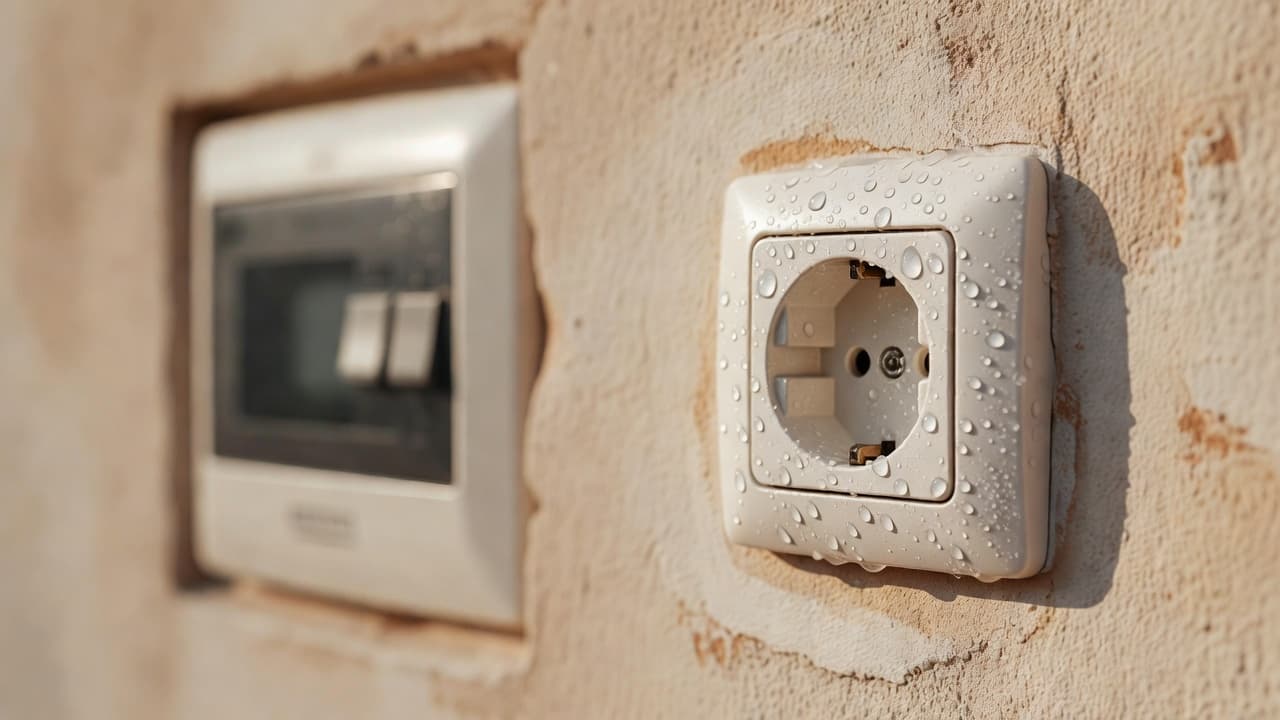
Look inside the socket openings (without touching them). Blackening, scorching, or small burn marks around the edges are signs of a surge passing through. A socket that's still hot to the touch hours after the storm is a warning sign.
Appliances:
- Boilers and water heaters (calderas or termos): No power light, no ignition sound, unusual smells, or failure to heat water can all be post-surge symptoms. Don't try to reset these yourself—they may have internal damage you can't see.
- Air conditioning units: Interior or exterior units that won't respond to the remote, make unusual sounds, or show error codes may have a damaged control board.
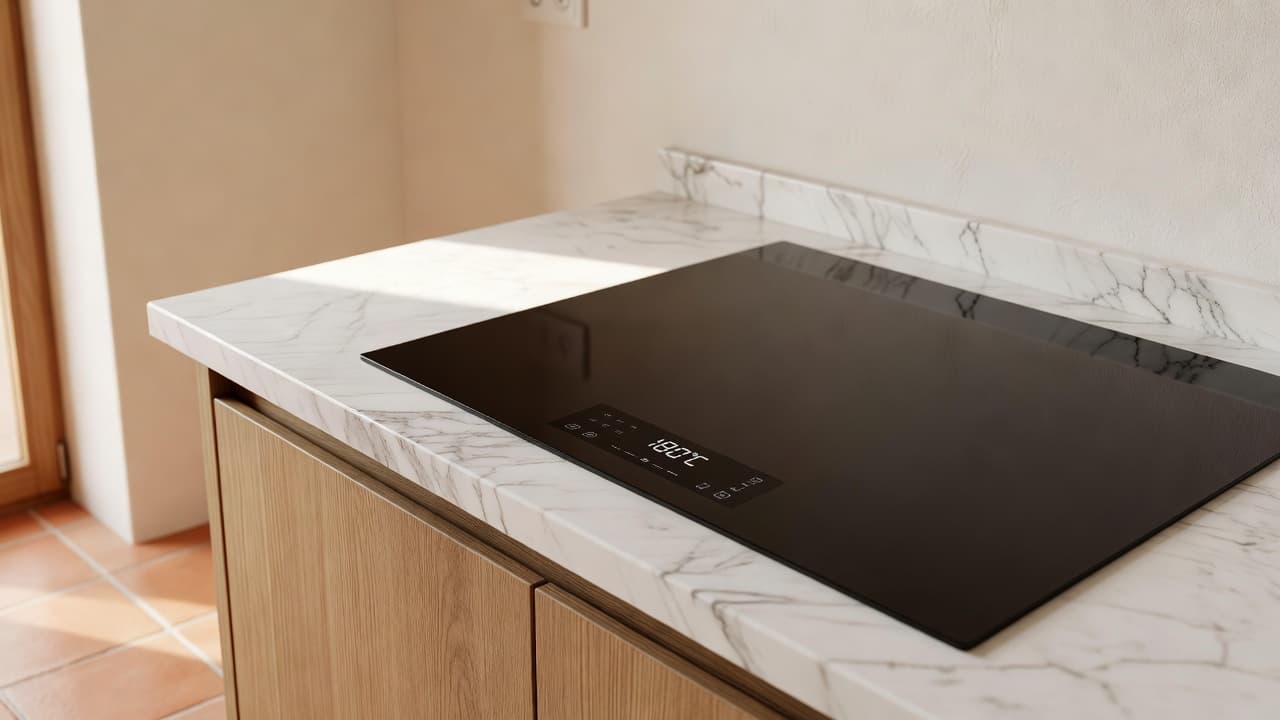
- Kitchen appliances: Ovens, hobs, microwaves, and dishwashers with no display lights, unresponsive controls, or burning smells have likely been hit.
- Electronics: TVs, routers, and entertainment equipment that won't turn on or show unusual behaviour.
For appliances that won't turn on:
Leave them unplugged. Don't repeatedly flip the switch trying to get them to work—you might cause secondary damage or a small fire if internal wiring is compromised. Unplug them if they are plugged in.
For circuits that won't restore:
Try flipping the breaker back to the "on" position once. If it immediately trips again, leave it off and note which circuit it is. This is information for the electrician. Do not keep trying—repeated attempts can damage the breaker itself.
For a tripped RCD (the larger switch, usually labelled "Test"):
Press the reset button once. If it trips again immediately, leave it alone. The RCD is doing its job by protecting you from a fault.
For the boiler or water heater:
If it has a reset button and the manual is to hand, you can try pressing it once. If nothing happens, leave it off. Even if it comes back to life, have an electrician check it before you rely on it regularly. Surge damage inside a boiler is not always visible, and a faulty boiler can be dangerous.
For a burning smell:
Open all windows and doors to ventilate. If the smell is coming from a specific appliance, unplug it (using the cable, not by touching the socket). Do not use that appliance until an electrician has cleared it.
For visible damage to the consumer unit:
Do not try to fix it. Close the door and leave the system as is. Call an electrician. If you need heating or hot water urgently, use an emergency supply (a portable gas heater if you have one, or kettle-boiled water) until they can assess it.
Stop immediately and call an electrician if you observe any of the following:
- Scorch marks, blackening, or visible burn damage on or around the consumer unit, sockets, or appliances.
- A persistent burning or acrid smell even after the home has been ventilated for 30 minutes.
- Water inside the consumer unit or pooling around electrical equipment.
- Multiple circuit breakers or RCDs tripped at the same time, especially if they won't reset.
- Appliances that were working before the storm now show no signs of power (no lights, no displays, no sound) and don't respond to being switched on.
- A boiler, water heater, or air conditioning unit that won't start after the storm. These are complex devices with sealed components—internal surge damage can be serious and unsafe.
- Sparks, crackling sounds, or visible arcing from a socket or appliance.
- Any doubt or hesitation. If something feels wrong, it probably is. Call an electrician rather than experimenting.
Do not attempt to open the consumer unit to inspect internal components. It contains live electrical parts even when switches are off. Do not try to disassemble appliances to "check inside." Do not use water to clean scorch marks from electrical equipment. Do not assume everything is fine just because the power came back on.
A qualified electrician will start with a visual inspection of your consumer unit, looking for the same signs you've already noted: burn marks, tripped breakers, loose cables, water damage.
They will then test the voltage at various points in the system using a multimeter to confirm that supply is back to normal (around 230V in Spain). If the voltage is unstable or unusually high, they'll contact the utility company.
For appliances that aren't working, they'll use diagnostic equipment to check for continuity (whether electricity can flow through components correctly) and insulation (whether internal wiring is still intact). They'll often need to disconnect appliances to test them safely without risk to the rest of the system.
If a boiler, water heater, or air conditioning unit has been damaged, they may recommend replacement rather than repair. Surge damage inside sealed components is often irreversible, and attempting a repair can be more expensive than starting fresh.
The electrician will document everything they find and hand you a report or invoice that explains what happened, what was tested, and what's safe to use. Keep this—it may be useful for insurance claims if you've lost expensive appliances.
Once they've cleared your system as safe, they'll advise you on whether surge protection devices (like surge protector strips) would be worth installing for future storms. On the Mediterranean coast, where lightning is common during autumn and summer storms, many people choose to invest in these as preventative measures.
The best protection is installed before the storm arrives, but here are measures worth considering for next time:
Surge protection strips: These sit between your wall socket and appliances, and contain components that "shunt" excess voltage to earth, protecting what's plugged in. They're inexpensive and useful for TVs, computers, and kitchen appliances. Note that they wear out over time and need replacing—many have a light that indicates when they're no longer effective.
Whole-house surge arrestors: These are installed at your consumer unit and protect the entire electrical system. They're more expensive but offer comprehensive protection. An electrician can advise whether your installation would benefit from one.
Unplugging expensive appliances before a predicted storm: If a severe thunderstorm warning is issued for your area, unplugging your TV, computer, boiler (if it's electric), air conditioning unit, and other high-value appliances is the simplest protection. They can't be damaged by a surge if they're not connected.
Regular electrical inspection: On the Mediterranean coast, where humidity and salt air can corrode electrical installations, having your consumer unit and main earthing checked every 2–3 years is sensible. Corroded earth connections are less able to safely divert surges to ground.
After a storm, caution is the right instinct. A few minutes of checking now can save you thousands of euros in damaged appliances and prevent a potential fire risk. If you spot any warning signs, or if you're simply unsure, contact a qualified electrician to inspect your system. They can confirm what's safe to use and what needs attention. Most post-storm electrical checks are straightforward and relatively inexpensive—far cheaper than the damage a hidden fault can cause.