Communal pools on Mediterranean properties fail for several reasons, most of which fall under the community's responsibility to maintain:
Cracked or degraded pool structure. Pools are exposed to intense summer sun, salt-air corrosion (especially on the coast), and ground movement. Concrete fractures, vinyl liners tear, and joints fail. This is a structural defect that the community must repair.
Blocked or failed drainage system. The pool may have an underground drainage channel or sump that channels overflow away from residential areas. If this is blocked by leaves, sediment, or structural collapse, water flows to the lowest point — often the adjacent terrace.
Poor original design or installation. Some older Spanish urbanisations have pools installed without proper slope or drainage planning. The water was always going to flow downhill towards the nearest property. This is a design flaw for which the community is liable.
Lack of routine maintenance. The community may have neglected to clear drains, inspect the pool shell, or maintain the surrounding landscape. Neglect is actionable under Spanish community law.
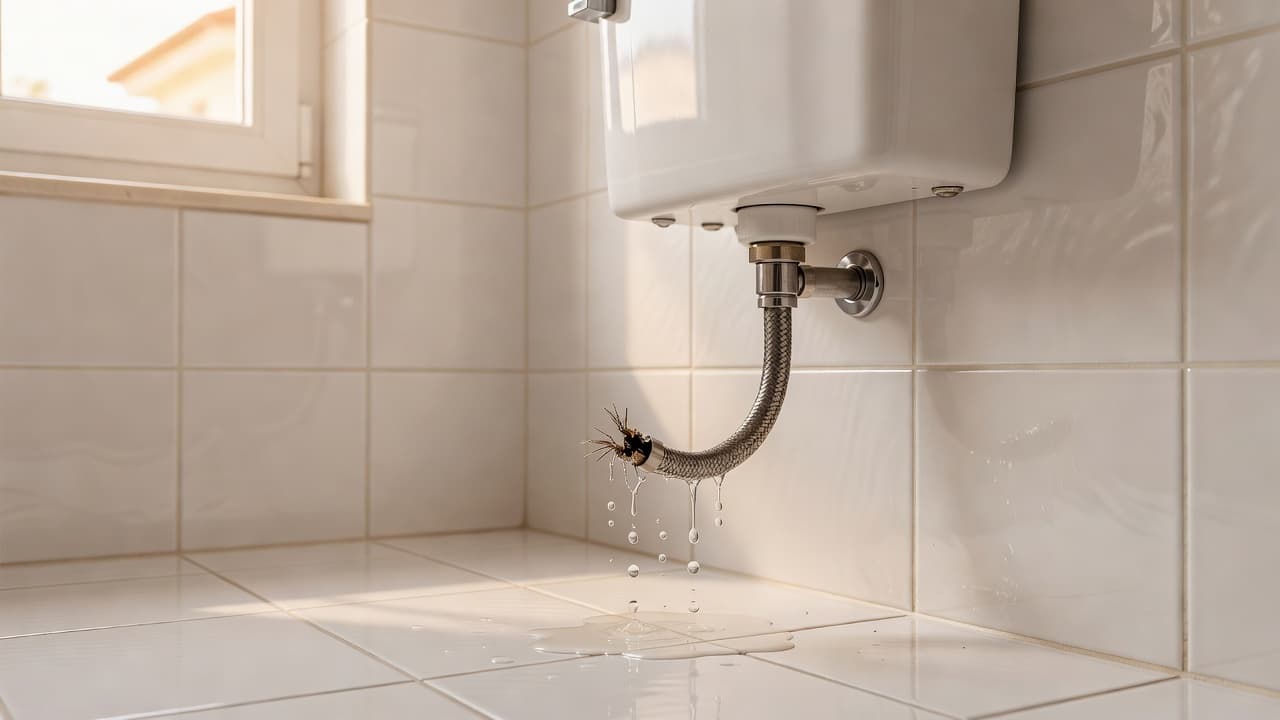
Pipe corrosion or joint failure. Metal pipes and connections corrode in hot climates. PVC joints can crack. These failures are maintenance issues, not acts of God.
None of these are your responsibility as a resident, and all are covered by Spanish community law (Ley de Propiedad Horizontal).
While you are waiting for the community to respond and repair the pool, you can take non-invasive steps to protect your property:
Redirect surface water. Use sandbags or a garden hose to direct water away from your doors and windows. Focus on keeping it away from electrical outlets and entry points.
Check your gutters and downpipes. Make sure your own drainage is not contributing to the problem by backing up water onto your terrace. Clear leaves and debris.
Keep the area ventilated. Open windows and doors to allow air circulation if water has entered your home. This reduces the risk of mould and damp. Use a dehumidifier if you have one.
Document the water level. If the water is pooling on your terrace, note the depth and take photos at the same time each day. This creates a record of whether the problem is worsening.
Do not attempt to repair or block the pool's drainage. You have no authority to touch communal infrastructure, and any action you take could be construed as tampering with common property. Let the professionals handle it.
Do not enter the pool area to inspect or attempt repairs. The pool is communal property, and if you are injured on it or cause further damage, liability becomes complicated.
Do not block the drainage yourself. Placing debris, rocks, or sandbags directly into the pool or its drainage system is not your role and could worsen the flooding.
Do not hire a plumber to repair the pool or its drainage. The community must engage and pay for this work. If you pay for repairs yourself, you may struggle to claim the cost back from the community later.
Do not mix chemicals or attempt to drain the pool. This is a safety and environmental hazard. Only qualified pool technicians should handle this.
If the water is salt-water (from a sea-fed pool): do not allow it to pool on your terrace for extended periods. Salt causes severe concrete and tile damage. Rinse affected areas with fresh water daily and notify the community of the urgency in writing.
If water has entered your electrical system or touched live wiring: turn off the main power immediately and call an electrician. Do not investigate further.
Once the community acknowledges the problem, they should:
Engage a pool specialist or surveyor. The administrator will instruct a technician to inspect the pool structure, measure water loss, and identify the cause. This usually takes 3–5 working days.
Issue a formal inspection report. This will state the defect (crack, blocked drain, etc.), the likely cause, and an estimate for repair. This document is crucial for your compensation claim if the community disputes liability.
Schedule urgent repairs. Depending on the severity, repairs might include resealing the pool shell, clearing drains, installing new pipes, or (in extreme cases) draining and rebuilding sections of the pool. These can take 1–4 weeks.
Arrange payment. The community will fund repairs from the community budget (fondo de reserva) or by raising an extraordinary fee (cuota extraordinaria) among residents. You should not pay for this — the cost is shared.
Provide documentation to you. You have the right to receive copies of the inspection report and repair estimates. Request these in writing. They will form part of any compensation claim.
What you should expect: professional courtesy, timely responses, and transparent communication. What you should not accept: dismissal of the problem, blame placed on you, or pressure to cover costs yourself.
If the pool drainage has caused damage to your property (water-stained tiles, cracked plaster, damaged doors, ruined furniture, etc.), you can claim compensation from the community of owners.
First step: formal claim letter. Write to the community administrator with a list of damage, photographs, and estimated repair costs (obtain quotes from local tradespeople). Request reimbursement within 30 days. Keep a copy. Many communities settle at this stage to avoid litigation.
If the community refuses: you have the right to pursue a claim through Spanish courts. This is called a "reclamación de daños y perjuicios" (claim for damages and losses). For claims under approximately €3,000, you can use the small claims court (juzgado de lo civil). For larger claims, hire a lawyer specialising in community disputes (abogado especialista en derecho de la comunidad de vecinos).
Timeline: expect 6–18 months for resolution through court if it reaches that stage. Most communities settle before trial to avoid legal fees.
Insurance coordination: your home insurer may cover the damage, but they will subrogate (pursue the community themselves for recovery). Cooperate fully with them.
Once repairs are complete, ask the community (in writing) about preventive maintenance:
Annual pool inspection. The pool structure should be inspected by a qualified technician at least once a year, more often if it's in a salt-air coastal location.
Drain clearing schedule. Communal pool drains should be cleared of debris quarterly, especially in autumn when leaves fall.
Scheduled re-sealing. Pool plaster and sealants degrade over time. A maintenance cycle of 5–7 years for re-sealing will prevent cracks from forming.
Landscaping maintenance. Ensure the area around the pool has proper grading so water naturally drains away from residential terraces, not towards them.
These are standard practices in well-managed urbanisations and should be included in the community's annual maintenance budget.
If water from the communal pool is actively entering your home, treat it as an urgent matter and contact a qualified plumber to assess whether internal drainage is at risk and to advise on temporary protection. For structural assessment of damage, a handyman or surveyor can document the extent before repairs begin. But your primary action remains the same: document, notify the community in writing, and let their liability framework do the work.