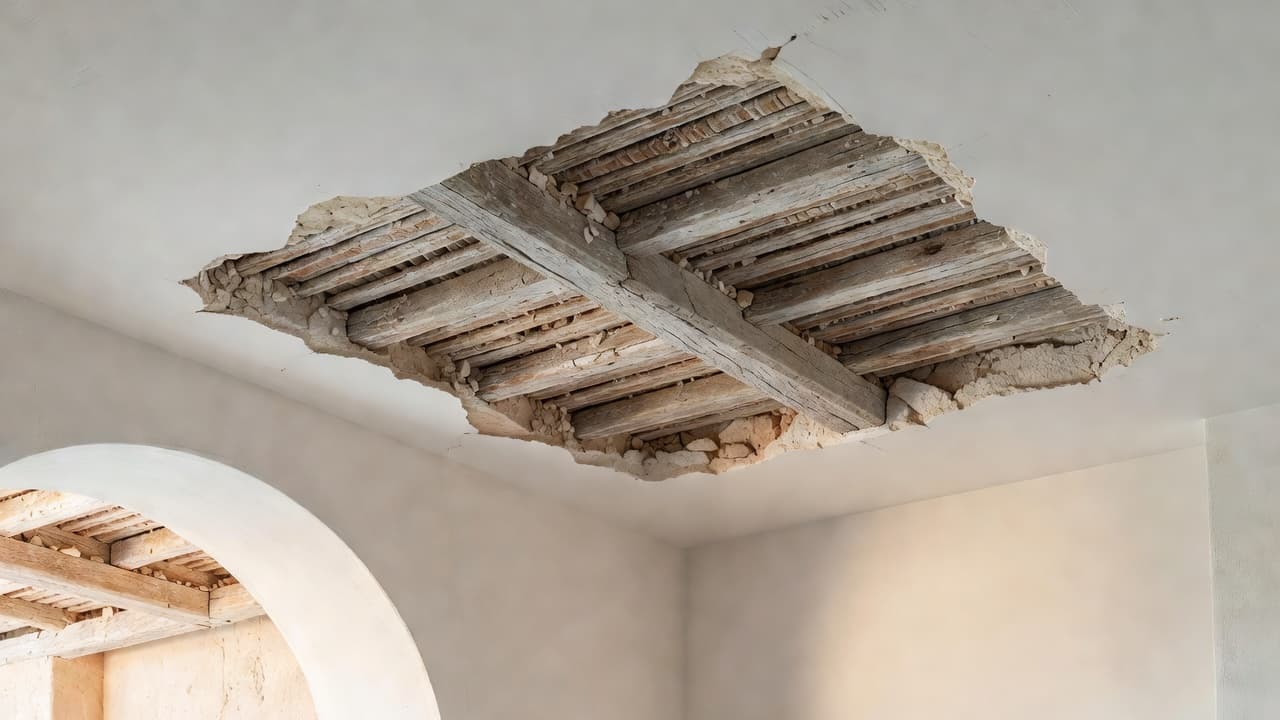
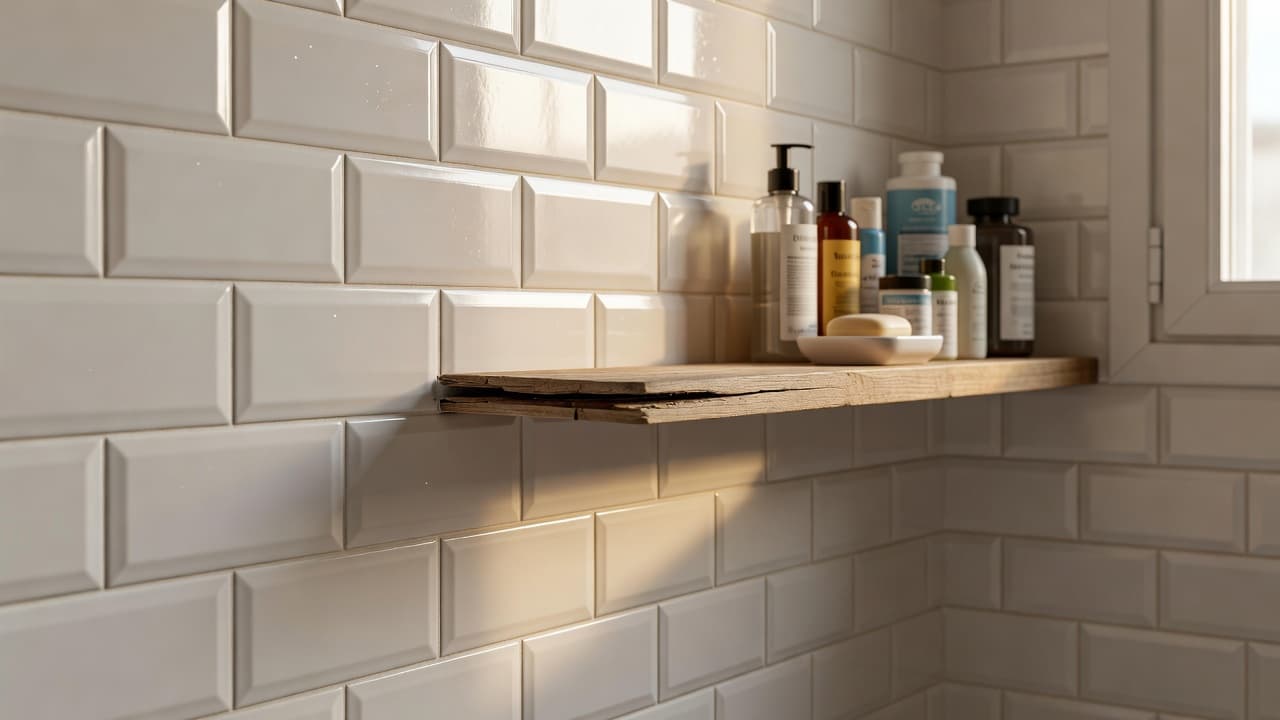
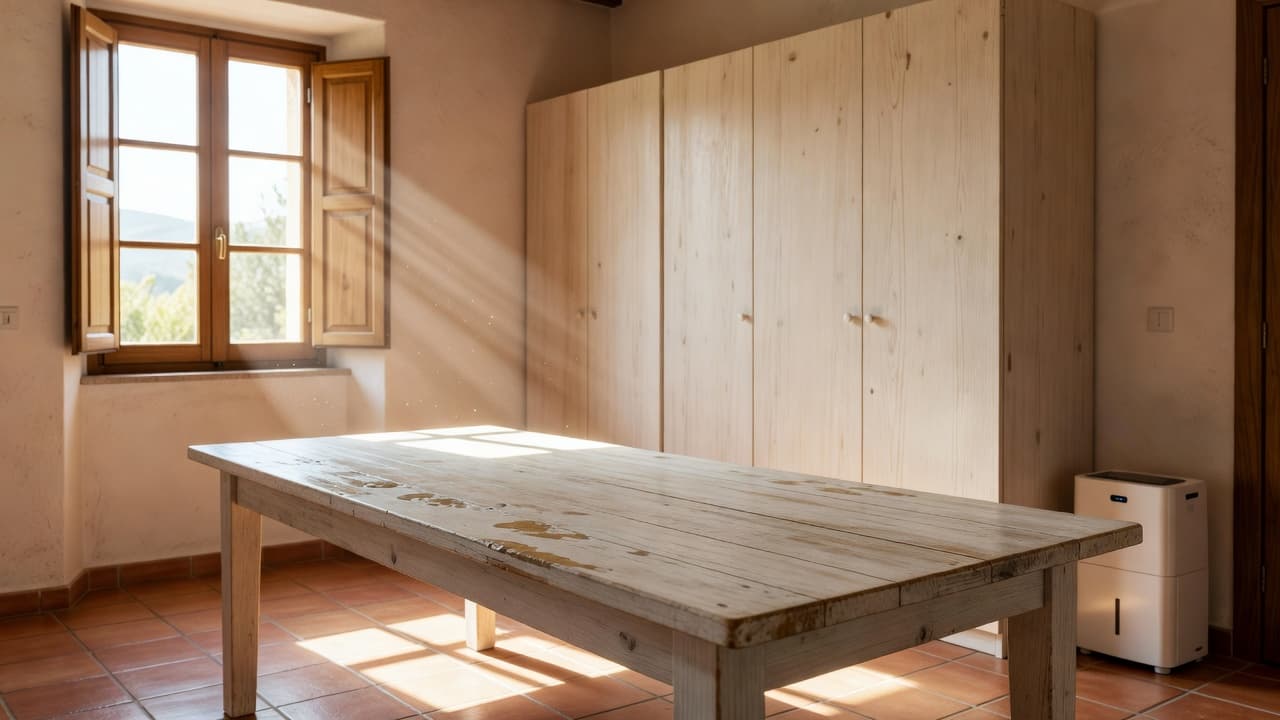
Plaster doesn't just fall for no reason. These are the most common culprits in Mediterranean homes:
Water damage from above
This is the top cause. A flat roof leak, a bathroom or kitchen directly above, an air-conditioning unit, or even a burst water pipe in the ceiling space. Water soaks into the plaster and the material underneath, weakening the bond between them. The plaster becomes heavy, soggy, and eventually gravity wins. If the water is still there, more plaster will follow.
Dampness from humidity
Mediterranean coastal homes absorb moisture from salt air and humidity. Over time, rising damp or general dampness can cause the plaster to lose grip on the wall or ceiling. This happens slowly, usually in older homes with weaker adhesive systems.
Failed adhesive
The plaster was applied with inadequate adhesive, or the adhesive has simply failed after decades. This is common in homes built in the 1960s–1980s with outdated bonding methods. The plaster was never properly stuck in the first place. A chunk falls, and if left alone, more will follow.
Structural movement
Older Spanish properties, especially stone-built or semi-detached houses, can shift slightly with temperature changes, settling, or subsidence. This cracks the plaster and breaks the bond. Usually you'll see cracks in a pattern. This isn't an emergency, but it needs attention.
Poor ventilation or extreme temperature swings
In summer, if an air-conditioned room is directly below a non-insulated roof that gets very hot, the plaster in between can expand and contract excessively. This eventually breaks the bond.
If you've checked above and there's no active leak, and the plaster around the hole is mostly firm, you can do a few things to prevent more from falling before the professional arrives.
Remove loose pieces carefully
Put on safety glasses and a dust mask (you'll create a lot of fine dust). Use a plastic scraper or old knife to gently tap and remove any plaster that's visibly loose around the edges of the hole. Don't try to enlarge the hole or hack at the ceiling aggressively. Just let the loose bits fall naturally. This stops them falling unexpectedly later.
Don't seal it with caulk or filler
You might be tempted to squeeze silicone or filler into the gap to "stop the leak" or "stabilise it". Don't. It will crack and fall out, and it prevents a professional from properly assessing the damage underneath.
Don't paint over it
For the same reason. Paint is cosmetic only. It won't stop plaster falling.
Create a temporary barrier
If you have a large hole and you're worried about dust falling into a room below, or if the room below is occupied, you can tape a sheet of plastic or fabric loosely over the hole from below. This catches falling bits without trapping moisture (which would make it worse). Don't seal it airtight.
Increase ventilation if the room is damp
Open windows to let air circulate. If there's a bathroom or kitchen above, ensure their extractor fans are working. This won't fix the problem, but it slows deterioration.
Stop and call a professional immediately if any of these apply:
- Water is actively dripping or the exposed plaster is wet. There's a live leak. Continuing to ignore it will cause structural damage to beams or joists.
- The hole is larger than a dinner plate and growing. Large chunks falling suggests the entire ceiling section is failing. Risk of injury.
- You see mould or smell a musty odour. Mould indicates long-term dampness. This is a health risk and needs professional remediation.
- Cracks are spreading visibly or you see sagging. These point to structural movement or serious weight issues. Not safe to leave.
- The plaster fell near an electrical fitting or you see exposed wires. Risk of electrocution. Don't touch. Call a professional.
- The plaster is on a ceiling directly above a bed, sofa, or child's play area. High risk of injury if more falls. Get it fixed fast.
- The home was built before 1990 and you're unsure about asbestos. Old plaster in Spain sometimes contained asbestos. Don't disturb it further. Let a professional assess safely.
In any of these cases: turn off the ceiling light, keep people away from the area, and call a handyman or surveyor within 24 hours.
A qualified handyman or plasterer will start with the same inspection you did, but more thorough. They'll check above, test the surrounding plaster, and take photos. They may use a moisture meter to detect hidden damp.
If there's a leak or dampness, they'll identify the source and advise on fixing it. This might mean involving a roofer, plumber, or damp specialist—they'll tell you what's needed and roughly what it costs. You can't plaster over a leak. The cause must be fixed first.
If the plaster is simply poorly bonded or aged, they'll remove the damaged section and surrounding loose material, prepare the surface, and replaster using modern adhesive and compounds. The process takes a few hours for a small patch, longer for larger areas. The repaired section will need 24–48 hours to dry before painting.
They'll leave you with a clear explanation of what caused it and how to prevent it. If there's an underlying structural issue (movement, subsidence, long-term damp), they'll recommend a specialist survey.
Address the source
If water is the culprit, fix the roof, the leak, or the condensation issue. If dampness, improve ventilation and consider a dehumidifier in humid rooms. If it was just age and poor adhesive, modern plaster repair won't happen again for decades—modern materials are much better.
Check after heavy rain
Particularly if your home has a flat roof (common on the Spanish coast). After a storm, go into the attic or roof space and look for damp patches or water marks. Catch leaks early.
Ventilate kitchens and bathrooms properly
Ensure extractor fans are working and ducted outside, not just into the loft. Running them for 15–20 minutes after showers or cooking makes a big difference.
Inspect ceilings regularly in older homes
A quick walk around with a torch every 6–12 months can catch new cracks or soft patches before they become chunks on your head.
A fallen chunk of plaster is annoying, but it's fixable and it's telling you something useful: something in your ceiling space needs attention. Don't ignore it, but don't panic either. Check above, remove loose bits if you can do so safely, and contact a local handyman to assess and repair. Most jobs are straightforward and affordable once you catch them early.