Boilers and water heaters stop providing hot water for a few main reasons:
Loss of pressure is the most common cause in sealed systems. Modern boilers are closed circuits; if there's even a tiny leak (a weeping joint, a pinhole in a pipe, or a leaking expansion vessel), the pressure drops. The boiler then locks out as a safety measure. Re-pressurising is straightforward, but the source of the leak must be found and fixed.
A thermostat fault means the system doesn't know the water is cold and doesn't signal the boiler to heat. The boiler is working, but it's not being asked to do anything.
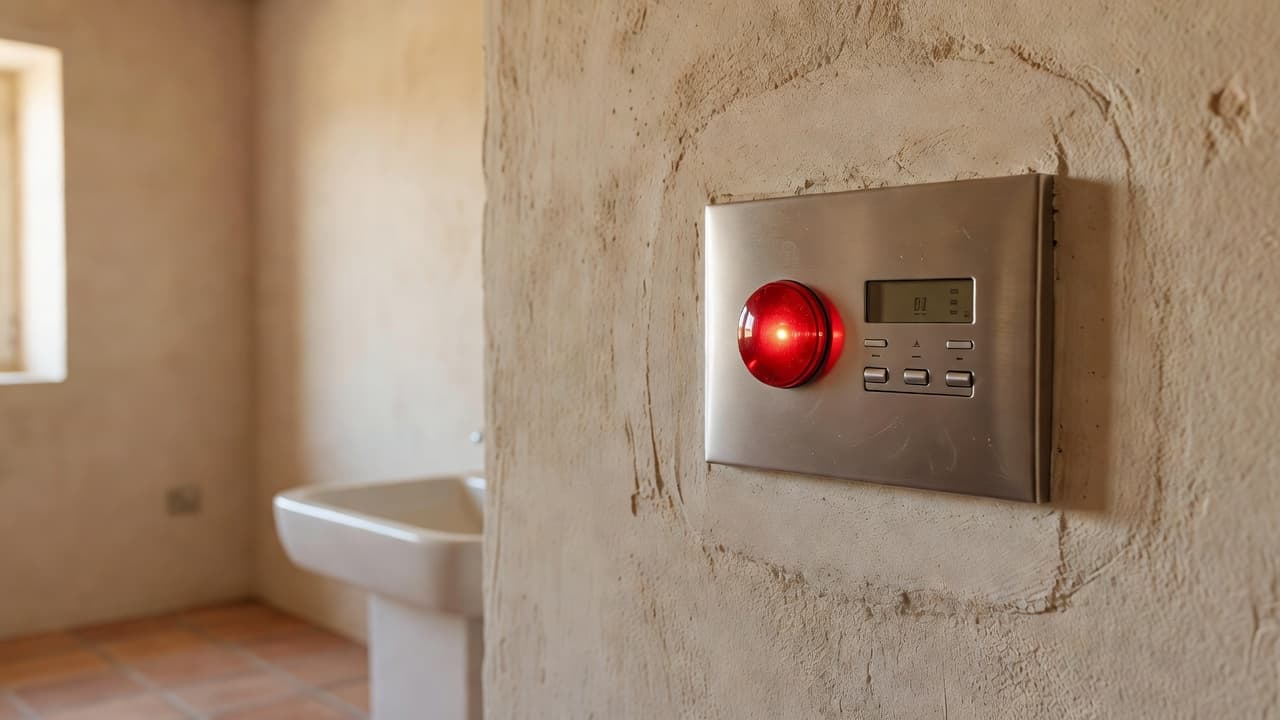
Boiler lockout happens when the boiler detects a fault and shuts down for safety. This could be a failed ignition (gas models), a blocked flue, a faulty sensor, or low gas pressure. The boiler displays an error code.
A broken motorised valve (in some systems) controls where heated water goes—to the radiators, to the hot taps, or both. If this valve jams in the "heating only" position, the hot water circuit is blocked. You'll still have central heating but no hot water from the taps.
Accumulation of air in the system can prevent water from circulating properly, especially after maintenance work or a long shutdown. The water in the pipes isn't reaching the boiler to be heated.
A faulty pump in the heating circuit stops water from flowing through the boiler. The water can't be heated if it's not moving.
If you have an electric water tank (termo eléctrico)—common in Spanish flats—the heating element inside may have failed, or the thermostat controlling it has broken.
If the pressure is low, most boiler control panels have a "fill" or "top-up" button. Press it while watching the pressure gauge. Stop when it reaches 1.5 bar. Do this gently; if the gauge jumps erratically, stop and wait for the plumber—there may be a more serious problem.
If the thermostat is set very low, adjust it upwards to 65°C and wait 20 minutes. Sometimes the boiler needs time to respond.
If the boiler has locked out due to an error code, try a manual reset. Turn off the boiler at the wall switch, wait 30 seconds, and turn it back on. The boiler may restart and try to fire again. If it locks out again within a few minutes, stop trying—let the plumber diagnose it.
For temporary washing in the short term, kettles or a shower over a bucket of cold water with hot water added will work. If you have young children or elderly relatives who need hot water for washing, this becomes a priority call.
Do not try to relight a pilot light, dismantle any part of the boiler, drain the system, or expose any internal components. These steps are for trained engineers only.
Stop and call a plumber or Gas Safe engineer immediately if:
- There is a visible leak around the boiler or pipes that you cannot locate the source of.
- The boiler is making unusual noises: loud banging, hissing, or grinding sounds suggest internal damage.
- You smell gas (a rotten-egg smell). Turn off the boiler, open windows, and call your gas supplier's emergency number. Do not use any electrical switches.
- The boiler is leaking water actively or continuously.
- You see water pooling under or around the unit.
- The boiler has repeatedly locked out with an error code after you've tried to reset it.
- The system pressure is dropping noticeably every day (the gauge falls from 1.5 bar to below 1.0 bar between checks), indicating an ongoing leak.
- There is no display or lights on the boiler despite the wall switch being on—this suggests an electrical fault.
- You have a gas boiler and you are not confident about any of the checks listed above.
A plumber or Gas Safe engineer will begin by checking what you've already noted: the boiler display, the thermostat, the system pressure, and any visible leaks or damage.
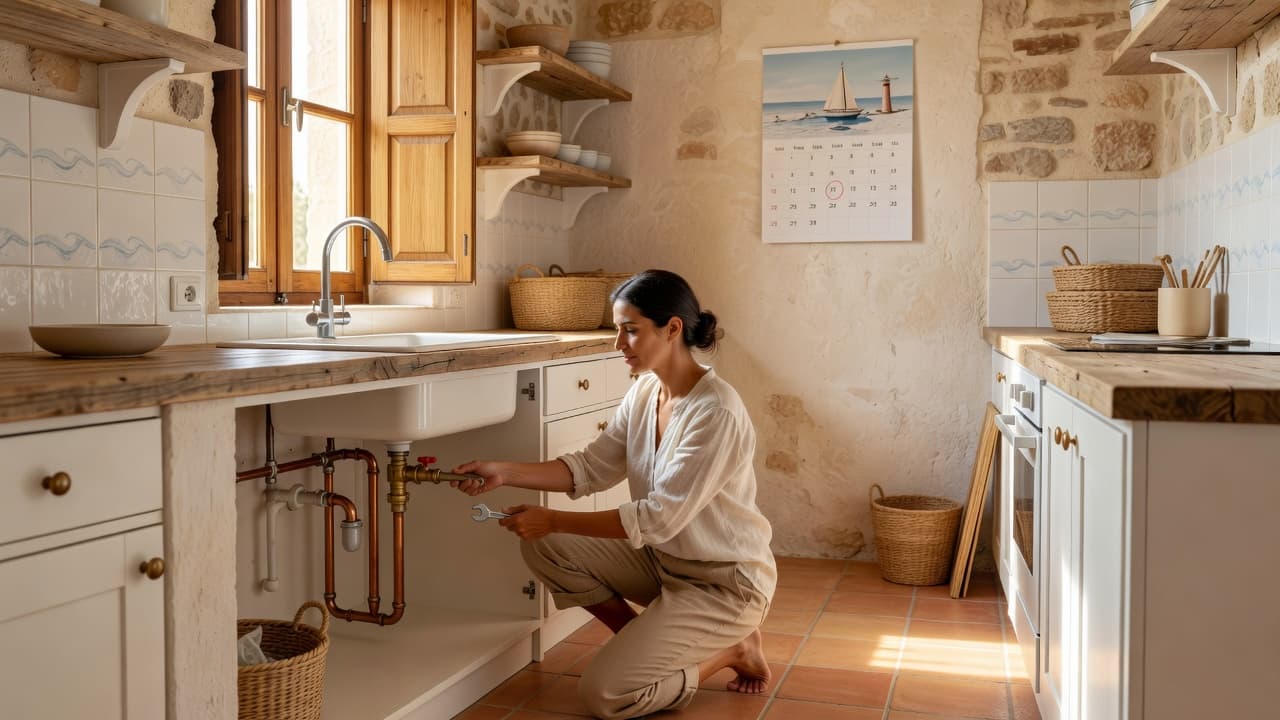
If the pressure is low, they will check for the source of the leak. This might involve inspecting pipe joints under floors or in the airing cupboard, testing the expansion vessel (a small sealed tank that absorbs pressure changes), or checking a mixing valve or pump. Once the leak is found and repaired or the component replaced, they will re-pressurise the system using the filling loop (a temporary hose that connects the mains water supply to the closed circuit).
If the boiler has locked out, they will check for obvious faults: a blocked flue, a failed ignition sensor (gas models), or a fault in the circuit board. Depending on what they find, they may clean the flue, replace a sensor, or recommend a boiler service or replacement. They will then reset the boiler and run it through a heating cycle to confirm it's working.
If the system pressure is normal and the boiler is firing, but no hot water is reaching the taps, they will check the motorised valve that diverts water to the hot taps. They may need to remove and test it or replace it if it's stuck.
If you have an electric water heater (termo), they will check the thermostat dial to ensure it's set correctly, verify the electricity supply, and if necessary, test the heating element and switch off the unit for replacement.
Before they leave, they will run a tap to confirm hot water is reaching it, check the system pressure one more time, and hand you any paperwork (a fault report, a receipt, and any safety documentation). Keep this for your records.
Have your boiler serviced annually. A annual service (often £60–120) catches small faults before they cause a breakdown. This is especially important if your boiler is over 5 years old or has been recently serviced for the first time.
Keep an eye on the system pressure gauge. Check it every few weeks. If the pressure is slowly dropping (falling by 0.2 bar or more each week), you have a slow leak that will eventually become a problem. Call a plumber to find it before it worsens.
Bleed air from radiators once a year. If radiators are not heating evenly or the system is sluggish, air pockets may have formed in the pipes. A plumber can bleed them (a simple, quick job), or you can do it yourself with a radiator key on individual radiators, but don't touch the boiler circuit.
If the boiler is over 10 years old, consider replacing it proactively. Older boilers are less efficient and more prone to faults. A replacement typically costs €1,500–3,000, but you'll save on repair bills and fuel costs.
Don't ignore small leaks. A dripping joint or a weeping connection will eventually cause pressure loss. Have it checked promptly.
If you've checked these points and still can't find the problem, or if you've spotted something that suggests you need a professional, don't wait. Contact a qualified plumber or Gas Safe engineer through find a qualified plumber and describe what you've found. Most plumbers on the Mediterranean coast can visit within 24 hours, and many offer emergency call-outs. The sooner you get it fixed, the sooner your home will have hot water again.