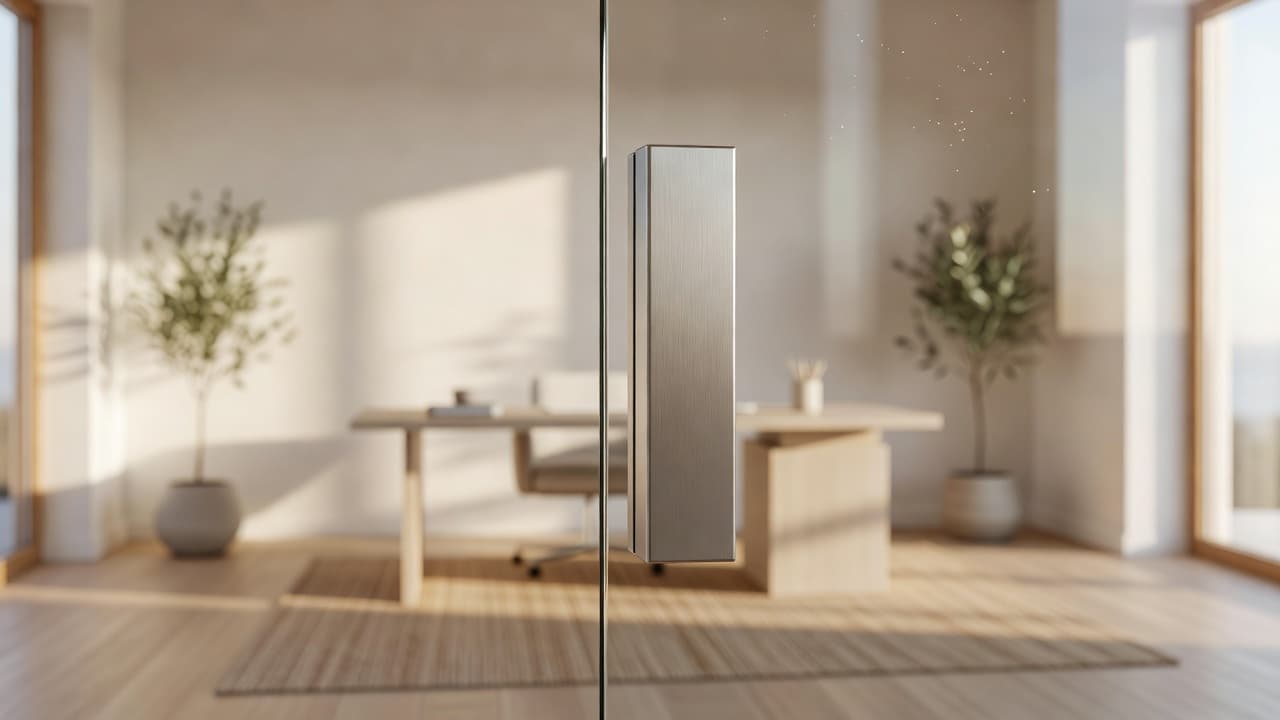
Magnetic locks fail for a few predictable reasons.
Power loss is the most common. A cable has come loose, a fuse has blown, or someone switched off the circuit. This is fixable in seconds.
Misalignment happens when a door has settled, warped, or swollen. Mediterranean humidity and salt air can cause wooden frames to move slightly over months or years. If the magnetic and armature plates are more than 1 cm apart, or if they're not facing each other directly, the magnetic field won't engage.
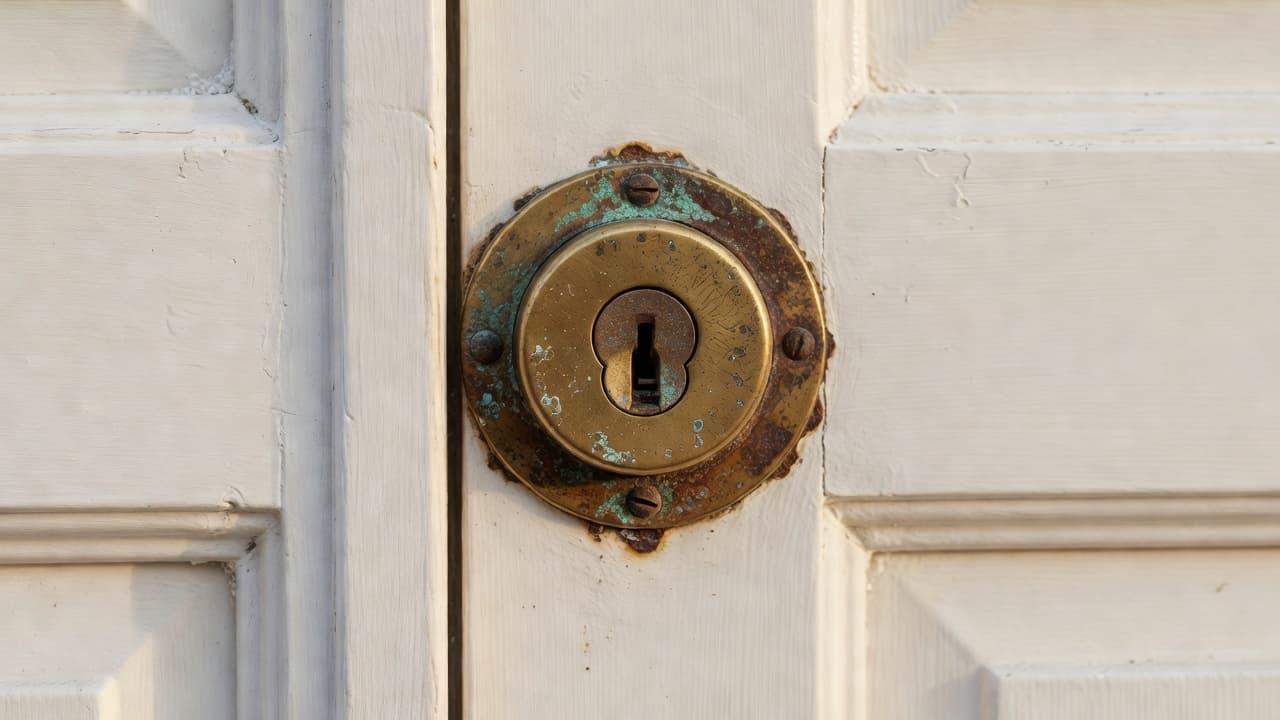
Dirt and corrosion build up on the contact surfaces. Salt air near the coast speeds this up. Dust, fingerprints, or oxidation reduce the magnetic grip.
Electromagnet failure is less common but happens. The electromagnet inside the lock unit burns out, usually due to a power surge or manufacturing fault. Once it fails, it can't be repaired—only replaced.
Loose wiring inside the unit or at the power connection can cause intermittent locking. The door locks one day and not the next.
Broken armature plate occasionally cracks if the door is slammed hard or bumped. A damaged plate won't hold the magnet properly.
Clean the contact surfaces. Turn off the power to the lock. Wait 30 seconds. Use a clean, dry cloth or a soft brush to wipe the magnetic plate (on the door) and the armature plate (on the frame). Remove any dust, salt deposits, or fingerprints. Turn the power back on and test. This fixes about 20% of faults.
Tighten cable connections. If the lock has an external power cable, gently check that it's fully inserted into both the lock unit and the wall socket. Don't force it—just ensure it's seated. A loose connection can look like a dead lock.
Manually secure the door. While you wait for a professional, use a temporary measure: a door wedge, a portable door lock on the inside, or even a small bolt lock on the interior frame if you have one. This isn't a long-term solution, but it gives you security tonight.
Document the fault. Take clear photos of the lock from both sides of the door, the power cable, and the wall socket. Note exactly what happens when you press the button ("silence, no resistance", "soft click but door opens", "intermittent"). A locksmith will ask these questions, and photos speed up diagnosis.
Reset the power cycle. If the lock has a control panel or a battery backup, try switching the power off for 10 seconds, then on again. Some electronic locks reset after a power cycle and work again. This is rare but worth trying.
Do not attempt to disassemble the lock unit, rewire the power connection, or open the mechanism. Those actions risk damaging the lock further or causing electrical hazard.
Stop and call a locksmith immediately if:
- You hear a buzzing or humming sound that wasn't there before. This indicates electrical strain and risk of fire or short circuit.
- The lock unit is visibly cracked, scorched, or burnt.
- Water or moisture is dripping from the unit or visible inside the casing.
- The cable is frayed, cracked, or showing bare wires.
- The power cable is warm to the touch (danger of overheating).
- You've switched the power on and off more than three times with no change—you may be worsening an internal fault.
- The door frame or the glass itself is cracked around the lock area.
- The armature plate is visibly bent or broken.
Any of these signs means the lock is not safe to repair yourself. The risk is electrical shock, fire, or further mechanical damage. A professional locksmith will disconnect it safely, diagnose the problem, and advise on repair or replacement.
A locksmith will start with the same checks you've done, then go deeper.
They'll test the power supply with a multimeter to confirm voltage is reaching the lock unit. If the power is correct but the lock isn't responding, they'll check the control circuit and the electromagnet itself. If the electromagnet has failed, they'll advise replacement—the unit can't be repaired.
If the fault is misalignment, they'll assess whether the door can be adjusted (sometimes shimming the lock or the armature plate corrects it) or whether the door frame has warped beyond adjustment. In older properties or humid coastal areas, frame warping is common. The fix might be as simple as loosening the armature plate, repositioning it, and re-tightening it.
The locksmith will also inspect the power supply routing. If the cable is routed badly or exposed where it could be damaged, they'll advise rerouting it or installing a cover.
Once repaired or replaced, they'll test the lock under full load—opening and closing the door repeatedly to confirm it engages and holds every time. They should also explain any adjustments they've made and confirm the power supply source (for your own reference, in case of future faults).
Most locksmith visits for magnetic locks take 30–60 minutes unless the unit needs replacing, which may add time for ordering.
Check the power supply annually. If the lock uses mains power, ensure the socket is not overloaded and the circuit is dedicated to the lock (not shared with heaters or air conditioning, which can cause power fluctuations).
Clean the contact surfaces every three months, especially if you live near the coast. Salt and humidity accelerate corrosion. A quick wipe with a dry cloth prevents buildup.
Avoid slamming or forcing the door. If the door is sticky or hard to close, the frame may have warped. Address frame issues early—they get worse and can crack the armature plate.
Keep the hinges and frame secure. Loose hinges cause the door to sag slightly, pushing it out of alignment with the armature plate. Tighten them regularly.
If you live in a coastal area or an urbanisation with high humidity, consider having the lock serviced annually. The salt air ages electronic locks faster. A preventive service (cleaning, lubrication, alignment check) costs less than an emergency repair.
Label the power cable or socket. Many homeowners forget which circuit controls the magnetic lock. In a fault, you won't waste time hunting for the right switch.
When your magnetic lock fails, the panic is real—it feels like a security breach. But most faults are straightforward: power loss, dirt, or misalignment. You can diagnose them yourself in five minutes. If it's anything more complex, a professional locksmith will have it fixed in under an hour. The sooner you act, the sooner your office is secure again.
Need help now? Get in touch with a professional locksmith in your area. They'll diagnose the fault and advise on repair or replacement the same day.