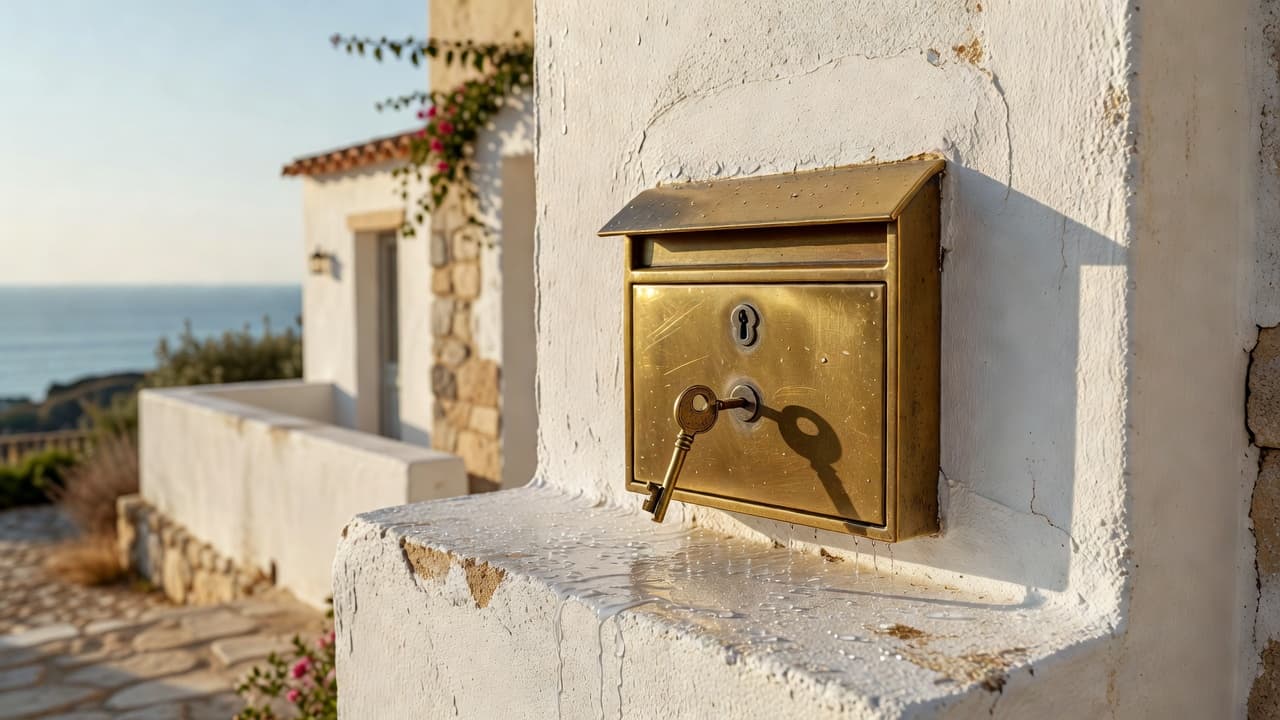
A lost keyring with your address is fundamentally different from losing a house key without context. Once someone knows where you live, they have two pieces of critical information: they know you're the owner (or resident), and they have a key that fits your lock.
Opportunistic theft or break-ins often exploit exactly this scenario. Someone finds the keys, uses an online map or social media to cross-reference the address, and knows the property is likely unoccupied at certain times. Even if the person who finds the keys has no intention of using them, passing them to someone else is possible.
If your keyring also contains identifying information (your name, phone number, or a work ID), the risk compounds. A determined person could use that to pose as you, contact your landlord or letting agent, or gather information about your property online.
The good news: changing your locks stops the threat entirely. Once the cylinder or full lock mechanism is replaced, the found key is useless.
Until your locksmith arrives and changes your locks, take these precautions:
Install a door wedge or portable door stopper. A simple rubber wedge jammed under an interior or exterior door makes forced entry much noisier and slower. It's a visible deterrent.
Use a portable door lock or travel security lock. These clamp over the door handle or bolt. They're cheap (ten euros or so), bought from hardware shops or online, and add a physical barrier. Spanish ironmongers (ferreterías) stock them.
Keep valuables out of sight. Don't leave laptops, jewellery, or cash visible from windows or doors. Burglars often assess from the street first.
Ensure all windows are locked, particularly on ground floors and accessible balconies (common in Spanish apartments and villas).
Ask someone to visit your home daily if you're abroad. A car in the drive or lights on in the evening signal occupancy.
Don't post about the loss on social media. Announcing that your keys are lost and your address is at risk tells potential intruders you know about the security breach and are probably scrambling to fix it — which means you're distracted.
- Your lost keys included a visible full address and your name (on a tag or card).
- You live in an urbanisation or apartment complex where multiple residents share an entrance; a shared building lock is at risk.
- Your keys included a car key and your home address; someone could steal your car and use the address information to trace your home.
- You're away from home (holiday, business trip) and can't monitor your property for at least 48 hours.
- You've found evidence that someone tried your door or accessed your property with a similar key (scratches around the lock, disturbed items).
- Your insurance policy explicitly requires lock changes within a set timeframe after a security breach.
In all these cases, do not delay. Call your locksmith within an hour and request same-day service. It's worth paying a premium for emergency attendance.
Your locksmith will first verify your identity and proof of residence (ID, utility bill, rental agreement, or property deed). This is a standard security check to ensure they're not being manipulated into helping someone else access your home.
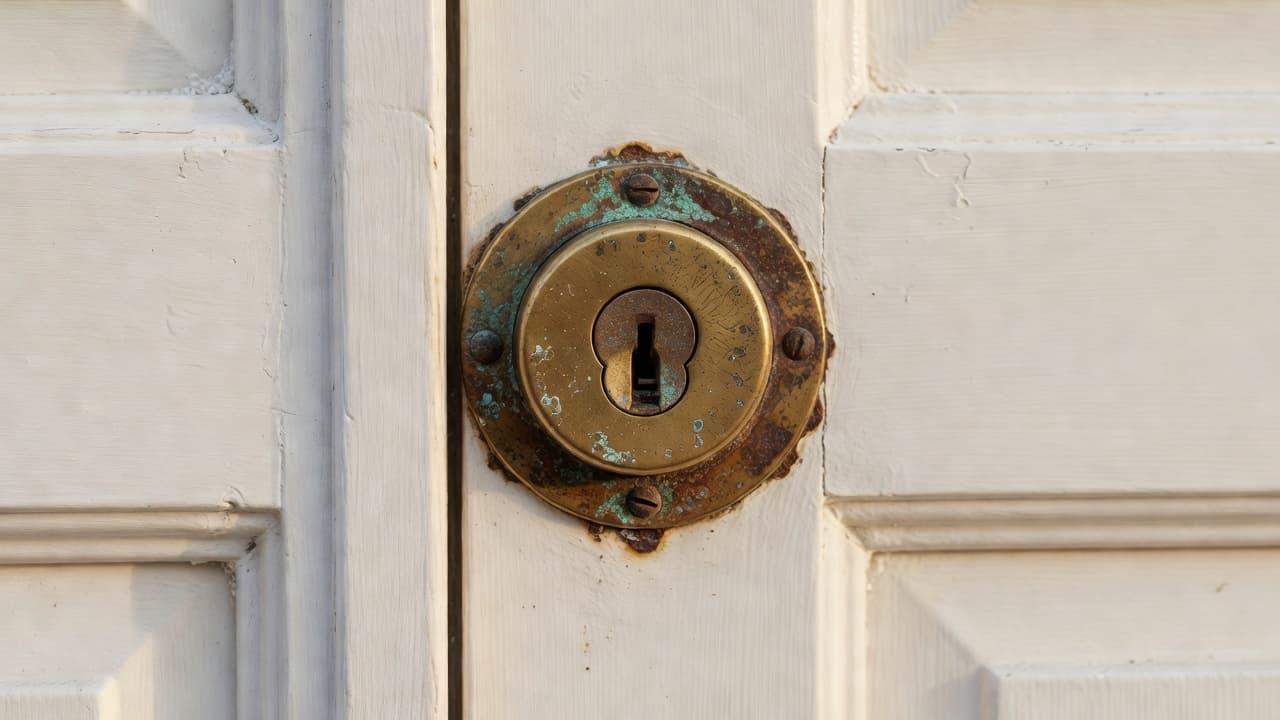
They will then assess your lock. Most homes on Spain's Mediterranean coast use a European cylinder lock (bombín europeo) — the removable barrel that turns when your key enters. If this is your setup, the locksmith will:
- Remove the old cylinder from your existing lock housing.
- Install a new cylinder (bombín) with new keys.
- Test the new key several times.
- Hand you spare keys immediately.
This process takes 15–30 minutes and costs between €60 and €150, depending on the lock type and your location. It's the fastest and most cost-effective response to lost keys.
If your lock housing is damaged or worn, or if you have an unusual lock type (older mortice locks, smart locks, apartment locks managed by the community), the locksmith may recommend replacing the full lock mechanism. This costs €150–€350 but is a one-time investment in security and peace of mind.
The locksmith will provide you with a receipt and documentation showing the work done, the new serial number of your lock, and your new keys. Keep this for your insurance records.
- Engrave or label your key fob clearly with a phone number only — never your full address. If someone honest finds your keys, they can ring you. If someone dishonest finds them, a phone number is far less useful than your home address.
- Consider a smart keyring tracker (such as those using Bluetooth or GPS, readily available in Spain). If your keyring goes missing, you can track it via your phone or alert strangers to return it. This is a modern practical solution.
- Store a spare key in a secure location — not under a pot or doormat, but in a locked box with a trusted person, at your workplace, or in a safe deposit box. If you lose your keys again, you won't be locked out and forced to wait for a locksmith if you're abroad.
- Keep a photo of your house keys (back and front side by side) in your phone or secure cloud storage. If you lose them, you can quickly show a locksmith exactly which key profile they are, speeding up replacement.
- Review your locks annually. If you've lived in the same home for more than five years and haven't changed the locks, consider doing so proactively. Old locks can be picked more easily, and you don't know who else might have copies of your keys.
Your keyring is gone, and your address is exposed. Within the next hour, contact your locksmith, alert your bank, and report the loss to your insurer. A new lock will cost less than a hundredth of what a break-in costs. Don't second-guess this — get it done today.
Contact an emergency locksmith on the Mediterranean coast and describe the security risk. They'll prioritise you, and most will be at your door within hours. This is exactly what they handle.