When a communal key is lost, the main worry is security. Anyone who finds the key has access to the building's main entrance. This is why communities take it seriously: a lost key opens the door to potential break-ins, package theft, or unauthorised access. However, the lock itself hasn't been compromised — only the specific key is missing. That's why replacing just the cylinder is the standard solution.
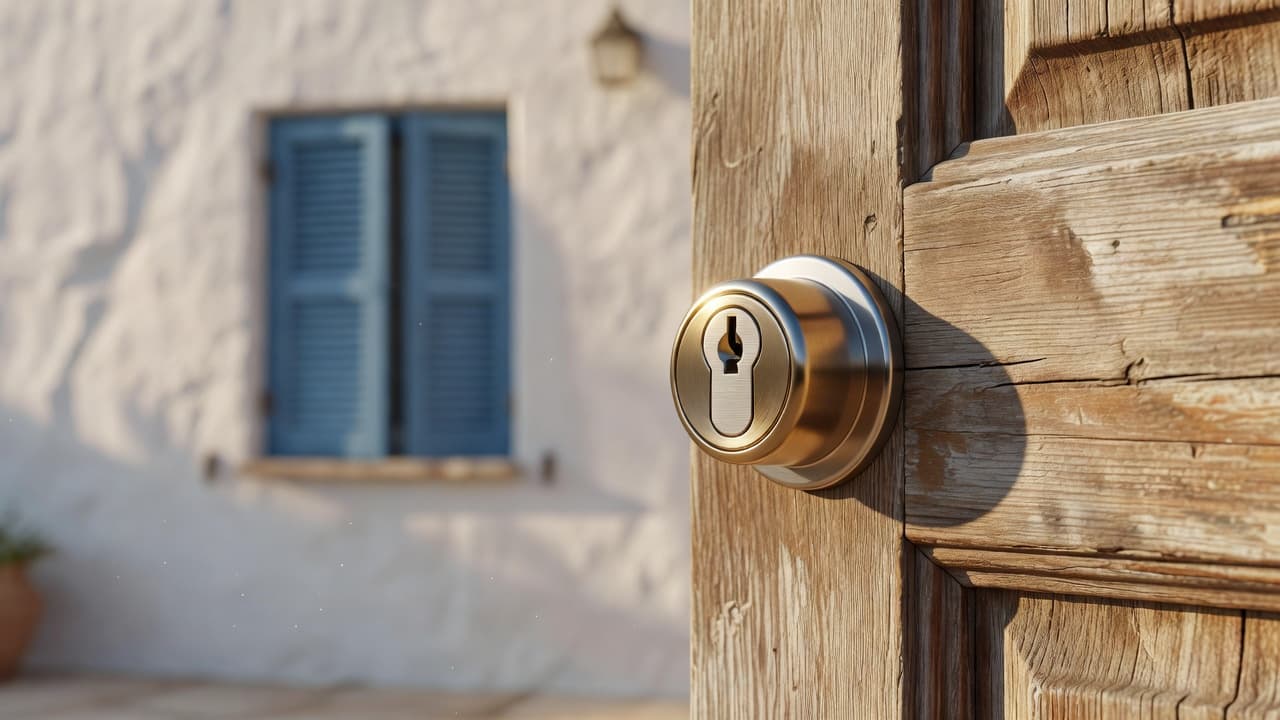
A typical Spanish apartment building's main door uses a European cylinder lock (often called a bombín). This cylinder can be unscrewed from the inside and replaced without touching the lock body. When the locksmith installs a new cylinder, they rekey it — meaning the internal pins are arranged so that your existing door key (if you have a master key or spare) won't work anymore. Only the new keys will open the door. This is a simple but effective security measure.
If multiple people lost the same key (for example, a master key that opens several units), the problem is bigger, and the community may need to replace cylinders on multiple doors. But if it was your personal communal key, just one cylinder change solves it.
There aren't many safe temporary measures for a lost key to the main building entrance. Unlike a burst pipe or electrical issue, you can't really contain this problem yourself. However, here's what you can do:
Ask the community or a neighbour to monitor the entrance for suspicious activity until the lock is changed. This is especially important if the key was lost recently and the building is on a busy street.
If you have CCTV or intercom footage, review it. If the key was lost in a public place (café, beach, supermarket), the sooner you report it as lost, the lower the risk someone will test it on your building's door.
Don't leave a spare key hidden outside the door. This defeats the purpose of changing the lock. If you need a spare, keep it with a trusted neighbour or family member.
Temporarily use a different entrance if your building has one. Some Mediterranean apartment blocks have a rear or side entrance. Use this until the main lock is changed, though this doesn't reduce the actual risk.
The honest answer: you need the professional locksmith. There's no workaround.
Do not attempt to change the cylinder yourself unless you have real experience with locks. Here's why:
Forced or incorrect removal damages the lock body. If you twist the cylinder the wrong way, you can crack the surrounding metal, and then the entire lock assembly has to be replaced — costing much more.
A poorly fitted new cylinder may jam or fall out. If the cylinder isn't seated correctly, the key won't turn smoothly, or the cylinder could dislodge from the door frame.
You may install it backwards or upside down. A cylinder must align perfectly with the lock body's internal mechanism. One mistake and no key will work.
You lose the security audit. A professional locksmith can also advise on whether the lock is old, whether it needs upgrading, or if there are other security issues with the building entrance.
Stop and call a locksmith if:
- You've never changed a lock cylinder before.
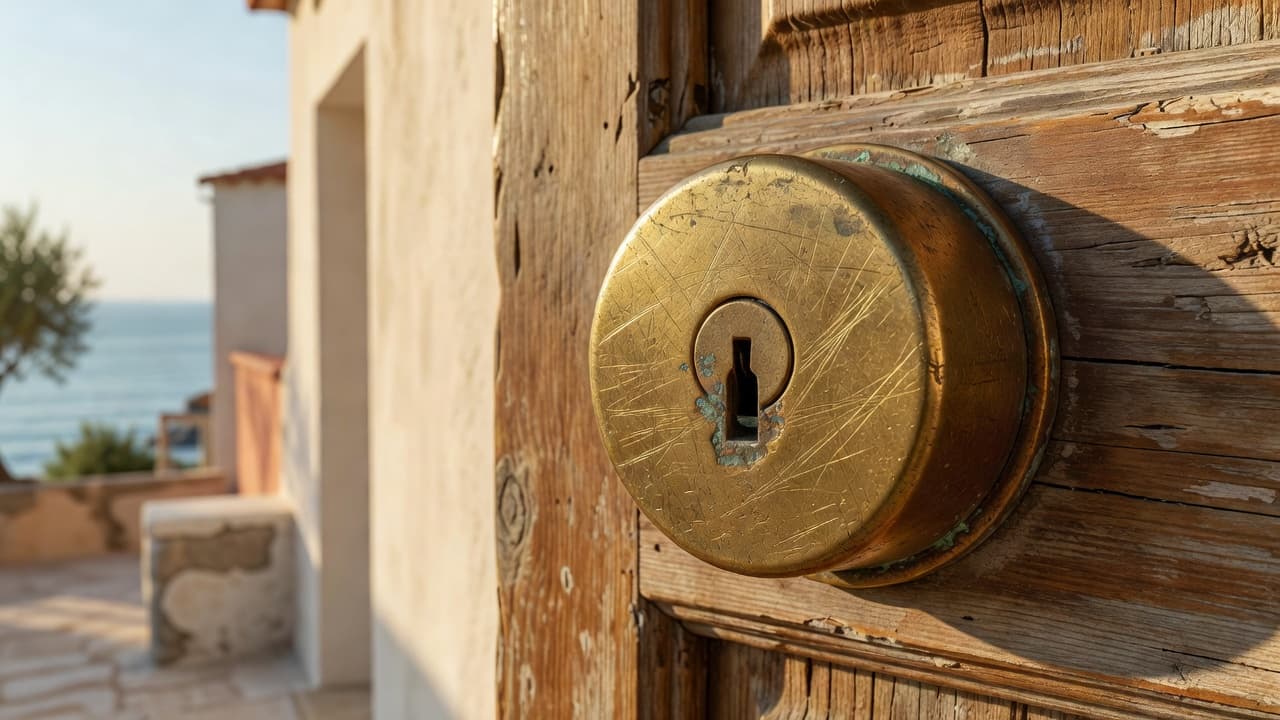
- The lock is old or the cylinder is stuck (corrosion from salt air near the coast is common).
- You're unsure how to remove the retaining screw.
- The door is a fire exit or security-critical entrance — these may have special legal requirements.
A professional locksmith will follow a simple process:
Removal and inspection. They'll first examine the existing cylinder to identify the type and any signs of damage or wear. They'll locate the retaining screw (usually on the inside edge of the door) and check that it's accessible. If the building is in a coastal area and the lock shows corrosion, they may recommend a higher-quality replacement.
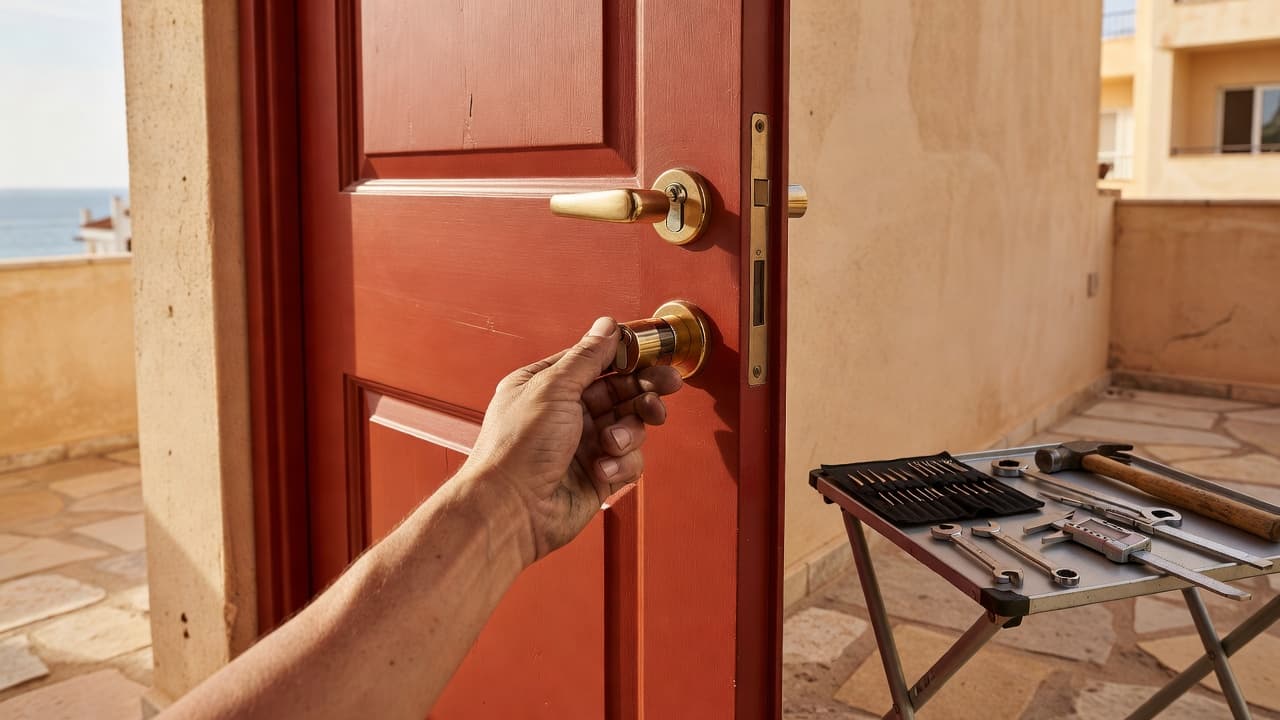
Cylinder removal and replacement. Once they understand the setup, they'll unscrew the retaining pin and carefully withdraw the old cylinder. They'll then insert the new cylinder of the same size and type, ensuring it's perfectly aligned with the lock body. They'll reinsert and tighten the retaining screw. The whole process takes about 15 minutes for a standard door.
Rekeying and testing. Here's the important part: the locksmith will rekey the new cylinder so that only the new keys work. They'll test the new key several times to ensure smooth operation. They'll also cut at least two new keys on the spot. You'll test one of them yourself before they leave.
Documentation. You'll receive an invoice showing the work done, the type of cylinder fitted, and the number of keys cut. Some locksmiths provide a certificate of work, which is useful for your community records. Keep this in case you need to claim insurance or prove to the community that the lock has been professionally changed.
The cost usually ranges from €80 to €150 for the cylinder and labour, plus €3 to €5 per additional key cut. Rates vary slightly by region — the Costa del Sol and Costa Blanca generally sit at the mid-range end.
Keep the communal key on a distinctive keyring. Use a bright colour, a tag with your name, or an easily recognisable shape. You'll spot it faster if you drop it, and others are more likely to hand it in.
Make a spare copy and store it safely. Keep one spare at home, not on your person. If you lose the main key, you'll still have access while the lock is being changed.
Check your keys before leaving public places. Especially at cafés, beaches, or supermarkets on the coast where you may set your bag down. A quick pat of your pocket takes two seconds and saves hours of stress.
Register the key with a digital tag or AirTag. If your phone supports tracking tags, attach one to your keyring. If you drop the key in a public place, you can track its location or ask local businesses to check their lost-and-found.
Inform the community immediately if you lose a key. Don't wait weeks hoping to find it. The sooner the community knows, the sooner they can act, and the lower the security risk to the building.
Use a lockable key box in your home. When you're not carrying keys, store them in a secure place. This prevents family members or visitors from accidentally misplacing them.
Losing a communal key is inconvenient and triggers real concern about building security, but it's a straightforward fix. A single cylinder replacement by a professional locksmith solves it quickly and reliably. Get in touch with professional locksmiths on the Mediterranean coast today to book a visit. Most can arrive within 24 hours, and the whole job is done before lunchtime.