Lock bumping is a technique that uses a specially cut key—called a "bump key"—to manipulate the pins inside a cylinder lock and unlock it without the original key.
Here's how it works (simplified): inside a European cylinder, there are usually six metal pins stacked on top of each other. When you insert the correct key, the cuts on the key push each pin to exactly the right height. When all pins are at the right height, the cylinder turns and the lock opens.
A bump key is cut so that all its peaks are at maximum height. When inserted and tapped (bumped) with force, it causes all the pins to jump upward simultaneously for a fraction of a second. If the timing is right and the lock has no anti-bump defences, this split-second misalignment is enough for the cylinder to turn and unlock.
Why it matters to you: if your lock lacks anti-bump features, someone with a bump key and ten seconds of quiet time can open your door without damage. No broken glass. No forced frame. No obvious trace.
Not all European cylinder locks are equally at risk. Vulnerability depends on the design of the internal pins and the manufacturing quality.
- Budget cylinders from unknown manufacturers or retailers.
- Very old cylinders (pre-2010s), especially in holiday homes that haven't been updated.
- Cylinders marked as "standard security" rather than "high security".
- Locks with simple, uncut pins (smooth, cylindrical pins with no protrusions or serrations).
- Cylinders with anti-bump pins (mushroom pins, serrated pins, or rotating pins that prevent the bumping motion).
- Security-certified cylinders from reputable manufacturers such as ASSA ABLOY, Mul-T-Lock, Securemme, or FAC Premium Range.
- Cylinders marked with EN 1303 Grade 4 or Grade 5 (European security certification).
- Locks fitted with additional mechanical barriers such as security gates or pins that block the lock body unless the correct key is fully inserted.
The problem: many Spanish homes, especially older flats and holiday properties, were fitted with standard cylinders from the 1990s and 2000s that predate widespread anti-bump design. If your lock cost less than €15 when it was installed, it's probably vulnerable.
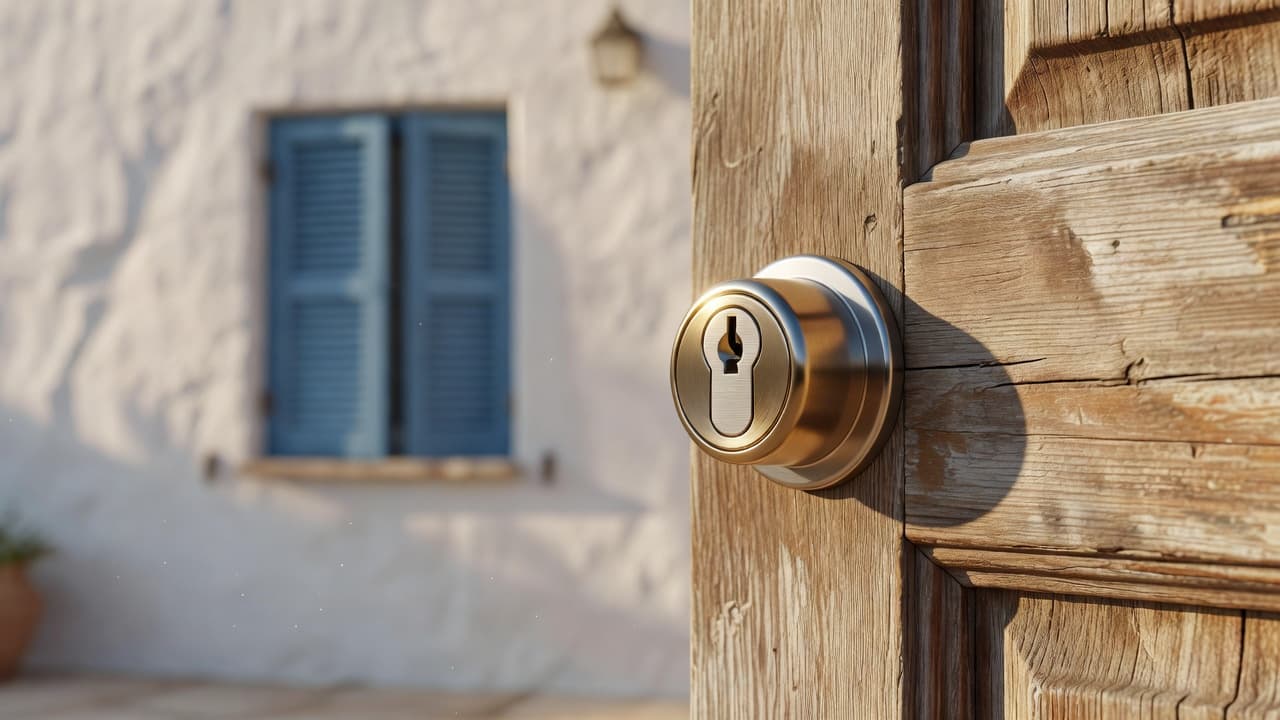
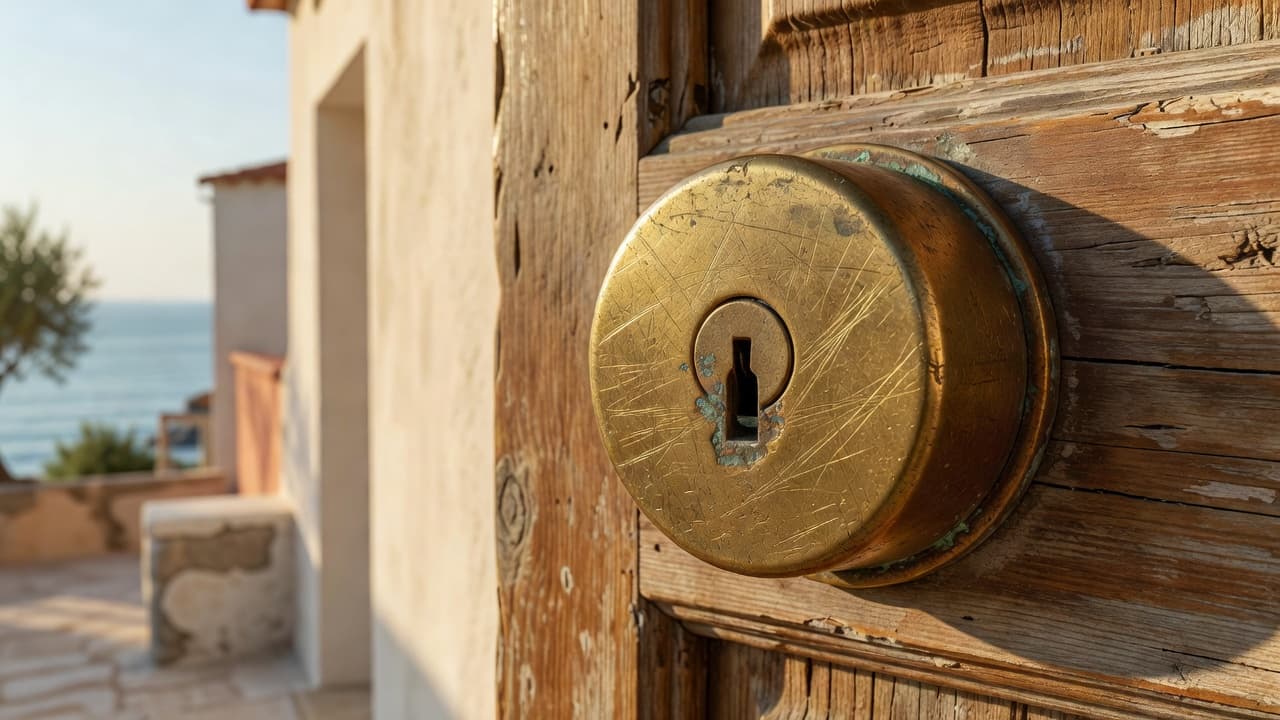
Look at the metal cylinder on your door. Note:
- The brand name (if visible).
- Any model number or code stamped on the cylinder.
- The colour (brass, nickel, or chrome).
- Whether it looks new or old.
This isn't foolproof, but some anti-bump defences are visible:
- Serrated or wavy edges on the keyhole perimeter. Some anti-bump designs have a rougher, less uniform keyhole. Standard vulnerable locks have a smooth, round hole.
- Reinforced key groove. If the key channel looks reinforced or has additional barriers, that's a good sign.
- A second keyway (a smaller hole beside the main one). Some high-security locks have this.
Caveat: a smooth keyhole doesn't automatically mean vulnerability, and a rough keyhole doesn't guarantee safety. Visual inspection is unreliable.
This is the reliable method. Call a locksmith on the coast and tell them:
- The brand and model of your cylinder.
- Or, send a photo of the lock from the inside of the door.
A locksmith can confirm in seconds whether your cylinder is known to be vulnerable to bumping. If the make isn't immediately recognisable, they can test it or replace it with a certified anti-bump model.
Holiday homes and rental properties: many owners and property managers don't update locks between tenants or guests. A cylinder that was standard in 2005 is still standard in 2025 and still vulnerable.
Mediterranean coast properties: salt air and humidity can degrade older locks faster, making them even easier to manipulate. Corrosion may have widened tolerances inside the cylinder, making bumping more likely to succeed.
Shared entrance doors in urbanisations: common-area doors sometimes have older, cheaper locks because they're seen as "temporary" or less critical. They're often the most vulnerable.
- Cost: €50–150 total (part + labour).
- Time: 30 minutes to 1 hour.
- Difficulty: straightforward if you're comfortable with basic tools, or hire a locksmith.
- What to ask for: a European cylinder (bombín) certified EN 1303 Grade 4 or higher, or explicitly marked as "anti-bump resistant".
If you can't or don't want to replace the cylinder, add:
- A door chain or security chain: €5–15. Slows entry by a few seconds. Visible deterrent.
- A security bar or door brace: €15–40. Makes the door harder to push open even if unlocked.
- A deadbolt (if your door allows it): €30–80 + labour. A second, independent lock.
If your door is old and the lock frame is also worn:
- Replace the entire lock set (handle + cylinder + mechanism).
- Cost: €80–250 + labour.
- More secure and often more durable.
Which option is right for you? If bumping is the risk you're concerned about, replacing the cylinder is the most direct fix. If you also want to improve overall break-in resistance, add a secondary defence or upgrade the whole set.
You should call a locksmith for an immediate upgrade if:
- Your cylinder is very old (over 15 years) and you live on the coast or in a holiday home.
- You know the lock is a budget model.
- You've heard about a break-in or bump attack in your urbanisation or area.
- You're about to rent out a holiday home and want to reassure guests.
- You're insecure and want peace of mind.
Upgrading is inexpensive and quick. It's not an emergency, but it's a sensible investment.
When you call a locksmith to upgrade your lock against bumping:
- Inspection and confirmation: they'll examine your current cylinder, confirm whether it's vulnerable, and show you the options for replacement.
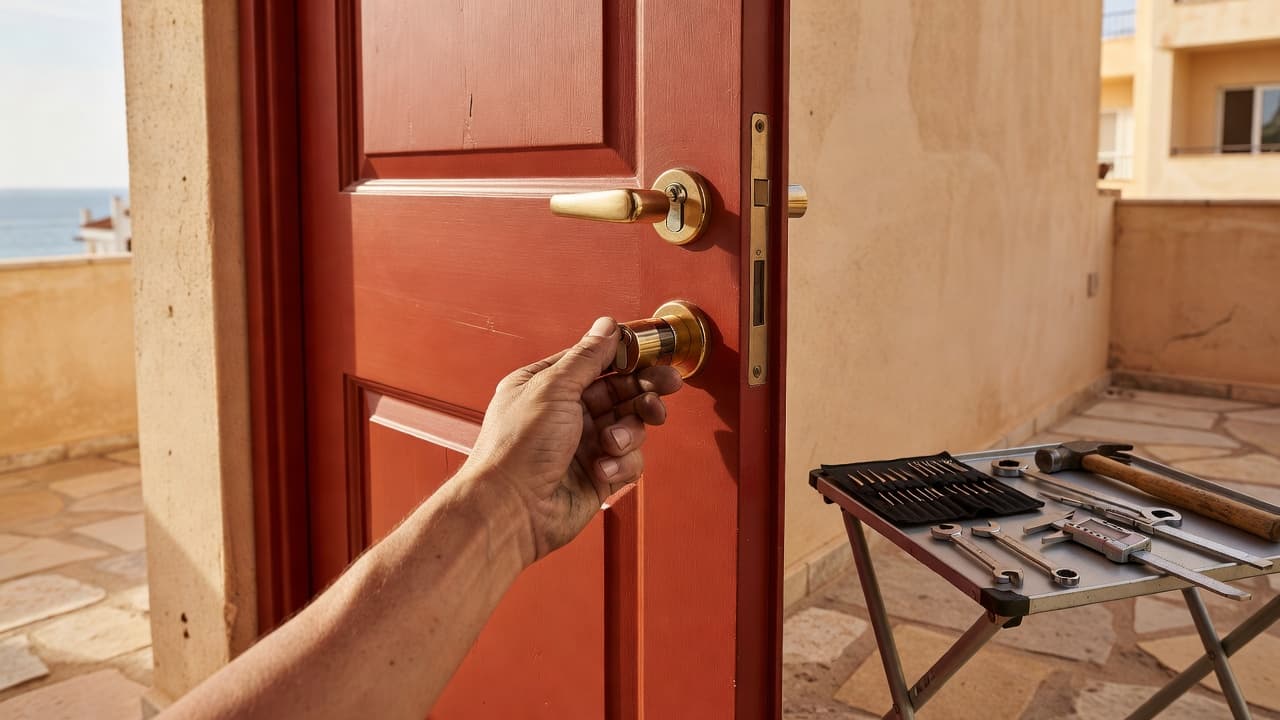
- Removal: they'll remove your existing cylinder (this is straightforward and non-destructive; it usually takes 2–5 minutes).
- Installation: they'll fit the new anti-bump cylinder, test it with the existing key to ensure it works in the frame, and make any minor adjustments.
- Testing and handover: they'll test the lock from inside and outside the door, ensure the key turns smoothly, and explain any new features if applicable.
- Documentation: they'll give you a receipt with the model and serial number of the new cylinder, and usually provide spare keys.
The whole job typically takes 30 minutes to an hour. You'll be given new keys (usually 2–3) which you should keep safe. If you lose them, the locksmith can cut replacements using the cylinder's master code, or you can have the cylinder rekeyed.
- Keep your keys secure. A lost key can be copied into a bump key.
- Maintain your lock. If it's stiff or doesn't turn smoothly, have it serviced. Worn locks are easier to bump.
- Replace cylinders every 10–15 years, especially in coastal homes where salt air accelerates wear.
- Use visible security measures. A sturdy door chain, visible CCTV camera, or security alarm sticker makes your home less attractive to opportunistic entry.
- When renting out a holiday home, upgrade the lock before the first guests arrive. It costs less than a single broken window claim.
If you're unsure whether your lock is vulnerable to bumping, or you want an upgrade, contact a locksmith on the Mediterranean coast. A professional can assess your specific lock, explain your options clearly, and fit a certified anti-bump cylinder in less than an hour. It's affordable insurance against one of the quietest and fastest entry techniques.