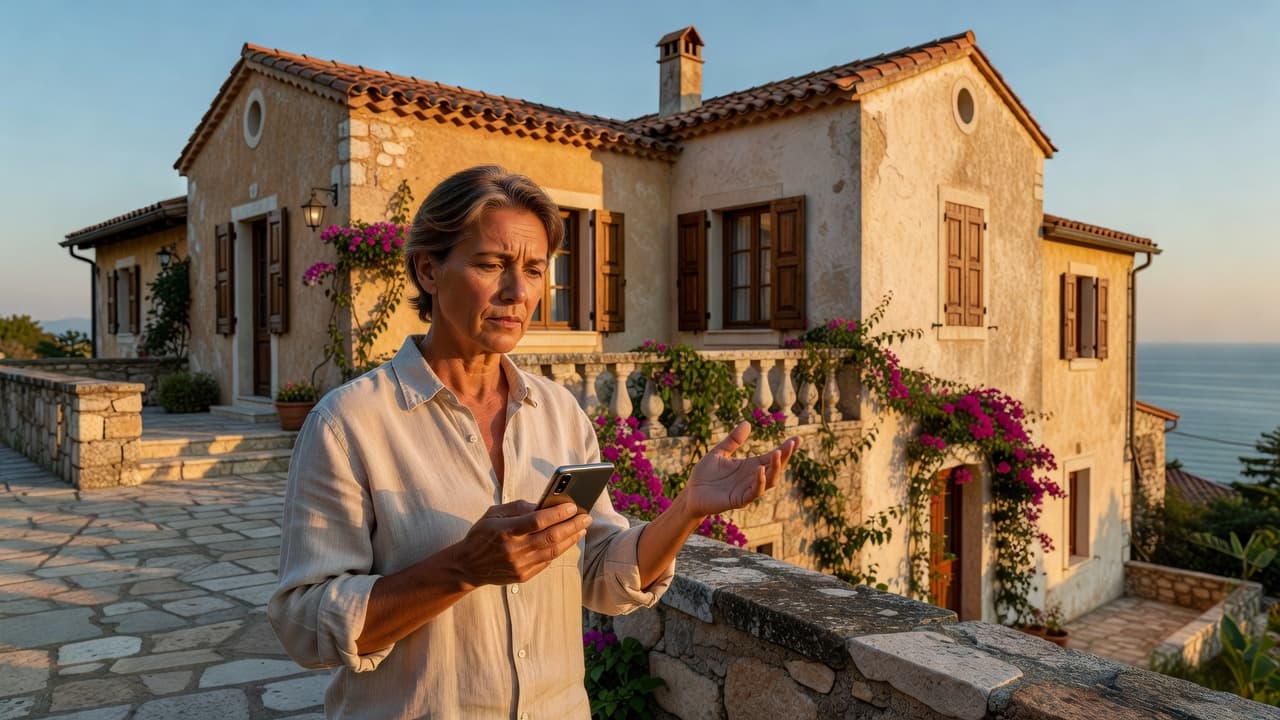
There are three scenarios.
Scenario 1: You lost them in a place you can identify (supermarket, restaurant, car park).
In this case, call that location first. If they haven't turned up within an hour, assume they're gone for good. Someone may have found them and could use them to find your address (your keys, your car registration, your home is now exposed). You must change your lock today or tomorrow at the latest. This isn't optional. Someone has a route to your home and your personal information.
Scenario 2: You lost them in your own home—you can't find them anywhere.
This is less urgent from a security angle, but it's still a problem: you have one less set of keys and you can't lock up properly if you need to go out. If it's late and you're tired, you can safely wait until tomorrow. If you want them replaced today, call a locksmith—they can cut you a new key if they can access your home and examine the lock.
Scenario 3: You lost them outside, in public, but you're not sure where.
This is the scary one. Someone unknown may have your keys. They may find your address via your car registration or other info on your keyring. Change your lock today or first thing tomorrow. Do not sleep on this unless your door is physically deadbolted and you're confident it's secure.
If you're locked out and waiting for a locksmith to arrive, or if it's too late to call today, here's what keeps you safe tonight.
If you're locked out of your home:
- Do you have a trusted neighbour with a spare key? Call them now. This is the fastest and cheapest solution.
- Is there a friend or family member with a spare you gave them months ago? Call them now, even if it's late.
- Only if neither of those works, call an emergency locksmith.
If you're safely inside your home:
- Lock all doors and windows from the inside. Use every lock available: main door bolts, window latches, shutters (persianas) if you have them.
- If your front door has a secondary chain or bolt, use it.
- Don't leave the house unattended until the lock is changed. If you must go out (essential errand), ask a trusted neighbour to keep an eye on it.
- Park your car in a garage or a well-lit area if possible. If someone has your car keys too, don't leave the vehicle unattended.
If you suspect someone else may have your keys:
- Contact your bank or building society if your keys were with any cards or documents bearing financial information.
- If your keyring had your address on it (a label, a package tag), alert the police. File a brief report (denuncia) at your local Policía Nacional or Guardia Civil station. You don't need to visit in person—most stations allow online or phone reports. This creates a record and may help if something happens later.
- ❌ Do not try to pick your lock or force entry unless it's your own home and you're confident the lock isn't damaged. You'll damage it further and the locksmith will have to charge you extra to repair it.
- ❌ Do not ignore the problem overnight if your keys went missing in public. Sleep on it if you're inside and safe, but change the lock by tomorrow evening.
- ❌ Do not try to disable or bypass an alarm system if you have one. Tell the locksmith when you call that you have an alarm and the code, so they don't trigger it. If you've forgotten the alarm code, have the documentation handy (it should be with your tenancy agreement or property papers).
- ❌ Do not call a friend to "break in" for you. A forced entry looks like a burglary to neighbours and can cause unnecessary damage. Call a professional locksmith instead.
When your locksmith arrives, they'll do one of two things.
If you're locked out, they'll open the door.
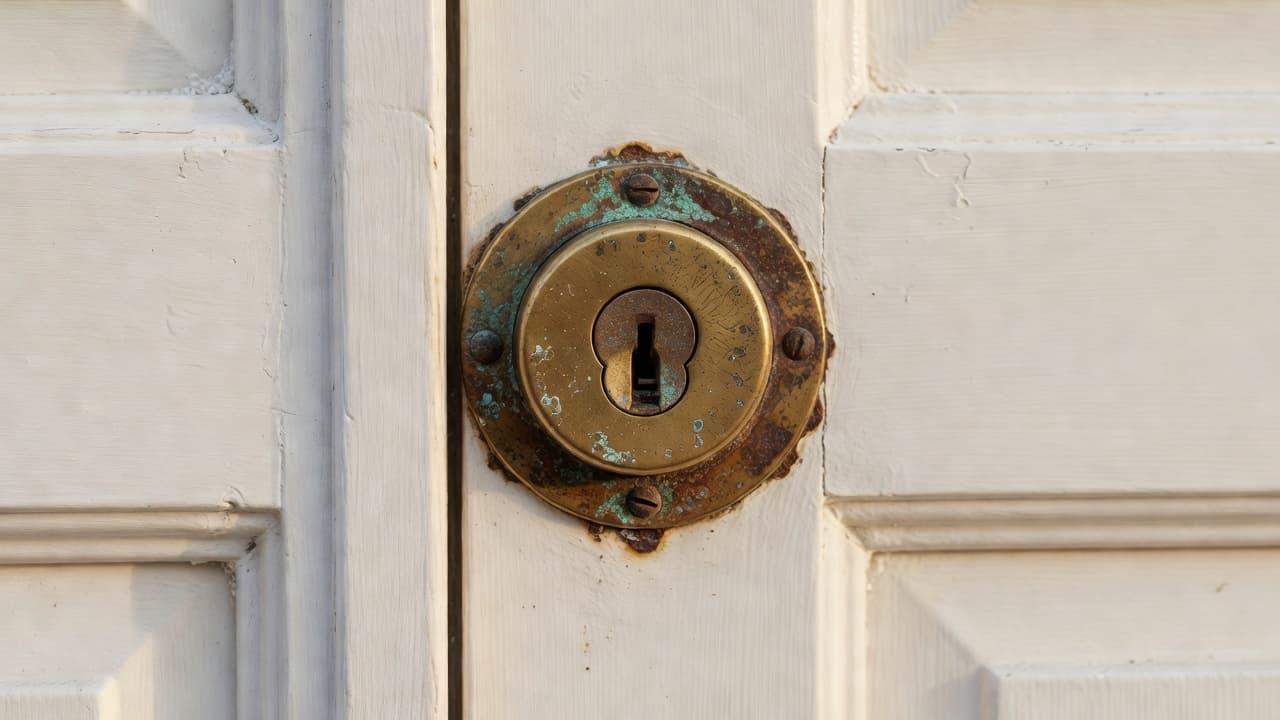
They'll ask for proof of residency (tenancy agreement, utility bill, community of owners letter if you're in a flat—junta de propietarios or comunidad de vecinos) and a form of ID. This is standard; they need to confirm you're not a burglar. They'll use specialised tools to open the cylinder lock (bombín) without significant damage. The process takes 15–30 minutes depending on the lock type and condition. Once you're in, you can decide whether to change the lock that day or book a second visit to do so.
If you want the lock changed, they'll do that while you're there.
This takes longer—typically 45 minutes to an hour for a standard cylinder lock on a European-style door (very common on the Mediterranean coast). The locksmith will remove the old cylinder, measure it (usually 30mm to 40mm), and fit a new one. You'll receive new keys (usually two or three) and the locksmith will hand over a receipt and often a warranty card for the new lock. Keep this receipt. If you're renting, give it to your landlord or property manager. If you're a property owner, it's proof the lock was changed.
Some locksmiths will also suggest a security audit—checking your windows, back doors, sliding doors—especially in ground-floor flats or villas. This is a sales pitch, but it's not unreasonable; if you're already paying for a locksmith, a €20 surcharge for them to check your sliding glass doors isn't bad value.
- Keep a spare key in a safe place. Not under a plant pot or a doormat—those are the first places a thief looks. Give a spare to a trusted neighbour, family member, or friend you see regularly. Store one in a locked drawer at work if you can.
- Use a keyring with identification. A simple tag with your phone number (not your address) means an honest finder can call you. Avoid putting your address on your keys.
- If you have a car, keep car keys and house keys on separate keyrings. If you lose one set, the other remains secure. This is especially wise on the coast, where tourists sometimes accidentally pick up the wrong keys in busy areas.
- Make a note of your locksmith's number. Once this is sorted, ask the locksmith for their card or save their number. You now have a trusted professional for the future.
- For flats and urbanisations, ask your community of owners (comunidad de vecinos) or property manager if they hold a master key or spare. Many do, in case of emergencies. Know the procedure.
You've lost your keys. It's stressful. But you now have a clear path forward: secure your home, call a locksmith, change the lock, and by tomorrow evening you'll have new keys and peace of mind.
If you need a professional locksmith on the Mediterranean coast who speaks English, German or Dutch, we can connect you with someone reliable within hours. Don't wait until you're panicking.