MyCasa Spain
← Back to blog
Locksmith

Locked keys inside the house — what to do now

7 min read

Locked keys inside the house — what to do now

Find a locksmith near you

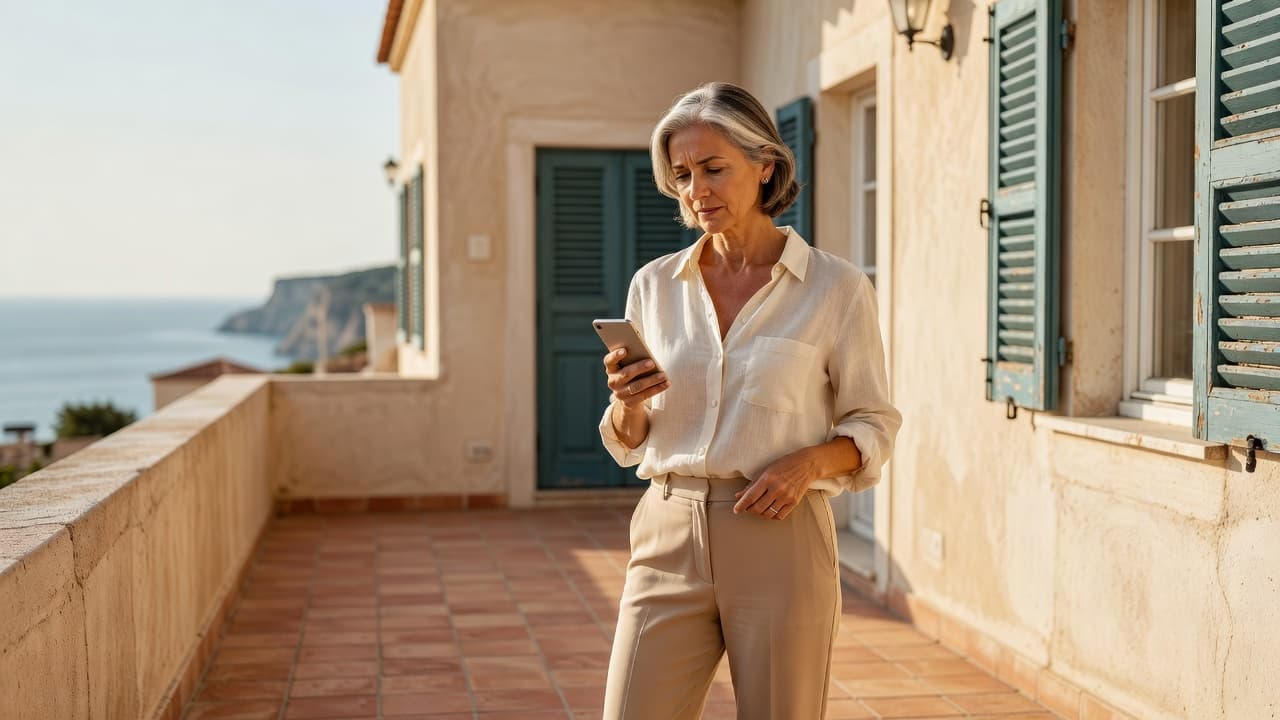
You're outside. Your keys are inside. The first thing to do is stop and take a breath — this is fixable, and it happens to almost everyone at some point.

Here's the truth: unless there's a genuine emergency (a child or vulnerable person alone inside, a medical situation, or extreme weather), you don't need to panic or break anything. A locksmith will get you back in within an hour, and you'll pay a flat fee. Breaking a window or forcing a door costs far more in repairs and potential insurance complications. Your job right now is to stay calm, secure your immediate safety, and prepare the information a locksmith will need.

This guide walks you through exactly what to do, what you can safely check yourself, and what to expect when the professional arrives.

What to do right now

  1. Check all doors and windows quickly. Walk around your property (house or flat) and try each door. Check for an unlocked side door, back entrance, or ground-floor window you may have left open. Don't force anything — just push gently. If nothing opens, move to step 2.

  2. Establish if it's a real emergency. Is there a child, pet, or elderly person alone inside? Is it dangerously hot (over 35°C) or cold? Do you need medication inside urgently? If yes, call emergency services (112) or the Guardia Civil non-emergency line (062) — they can reach your property faster than a locksmith in a true crisis. If no, continue to step 3.

  3. Find a safe place to wait. If it's hot, go to a café or shop nearby. If it's cooler weather, find shelter. Don't stay on the street in direct sun or rain for an hour while waiting.

  4. Take a photo of your door or lock. A clear image helps a locksmith understand what they're dealing with before they arrive. It also protects you — you have documentation of the lock type and condition.

  5. Contact a locksmith. Call during business hours if possible (08:00–18:00, Monday–Friday). Expect to pay more for weekend or night-time calls. Have ready: your address, the type of lock (if you know it), your phone number, and a rough idea of how long you'll wait.

  6. Tell someone where you are. Let a friend, family member, or your landlord know you're locked out and when the locksmith is arriving. This is especially important if you're alone.
Need help with this? MyCasa Spain offers locksmith services in these areas

We coordinate with trusted local professionals across the coast — message us in English or German and we'll take it from there.

Why this happened (and it's more common than you think)

The typical lockout on Spain's Mediterranean coast happens because:

  • You left in a rush. Common on holiday or when heading to the beach early.
  • A gust of wind closed a door behind you — particularly on balconies or terraces in flats where winds funnel between buildings.
  • You stepped outside "for a second" to put bins out, check something, or get post, and the door swung shut while you were holding your keys or had them on a hook inside.
  • A family member or guest locked the door without realizing you were still heading back out.
  • Smart locks or keyless entry failed. If your electronic system is dead or malfunctioning, you're locked out just as much as with a traditional lock.

None of this is a reflection on you. It happens dozens of times a week across the coast.

What you can safely check while you wait

Do these things — they cost nothing and sometimes work:

  • Ask a trusted neighbour. They may have seen you come and go and could help. In urbanisations (gated communities), a neighbour may know your habits.
  • Check for a spare key at a nearby trusted friend's house if you left one there.
  • Contact your landlord or property manager if the flat is rented. They often have a spare or a contact locksmith on speed dial. They're legally responsible for helping you regain access.
  • Call family members. A partner, child, or relative may have a spare key at their own address or remember if you left one somewhere.

Do NOT do these things:

  • ❌ Do not try to pick the lock yourself unless you're genuinely trained.
  • ❌ Do not push on windows or doors with force — you risk breaking them.
  • ❌ Do not climb drainpipes, use ladders unsafely, or enter through a first-floor window (common fall risk, especially on uneven coastal terrain).
  • ❌ Do not smash glass or force hinges. The repair bill will exceed the locksmith fee by a factor of 5–10.

Information to have ready for the locksmith

When you call, the professional will ask:

  • Your full address (including flat number and floor if in a block).
  • Type of door. Is it a wooden external door, a metal security door (puerta blindada), or a flat entrance door? This matters because some require different tools.
  • Lock type, if you know it. European cylinder lock (bombín europeo)? Mortice lock? Digital lock? If you don't know, just say "standard lock" — they'll see it when they arrive.
  • Whether you're the owner or tenant. If rented, they may ask for proof or contact details for the landlord.
  • How long you've lived there. First-time break-in or a repeat? This helps them understand the situation.
  • Whether you can wait at the property or prefer them to call on arrival. If you're in a communal building (urbanisation or flat block), they need to know how to get to your door.

What to expect when the locksmith arrives

A professional locksmith on Spain's Mediterranean coast will typically:

  1. Verify your identity and ownership/tenancy. This usually means showing ID and proving you live there (utility bill, rental contract, etc.). If you're renting, they may need landlord authorisation. This protects both you and them.

  2. Inspect the lock. They'll examine the door, the lock mechanism, and the frame. They're checking for damage, the lock type, and the best way to open it without harm.

  3. Give you a quote. Legitimate locksmiths will tell you the fee before they start. In Spain, typical costs are:

    • Call-out fee: €80–150
    • Opening a standard lock: €30–80
    • Emergency surcharge (nights, Sundays): +50–100%

    Ask for a receipt with the work description and cost breakdown.

  4. Open the door. For a standard European cylinder lock, this takes 10–20 minutes. They use non-destructive methods if the lock allows. If the door frame is damaged or the lock is very old, they may need to force it — this should be discussed first.

  5. Hand you a receipt and information. Keep this for insurance purposes. Some locksmiths also leave details of the lock opened, which is useful for future reference.

  6. Advise on re-keying or repairs. If the lock is old, damaged, or frequently jamming, they may suggest replacing it. Listen — Mediterranean salt air and coastal humidity corrode locks faster than inland. A preventive lock replacement (€80–180) is cheaper than repeated call-outs.

How to stop this happening again

  • Leave a spare key with a trusted neighbour (write it down and hand it physically — don't rely on them remembering).
  • Keep a spare at a friend's house nearby or with family in another city.
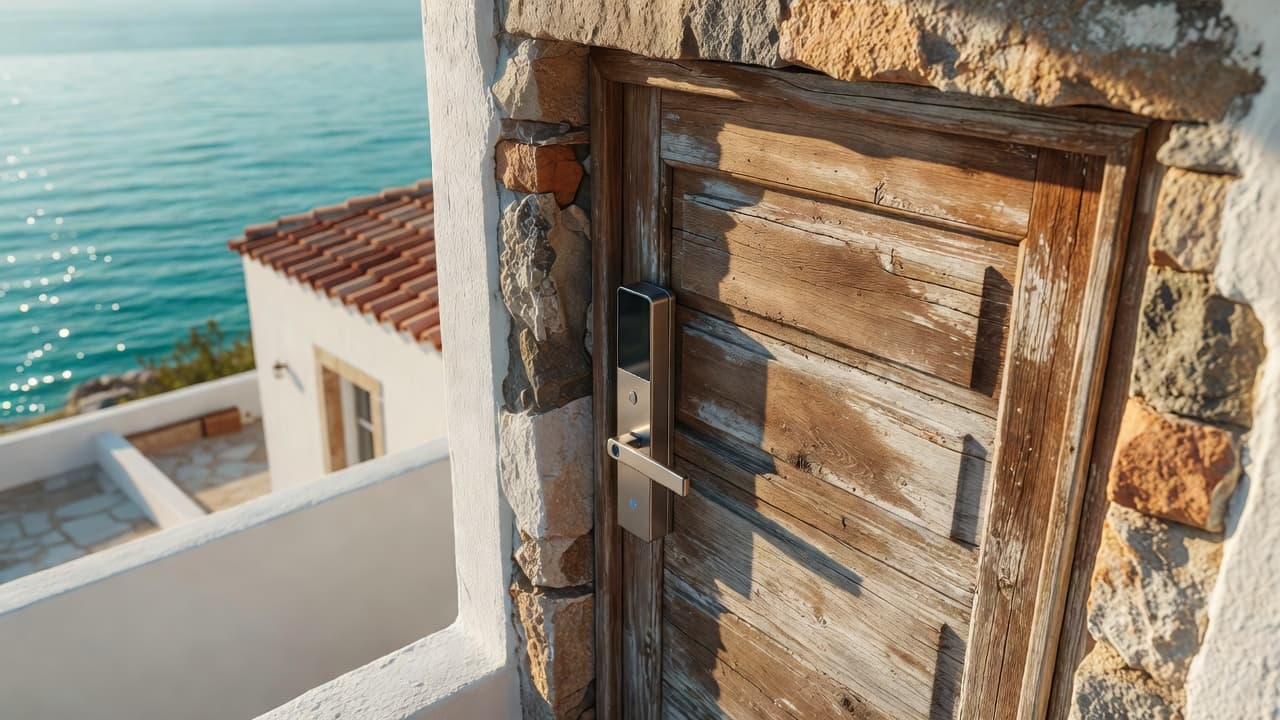
  • Install a keypad or smartlock if you own the property. Costs €150–400 but eliminates this problem. Check landlord approval if renting.
  • Use a key safe (small combination box) on a fence or wall if you're comfortable with that. Choose a hidden, inconspicuous spot.
  • Develop a habit: keys out and in hand before closing the door. It sounds simple, but deliberately checking your pocket or bag before stepping outside prevents 90% of lockouts.
  • If you're renting, ask the landlord to install a spare key box or keep a spare at the property management office.

If you're locked out right now on Spain's Mediterranean coast, find a professional locksmith near you who can arrive within the hour. They'll handle this quickly and with no damage — that's their job. You'll be back inside before you know it.

Don't know who to call?

New to Spain and don't know a single local tradesperson? Tell us what's wrong and where you are — we'll speak to you in English or German and put you in touch with a trusted local professional.

Frequently asked questions

MyCasa Spain Team

Editorial

The MyCasa Spain editorial team writes practical guides to help you keep your home in Spain running smoothly.

You might also like

Visit the blog →
Key Won't Turn in the Lock | Common Causes
Locksmith

Key Won't Turn in the Lock | Common Causes

MyCasa Spain Team 7 min read

Key snapped in lock – what to do now
Locksmith

Key snapped in lock – what to do now

MyCasa Spain Team 8 min read

Smart locks for holiday homes with poor WiFi
Locksmith

Smart locks for holiday homes with poor WiFi

MyCasa Spain Team 12 min read