When all the lights in one room stop working together, there are usually three causes:
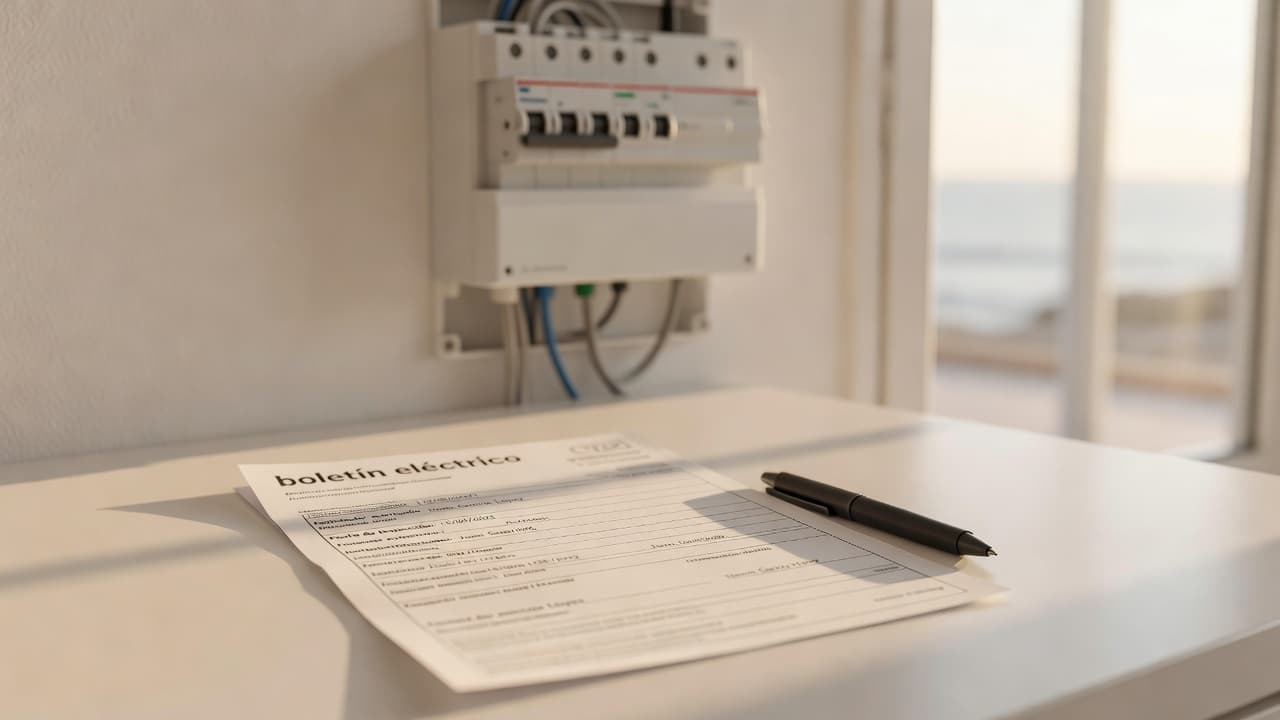
A tripped circuit breaker (most common). Your home's electrics are divided into circuits, each protected by a switch called a circuit breaker (or, in older homes, a fuse). When there's a fault — a short circuit, an overload, or a surge — that switch automatically cuts off power to stop damage or fire. It's not a problem; it's a safety feature working as intended. One moment of annoyance now beats an electrical fire later.
A fault with the wiring or installation in that room. Sometimes a wire inside the wall is damaged, corroded, or poorly connected. This triggers the breaker to trip. On Spain's humid Mediterranean coast, salt air and moisture can corrode connections in older properties. If the breaker trips repeatedly, a wire is likely the culprit.
A faulty appliance or fitting in the room. A broken light fitting, a damaged socket, or a plug left in a faulty socket can cause a trip. Less common, but worth checking.
All the bulbs have failed at once (rare). If every single bulb in that room has blown, the lights will be out even if the circuit is fine. This is unusual unless the room hasn't been used for months.
If the circuit breaker has tripped once and now stays on, you can safely use the room. The system has done its job.
If you've found a faulty appliance — a lamp that sparked, or a socket that looks scorched — unplug it and don't use it again. Call an electrician.
If the room feels damp or you've recently had water problems there, avoid using sockets and light fittings if possible. Water and electricity don't mix.
You can replace a blown bulb safely while waiting for an electrician, if you want to test whether the circuit itself is working. Use the same type and wattage as the original.
Stop and call an electrician immediately if:
- The circuit breaker trips again within minutes of you switching it back on.
- More than one circuit is affected (lights out in multiple rooms or multiple types of appliance).
- You smell burning, or see scorch marks, melting, or discolouration around the consumer unit, sockets, or fittings.
- Water is involved (a leak near electrics, wet socket, damp room).
- The consumer unit is hot to the touch.
- You're not sure which switch controls the room, or the consumer unit is unfamiliar or damaged.
- The lights flicker or dim unexpectedly before going out.
These are signs of something beyond a simple breaker trip. Turning it back on could be dangerous.
A qualified electrician will first ask you when the lights went out, whether you heard or smelled anything unusual, and whether anything in the room was in use at the time. These details help them diagnose the fault.
They'll inspect the consumer unit to confirm which circuit is affected. They'll then test the circuit with a device that measures electrical resistance and continuity, to check for faults in the wiring. If the circuit tests safe, they'll look at the light fittings and switches in the room for visible damage, loose connections, or signs of heat damage.
If they find a faulty fitting, damaged switch, or corroded socket, they'll either repair or replace it. If the wiring is the problem, they may need to trace it inside the wall, which sometimes involves removing a fitting or socket to access it. In coastal properties where salt corrosion is common, older copper wiring can deteriorate inside walls; this is more involved and may require partial rewiring of that circuit.
Once the fault is fixed, they'll switch the breaker back on and test it — usually by plugging in a lamp or using a test device. They should confirm the lights work and that the breaker stays on. Ask them to explain what they found and why it happened. A good electrician will hand you a note of the work done, especially if they've had to open the consumer unit or modify wiring.
Don't overload one circuit. If the room is your bedroom and you've just plugged in a heater, fan, and phone charger all at once, and then the lights trip, you've probably exceeded the circuit's capacity. Use a lower-power appliance or spread usage across different sockets on different circuits.
Keep moisture away from electrics. If the room tends to be damp, ensure it's well ventilated. If you've had a leak near electrics, get it checked by an electrician before resuming full use.
Don't ignore repeated trips. If the breaker trips again within a few weeks, it's a sign of an underlying fault. Call an electrician rather than repeatedly switching it back on.
Avoid daisy-chaining adapters and extension leads. A long chain of adapters and multi-sockets concentrates load on one point and increases fire risk. Use individual sockets where possible.
When your room goes dark, take a breath. Check the circuit breaker first — it usually solves the problem in ten seconds. If it doesn't stay on, or if anything looks scorched or smells wrong, that's when you call a professional. A qualified electrician on the Mediterranean coast can diagnose it quickly and get you back to normal. Don't spend hours troubleshooting; that's what they're trained for.