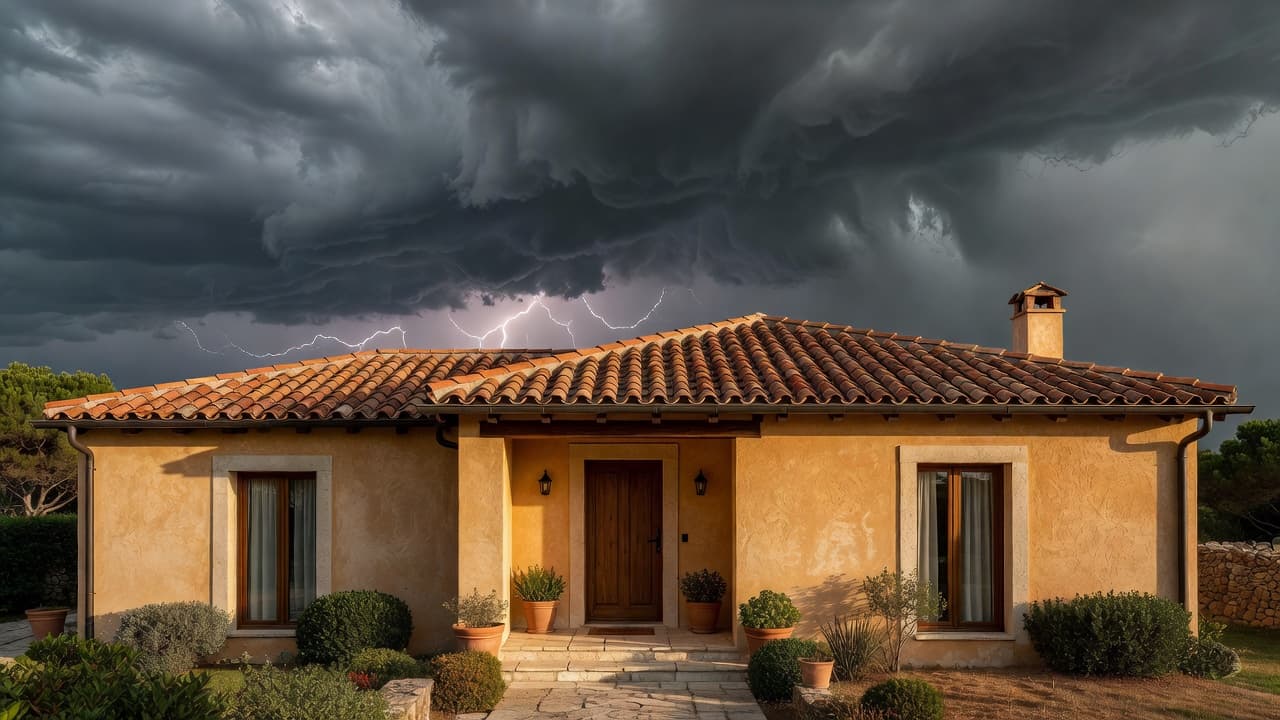
A lightning strike — even one that hasn't directly hit your home — creates what's called a power surge. This is a sudden, massive spike in electrical voltage that travels through the power cables and into everything connected to them. In Spain's Mediterranean climate, with frequent summer thunderstorms on the coast, this is not uncommon.
The surge travels along your electrical installation and "fries" the sensitive electronics inside your appliances. Some items are more vulnerable than others. Your TV, microwave, computer, washing machine, and air conditioning unit all contain circuit boards that are easily damaged. Even a kettle or toaster can be affected if its internal thermostat or switch has an electronic component.
The reason some appliances still work while others don't is that they don't all draw electricity on the same circuit, or they're not all plugged in when the surge hits. A device that was switched off or unplugged at the moment of the strike might escape damage. But appliances left on or in standby mode (drawing power even when you're not using them) are almost certain to be damaged.
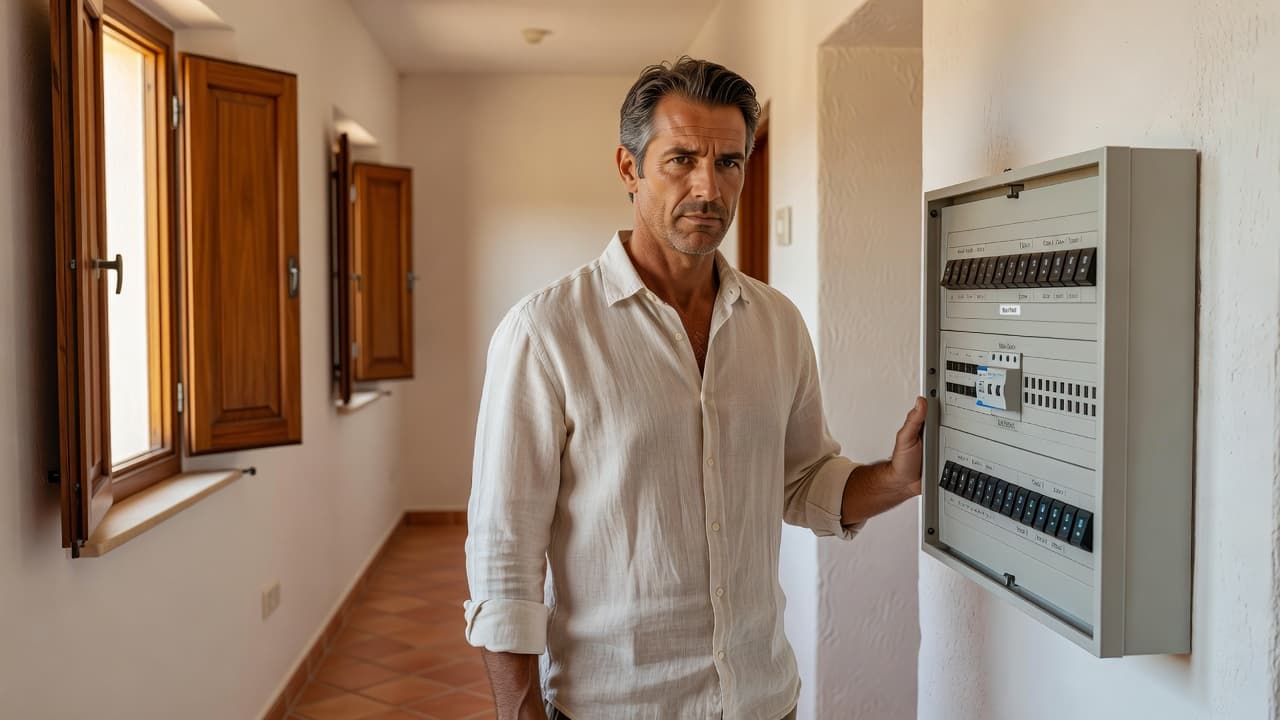
The real danger, though, isn't just the appliances. The surge can also damage your main electrical installation itself — the consumer unit, the earthing system, and the hidden wiring in your walls. This damage is invisible, but it can make your home unsafe.
There are very few temporary fixes you can safely make here. The priority is not to repair anything, but to avoid making the situation worse.
Do not try to replace fuses or reset circuit breakers yourself. If you see a switch in the "off" position in your consumer unit, leave it alone. That's a safety device doing its job — it's telling you something is wrong.
Do not unplug appliances and try them in different sockets. The surge has affected your whole electrical installation, not just one socket, so moving a damaged appliance won't help.
Do not use extension leads or power strips to plug appliances back in. This bypasses some of your home's safety features.
The only safe temporary measure is to manually disconnect the appliances that aren't working so they're not drawing power on a damaged circuit. Unplug them and leave them unplugged until the electrician has checked them.
If you need to use electricity for essential items (lighting, fridge, heating), wait 30 minutes after the strike, then turn the main switch back on cautiously. If you hear clicking noises, smell burning, or the main switch immediately trips, turn it off again and call the electrician immediately — don't wait.
Call an electrician immediately if you see any of these:
- Scorch marks or melting on the consumer unit, plugs, or sockets.
- A burning or electrical smell anywhere in the house.
- The main switch or any individual circuit breaker won't stay on — it keeps tripping.
- Visible damage to external electrical equipment (meter, junction boxes, exposed wiring).
- Your home is part of an urbanisation (complex of flats or villas) and the strike may have affected the community's main installation.
- You're unsure about the location or operation of the main switch.
- Any appliance shows visible damage.
Do not attempt to:
- Open the consumer unit or touch any exposed wiring.
- Test individual circuits yourself using a multimeter (unless you're a qualified electrician).
- Replace damaged sockets or switches.
- Ignore a tripping main switch and keep resetting it.
Lightning is unpredictable. If you have any doubt about the safety of your electrical installation after a nearby strike, the only safe choice is to call a professional electrician. In Mediterranean coastal areas, where thunderstorms are frequent, electricians are very familiar with surge damage and know exactly what to look for.
When you call a professional electrician, explain that there's been a lightning strike nearby and multiple appliances have stopped working. They'll treat it as a potential safety issue and will typically visit the same day or the next morning.
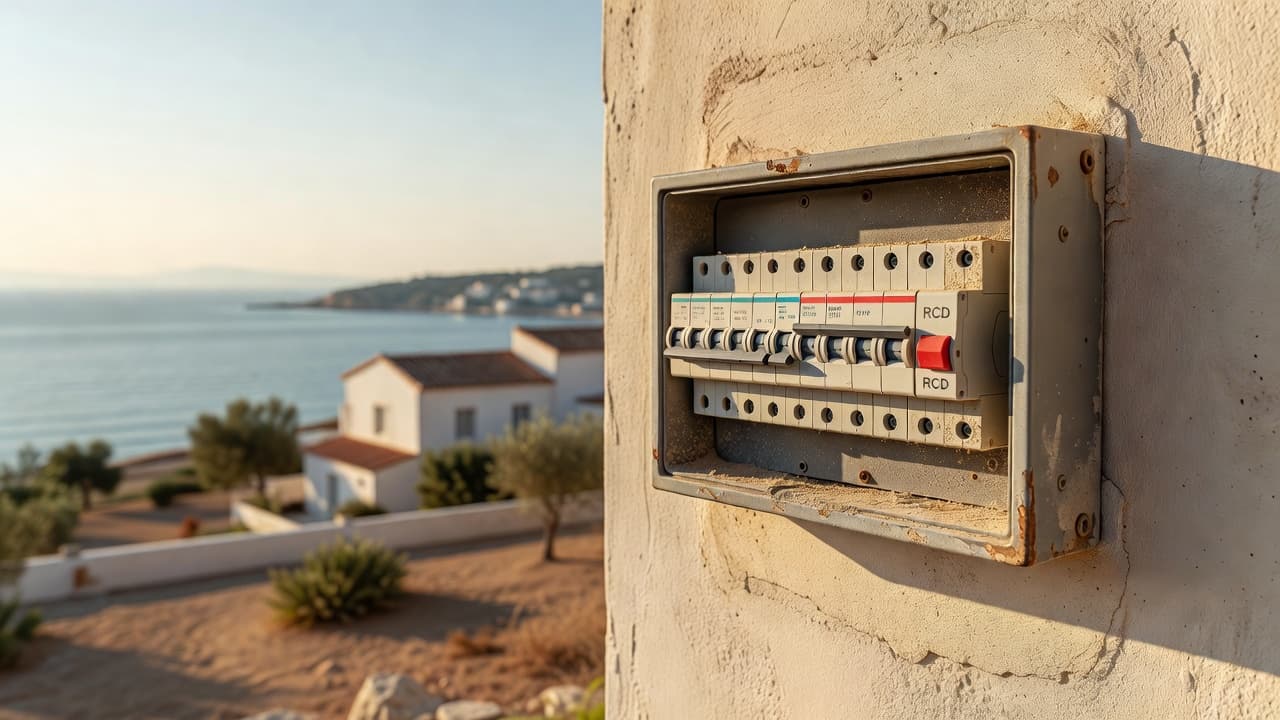
The electrician will start by visually inspecting your consumer unit and the main earthing system (the grounding cables that protect your home from electrical surges). They'll look for scorch marks, melted components, and any sign that the surge protection devices (RCD switches and circuit breakers) have been damaged.
Next, they'll test the installation using a specialist testing device to check that the earthing is still working properly. A lightning strike can sometimes damage the earth connection, which is critical for safety. They'll also inspect visible wiring, sockets, and plugs.
Then they'll assess the damaged appliances. Most won't be repairable — the internal damage from a surge is permanent. The electrician will confirm which ones are beyond use and recommend replacing them. They'll provide you with a written report documenting the damage, which you can submit to your insurance company if you're claiming.
Finally, they'll advise whether your home's electrical installation is safe to use. In most cases, after a nearby (not direct) strike, the installation itself is fine, but you may benefit from installing surge protection devices on your consumer unit to prevent this happening again. These are inexpensive and can save thousands in damaged appliances during future storms.
If you live on the Mediterranean coast or in an area with frequent thunderstorms, consider talking to an electrician about surge protection. A surge protector at the consumer unit level — not just plug-in adapters — can shield your entire home. This is a small device installed by the electrician that diverts power surges safely to earth before they reach your appliances.
Plug-in surge protectors for individual appliances (your TV, computer, washing machine) also help, but they're a second line of defence, not a complete solution.
If you're in an urbanisation (a complex of flats or villas), ask your community administrator (gestor) or the community of owners' representative about whether the building's main earthing system was checked recently. Shared electrical installations sometimes have weaker earthing if they're older.
During a thunderstorm, the simplest precaution is to unplug appliances you're not using, especially sensitive ones like TVs and computers. It takes a few seconds and significantly reduces the risk of damage.
If lightning has struck nearby and your appliances have stopped working, the safest course is to switch off the main electrical switch, leave everything unplugged, and call a professional electrician on the coast today. They'll inspect your installation, confirm whether it's safe to use, and provide documentation for your insurance claim. Don't wait — electrical damage from lightning can be invisible but dangerous.