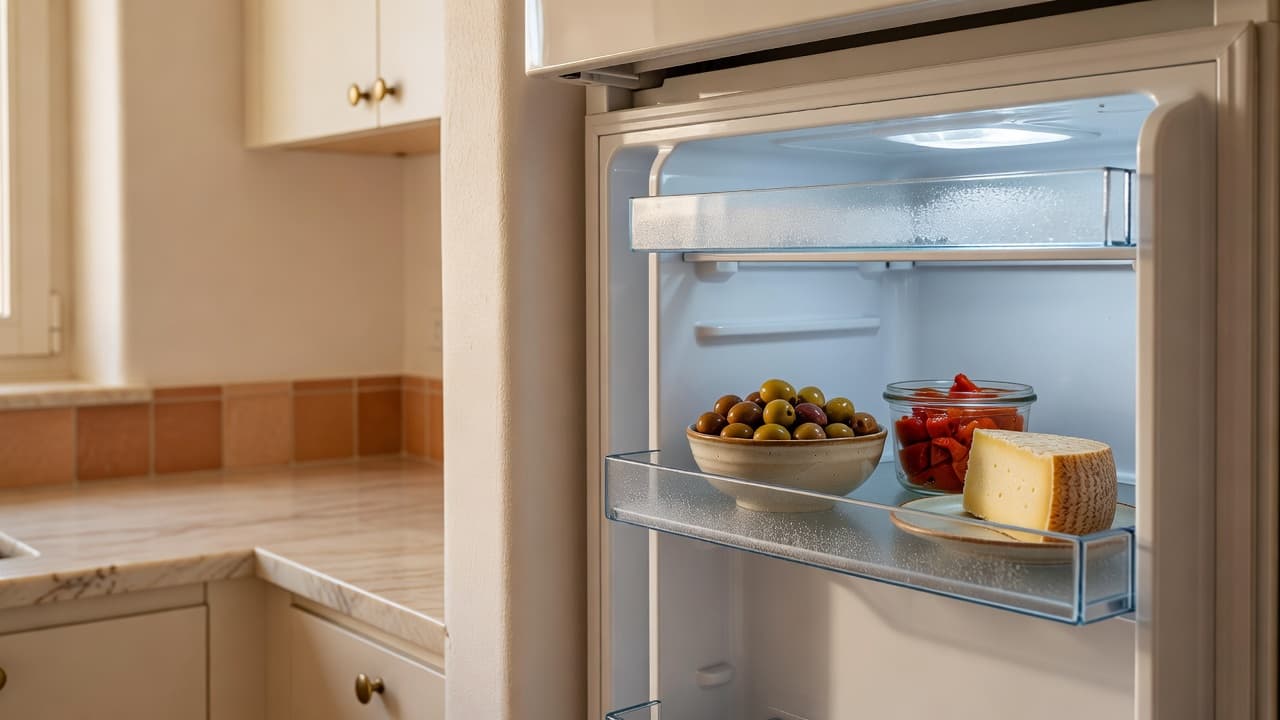
Your fridge has two main electrical circuits: the lighting circuit (simple, low power) and the cooling circuit (which powers the compressor and fan). The light works because the lighting circuit is intact. The cooling has failed because of a fault in the other circuit.
The most common reasons are:
Thermostat set wrong or failed. The thermostat tells the compressor when to turn on and off. If it's set to zero or "off", nothing cools. If the dial is correct but the compressor still won't start, the thermostat switch inside the fridge may have failed.
Frost blockage. In humid climates (common near the Mediterranean coast), water can freeze around the air vents inside the fridge, especially if the door seal is worn. This blocks cold air from circulating. The compressor runs but the inside stays warm.
Faulty compressor. The compressor is the electric motor that pumps refrigerant through the cooling pipes. If it's faulty, you'll hear no humming, or a humming that stops and starts repeatedly. A failed compressor usually means the fridge has reached the end of its life, or the refrigerant has leaked.
Loose or corroded electrical connections. Where the power cord meets the plug, or inside the socket, a connection can come loose or corrode (especially in salty air near the coast). Power reaches the light but not the compressor circuit.
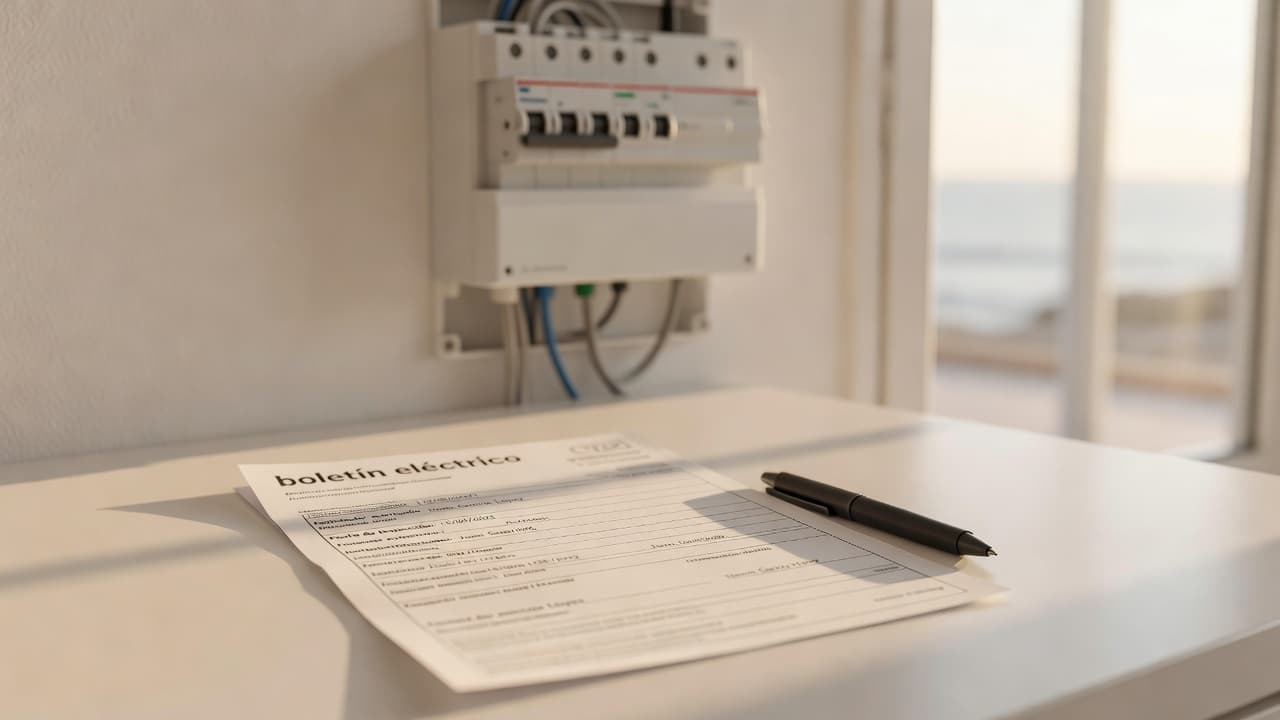
Tripped RCD (residual current device). If the RCD protecting your kitchen circuits has tripped, power to the socket is cut, but a faulty fridge can trick you—the light may flicker or the fridge may have been on a timer when the RCD tripped. Check your consumer unit (cuadro eléctrico) to see if the RCD switch is in the off position. If it has tripped, push it back on. If it trips again, the fridge has a fault and needs an electrician.
Move perishables into a cool bag or insulated box with ice packs. In warm weather above 20°C, this buys you 2–3 hours. Wrap ice packs in cloth so they don't damage the food directly.
Close the fridge door completely and don't open it. Every time you open it, warm air gets in. If the compressor is struggling, this makes it worse.
Move the fridge away from direct sunlight and away from the cooker or oven. Heat from nearby appliances makes the fridge work harder and can mask whether it's actually cooling.
Do not leave the fridge on if you are away from home for more than a few hours. If it's genuinely not cooling and you're not there to monitor spoilage, unplug it.
Do not attempt to refill refrigerant yourself. Refrigerant is a pressurised gas. Handling it without proper equipment is dangerous and illegal in most countries. Only a qualified engineer can do this.
Stop and call an electrician or refrigeration engineer immediately if:
- The compressor makes a loud rattling, grinding, or metallic knocking noise. This suggests internal mechanical failure.
- The plug is blackened, scorched, or smells of burning plastic. Do not plug it back in. Call an electrician.
- The socket itself is blackened or scorched. Do not use it. Switch off the circuit at the consumer unit and call an electrician.
- The RCD at the consumer unit trips repeatedly when you try to use the fridge. The fridge has an electrical fault.
- You smell a chemical or sweet smell coming from the fridge. This could indicate a refrigerant leak, which requires an engineer and is not safe to ignore.
- The fridge has been warm for more than 2–3 hours and you have perishable food inside. Food safety is at risk.
- The fridge is very old (more than 15 years) and was already not cooling well before this fault. Repair may cost more than replacement.
Do not:
- Open the back cover of the fridge to look at the compressor or pipes.
- Try to force-defrost a frozen cooling vent with a knife or hot water.
- Use electrical tape to repair a damaged plug.
- Leave a non-cooling fridge plugged in unattended for hours.
When you call an electrician or refrigeration engineer, describe what you've checked: temperature setting, whether the compressor hums, whether any circuit breaker has tripped. This helps them arrive prepared.
An electrician will first check the plug and socket, test the circuit for faults, and measure the voltage at the socket. They'll also check if an RCD has tripped at your consumer unit (cuadro eléctrico). If the problem is electrical (a faulty plug, loose connection, or tripped RCD), they can fix it on the spot.
If the socket and circuit are fine, they'll recommend you contact a refrigeration engineer. The engineer will diagnose whether the thermostat, compressor or refrigerant system has failed. They'll use diagnostic tools to measure pressure in the cooling circuit and test the compressor's electrical resistance. Depending on the diagnosis and the age of the fridge, they'll either repair it or advise replacement.
In either case, expect a call-out fee. For simple faults (loose plug, reset), an electrician's visit is usually €40–80. A refrigeration engineer's diagnosis is typically €60–120 before repair costs. If the compressor needs replacing or the fridge is beyond repair, replacement is often the sensible option, especially if the fridge is more than 10 years old.
Check the temperature dial once a month. It can drift, especially if the fridge has been bumped or if someone accidentally turned it while cleaning.
Vacuum the air vents at the bottom back of the fridge every 3 months, especially if you live in a dusty area or near the coast (where salt spray can accumulate). A blocked vent is one of the most common causes of slow cooling.
Check the door seal. Press a piece of paper into the seal and close the door. If the paper slides out easily, the seal is worn and should be replaced. A poor seal lets warm air in and makes ice form inside the vents.
Keep the fridge at least 10 cm away from the wall. It needs air circulation around the back and sides to dissipate heat from the compressor.
Don't overload the fridge. Air needs to circulate inside to cool all the shelves evenly. If food is packed tight, some areas stay warm.
Avoid leaving the door open for long periods. Every time you open it, the compressor has to work harder to cool the warm air that comes in.
Have the electrical plug and socket checked every 2–3 years if your home is near the coast. Salt air can corrode connections, and corrosion can cause intermittent faults.
Your fridge is not cooling but the light is on. The first three things to check are: the temperature dial, the plug and socket, and the air vents inside. If none of those work, the compressor may have failed and you'll need a specialist. Don't delay—warm food is a food safety risk in Mediterranean heat.
If you've checked everything and the fridge still won't cool, contact an electrician to rule out electrical faults. They can also refer you to a refrigeration engineer if needed.