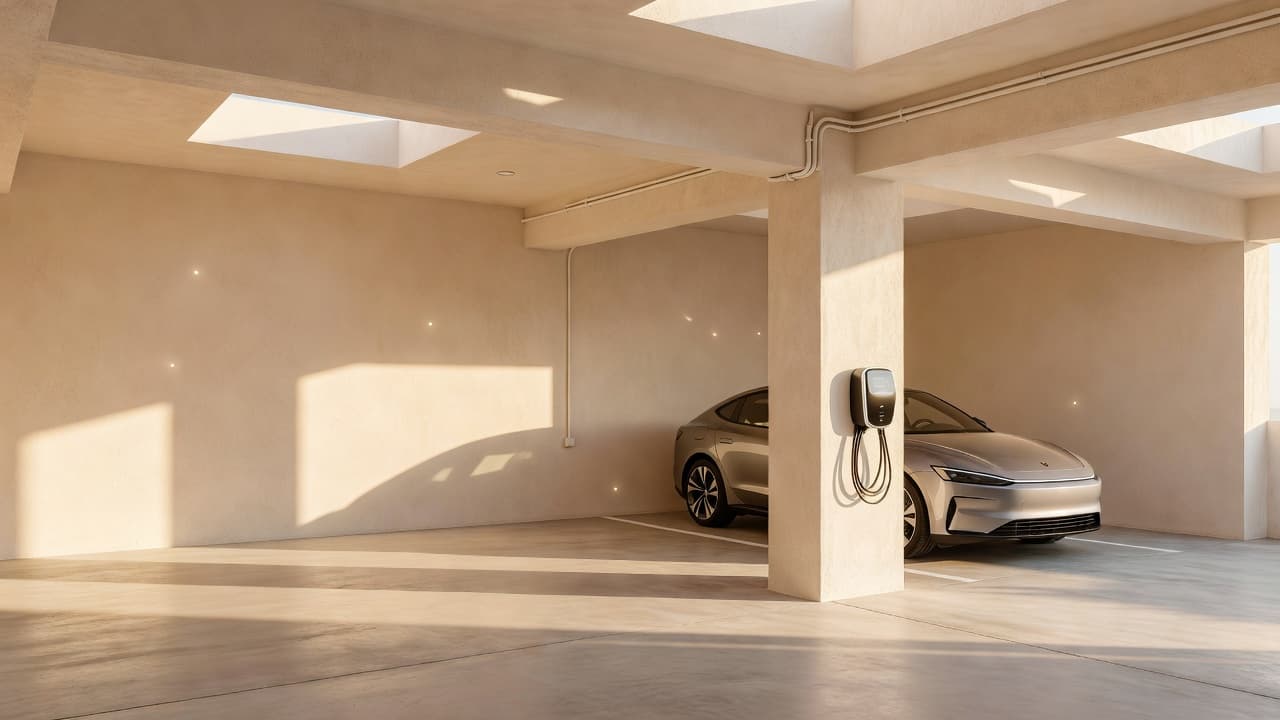
A communal garage is shared electrical infrastructure. The main supply entering the building has a fixed capacity, and every resident's usage draws from the same pool. Installing a dedicated 7 kW EV charger without checking the building's headroom can trigger a cascade of problems:
Electrical overload. If the building's main circuit breaker (ICP) or the garage distribution board is already near capacity—especially common in older blocks on the coast where summer air-conditioning demand is heavy—adding a charger can cause frequent power cuts to the entire garage or even the building.
Forced removal. If you install without community approval and the installation is later discovered during a building inspection or because it's causing problems, the community can order its removal at your expense. You'll have paid for equipment and installation that you can't use.
Liability for damage. If your charger's installation causes an electrical fault that damages another resident's car, electrocution, or fire, you could be held personally liable. A proper installation with community oversight and a qualified electrician protects you.
Wasted money on incompatible specs. If the building later upgrades its electrical supply or sets rules about charger specifications, your existing installation might not comply, forcing you to replace it.
Neighbour disputes. A resident who feels the charger creates a hazard or impacts parking space allocation can lodge a formal complaint, leading to legal costs even if you're technically right.
Call an assembly meeting. If no formal policy exists, propose that the community discuss EV charging before any installation begins. This prevents each resident trying to install independently.
At the meeting, present:
- Your request to install a charger in your parking space or nearby pillar.
- The results of your electrical survey (see below).
- A draft installation plan from a qualified electrician.
- A proposal for how electrical upgrade costs should be shared (if needed).
Most communities will vote on a new policy, which then applies to all residents equally. This is fairer than a piecemeal approach and avoids later conflicts.
If a policy already exists, follow it. If the community has approved EV chargers, they'll likely have set conditions: who installs them, which chargers are permitted, how costs are managed, and whether there's a limit on the number of simultaneous installations.
Before proposing an installation to your community, have a qualified electrician assess whether the building can handle it. They'll check:
- Main supply capacity. The entry point (acometida) and main circuit breaker (ICP) show how much total power the building is rated for and how much is already allocated to different circuits.
- Garage circuit capacity. The distribution board in the garage and the specific circuit your charger would run from.
- Available headroom. Whether a 7 kW charger (the most common domestic size) or a 3.68 kW charger (smaller, safer option for older buildings) can be added without overloading.
- Upgrade requirements. If headroom is insufficient, what work is needed: adding a new circuit, upgrading the garage board, or even upgrading the main connection to the building.
A qualified electrician will charge roughly €200–400 for a survey and a written report. This cost is worth it because it gives your community concrete data and prevents you from proposing an installation the building can't support.
If you need to charge your vehicle while approval is pending:
- Use the slow charger at home or a public point. Many coastal towns now have public charging networks (Ionity, Electromaps, Movilidad) where you can charge overnight or while shopping.
- If you must charge at the garage temporarily, ask your administrator whether you can use a standard 16A wall socket (if available) with a portable charger, as a temporary measure only. This is slow but removes the need for major installation work while you're awaiting approval. Do not leave it unattended overnight—portable chargers on standard sockets can overheat if left running for long hours.
- Do not try a DIY installation. Even if you think you can simply plug a charger into an existing socket, this risks overloading the circuit, tripping the whole garage, and exposing you to liability.
Stop and involve a qualified electrician immediately if:
- The building's main breaker trips regularly during peak hours, especially in summer. This signals that adding a charger will cause outages.
- The garage distribution board is visibly old, corroded, or missing safety components (like an RCD / differential switch). Older boards may not be able to handle new circuits safely.
- Your community's electrical certificate is out of date (more than five years old). The building will need a new survey and certification before any modification is permitted.
- The administrator says "just install it quietly" or implies that approval isn't needed. Don't take this risk. Get formal, written approval, or the installation may be forced out later.
- Your proposed charger location is near water, steam, or humidity (e.g., directly above a drain or beneath a roof leak). This requires reinforced protection and professional specification.
- You don't know where the main stopcock or main electrical switch is. If you can't identify these, you're not ready to manage a significant electrical modification.
In any of these cases, the electrician must design the installation, obtain community approval, and handle permits. Don't try to economise at this stage.
Once your community approves EV charging and the electrical survey confirms the building can support it, here's the typical process:
Design and specification. Your electrician will design a circuit specifically for the charger, specifying the cable gauge, the protective devices (circuit breaker, RCD), the charger model, and the installation route (usually conduit on the wall or ceiling to protect the cable from damage).
Submission to the community. The installation plan (including updated electrical certificates or permits if required above 3.68 kW) is submitted to the community administrator or the building's main electrical certificate holder (responsable de mantenimiento eléctrico) for final approval.
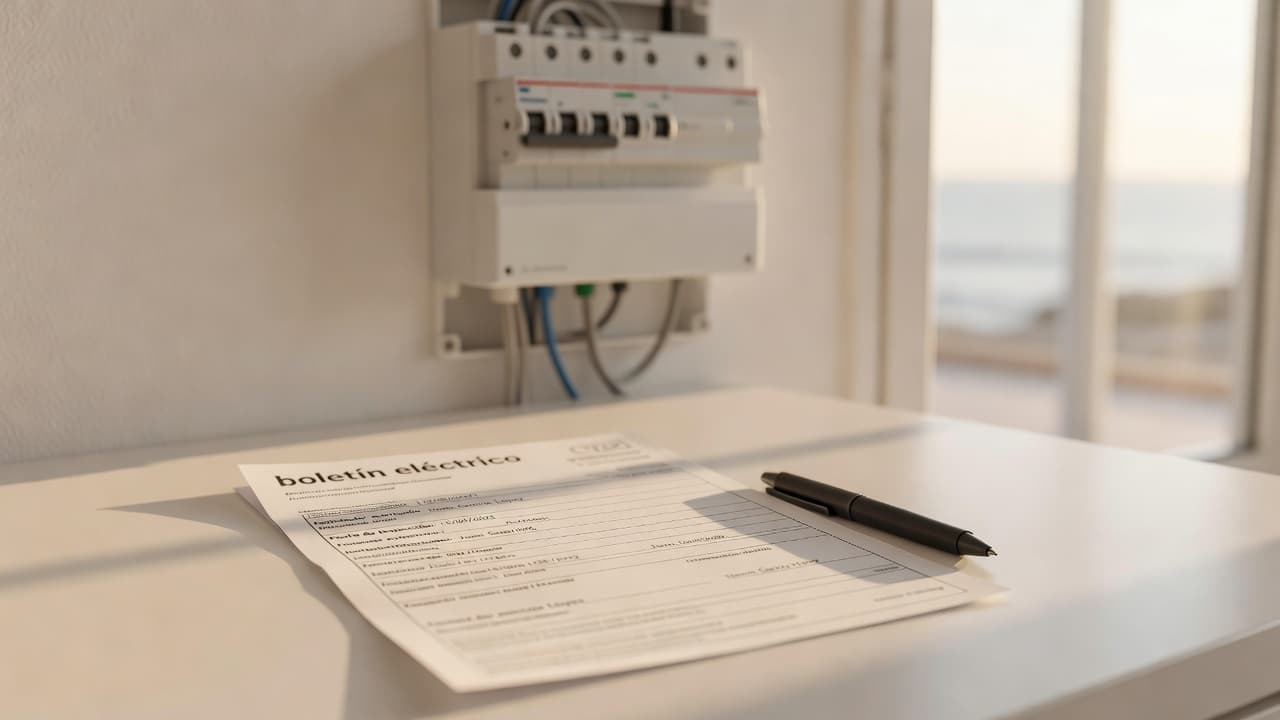
Installation. Once approved, the electrician installs the charger, tests it, and provides you with a certificate of proper installation (boletín de instalación). Keep this document—it protects you and is required if you ever sell the property or if the building is inspected.
Handover documentation. You'll receive the charger's manual and the electrician's certification. The community administrator may also request a photo and a record in the building's maintenance log.
Cost. A straightforward charger installation (3.68 kW, short cable run, no major upgrades) typically costs €500–1,500. If the building needs circuit upgrades or a new distribution board, costs can rise significantly. This is why knowing the scope upfront is critical.
Create a building policy. Encourage your community to adopt a written EV charging policy that covers:
- Which chargers are permitted (typically 3.68 kW or 7 kW, with safety certifications).
- Maximum number of simultaneous installations.
- Cost-sharing for electrical upgrades.
- Maintenance responsibility (usually the individual owner).
- Parking space allocation (your charger doesn't block shared access).
- Insurance liability (individual owner responsible, usually).
Limit chargers to prevent overload. The building may decide to approve only one or two chargers initially, with a waiting list for others. This avoids future disputes and unplanned electrical outages.
Stagger installation. If multiple residents want chargers, the community may require them to be installed at intervals, spreading the electrical load over time.
Install power-sharing equipment (optional). If the community expects many residents to eventually want chargers, investing in a smart load-management system allows multiple chargers to share available capacity safely. This is more expensive upfront but prevents bottlenecks later.
If your community hasn't discussed EV charging yet and you're among the first residents to want one, you're in a position to shape the policy. Take the time to get approval right—rushing the process often leads to costly rework or removal. A qualified electrician can help with the technical assessment and design, but the community approval decision rests with you and your neighbours.