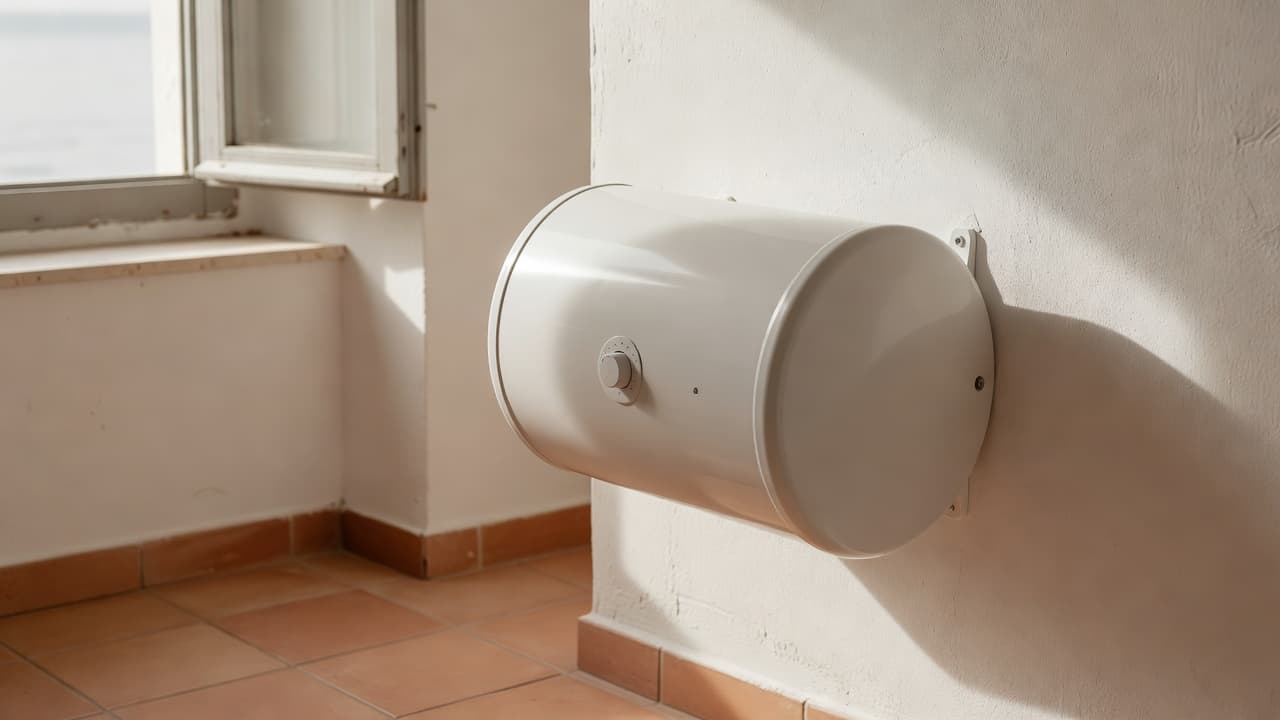
Electric water tanks fail for a handful of common reasons.
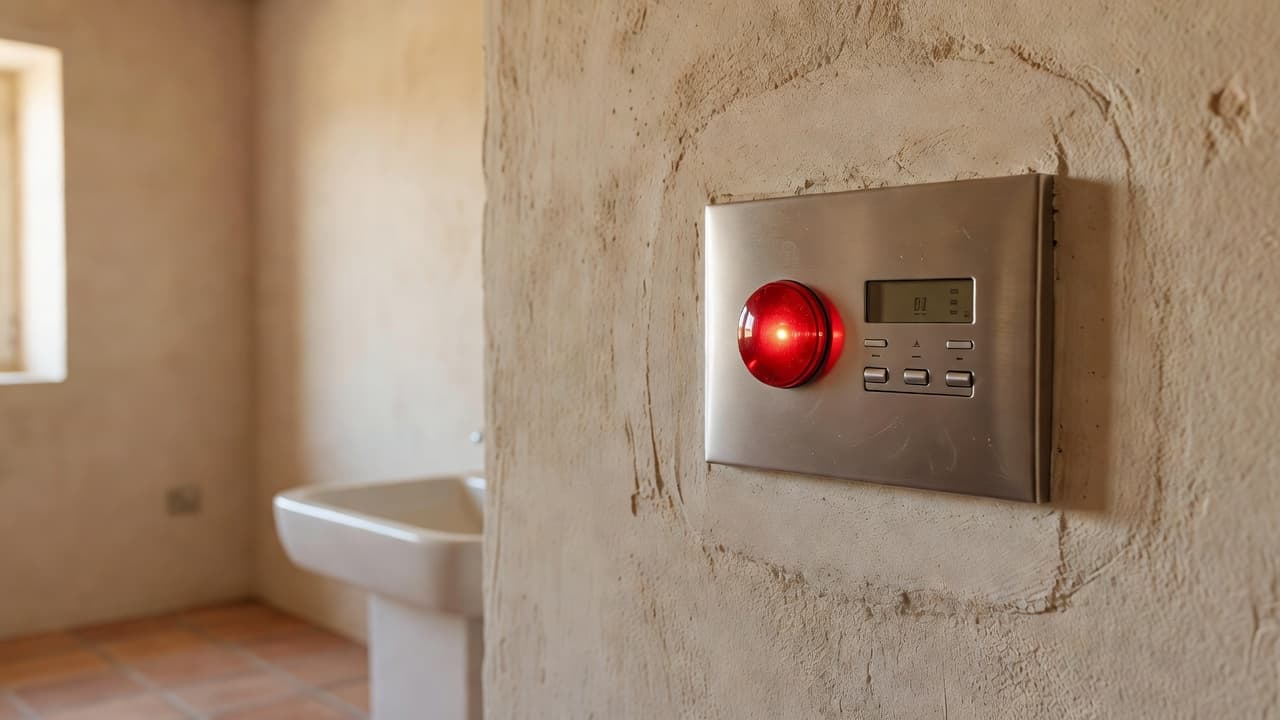
Power is cut. The ICP (main safety switch) trips when there's an electrical fault or an overload. In summer, when air conditioning is running at full capacity across your home, the combined demand can trip an undersized breaker. This is especially common in older Mediterranean properties where the electrical supply was installed decades ago.
The thermostat is set too low. If someone has turned the dial down to 40°C or below, the tank may still be running but the water never gets hot enough to feel warm. This happens more often than you'd think, particularly in holiday homes where guests or cleaners adjust settings.
The heating element has failed. Inside the tank is an electric element that heats the water, similar to the element in a kettle. After 10–15 years of use, or if the water is particularly hard or corrosive (common near the Mediterranean coast due to salt spray and mineral content), the element can burn out.
The thermostat has failed. The thermostat is a sensor that tells the element when to stop heating. If it malfunctions, the tank won't heat at all, even though power is reaching it.
The tank is leaking inside. A rare but serious fault: the internal tank corrodes and leaks. You won't see water pooling underneath, but the heating element will be immersed in water that drains away internally, so it never heats properly. This is a sign the tank needs replacing.
If the power was off, turn it back on and wait. Give the tank a full hour to heat from cold before assuming it's broken. In winter, or if the house has been empty, this is normal.
If the thermostat was too low, turn it to 55–60°C. This is the standard setting for most homes. Wait 45 minutes to an hour. The tank should feel noticeably warm on the outside, and your taps should run hot.
If power keeps tripping, unplug other high-demand appliances. Air conditioning, electric heaters, tumble dryers, and electric ovens all draw heavy current. Switch off the air conditioning or heating temporarily and try the tank again. If it stays on, you have an overload issue, not a tank fault. You'll need to call an electrician to assess your home's electrical capacity.
If the tank is warm but water isn't coming out hot, check other taps. Try a different tap in the house. The problem might be a broken pipe to that specific tap, or a mixing valve that's stuck, rather than the tank itself.
Do not attempt to open the tank, adjust internal parts, or drain it yourself unless you are a qualified plumber. The tank contains live electrical parts and high-pressure hot water.
Stop and call a plumber immediately if:
- The power light is on but the tank feels cold after an hour. The heating element has likely failed.
- You hear a loud humming or buzzing sound that doesn't stop. This suggests an electrical fault inside the element.
- Water is pooling underneath the tank or dripping from the bottom. The tank is leaking and will fail completely soon.
- The power keeps tripping no matter what you do. There's an electrical fault in the tank's wiring or element.
- You smell burning or notice scorch marks on the tank casing. Stop using the tank immediately and call a plumber. Do not turn it back on.
- The tank is very old (15+ years) and has never been serviced. You may need a new one rather than a repair.
Never open the tank casing, never try to replace the element yourself, and never use a soldering iron or power tools on the tank. These parts are live and under pressure.
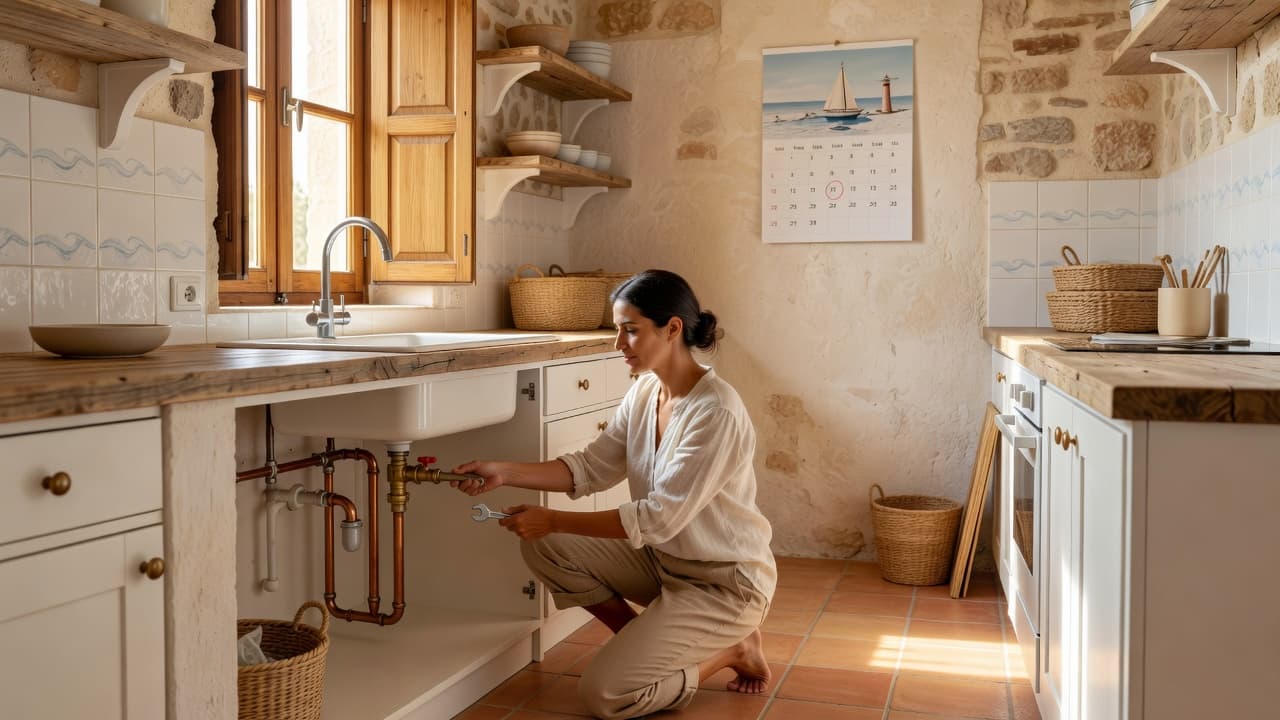
When you call a plumber, they'll carry out roughly the same checks you've already done, but with proper testing equipment. They'll use a multimeter to check whether electricity is actually reaching the tank's heating element. They'll check the thermostat with a thermometer to see if it's responding correctly. They'll also listen to the element and feel the tank to confirm what's happening.
If the element has failed, they'll drain the tank (this takes 20–30 minutes), unscrew the faulty element from the bottom of the cylinder, and fit a new one. A replacement element costs between €80 and €150 depending on the tank's size and age. Labour typically takes 1–2 hours, and you'll have hot water again by the end of the day.
If the thermostat has failed, they'll replace it (€40–80 for the part, plus labour).
If the tank itself is leaking internally or the casing is corroded, they'll recommend a replacement. A new electric tank costs €400–800 installed, depending on capacity (50, 80, or 100 litres) and the complexity of the installation. Most homes on the Mediterranean coast use a 50 or 80-litre tank.
Ask your plumber for a receipt and, if the tank is being serviced under warranty (rare, but possible in newer homes), ask them to note the work done. If the tank is replaced, keep the invoice — you may need it for your home insurance.
Set the thermostat to 55–60°C and leave it. This is the optimal setting for comfort and energy efficiency. Lower settings don't save much electricity, and higher settings increase the risk of mineral buildup inside the tank.
Check the tank visually once a year. Look for rust spots, corrosion, or drips. If you notice any, call a plumber to inspect it. Early detection can prevent sudden failure.
In summer, if the main power (ICP) keeps tripping when the tank is heating and your air conditioning is on, ask an electrician to assess your home's electrical capacity. An older home may need an upgraded main breaker or a staggered heating schedule (turn off the tank when the AC is running at peak heat, and vice versa).
In coastal properties, rinse the tank's outer casing with fresh water twice a year. Salt spray accelerates corrosion. This is especially important if the tank is on a balcony or near an external wall.
If you're away for more than two weeks in winter, turn the tank to a lower setting or off entirely. There's no point heating water for an empty home. Remember to turn it back on when you return — and wait an hour before expecting hot water.
If you've worked through these checks and the tank still isn't heating, or if you're not confident inspecting the electrics, don't spend more time troubleshooting. Call a qualified plumber from our network. They speak English, understand the quirks of Mediterranean homes, and can diagnose and fix the problem in one visit. Get a quote and have hot water restored today.