A shock from the tap means electric current is reaching the metal through a damaged wire, a wet connection, or poor earthing. Here are the most common causes in Mediterranean homes:
Damaged insulation on a cable — A wire supplying a socket or appliance near the sink has cracked, worn through, or been nicked. Water has seeped in, allowing current to travel through the moisture to the metal of the tap.
A faulty appliance — A dishwasher, washing machine, or electric kettle plugged into a socket near or under the sink has a short circuit. Current is leaking through the socket circuit into the metal sink frame.
Poor earthing of the sink — In older homes or where the tap has been replaced, the metal sink may not be properly connected to the earth wire. This leaves it "floating" electrically. When a fault occurs nearby, the tap becomes the path for current.
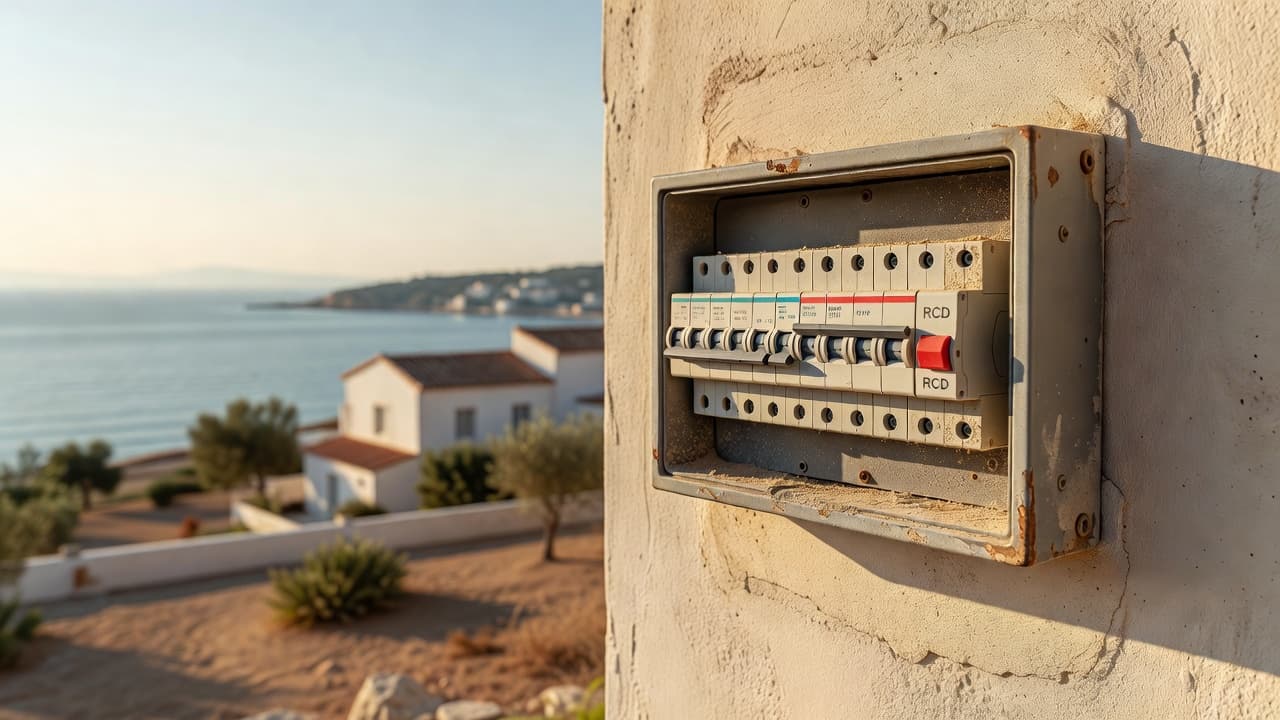
Moisture damage in the wall — Spanish coastal properties, especially near the sea or in high-humidity months, can suffer from salt air and dampness. If a junction box, socket, or cable is wet, insulation breaks down and current can leak.
Faulty RCD or differential — The protective device in your consumer unit (cuadro eléctrico) that should detect and cut this kind of leak has failed or is too sensitive. You'll notice lights flickering or trips happening.
The Mediterranean environment accelerates corrosion and moisture damage, so if you live on the coast or in an urbanisation near the sea, check taps and pipes in the kitchen and bathrooms once or twice a year.
You cannot fix this yourself, but you can prevent further exposure.
Use a barrier — If you must use the tap before the electrician arrives (to wash hands, brush teeth), stand on a dry floor and use a dry wooden spoon, brush handle, or cloth to turn it on and off. Do not touch the metal with bare skin.
Avoid contact with other metal — If you use the sink, do not touch the taps, the metal rim, metal pipes, or any metal object nearby at the same time.
Dry everything after use — If water splashes onto the tap, the pipe, or the surrounding surface, dry it with a cloth. Moisture increases conductivity.
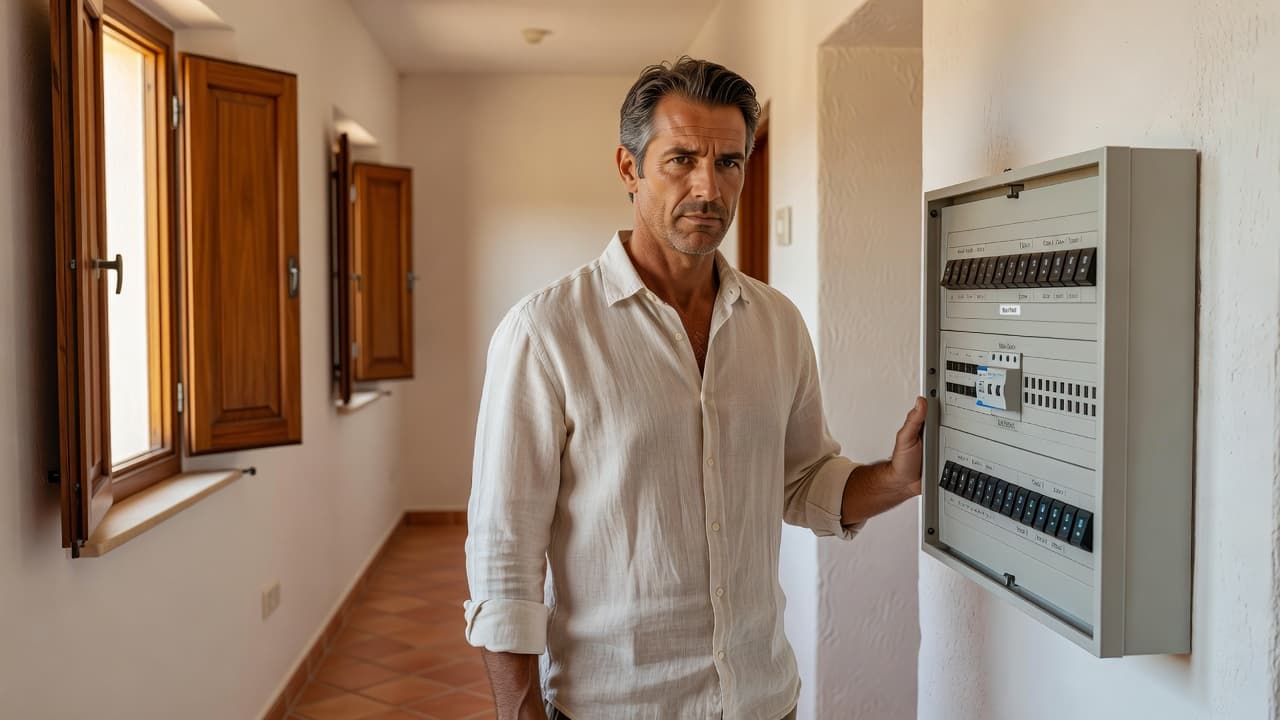
Isolate the circuit if you can — If you can safely identify which circuit (fusible or MCB) supplies the kitchen or bathroom at your consumer unit (the main electrical box, usually found on a landing, in a cupboard, or in a utility room), switch it off. This removes power from the fault. Do not open the consumer unit itself or touch any internal components. If you are unsure, leave it alone and wait for the electrician.
If you have an ICP (a switch on the wall outside the flat that controls all power), you can flip this off as a last resort, but this cuts power to the entire home. Only do this if the shock is very strong or frequent.
Stop and call an electrician immediately if:
- The shock is stronger than a mild tingling. A sharp, painful shock or anything that makes you jump means significant current is flowing. This can be dangerous.
- The shock happens to multiple people. This suggests it's not static — it's a real electrical fault.
- You see sparks, smell burning, or see scorch marks near the tap, under the sink, or on the pipes.
- Lights are flickering or the RCD is tripping (switches cutting off power to the bathroom or kitchen intermittently).
- The water itself feels warm or hot and the shock is happening. This can indicate a fault in an electric water heater (a termo eléctrico tank) or boiler.
- You are pregnant, have a heart condition, or have other health vulnerabilities. Even a mild shock poses a greater risk.
- You do not know where your consumer unit is or how to use it safely. Do not attempt to isolate circuits unless you are completely confident.
In all these cases, do not touch the tap again and contact an electrician urgently. Many will offer same-day or next-day visits for electrical hazards.
A qualified electrician will run several tests to locate the fault safely.
They will use a multimeter or similar test equipment to check for voltage between the tap and earth, and between the tap and neutral. This tells them if current is truly leaking. They'll then trace the circuit supplying the kitchen or bathroom, checking each cable, junction box, socket, and appliance for damaged insulation, moisture, or poor connections.
If an appliance is faulty, they'll isolate it or recommend replacement. If a cable is damaged, they'll replace the affected section or the whole run if necessary. If the sink is not properly earthed, they'll install or repair an earth connection. If the RCD is faulty, they'll replace it.
After the repair, they'll test again to confirm the fault is gone and that the RCD or earth-leakage protection is working correctly. They should also issue you with a small electrical certificate or a note confirming the work was safe. Keep this for your records, especially in a rental property.
Check seals and joints under the sink twice a year. If you spot leaks, dry them and tighten the joint, or call a plumber.
Keep moisture away from sockets and cables. Do not leave wet cloths draped over the sink or pipes. Ensure extractor fans are working in bathrooms.
Get a periodic electrical inspection, especially if you live in a coastal property or an older home. An electrician can spot corrosion, deteriorating insulation, or damp patches before they become hazards.
Replace old taps and pipes if they're more than 20 years old and show visible rust or pitting.
A shock from your sink or tap is a warning sign that shouldn't be ignored. The good news is that a qualified electrician can identify and fix the fault quickly, usually in a single visit. If you're on the Mediterranean coast and need a reliable electrician to inspect and repair the fault, contact a certified electrician on the coast today.