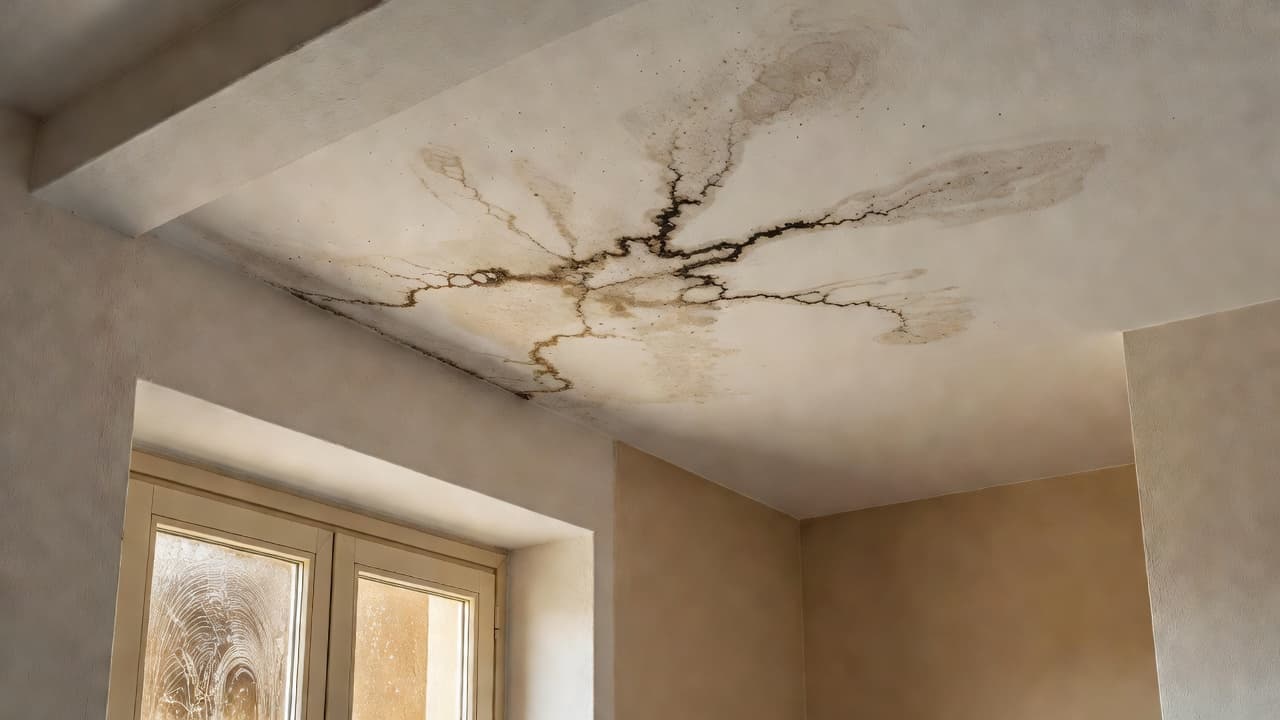
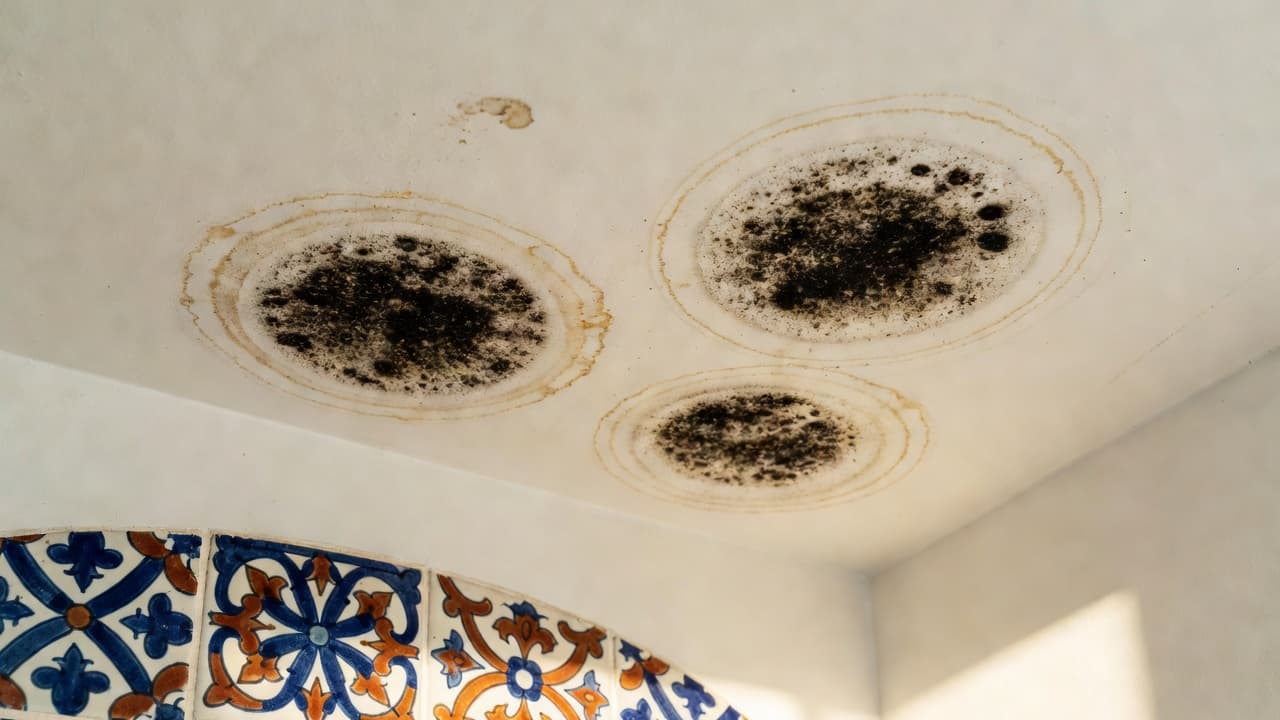
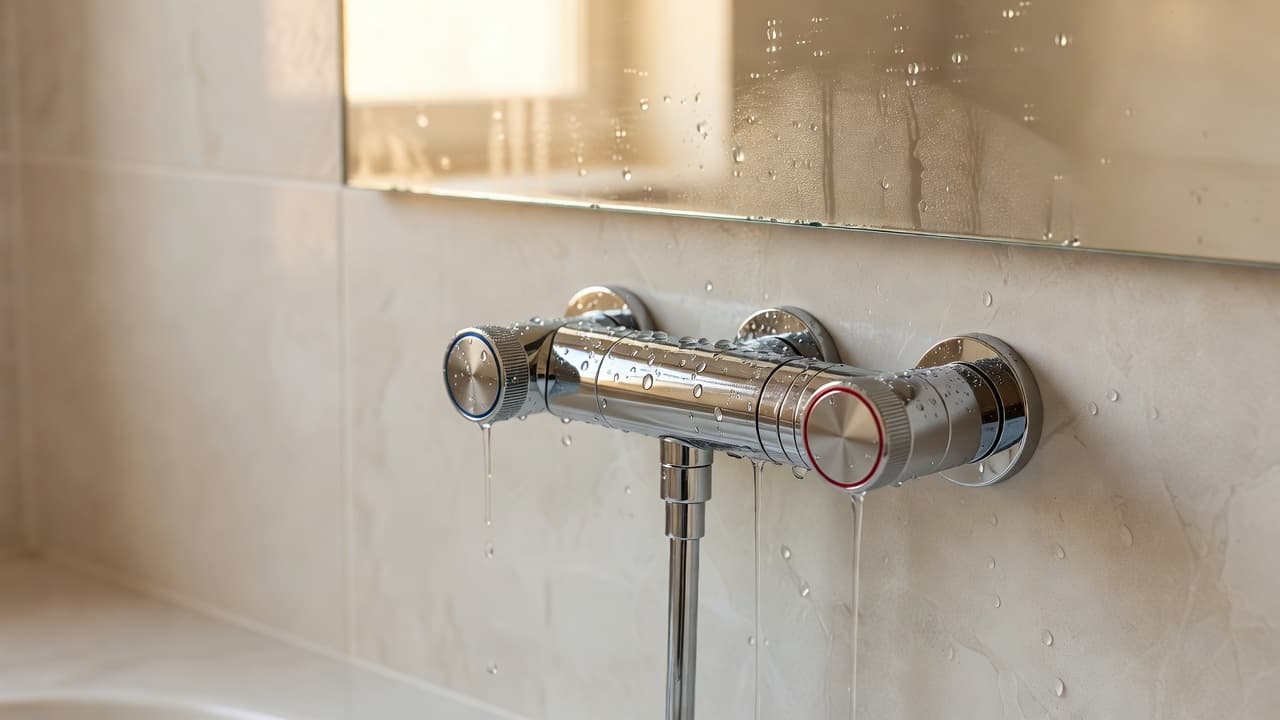
Water from the flat above typically leaks from:
- The bathroom: a cracked pipe under the sink, a leaking bath or shower tray, or a burst supply pipe. This is the most common source.
- The kitchen: a burst hose on the washing machine or dishwasher, or a corroded pipe under the sink.
- The toilet: a damaged wax seal (the rubber ring between the pan and the soil pipe), a cracked cistern, or a blocked overflow causing water to flow into the ceiling cavity.
- Central heating or water tank: a leak from a radiator, a fractured pipe within the wall, or a failing thermal tank (termo eléctrico or gas boiler).
- Poor maintenance or age: pipes corrode over decades. In older Spanish properties, original pipework may be 30–40 years old and prone to cracks.
The water pools in the ceiling cavity between your neighbour's floor and your ceiling, then finds the lowest point and drips through.
While you wait for the neighbour's plumber or your landlord to act:
Keep buckets and towels positioned under the leak. Replace them as they fill. This prevents water running across your floor and into electrical sockets.
Increase ventilation in the room. Open windows to reduce humidity and help the damp dry slightly. This won't stop the leak, but it slows mould growth.
Do not attempt to patch the ceiling yourself. The leak is above your ceiling — patching the hole will only trap water inside the cavity, spreading damage to insulation and joists.
Do not use a hairdryer or heater to dry the patch. This risks fire if the wiring inside the ceiling is wet.
Avoid painting over the damp or applying sealant. Water will continue to seep through and the patch will worsen within days.
If the damp is spreading visibly or drips are worsening, contact a plumber yourself immediately. Your neighbour's inaction is not your burden to bear. A plumber can access their flat from your side (with permission) or help you document the damage for legal purposes.
- Do not enter the neighbour's flat without their explicit consent or a court order. Even if you own your property, you cannot legally access their space.
- Do not attempt to drill into the ceiling to "find the leak". You risk hitting live wires or creating new damage.
- Do not use chemical damp treatments or anti-mould sprays. These address symptoms, not the leak itself. The problem will return within days.
- If water is actively dripping and the neighbour is unavailable or uncooperative, stop waiting. Call the emergency plumber line or your landlord. The longer you delay, the greater the structural damage and cost.
- If the damp patch is accompanied by visible sagging in the ceiling or cracks spreading across the plaster, contact a plumber and surveyor immediately. This suggests the structural integrity of the ceiling may be compromised.
When your neighbour's plumber (or your own, if the neighbour won't cooperate) attends, they'll:
Inspect the flat above to locate the source. They'll check under sinks, around the toilet, the shower enclosure, pipes within walls, and the water tank. This usually takes 20–30 minutes.
Run a simple test: if the leak source is unclear, they may ask the neighbour to run water in the bathroom or kitchen while they listen for sound and observe where it's flowing. This pinpoints the problem without guesswork.
Repair the leak — typically by replacing a corroded pipe, re-sealing a toilet pan, or patching a cracked hose. The repair is usually straightforward and completed in 1–2 hours.
Provide a written report, including what was wrong, what was fixed, and the date. Keep this document; you'll need it if you claim against the neighbour's insurance or if a dispute arises.
Hand over a receipt or invoice. If the neighbour is responsible, you can use this to claim costs from them later if necessary.
Once the leak is sealed, your ceiling will still be damp, but it will dry out over 2–4 weeks with good ventilation. If the damp doesn't recede or mould appears, call a plumber again — it suggests the leak wasn't properly located or sealed.
The responsibility lies with the flat above, not you. However:
- If you own your flat, consider a building survey every 5–10 years to check the structural integrity of the ceiling and insulation above you.
- Maintain a good relationship with the neighbour. Most leaks are accidents, not negligence. A friendly reminder if you notice damp again is often enough.
- If the leak happens repeatedly from the same source, document it and escalate through the community of owners or your landlord. Repeated negligence may constitute a breach of the building regulations (Código Técnico de Edificación) and could be grounds for formal action.
- Ensure your own electrics are in order. A qualified electrician can check that your consumer unit and wiring are protected from water ingress, reducing risk from above.
A damp patch from above is urgent but solvable. Document it, speak to your neighbour calmly, and if they won't act, loop in your landlord or the community. A plumber can locate and fix the source within hours. The sooner you move, the cheaper the total cost.
If your neighbour won't cooperate or the leak is extensive, contact a qualified plumber from MyCasa Spain's network — they can assess the damage, advise on liability, and provide the evidence you'll need to resolve the dispute.