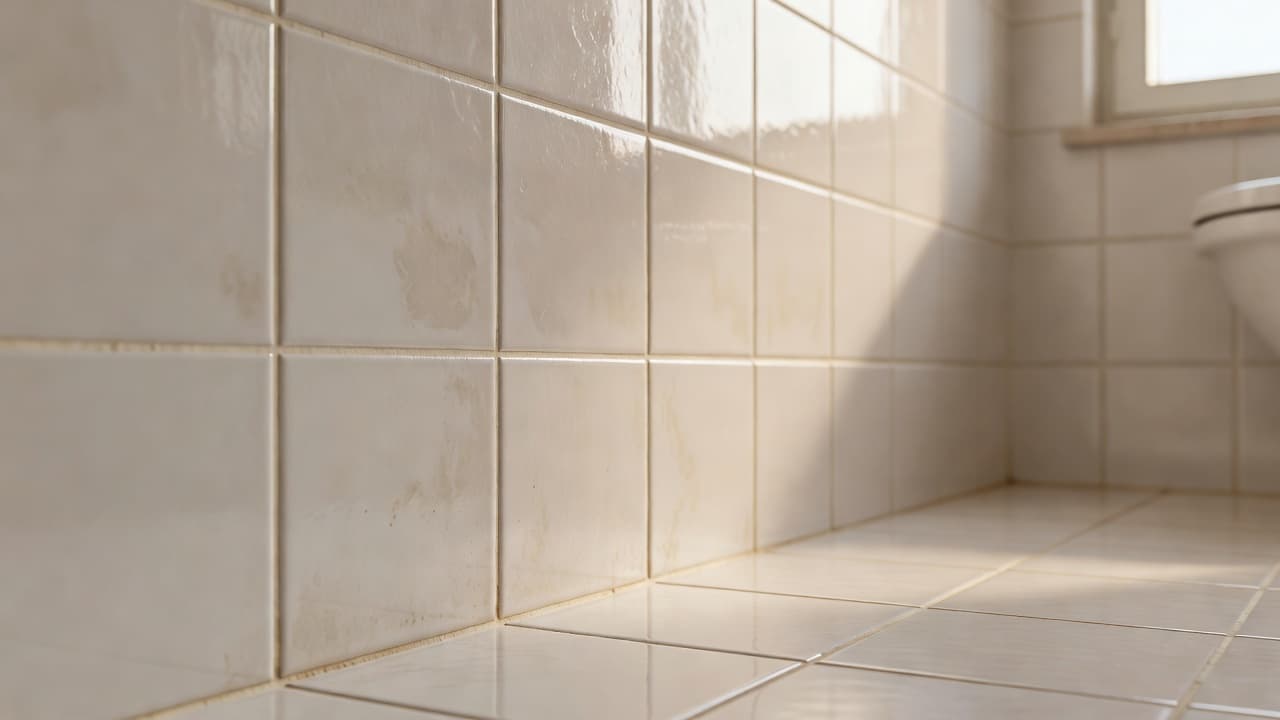
The base of the bathroom wall is vulnerable to water for specific reasons. Bathrooms in Spanish homes—especially flats in coastal urbanisations—often have:
Slow leaks from the toilet pan connector. The toilet is bolted to the floor. Underneath, a wax ring or rubber seal connects it to the soil pipe. Over 10–15 years, this seal degrades, and water seeps out slowly. You might not notice water pooling on the floor, because it soaks directly down and sideways into the wall and subfloor.
Leaks from the shower tray or bath. If the bathroom is above another room or above a garage, water from a failing shower tray seal, cracked tray, or deteriorated grouting runs underneath, following gravity and the path of least resistance. It appears as damp on the wall below or on a ceiling in the room beneath.
Condensation and poor ventilation combined with rising damp. Spanish coastal homes are exposed to salt-laden air and humidity. If the extractor fan is absent, blocked, or rarely used, moisture builds up in the bathroom. At the same time, rising damp—water drawn up from the ground through the concrete foundation and walls—can be visible at the base. This is especially common in older properties, urbanisations built on uneven terrain, or properties where the damp-proof course has failed.
Water ingress through external walls. If the bathroom is on an external wall (very common on the coast), wind-driven rain, salt spray, or defective rendering can allow water to seep through. Damp at the base of an external wall often indicates the problem is further up but gravity is pulling it down.
Blocked or failed drainage. A crack or blockage in the waste pipe under the floor can cause water to back up and seep sideways into the subfloor and walls.
These steps will not cure the problem, but they will slow damage while you wait for the plumber.
- Increase ventilation. Open a window and the bathroom door. Run the extractor fan continuously if you have one. Moisture in the air contributes to the spread, even if it's not the primary cause.
- Dry the wall daily. Use an old towel or cloth to wipe the damp area dry every morning and evening. This reduces mould risk and slows the progression.
- Do not use the bathroom more than necessary. Each shower adds moisture to the air. If there's another toilet in the house, use that instead while you wait for the plumber.
- Move anything stored at the base. Cardboard boxes, cleaning supplies, items in cupboards below: water will damage them. Move them to a dry area.
- Do not apply sealant, caulk, or paint. This traps moisture and makes it worse.
Stop immediately and call a plumber if:
- The damp is spreading visibly day by day. This indicates an active, significant leak.
- There is pooling water or a wet floor. Do not walk on it; turn off the main water stopcock and call the plumber.
- You smell mould or see black spots. Mould is a health hazard and indicates established moisture. Professional remediation will be needed after the leak is fixed.
- The wall feels soft, crumbly, or the plaster is blistering. The structure is already compromised.
- The damp extends above the skirting board or across the entire wall. This suggests a larger structural issue, not a simple leak.
- There is damp on the ceiling of the room below. A significant leak from above has developed; call immediately.
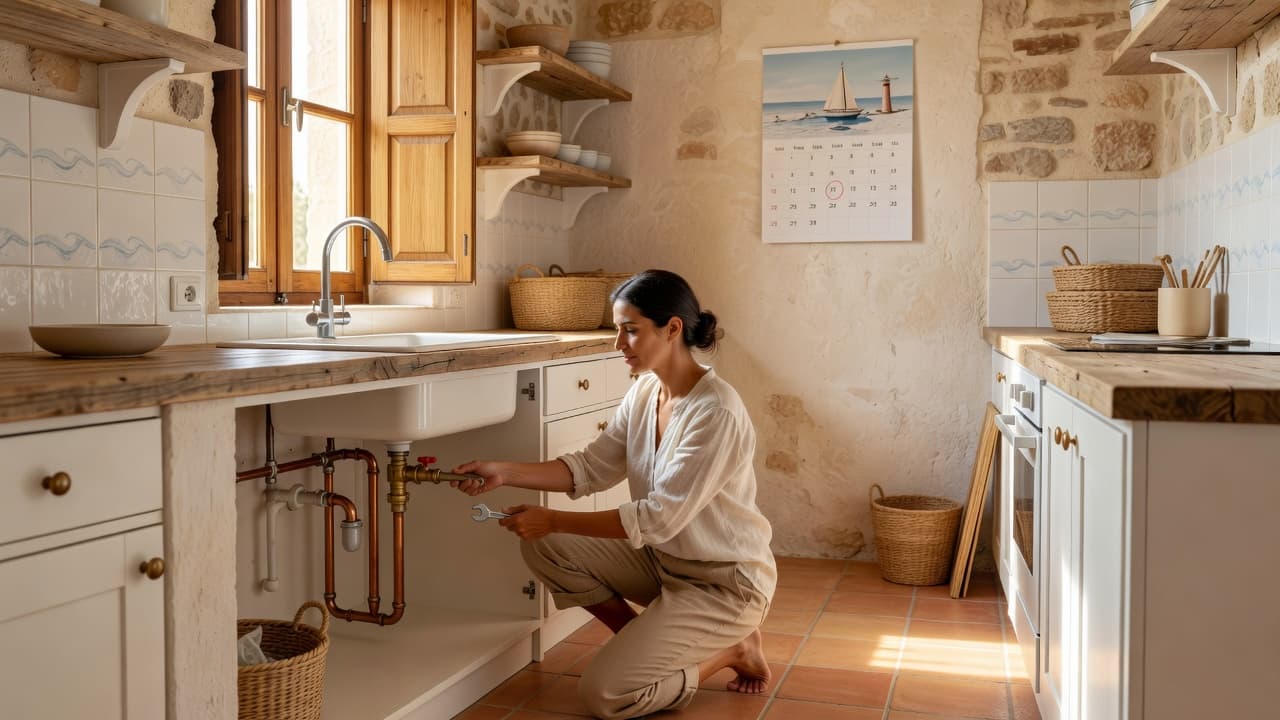
If any of these apply, turn off the main stopcock (usually located under the kitchen sink, in a bathroom cabinet, or on the landing, depending on your property type), leave the room closed (do not run the shower or toilet), and contact a plumber the same day.
A qualified plumber will start with a visual inspection of the bathroom and, if accessible, the room above or below. They will check:
- The toilet pan seal and the joint where the pan meets the waste pipe.
- The shower tray, bath, and all grouting and sealant.
- Exposed pipes under the sink and toilet.
- The subfloor (if accessible via a hatch or by lifting floorboards near the damp area).
- The external wall condition, if the damp is on an external wall.
If they find an active leak—say, a cracked toilet connector or a failed shower tray seal—they will repair or replace the faulty component. This usually takes 1–3 hours and costs between €150 and €400, depending on the work.
If no leak is visible, they may recommend a damp-proofing specialist or surveyor to diagnose rising damp or structural water ingress. They might also advise on improving ventilation (a new extractor fan, or checking that existing ducting isn't blocked).
Once the repair is done, the plumber will explain what was found and provide an invoice and proof of work. Keep this documentation—it may be useful if you're selling the property or making an insurance claim.
- Ensure the extractor fan is clean and working. Run it during and for at least 20 minutes after a shower. Check the ducting isn't blocked by debris or a flapper that's stuck.
- Seal all grout lines in the shower and around the bath. Deteriorated grout is a common entry point for water. If you see gaps, ask a plumber to re-grout or ask your letting agent or building manager if it's within their maintenance duty.
- Keep an eye on the area. Once it's repaired, monitor for recurrence. If damp reappears within weeks, the problem wasn't fully resolved.
- Avoid running multiple water-heavy appliances at once. If you're doing laundry and running a shower, you're flooding the house with moisture. Spread tasks across the day if the bathroom ventilation is weak.
- On the coast, ensure external walls are well-maintained. Cracks in rendering or missing caulk around windows allow salt spray to penetrate. This isn't a plumbing job, but it's a prevention measure worth noting.
Damp at the base of a bathroom wall is a sign that water is finding its way where it shouldn't. The longer it sits, the more damage it does. A qualified plumber can usually identify the cause within an hour and fix most common problems within a day. Get in touch with an experienced plumber on the Mediterranean coast and describe the damp—location, how long it's been there, whether it's wet now, and which room is above or below. They'll book a visit and sort it quickly.