A property's cosmetic state is the first filter, not the last. Foreign buyers arrive stressed, jet-lagged, and comparing your property to five others they've seen that day. They don't have time to imagine potential. They're asking, "Could I live here tomorrow?"
Renters have similar concerns, but in a different frame: "Is this clean and maintained enough for my two-week holiday?" or "Will my children be safe and comfortable here?"
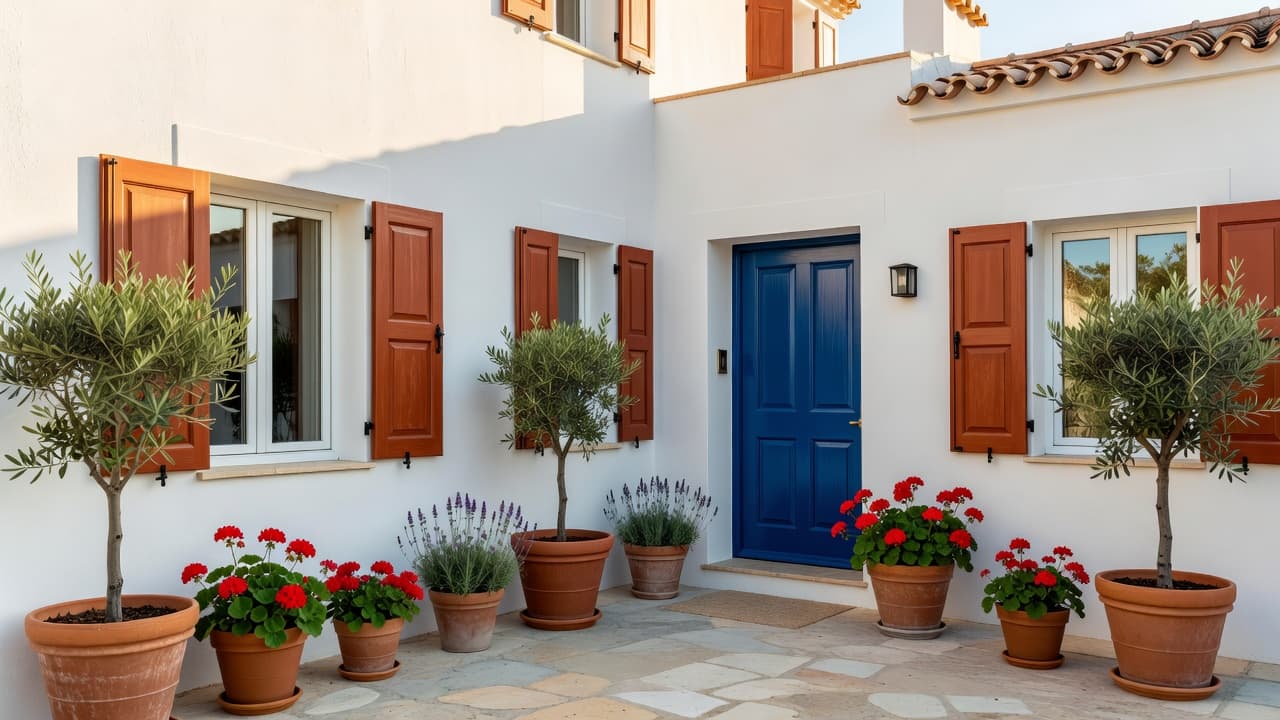
Cosmetic repairs matter because they answer these questions without words. Fresh paint says "this place is looked after". Cracked tiles say "nobody's maintaining this". Broken shutters say "something's been left to rot".
Mediterranean homes face specific wear: salt air corrodes shutters and metalwork on coastal properties, bright sun fades paint and stains on south-facing walls, and humidity encourages mould in bathrooms and kitchens. Foreign buyers understand this in theory but still judge your home against others in its price bracket. If your property shows obvious wear and the neighbour's doesn't, you're competing from a disadvantage.
Not all cosmetic repairs have equal impact. Here's a realistic priority order.
Tier 1 (must fix before listing or renting):
- Paint: entrance, feature walls, any obvious marks or stains.
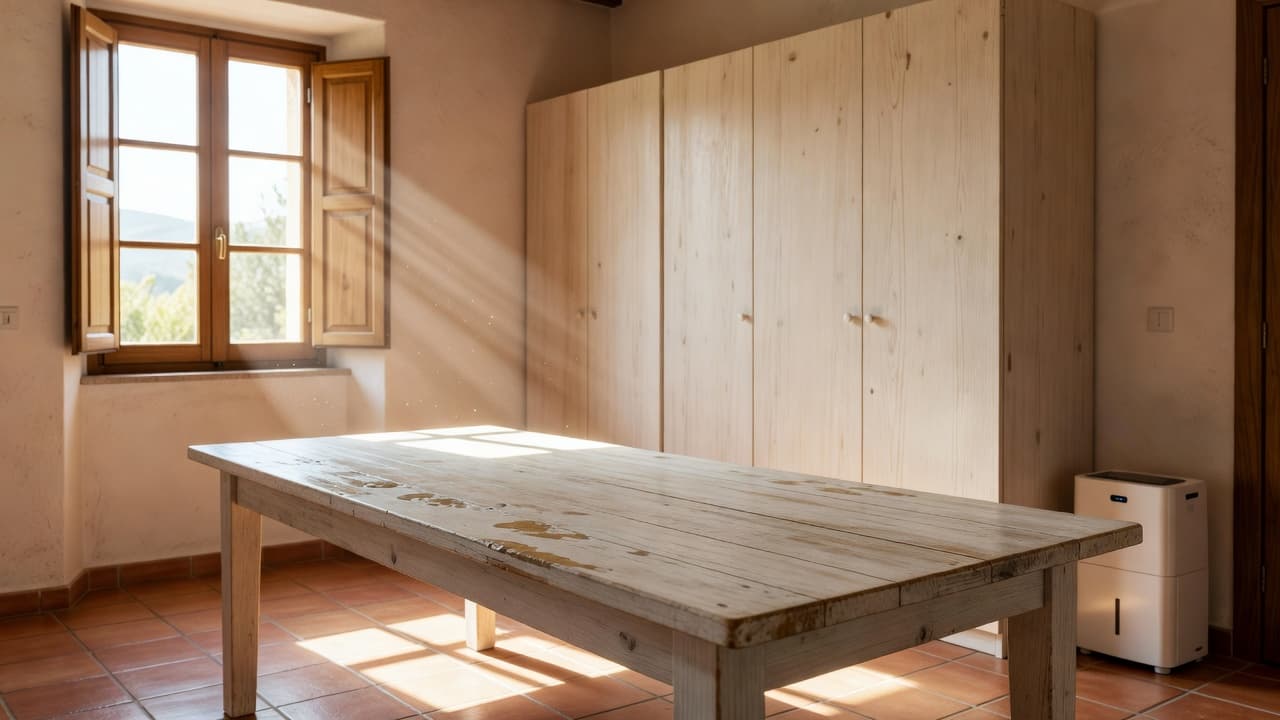
- Flooring: deep clean tiles and grout; replace cracked or missing tiles in visible areas; repair or replace worn-out wood flooring in main rooms (not bedrooms if it's just tired).
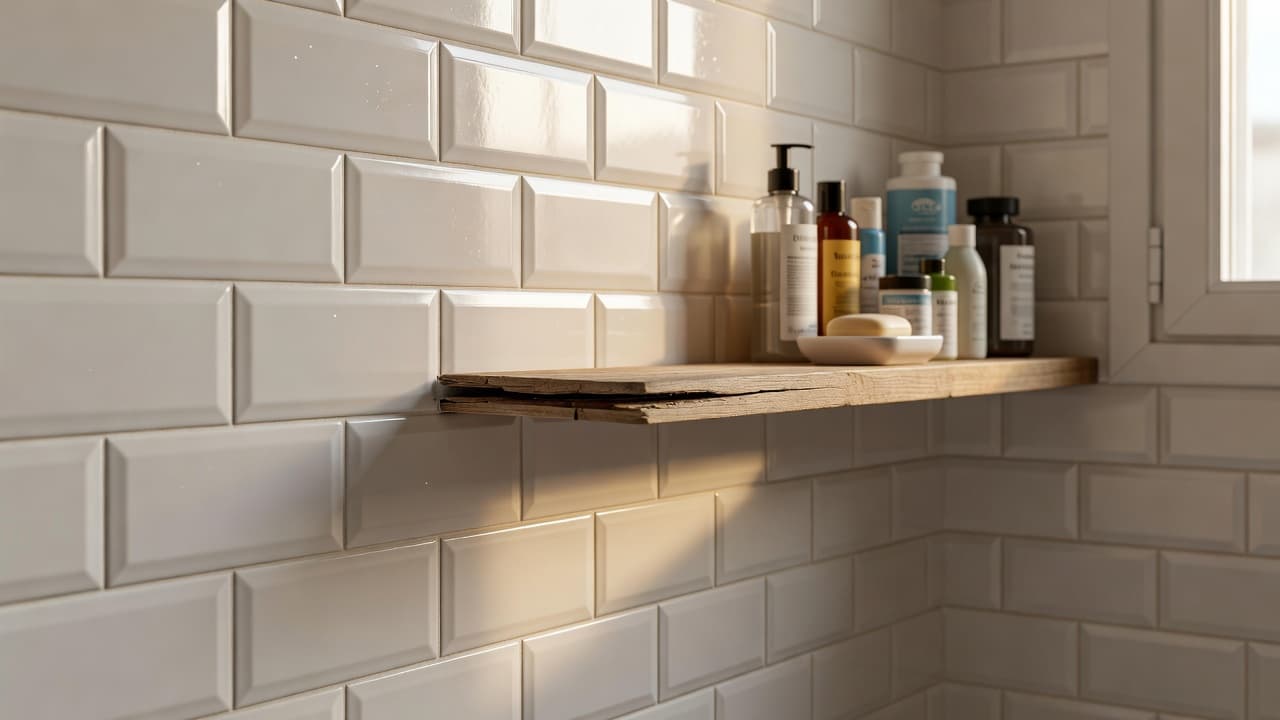
- Bathroom: remove mould, replace cracked tiles or grout, clean shower screen and fixtures.
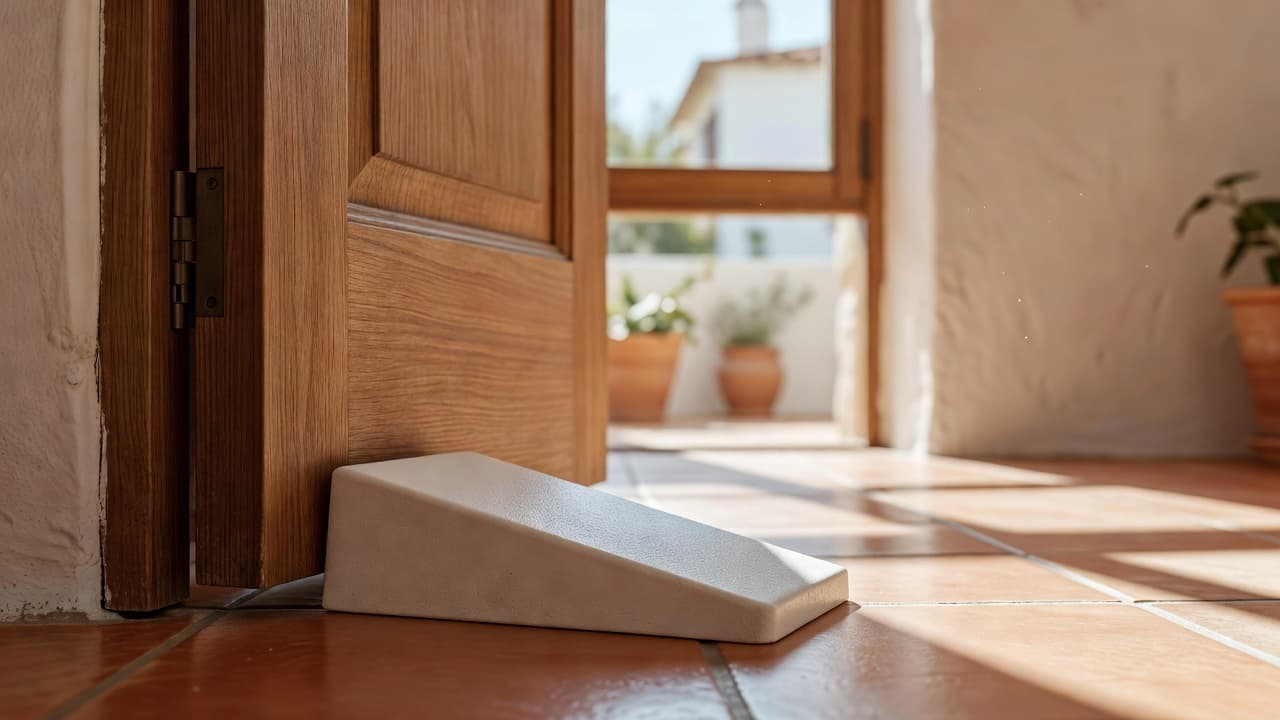
- Doors: paint or replace if warped, dented, or scraped.
- Shutters: repair rollers, replace broken slats, repaint if faded.
Tier 2 (do if budget allows, defer if tight):
- Replace old cabinet hardware in kitchen.
- Repaint exterior walls if heavily stained or faded.
- Replace or refresh weathered outdoor furniture or railings.
- Upgrade light fixtures if they're visibly dated (60s brass, plastic housings, etc.).
Tier 3 (skip, unless a buyer specifically asks):
- Full kitchen or bathroom refit.
- Replacing working appliances.
- Installing new flooring in every room.
- Extensive landscaping.
These high-investment projects often don't recover their cost on sale and distract from the core message: this home is clean, maintained, and ready to move into.
Some cosmetic work doesn't require hiring anyone. These are genuinely worthwhile if you have a few hours.
Painting small areas: You can paint an interior wall, a door, or shutters yourself if you're comfortable with a brush. Use undercoat on any dark or stained surfaces (paint won't cover a water mark or mould stain on the first coat). For large areas or exterior work, hire a professional—consistency and finish matter.
Replacing tiles: If a tile is cracked in a visible area, replace it yourself if you have a spare from the original batch. Use a grout saw to cut out old grout, lever out the tile carefully with a putty knife, scrape the backing clean, apply tile adhesive, bed the new tile, and grout when set. It's not difficult and saves €150–€300 in labour.
Cleaning and sealing grout: Use a stiff brush and a mix of bleach and water (1:10 ratio) to clean grout in bathrooms and kitchens. Once dry, apply grout sealer if it's porous (looks dull). This prevents mould returning and costs €30–€50.
Replacing cabinet doors: Kitchen cabinet doors are simple to unscrew and replace. Measure carefully and order like-for-like or similar style. This costs €100–€400 in materials and transforms how the kitchen looks without a full refit.
Refreshing exterior paint on doors and shutters: Use exterior-grade paint and do it in dry weather (not less than 48 hours before viewings). Brush or spray—spray is faster and smoother, but more wasteful. Budget a full day and €50–€150 in materials.
Do not attempt: any electrical work, plumbing alterations (new pipes, moving outlets), structural repairs, or anything involving gas. These need certification and a professional.
Stop and call a professional if you encounter these situations:
- The paint won't cover. If stains or marks bleed through undercoat, it's likely mould, salt damage, or water ingress—not just a cosmetic stain. Get a professional assessment. Painting over mould traps moisture and it spreads.
- Tiles are cracked but won't come out. If the adhesive is so strong the tile shatters, you risk damaging surrounding tiles or the substrate. Professional removal is safer and faster (€30–€80 per tile).
- Grout is actively crumbling or mouldy below the surface. This suggests water ingress or cement failure. A professional tiles specialist can identify whether it's cosmetic or structural.
- Water stains appear on walls or ceilings. Never just paint over these. The underlying moisture will return and destroy the new paint. Investigate and fix the source first (roof leak, plumbing, damp).
- Shutters are jammed or rollers are damaged. The mechanism is complex. Forcing it risks breaking the entire shutter. A professional can identify whether it's a simple adjustment or a replacement.
- Doors are warped or won't close. This can be a sign of structural movement or humidity swelling. A professional carpenter will assess whether to plane, rehang, or replace.
- Light switches or outlets are loose or discoloured. Electrical work. Do not touch. Call an electrician immediately.
When you hire a professional handyman or specialist for cosmetic repairs, here's what to expect.
For painting: The tradesperson will assess the surface, sand or prime if needed, apply undercoat and topcoat, and protect areas not being painted. Interior rooms typically take 1–3 days depending on size. Exterior work takes longer and depends on weather. They'll remove protective coverings before leaving and ideally leave the room dry and ready to furnish within 24–48 hours.
For flooring repairs or replacement: If replacing tiles or boards, the professional will remove old material, prepare the substrate (ensuring it's flat and dry), apply adhesive and bed the new flooring, grout or seal as needed, and cure time (usually 24–72 hours before heavy foot traffic). They'll provide care instructions—many foreigners don't know that newly grouted tile needs time to set.
For shutters: A shutter specialist will check the mechanism, replace broken slats, repair or replace rollers, adjust tension, and repaint if needed. The work usually takes a few hours per shutter, and shutters should roll smoothly before they leave.
For bathroom work (tiles, grout, sealing): A tiles specialist will clean or replace grout, replace cracked tiles, apply sealer, and ensure everything is watertight. Curing times mean the bathroom should be wet-free for 48 hours after grouting.
Documentation: For larger work, ask for a receipt and photos of before and after. This reassures buyers that work was done professionally, especially if they have their own surveyor inspect.
Once you've made repairs, protect them during the handover period.
Protect fresh paint: Avoid heavy cleaning or touching walls for at least two weeks. If showing the property, ensure all painting is complete a minimum of 1–2 weeks before the first viewings—wet paint or paint smell puts buyers off and masks the "fresh and clean" impression you're aiming for.
Maintain grout and seals: Keep bathrooms ventilated (open windows after showers) to prevent new mould. Once sealed, grout is more resistant, but mould can still colonise if humidity is high. Run an extractor fan or leave a window cracked, especially during damp seasons (autumn, winter).
Keep shutters maintained: Ensure they roll smoothly before showing. Stiff or jamming shutters signal neglect, even if they're just sticky from disuse.
Monitor for new water stains or damp: If you spot new stains appearing after repairs, investigate immediately. Don't cover them with paint. Water problems spread quickly in Mediterranean climates and will undermine your sale or rental appeal.
Clean constantly before viewings: Dust, pet hair, and clutter erase cosmetic improvements. Professional cleaning 2–3 days before the first viewing is often worth €150–€300. The property should smell neutral (no cooking smells, air freshener, or perfume—these trigger suspicion of covering something up).
The difference between a home that sells for asking price and one that lingers on the market isn't always the structure or the location—it's how it feels in the first 30 seconds. Foreign buyers and renters are making emotional decisions fast. Cosmetic repairs are your fastest route to that first positive feeling. Focus on paint, cleanliness, working fixtures, and maintained shutters. Skip the trendy upgrades. Show the property as it could be lived in