Communities of owners have the legal power to regulate changes to shared parts of the building, which includes the exterior façade. This power comes from the Ley de Propiedad Horizontal (Law of Horizontal Property), Spain's governing statute for flat ownership. Here are the typical reasons a community says no:
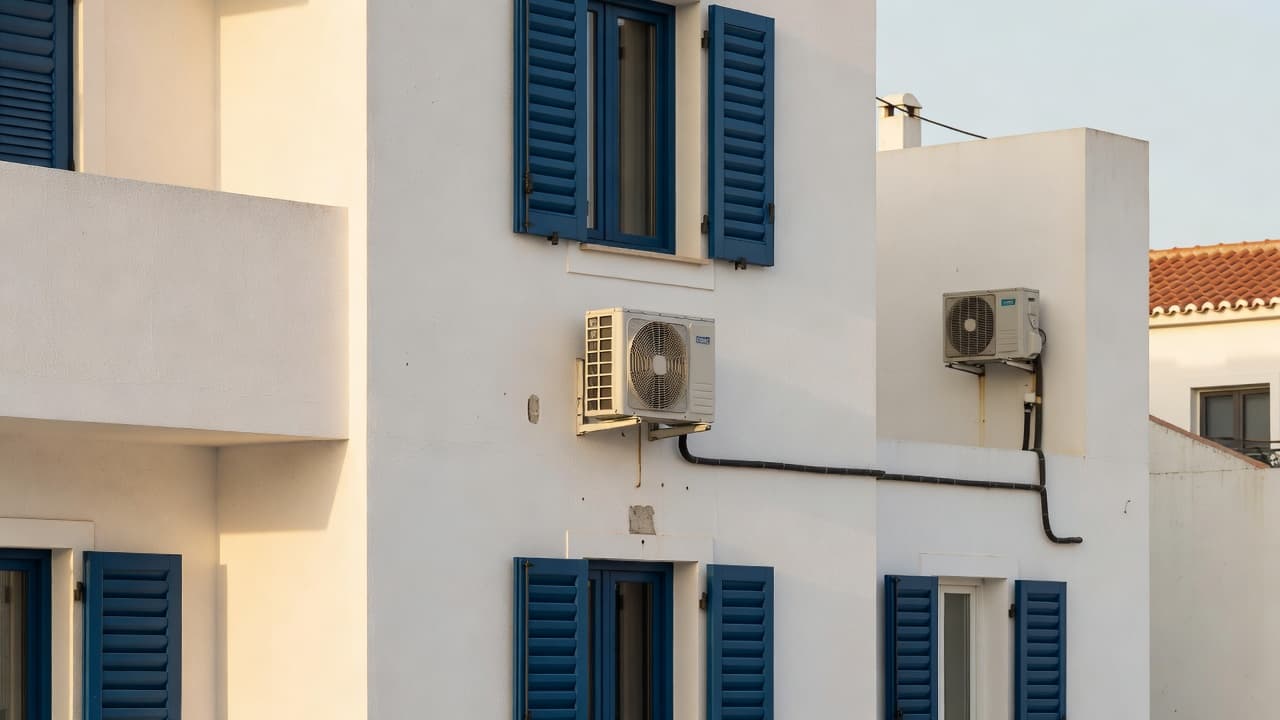
Aesthetics and building character. This is the most common reason, especially in older urbanisations, heritage-listed areas, or developments with strict architectural rules. The community believes external AC units damage the uniform appearance of the building. On the Mediterranean coast, many properties were built with specific design standards to maintain the character of the development or town.
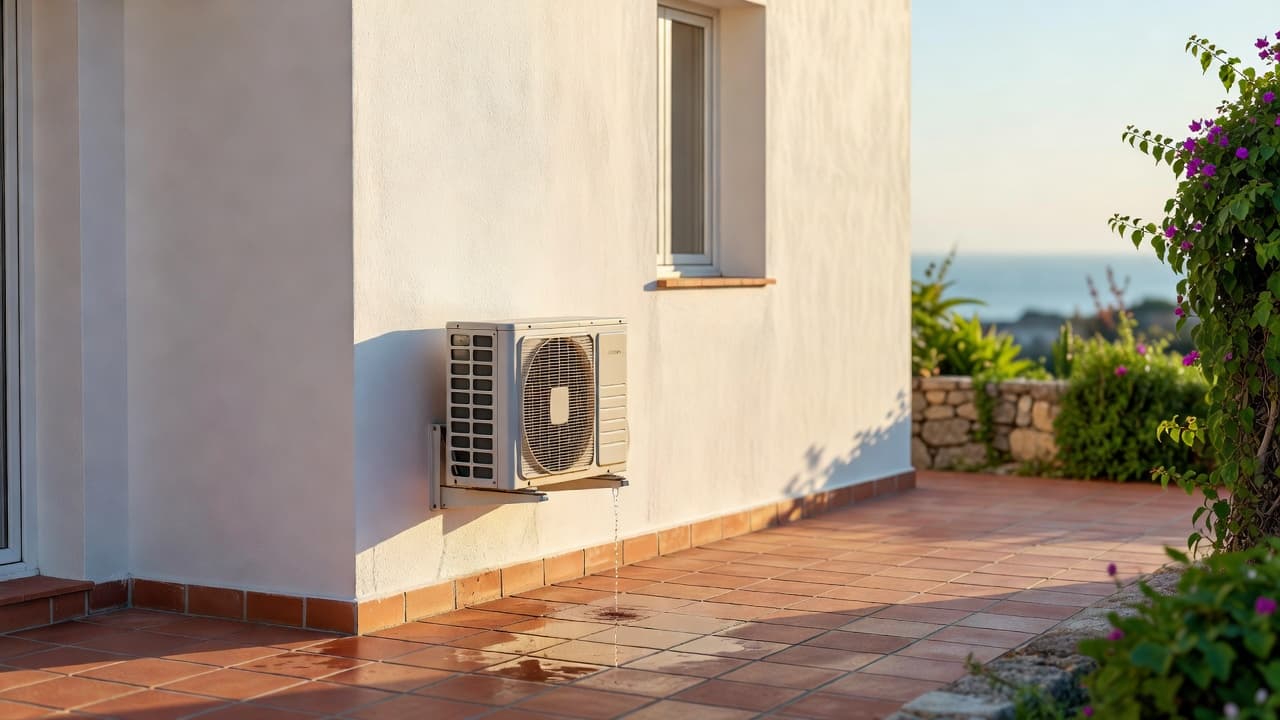
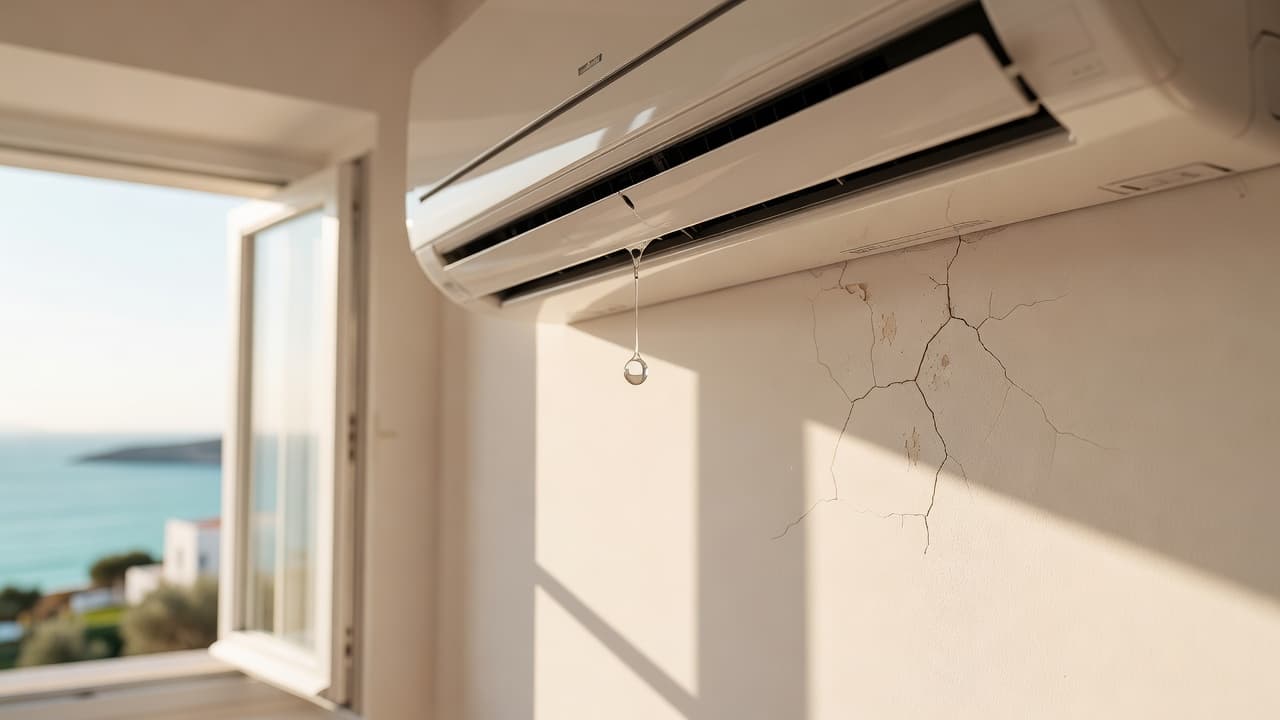
Structural or technical concerns. Mounting an external unit requires fixing to the exterior wall. Some buildings have cavity walls, render, or historical façades where drilling could cause damage. Communities sometimes reject AC on these grounds to protect the building's integrity or to avoid water ingress problems.
Quantity and precedent. If several residents all install external units at once, the building can start to look chaotic. Communities sometimes approve one or two but reject others to maintain order. This feels unfair, but it's legally defensible.
Shared building regulations. Some developments have collective rules agreed at the time of purchase or imposed by the original builder. These might prohibit external installations outright. You're bound by these, even if you weren't directly consulted.
Community majority preference. Sometimes the community simply votes that it doesn't want the building to have visible AC units. This is a collective aesthetic choice. The law allows this as long as the decision was made properly (at a meeting with proper notice).
These are practical cooling solutions that don't require community approval because they don't affect the building's exterior or shared structure.
Portable air conditioning units. A self-contained unit that sits inside your flat, with a flexible duct that vents hot air through the window or a slightly open door. No external installation required. These are less efficient than splits but genuinely cool a room. Costs are typically €300–800 and they need a standard socket. The downside: they're noisy and they block a window.
Ductless wall-mounted units mounted internally. Some ductless AC systems can be mounted on an interior wall rather than the façade. The outdoor compressor would still need a location—usually a private terrace—but if you have a balcony or patio outside your flat alone, this might be approved. Ask the community specifically about this configuration.
Through-wall or window-mounted units. These are less common in Spain than splits but are an option. The unit sits in or very close to the window frame, with the condenser part outside. This is less invasive than a split with an external bracket. Again, check with the community; some allow this when they won't approve a split.
Evaporative coolers (if you live in a dry area). These use water evaporation to cool air and don't require refrigerant or external compressors. They're only effective in low-humidity climates (so less useful on the very humid coast) but have no external parts. Not suitable for everyone, but worth exploring if you're inland.
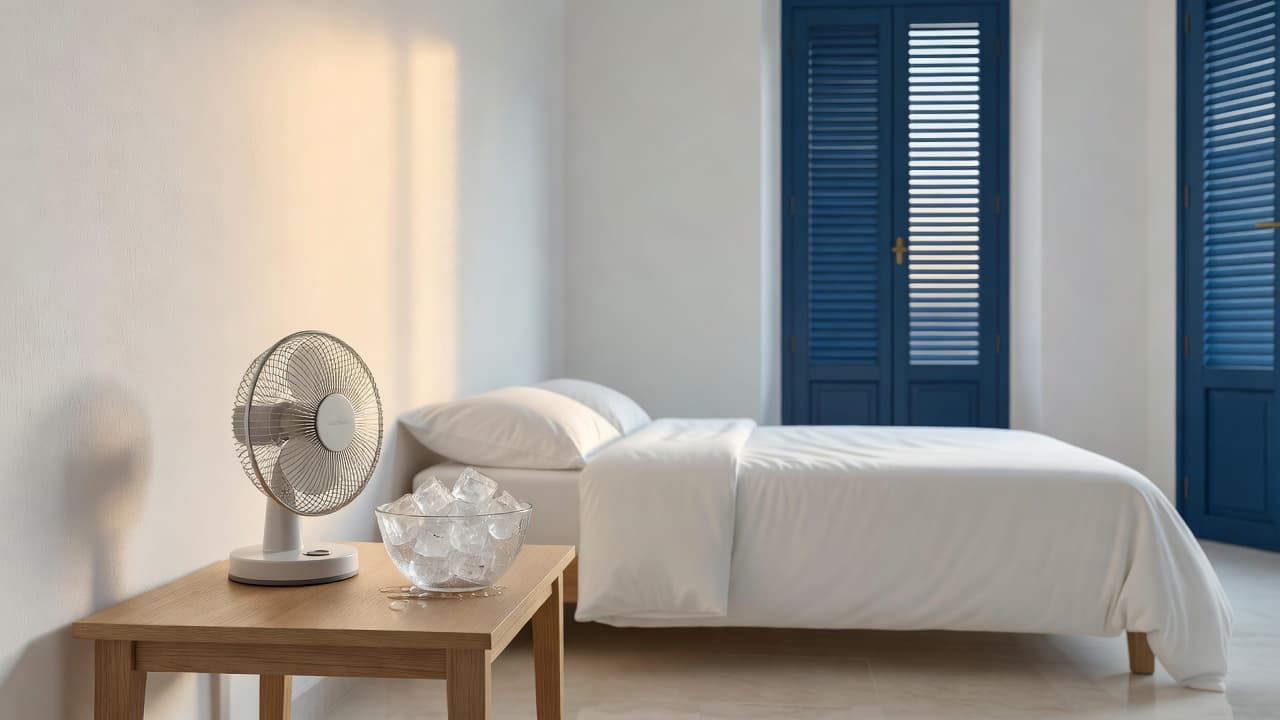
Ceiling or floor fans combined with passive cooling. Not AC, but if you close shutters and blinds during the day and open windows at night, a good fan can make a flat habitable in summer. Many Mediterranean homes rely on this; it's not ideal but it's a legitimate interim solution.
Portable AC units on a private terrace. If you have a private balcony or patio (not shared), you might be able to position a portable AC unit there with its exhaust vent secured to a railing or bracket. This doesn't use the building façade and may not require community approval. Check your flat's deeds to confirm what's private to you.
Do not attempt to install a split AC unit if any of the following apply:
- The community has formally rejected the installation. Proceeding anyway exposes you to legal action, fines from the community, and a forced removal order at your cost. It's not worth the risk.
- You don't have written permission from the community administration. A nod from a neighbour is not approval. You need it in writing, ideally from the official administrators or president.
- The building is listed as having heritage status or architectural protection. Contact the local town hall (ayuntamiento) to ask if your building has protections. If it does, the community has even more right to refuse, and you may need municipal permission as well.
- The external wall is shared with a neighbour and you don't have their explicit written consent. If your proposed unit would be fixed to a wall that adjoins another flat, that neighbour has a say. Don't proceed without their signed agreement.
- You've been told the building has structural or moisture problems. If the community or the administrator says the façade can't take external fixings, believe them. Forcing an installation could cause damage you'll have to pay to repair.
- Your rental agreement prohibits alterations. If you're renting, the lease usually forbids any permanent changes. Installing AC (even with community approval) could breach your tenancy.
If any of these apply, explore the alternative cooling options listed above or accept that you may need to pursue a formal challenge through a lawyer.
If you believe the community's refusal was unreasonable or made without proper procedure, you have options.
Request an extraordinary meeting to reconsider. You can petition the community to call an extraordinary general meeting specifically to reconsider your AC request. You'll need signatures from a proportion of owners (usually 25% of the community). Present a compromise: perhaps a smaller unit, a screened installation, or a location that's less visible. Communities are sometimes willing to revisit a decision if you show flexibility.
Propose a compromise location. Instead of the main façade facing the street, could you install on a rear wall, side wall, or shared terrace? If you can identify a less visible spot, the community might approve. Work with a local installer who can advise on the technical logistics and present a visual proposal at the next meeting.
Consult a property lawyer about challenging the decision. If the community acted without proper procedure (no notice, no vote, discriminatory enforcement), a lawyer can write a formal letter or pursue a case. Spanish courts have occasionally overturned AC rejections on these grounds, but it's not guaranteed and it costs time and money. Most cases settle through negotiation once a lawyer is involved.
Check if your regional government or town hall offers mediation. Some autonomous communities have mediation services for community disputes. This is free or low-cost and can help break a deadlock. Ask the ayuntamiento if such a service exists in your area.
When you contact an air conditioning specialist to discuss your options, they'll do three things:
First, they'll ask for the community's written rejection and the specific reason given. Different reasons suggest different solutions. If it's purely aesthetic, a screened outdoor unit or an internal-only installation might be acceptable. If it's structural, they'll assess the wall and advise accordingly.
Second, they'll check whether any previous owners in your building have installed splits and how they resolved community approval. Often, buildings have one or two units already installed, which means there's a precedent—and sometimes that makes a second request easier.
Third, they'll advise on what paperwork you'll need. If the community does eventually approve, the installer will need to file a Declaración Responsable (a responsible declaration form) with the local town hall in some regions, particularly if the work involves structural changes. They'll handle this, but you need to know it exists.
A good installer will also be honest about the timeline. Getting community approval, if it's even possible, takes weeks or months. Installation itself takes a few hours.
If you're buying a flat and air conditioning is important to you, ask three questions before you purchase:
- Has the community previously approved split AC units? Look at the building. If you see external units, ask how recent they are and whether new requests are still being approved.
- What does the building's rulebook say about external installations? Request and read the reglamento de régimen interior. Some buildings explicitly ban all external units; others are silent on the matter.
- How responsive and flexible is the community? Talk to current residents. Are they happy with how the community handles requests and disputes? A flexible community is more likely to negotiate on AC than an inflexible one.
If you're renting, check your lease. If air conditioning is essential to your comfort, rent a property where it's already installed, or ensure your lease explicitly permits you to install one.
If your community has rejected your split air conditioning plan, you're not without options—but the path forward depends on understanding why they said no and whether a compromise is possible. Start by getting the decision in writing, exploring alternative cooling solutions, and if needed, consulting a local property lawyer about whether the rejection was procedurally sound. Many Mediterranean flat owners live with this restriction; it's frustrating, but it's not insurmountable.
When you're ready to explore alternative cooling solutions or to discuss your specific situation with a specialist, our air conditioning professionals can advise on what's technically feasible within your community's rules. They know the regulations on the Mediterranean coast and they'll be honest about what is and isn't possible.