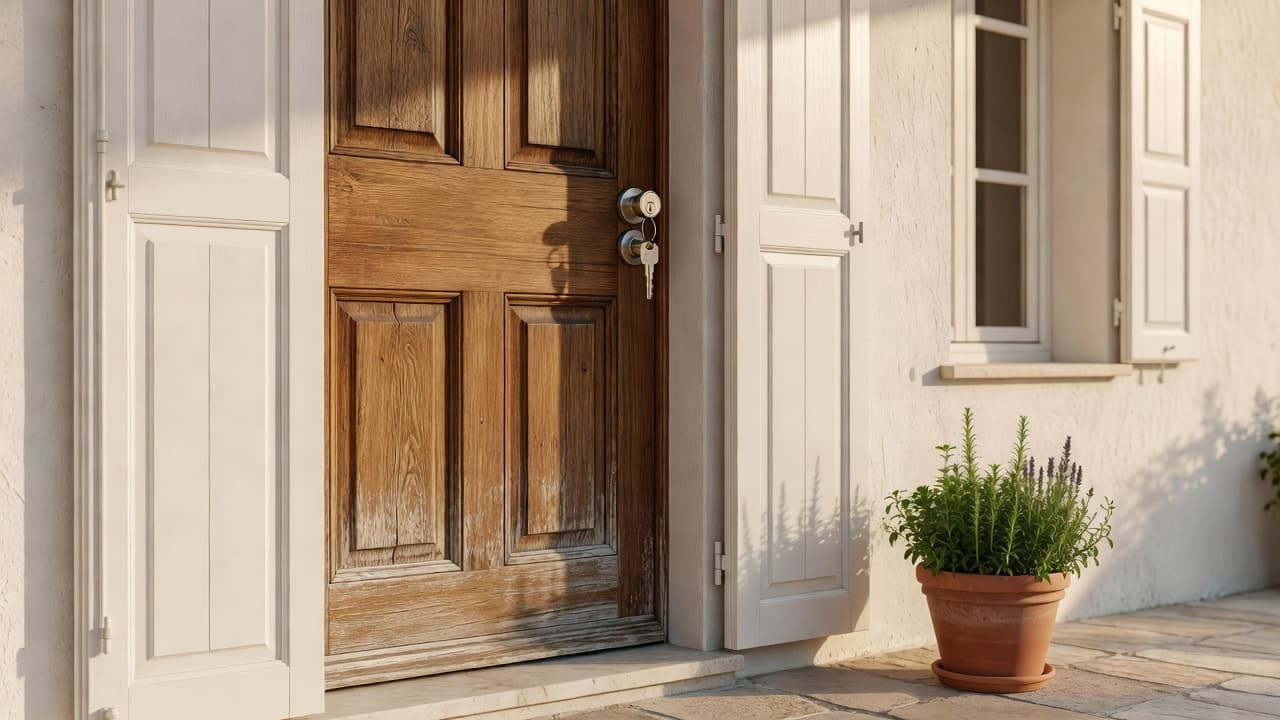
When the previous owner had the property, they (and their family, friends, contractors, and service professionals) may have made dozens of key copies over the years. A cleaner, a plumber, a gardener, the estate agent—anyone who needed access could have kept a copy. After the sale, you have no way of knowing:
- How many keys were made
- Who has them
- Whether they've handed them all back
- If additional copies were made after the handover
In Spain's Mediterranean coastal areas, where many properties are holiday homes or investment rentals, this problem is particularly acute. Previous owners may have given keys to neighbours, friends who visit regularly, or local service people who've worked on the property for years. They may not even remember everyone who has a copy.
Changing the locks means you control access from day one. It's not an insult to the previous owner—it's standard practice in nearly every developed country when residential property changes hands.
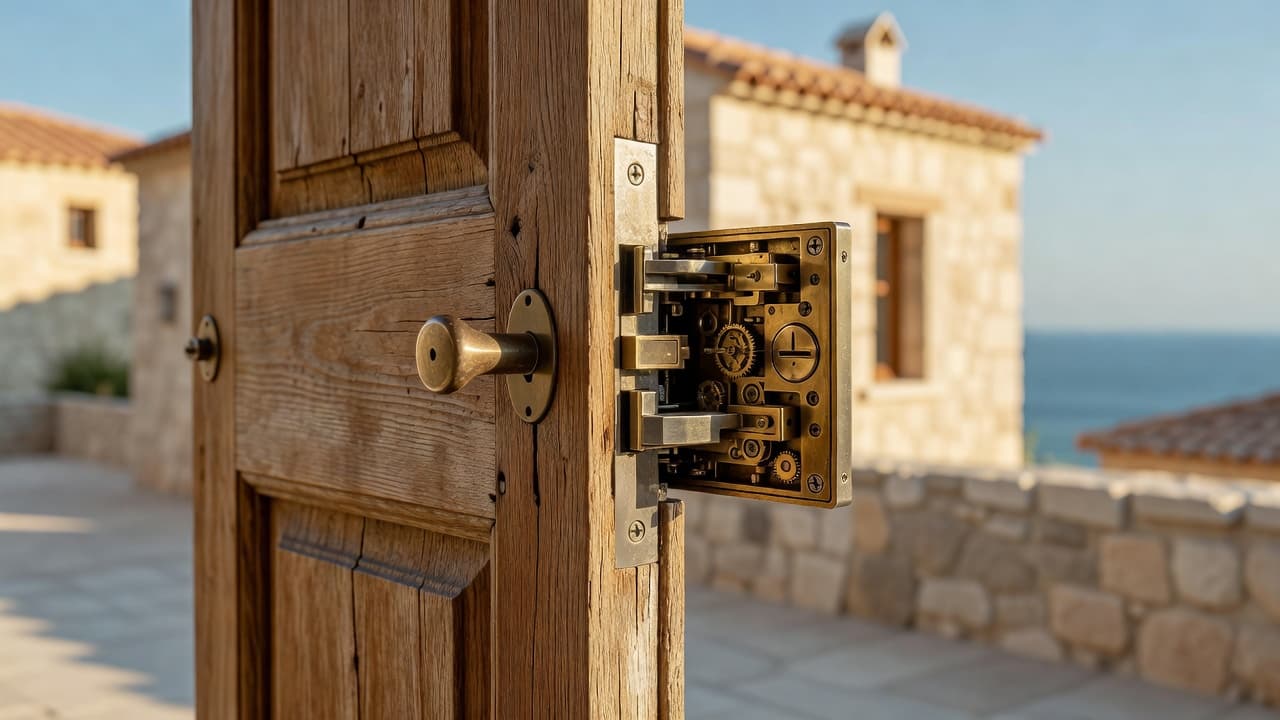
Rekeying means the locksmith removes and rebuilds the internal mechanism (the cylinder) so that the old key no longer opens the lock. The lock body stays on the door. This is:
- Faster (20–30 minutes per lock)
- Cheaper (typically €25–€60 per lock)
- Adequate if the existing locks are in good condition and relatively modern
Replacing the entire lock means removing the old lock completely and fitting a brand-new one. This is:
- More thorough—no possibility that the old key might work
- Better if the existing locks are old, rusty, or corroded (common in salt-air coastal regions)
- More expensive (€40–€100+ per lock, depending on quality)
- Takes longer (30–45 minutes per lock)
For most new owners, rekeying is the right choice. It's faster, cheaper, and solves the security problem. Only choose full replacement if:
- The locks are visibly corroded or damaged
- They're very old and you're concerned about their integrity
- You want brand-new locks as part of a broader security upgrade
- The existing locks don't match and you want uniformity for aesthetic or practical reasons
A good locksmith will inspect your locks and recommend one or the other when you book.
If you're worried about security during the week or two before you can arrange a locksmith:
- Use door wedges or security bars on internal side. These are not glamorous, but they prevent someone using an old key from opening the door fully.
- Fit a portable door lock or travel lock on the inside of the front door as an extra barrier. These are inexpensive and you can move them if needed.
- Change the keys you use immediately. Don't use the old keys; ask the estate agent or solicitor for a fresh set if available. If that's impossible, at least rotate which keys you use so that worn grooves in one particular key don't reveal patterns.
- Be aware of unusual wear on locks. If you notice a lock looks heavily used or damaged, this might indicate someone has been fiddling with it. Report this to your locksmith when you call.
These are temporary reassurances, not replacements for changing the locks. They buy you peace of mind for a few days, but the real fix is professional rekeying or replacement.
Do not attempt to rekey or replace a lock yourself. This is not a DIY job.
- Rekeying requires specialist pinning tools, springs, and knowledge of lock mechanisms. One mistake and the lock stops working entirely or becomes insecure.
- You may damage the lock beyond repair, forcing you to call a locksmith anyway—at greater cost.
- If the lock is jammed or corroded (very common on the Mediterranean coast due to salt air and humidity), you could break the door or the lock permanently.
- You won't have documentation or warranty for the work.
Call a professional. It's inexpensive enough that DIY savings are illusory.
A professional locksmith will:
- Inspect each lock and confirm the type and condition. They'll test that the old key works and note any damage or corrosion.
- Explain their recommendation: rekeying or replacement, with the cost for each lock.
- Get your approval before proceeding.
- Remove the lock cylinder (or the entire lock if replacing) using specialist tools.
- Rekey the mechanism (disassemble, replace the pins, reassemble) or fit a new lock body and cylinder.
- Test the new key or keys multiple times in each lock to ensure smooth operation.
- Hand you new keys and often a receipt or invoice. Some locksmiths provide a small label for each key so you know which door it opens—useful in a large property or villa.
- Give you security advice about keeping spare keys safe, giving copies only to trusted family or staff, and rekeying again if a key is ever lost.
The entire job for 3–5 locks typically takes 1–2 hours. A transparent locksmith will explain what they're doing and check with you before any work begins.
Once the locks are changed:
- Keep one set of new keys in a safe place (not left on a hook by the door). A locksmith's callout fee applies if you lock yourself out.
- Give spare keys only to trusted family members or people who genuinely need them (a cleaner, a caretaker, a family member with a holiday home key). Not the estate agent, not neighbours, not casual visitors.
- If you employ local staff (gardener, cleaner, builder), give them only the keys they need, and make clear they're not to be copied or shared.
- Consider a spare set in a secure location outside the property (with a trusted family member abroad, or in a safe deposit box) so you're not locked out if you lose your keys while travelling.
- If a key is ever lost or stolen, rekey the affected locks again. This is a minor cost and removes uncertainty.
Once your locks are secure:
- Inspect locks annually for signs of corrosion or damage, especially if you live on or near the coast. Salt air corrodes metal quickly.
- If you hire local tradespeople or holiday rental cleaners, use a key safe (mechanical or electronic) instead of handing over physical keys. This allows access without the security risk of copies floating around.
- When selling your property in future, rekey or replace the locks before handing over to the new owner. This is increasingly expected by buyers and their advisors.
- Maintain a record of when locks were changed and by whom. This is useful information if you ever sell the property, and it reminds you when maintenance is due.
Once your locks are changed, you can settle into your new home without wondering who else might have a key. It's one decision that pays for itself in peace of mind and is genuinely important.
If you need a qualified, reliable locksmith on Spain's Mediterranean coast who speaks your language, browse our network of verified professionals. We vet every tradesperson, manage the booking, and ensure transparent pricing before work begins. Find a locksmith in your area.