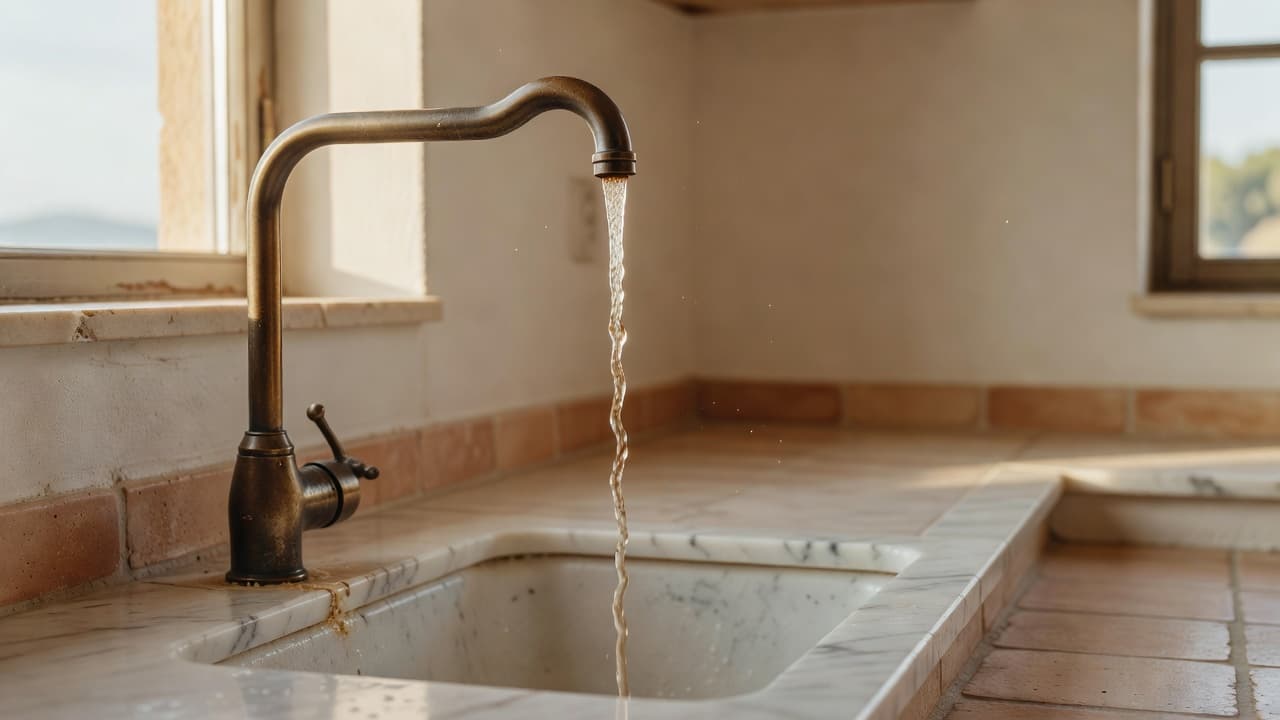
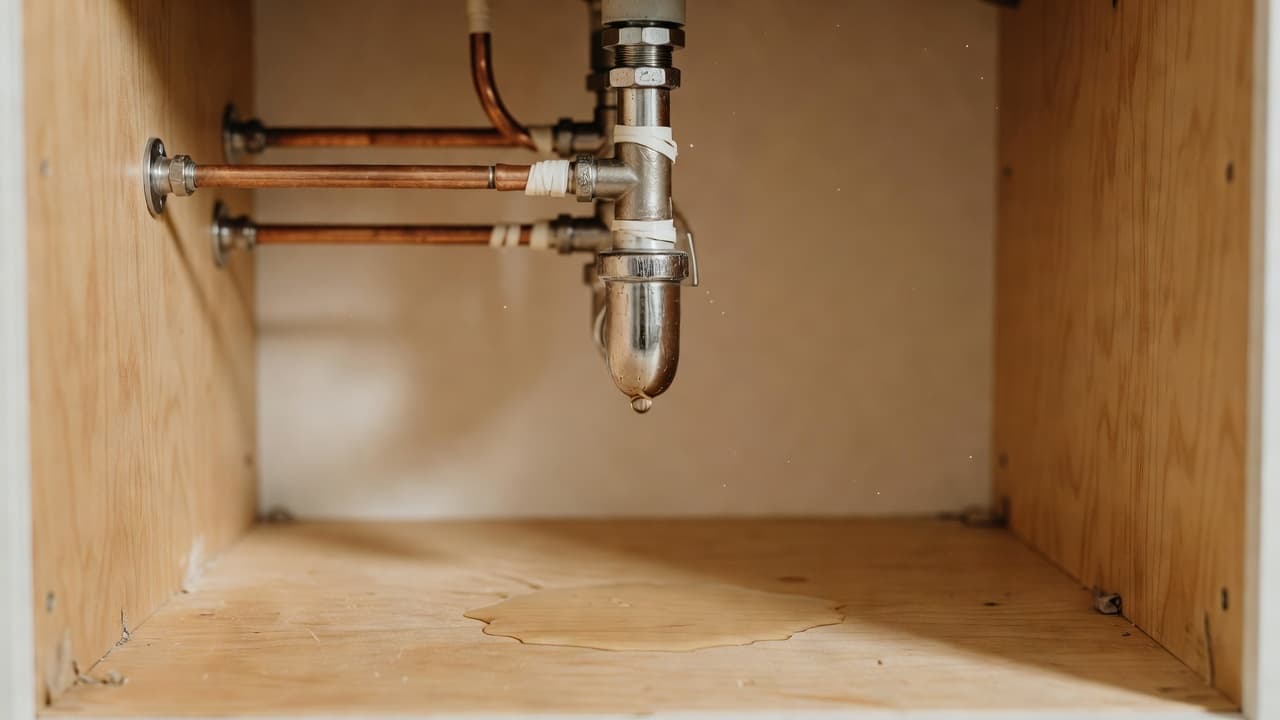
Brown or discoloured water from hot taps has a handful of common causes:
Rust inside the hot water tank. Most hot water tanks on Spain's Mediterranean coast are metal (either steel with an internal lining, or copper). Over time, especially in humid salt-air environments near the coast, the interior can corrode, releasing rust particles into the water. This is the most common cause in homes more than 15–20 years old.
Sediment buildup in the tank. Mineral deposits and fine sediment accumulate at the bottom of hot water tanks (called a termo eléctrico if electric, or a tank fed by a gas boiler). When the heating element is switched on or water pressure changes, this sediment gets stirred up and colours the water brown. It's annoying rather than dangerous, but it signals that the tank needs flushing or replacement soon.
Corrosion in the hot water pipes. Older galvanised steel pipes (common in properties built before the 1990s) gradually corrode from the inside, especially where hot water speeds up the process. You'll see brown water immediately at the tap if this is the cause.
A sudden disturbance to the water supply. If there's been maintenance on the mains supply in your area, or if water pressure has fluctuated, debris in the distribution pipes can be flushed into your home. This is usually temporary.
Water heater malfunction. Rarely, the heating element inside an electric tank corrodes and sheds particles. More often, it's simply sediment being heated repeatedly.
Flush the system regularly. Run hot water at one tap for 10–15 minutes, twice a day, until the water clears. This helps dislodge loose sediment without damage. Make sure you're draining the water safely (not into a bucket that will overflow).
Lower the water heater temperature slightly. If you have an electric hot water tank, you can reduce the thermostat setting by a few degrees. This slows corrosion, though it won't stop discoloration if the tank itself is rusted. Don't go below 50°C—you need that temperature to prevent legionella growth.
Use a clean tap filter or strainer. A simple tap-mounted filter (available from any hardware shop) will catch large rust particles if you need to use hot water for washing up. This is a temporary measure only—it doesn't fix the underlying problem.
Avoid water-intensive tasks. Don't run the dishwasher or washing machine until the issue is resolved. Rust particles can clog the inlet valves on these appliances, and you'll face expensive repairs later.
Keep the cold water separate. Use only cold water for drinking and cooking until the hot water system has been checked. It's almost certainly fine, but why take the risk.
Do not attempt to drain, flush or repair the hot water tank yourself. Call a plumber immediately if you notice any of the following:
- The water stays brown after 24 hours of regular flushing. This means corrosion is active and ongoing, not a one-off disturbance.
- The water has a strong smell of rotten eggs (sulphur) or metal. This suggests bacteria growth or advanced corrosion inside the tank—a professional needs to inspect it.
- You see brown water coming from the cold taps as well. This indicates the problem may be in the main supply pipes, not just your hot water system. This is rarer but requires immediate professional diagnosis.
- The hot water is weaker than usual or comes out at irregular pressure. The blockage may be serious enough to restrict flow. A plumber needs to check before the pipe becomes completely blocked.
- Your hot water tank is leaking, even slightly. Any sign of water around the tank itself means corrosion has breached the tank wall. Stop using hot water and call a plumber that day.
- You live in a flat and your neighbours report the same problem. The issue may be in the communal pipes. Report it to the property management office (administrador) immediately—they are responsible for shared installations.
In all these cases, stop using hot water and wait for the professional. You cannot safely fix a corroded or contaminated hot water system yourself.
A plumber investigating brown water will first check the colour and smell to narrow down the cause. They'll run water from several taps to determine whether the problem is in the main tank or isolated to specific pipes.
Next, they'll likely recommend one of three approaches:
Tank flushing. If the discoloration is from settled sediment, the plumber can flush the tank by draining it completely and refilling it. This removes loose debris and often restores clear water. It's a straightforward job taking 30–60 minutes.
Tank descaling or replacement. If rust is actively forming inside the tank, flushing won't be enough. The plumber may use a chemical descaling treatment (safe, done inside the tank) to slow corrosion and restore water clarity. If the tank is very old or heavily corroded, replacement will be recommended. An electric hot water tank (termo) typically costs €400–800 to replace; a gas boiler system costs more and requires a qualified gas engineer.
Pipe inspection and replacement. If corrosion is in the pipes, the plumber may inspect them using a camera scope. Severely corroded galvanised pipes should be replaced with modern copper or plastic pipes. This is more expensive (€800–2,000 depending on the extent) but prevents future problems.
Most plumbers will provide a written report of what they found and what they recommend. Keep this for your records, especially if you're renting—you may need it for your landlord or insurance.
Flush your hot water tank once a year. This prevents sediment buildup. Many plumbers offer this as a quick annual service. Ask when they visit.
Check your hot water tank's anode rod every 2–3 years (if it has one). Some electric hot water tanks include a replaceable anode rod designed to corrode instead of the tank itself. If it's heavily corroded, it can be replaced cheaply—often €30–60—and will extend the tank's life by years.
Use a water softener if you live in a hard-water area. Mineral-rich water (common on the coast) accelerates corrosion. A water softener reduces mineral content and slows rust formation. It's an investment (€400–800 upfront) but pays for itself in extended equipment life.
Have your water pressure checked. Excessive mains pressure (above 3 bar) accelerates corrosion in pipes and tanks. A plumber can install a pressure regulator to protect your system.
Know where your main stopcock is located. It's usually under the kitchen sink, in a bathroom cupboard, or on a landing in older Spanish homes. If your hot water system fails completely, you may need to shut off the water supply quickly. In a flat in an urbanisation, ask your neighbours or the property management office where the communal stopcock is.
Brown water from your hot tap is a sign that your hot water system needs attention, but it's not a crisis. A day or two of flushing will tell you whether it's a simple sediment issue or something that needs professional repair. If the water doesn't clear within 24 hours, or if it smells bad, don't delay—a plumber will diagnose the problem quickly and recommend the right fix. The sooner you act, the less likely you are to need an expensive tank replacement later.
If you need a plumber to inspect your hot water system, contact our network of plumbers on Spain's Mediterranean coast. We connect you with experienced, multilingual professionals who can diagnose and fix hot water problems the same day.