A forced entry usually means one of three things happened to your lock:
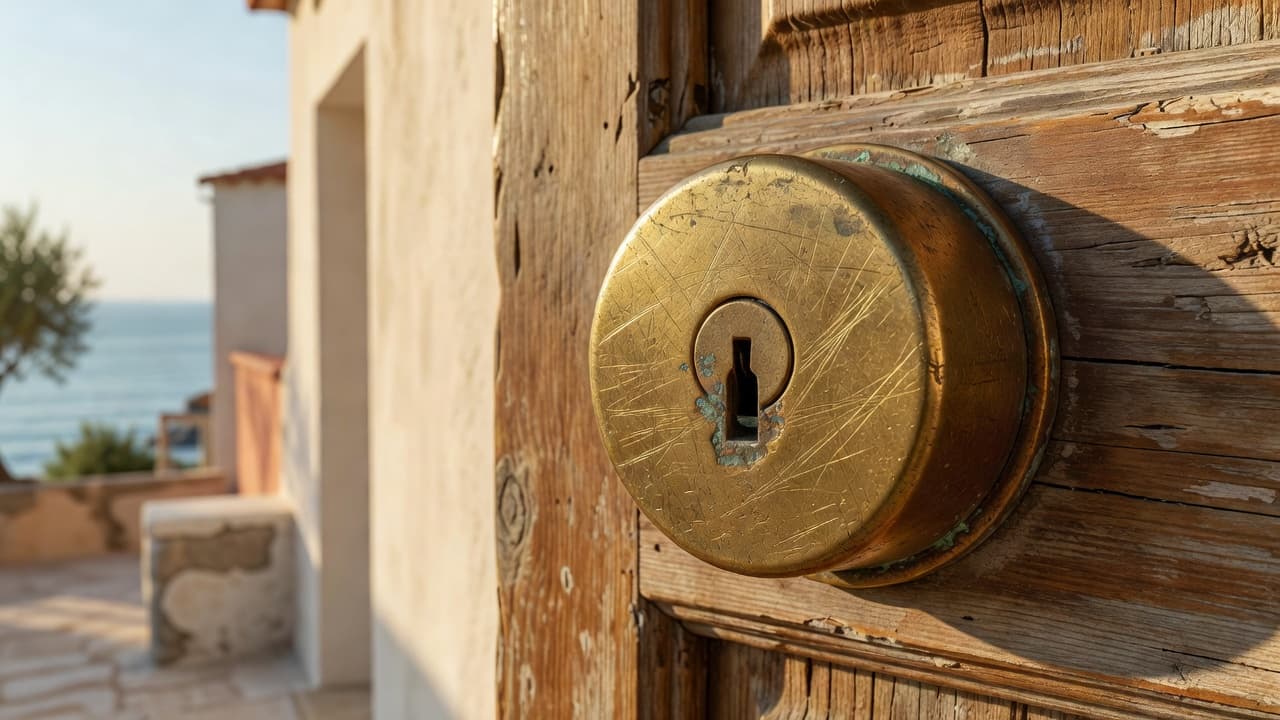
The cylinder was snapped or pulled out. This is common with standard European cylinders (the part you turn the key in). An intruder used force—sometimes a tool or their body weight—to break the cylinder away from the lock body. Once the cylinder is out, the lock mechanism is exposed and can be manipulated from inside.
The lock body was forced or the bolt was kicked in. The entire lock assembly gave way, or the bolt (the metal piece that slides in and out) was pushed back by force. This usually means the door frame was also damaged—the frame might be splintered, cracked, or the door hinge screws torn out.
A door viewer (peephole) or mail slot was exploited. Older properties or flats sometimes have locks vulnerable to opening from outside through these openings. Less common in modern homes on the coast, but worth noting.
The specific cause doesn't matter for your next step. What matters is that a professional needs to inspect it and fit a new lock before you're secure again.
Do not try to use the lock again, even if it seems to work. A forced lock is compromised and will not hold. Do not rekey it or try a temporary fix—these actions can destroy fingerprint evidence and waste time.
Keep the door closed but not locked. Use a doorstop, a wedge, or ask someone to stay with you. In a block of flats, make sure the communal entry door is also secure—if the break-in was via the communal entrance, alert the community manager (gerente de la comunidad) or building administrator.
Make a note of what's missing or damaged. Walk through the property with a family member or trusted friend, note anything taken or disturbed, and photograph it. This is for the police and your insurance.
Check other entry points. Windows, back doors, garden gates—make sure nothing else has been forced. If another entrance is also compromised, tell the locksmith so they can plan repairs.
Stay somewhere safe if it gets dark before the locksmith arrives. On the Mediterranean coast, emergency locksmiths usually respond within 2–4 hours for a break-in, but if you're alone and it's late, don't stay in a home with a broken lock overnight. Call family, friends, or a hotel. The locksmith can come the next morning if necessary—your safety is the priority.
When the locksmith arrives, they'll first check the incident number and verify they're attending the right property. They'll examine the lock, the door, and the frame to understand the damage.
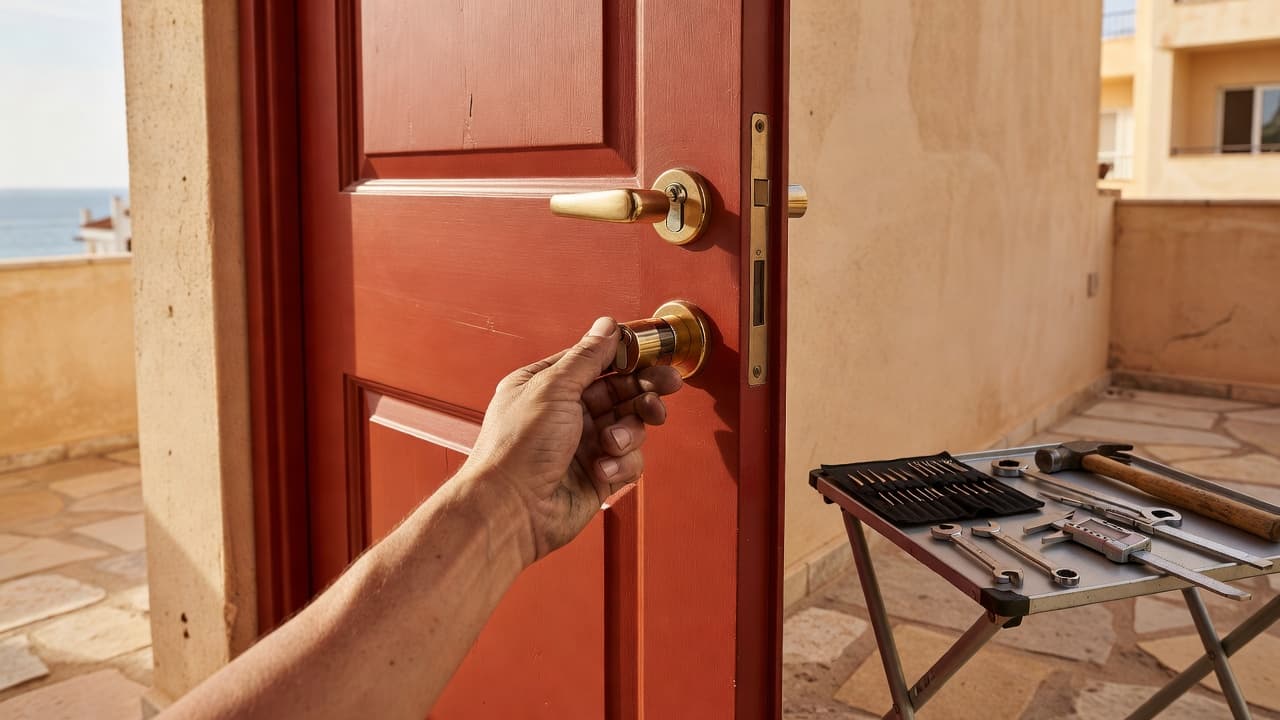
If only the cylinder is damaged, they'll remove and replace it. This takes 20–30 minutes for a standard lock and costs roughly €80–150 depending on the lock type and whether an anti-snap or anti-bump cylinder is fitted. They'll fit a new cylinder, test the key, and hand you spare keys.
If the lock body is damaged or the door frame is splintered or cracked, the repair takes longer—45–60 minutes. The locksmith may need to fit a new lock body, reinforce the frame, or adjust the door. Costs rise to €150–300 depending on the extent of damage and whether the frame needs reinforcement or repair.
The locksmith will provide a receipt with the work done, the lock type fitted, and the materials. Keep this receipt for your insurance claim. They should also hand over spare keys—usually two or three, depending on what you agree. If the lock is a Yale-type cylinder (europerfil), they'll tell you the exact model so you can order spares later if needed.
Ask the locksmith about security upgrades before they leave. Most will recommend:
- An anti-snap or anti-bump cylinder if your current one wasn't already fitted. These are harder to force and cost €20–50 extra.
- A deadbolt (cerrojo) in addition to the main lock if you don't already have one. This adds another layer of security.
- Reinforced hinges or hinge bolts if the door can be lifted off its hinges.
- A door frame reinforcer if the frame is weak or damaged.
These upgrades are worth considering, especially if you're on the ground floor, in a villa, or in a quieter area.
Do not attempt any of the following:
- Do not try to pick or manipulate the damaged lock. You will destroy forensic evidence and waste time.
- Do not try to fit a temporary lock or wedge the door in a way that blocks an emergency exit. Your home must remain safely exitable in case of fire.
- Do not drill out the lock or force it further to understand the damage. This is dangerous and will make professional repair harder and more expensive.
- Do not leave the property with a broken lock unattended overnight. This invites a second break-in and is not secure.
- Do not call a locksmith who won't provide identification or a quote before starting work. Always verify credentials and agree on price first.
After the locksmith has left, your first thought will be about preventing another break-in. Here's what matters:
Fit an anti-snap or anti-bump cylinder if you haven't already. These are proven to resist forced entry better than standard cylinders. Many professional locksmiths recommend them for properties that have been burgled.
Add a visible deadbolt or security bar on the inside of the door. This won't stop a determined intruder, but it signals that the home is not an easy target.
Improve visibility of your door. If it's hidden from the street or communal area, make sure it's well lit at night. Motion-activated lights are affordable and effective.
Check your communal security if you're in a flat. If the break-in was via the main entrance, speak to your community of owners (comunidad de vecinos) about reinforcing the communal door, fitting a video entry phone, or improving access controls.
Consider a simple alarm or camera. Even a battery-powered camera or a visible alarm box (even non-functional) deters opportunistic burglars. Many are affordable and need no installation.
Vary your patterns. Burglars often watch properties to see when they're empty. Don't leave your home at the same time every day, and ask a neighbour to open and close blinds if you're away for a week or more.
Most important: report the break-in and keep the police incident number. This is on record now, and patterns matter. If others in your area have been broken into, the police will identify trends and increase patrols.
A break-in is a violation, and it's normal to feel unsettled for days afterwards. But taking quick action on the lock—calling the police, getting a professional locksmith, and upgrading security if needed—puts control back in your hands. You've got this.
If you need an emergency locksmith on the Mediterranean coast who understands the needs of foreign residents and can respond quickly, contact our network of vetted locksmiths. They're experienced with break-ins, they work in English, German, and Dutch, and they can often attend within a few hours.