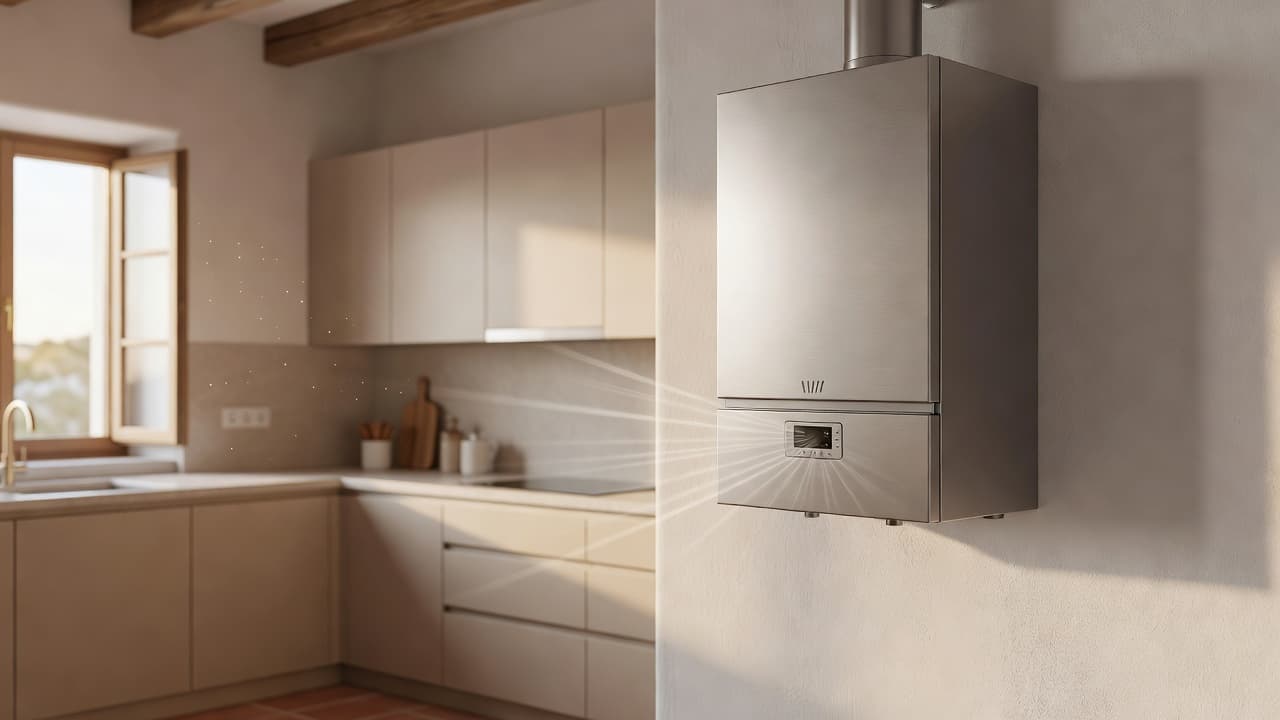
Boiler noises come from a few common sources, and knowing which one is happening helps you understand urgency.
Kettling. This is the most common noise—a sound like a kettle on the hob, a bubbling or rumbling from inside the boiler. It usually means mineral deposits or sludge have built up inside the heat exchanger (the part where water gets heated). Hard water, common along the Mediterranean coast, speeds this up. The heating element can't transfer heat properly, so water overheats in pockets and creates steam bubbles. Kettling is annoying but not immediately dangerous. It does reduce efficiency and will eventually damage the heat exchanger if left for years.
Banging or clunking. This sharp, loud noise usually points to air trapped in the pipes or radiator system. After plumbing work, or if the boiler pressure has dropped, air gets sucked into the system. When water tries to flow through an air pocket, it creates a shock wave—the bang you hear. Less commonly, banging can signal a fault in the burner or a loose internal component. If it's a fresh sound after recent work, air is almost certainly the cause.
Humming or vibration. A steady hum is typically the pump inside the boiler working harder than usual, often because pressure is too high or the pump bearings are wearing. It's not urgent, but the boiler should be checked soon to confirm the pressure is correct.
Hissing or whistling. A thin hissing sound is usually just water or steam flowing through a narrow valve. A whistling sound when the boiler fires up can indicate the gas valve opening. Both are usually harmless, though a sudden increase in volume warrants a check.
Clunking from pipes (not the boiler itself). If the noise is from pipes in the walls rather than the boiler unit, it's almost always air in the system or water pressure that's too high. This is a plumber's job, not an emergency, but should be sorted within a few days.
Bleed the radiators if you suspect air in the system. At the top of each radiator is a small brass valve with a square socket. Using a radiator bleed key (a small tool, costs a few euros at any hardware shop), turn the valve one-quarter turn counterclockwise while holding a cup underneath. You'll hear a hiss as air escapes. When water starts to drip, turn it closed again. Do this to all radiators. This simple step often stops banging and clunking immediately.
Check the boiler pressure. Most modern boilers have a pressure gauge on the front. It should read between 1.0 and 1.5 bar (consult your manual for the exact range—the gauge usually has a green zone marked). If it's below 1.0, the boiler will pull air into the system and make noise. Pressure is increased by opening a small lever called the filling loop, usually underneath the boiler or on a pipe beneath it. Open it slowly until the gauge reaches the middle of the green zone, then close it. Never fill beyond 2.0 bar—this is dangerous.
Clean the boiler exterior. Dust and salt-air corrosion (common near the coast) can settle on the boiler casing and fan vents, making the boiler work harder and sound louder. A soft brush or cloth around the intake and exhaust vents helps. Don't poke inside or disassemble anything.
Ensure the boiler has good ventilation. If the boiler is in a cupboard or confined space and feels very hot to touch, poor ventilation can make it sound louder or work inefficiently. Make sure air can flow freely around it.
These steps are safe and can solve the problem in many cases. If the noise persists after bleeding radiators and checking pressure, a professional visit is needed.
Stop and call a professional immediately if:
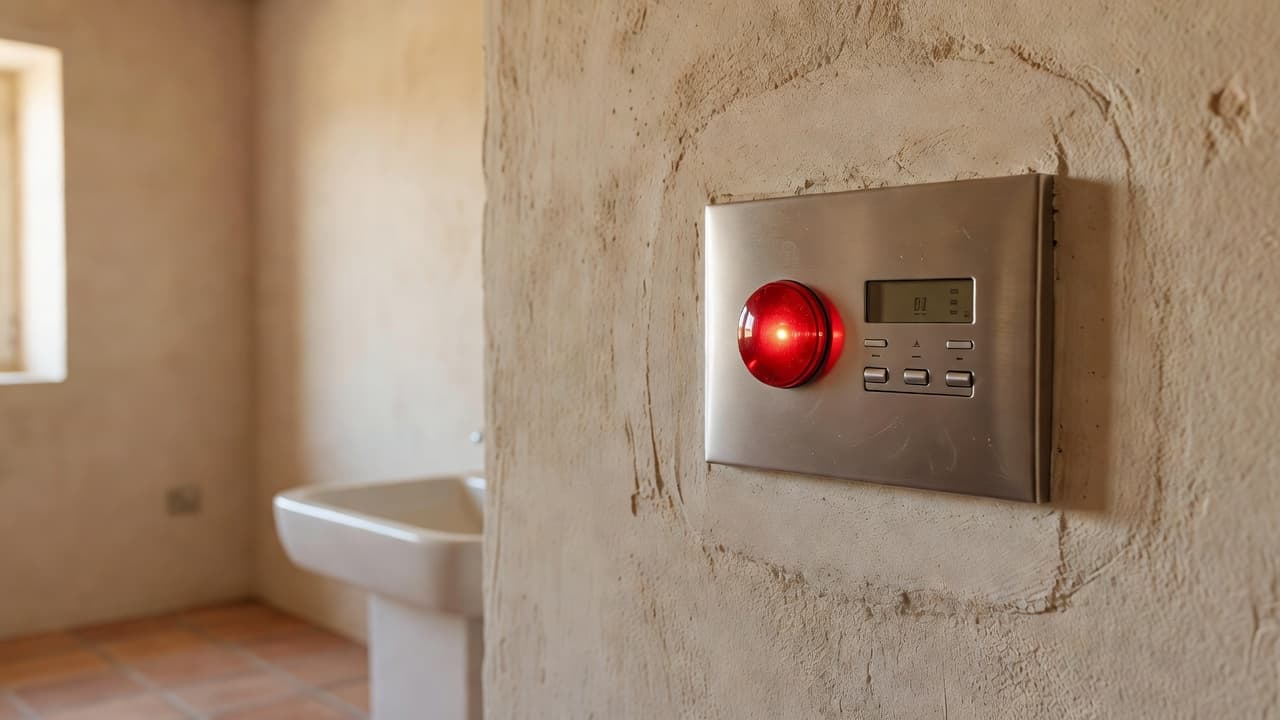
You smell gas near the boiler. Gas leaks are dangerous. Turn off the boiler at the control panel, open windows, and call your gas engineer or emergency services.
You see water leaking from the boiler or pooling underneath it. Water inside the boiler unit or escaping from a joint means internal seals are failing. Using it risks further damage and potential electrical hazard.
The boiler is making a loud, irregular banging sound and the heating isn't working properly. This can indicate a fault in the burner or combustion process, which requires professional diagnosis.
The noise is accompanied by the boiler shutting off repeatedly or the pilot light not staying lit. These are safety interlocks, and the boiler needs servicing.
The boiler casing is extremely hot to the touch, beyond the normal warmth of operation. This suggests a thermostat or control issue.
The noise is a high-pitched scream or shriek. This is rare but can indicate a pressure relief valve failing.
Never attempt to open the boiler casing, clean internal components, or adjust gas valves yourself. Even if you're handy, gas boilers must be serviced only by engineers certified by the relevant Spanish authority (Instaladores Autorizados de Gas, or someone with equivalent certification). Tampering voids your warranty and risks your safety.
A qualified plumber or gas engineer will start by listening to the boiler and asking when the noise began, how often it happens, and whether anything has changed in your heating system recently.
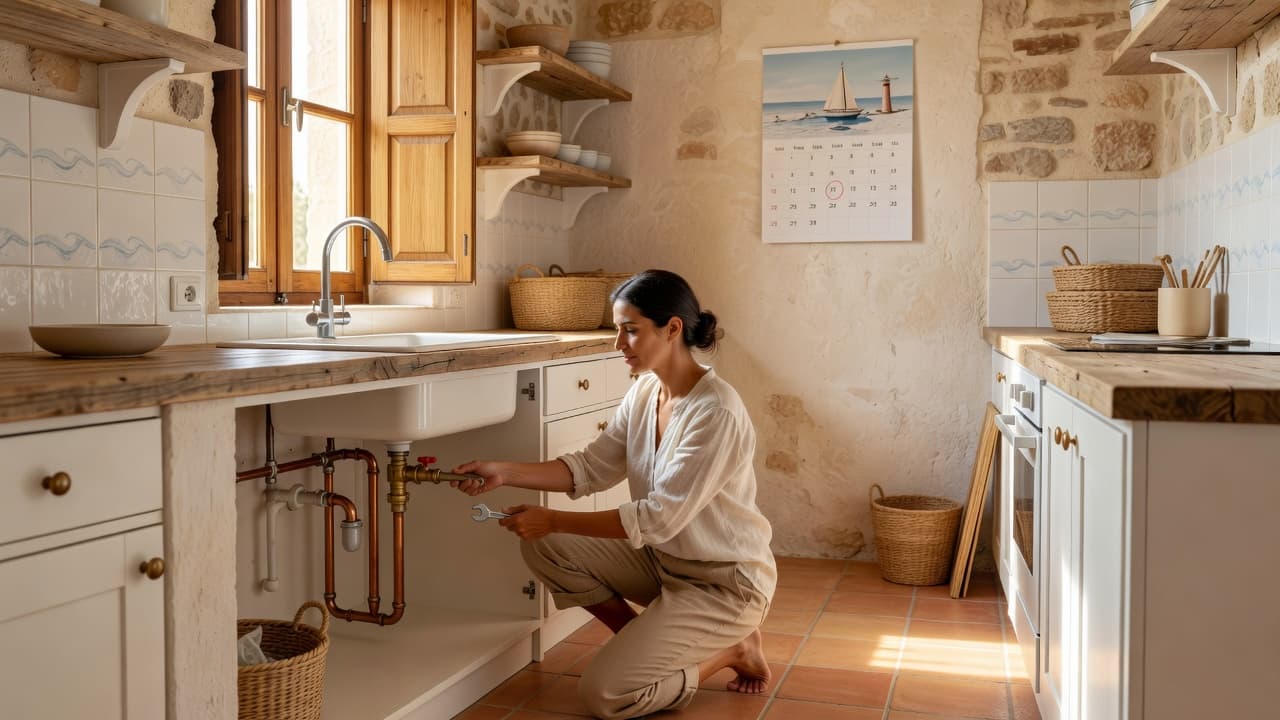
They'll then perform a visual inspection: checking the boiler pressure, looking for visible leaks, examining pipe connections, and listening to the pipes and radiators. Many noises are diagnosed by sound alone. If air is the culprit, they'll bleed the system or check for slow leaks that are letting air in. If the pressure is low, they'll refill it and check whether it holds (a slow pressure loss suggests a small leak somewhere in the system).
If the noise is internal—kettling, for example—they may perform a flush: running special fluid through the system to dislodge sludge and mineral deposits inside the boiler and pipes. This restores heating efficiency and stops the noise. A flush usually costs between €150 and €300 and takes 2–3 hours.
If a component is faulty (a valve, pump, or the heat exchanger), the engineer will identify it and give you a quote for repair or replacement. Most repairs fall between €200 and €600; heat exchanger replacement is more expensive (€500–€1,000), but it's rare for a boiler under 10–12 years old.
The engineer will hand you a service report detailing what was found, what was done, and whether any future work is recommended. Keep this for your records and for proof of maintenance if you need to make a warranty claim.
Maintain annual boiler servicing. One service per year (ideally before winter) prevents kettling, catches worn components early, and keeps your boiler efficient. It's the single best way to avoid noise and breakdowns.
Use a boiler filter or magnetic filter if sludge is the problem. A plumber can install a simple filter in the return pipe, which traps iron particles and sludge before they reach the boiler. This is especially useful in older systems or in areas with harder water.
Consider a water softener if you're in a hard-water area (much of the Mediterranean coast is). Softer water means less mineral buildup inside the boiler and longer component life.
Monitor your boiler pressure monthly. If it drops regularly, there's a slow leak somewhere. This needs finding and fixing, not repeated top-ups.
Bleed radiators annually, especially before winter, to keep air out of the system.
Insulate pipes in unheated spaces (attics, exposed walls) to reduce thermal shock and the stress it puts on components.
If your boiler is making strange noises, don't panic—but don't ignore it either. Most problems are simple and inexpensive to fix if caught early. A qualified plumber or gas engineer can diagnose the cause in a single visit and usually solve it the same day.
Find a plumber near you through MyCasa Spain and get a quote for a boiler service or repair. Our network of verified professionals speaks English, German, and Dutch, and understands the quirks of Mediterranean homes.