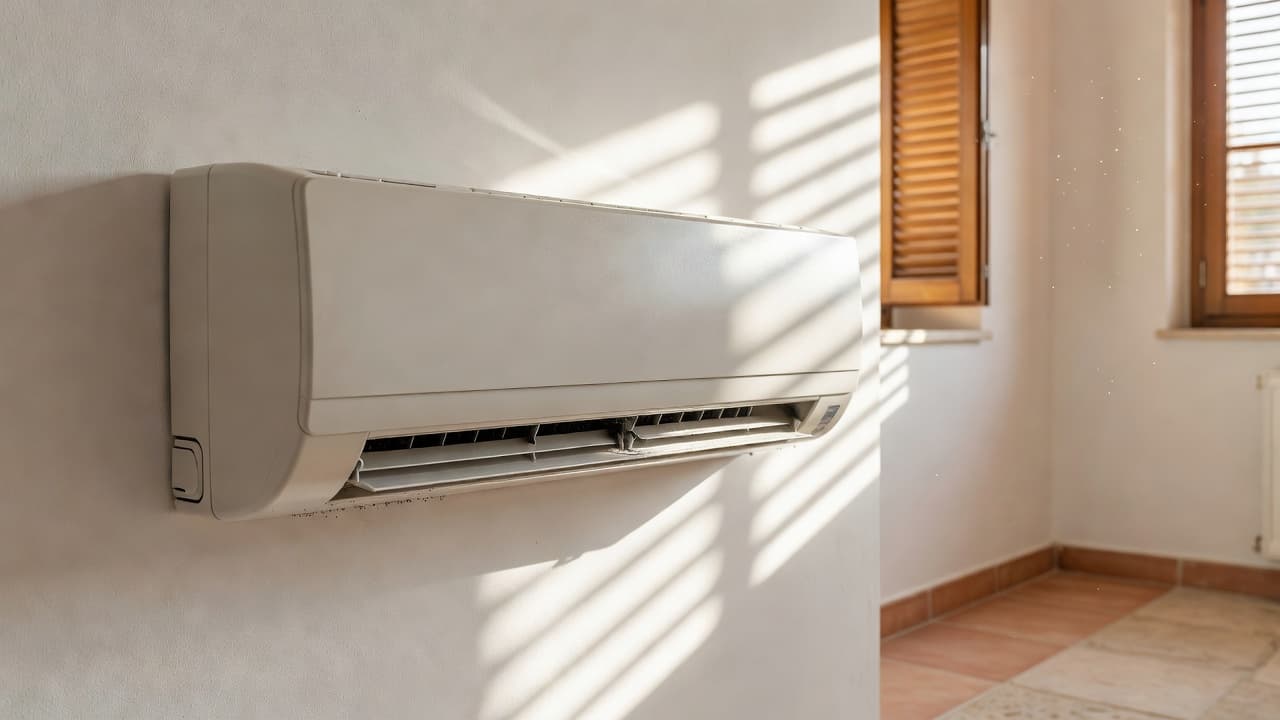
A clogged filter is the most straightforward cause. Air conditioning filters trap dust, salt particles (especially close to the Mediterranean coast), pollen, and general indoor air pollution. Over time they become saturated. When the filter can no longer hold more dust, particles get pushed through and settle around the vents and grille. This happens faster in coastal properties, urbanisations with heavy traffic nearby, or homes with smokers.
The second cause is microbial growth inside the indoor unit. Air conditioning systems create damp conditions—the evaporator coil gets very cold and condensation builds up. If that condensation drain isn't working properly, or if the unit isn't running frequently enough to dry out, mould, algae, or bacteria can start growing on the coil. This growth then gets circulated into your room when the AC runs. Black dust from microbial sources often smells musty or faintly unpleasant—trust your nose on this one.
A third, less common cause is a damaged or torn filter that's disintegrating. If you remove the filter and notice tears, holes, or sections that are crumbling, it's no longer doing its job.
Dust from a clogged filter:
- Light to medium grey or brownish colour
- Dry, powdery texture
- No smell, or a slight dusty smell
- Appears around the grille when the AC has been running in dusty conditions for weeks
- Clean filter solves the problem
Mould or microbial growth:
- Dark grey, black, or sometimes greenish-black appearance
- Slightly slimy or sticky to the touch
- Musty, stale, or faintly unpleasant smell
- Persists or worsens within days of cleaning the filter
- May appear on the filter itself as dark spots or patches, not just around the grille
- Appears more in humid months (summer on the coast, or if you're not running the AC regularly)
If you're seeing signs of mould, don't keep cleaning the filter and hoping it goes away. You'll need a professional deep clean of the evaporator coil and possibly the drainage system.
If it's just dust:
- Replace the filter with a new one every 3–4 weeks during summer, every 4–6 weeks in cooler months. This is the single best prevention.
- Wipe the grille weekly with a damp cloth.
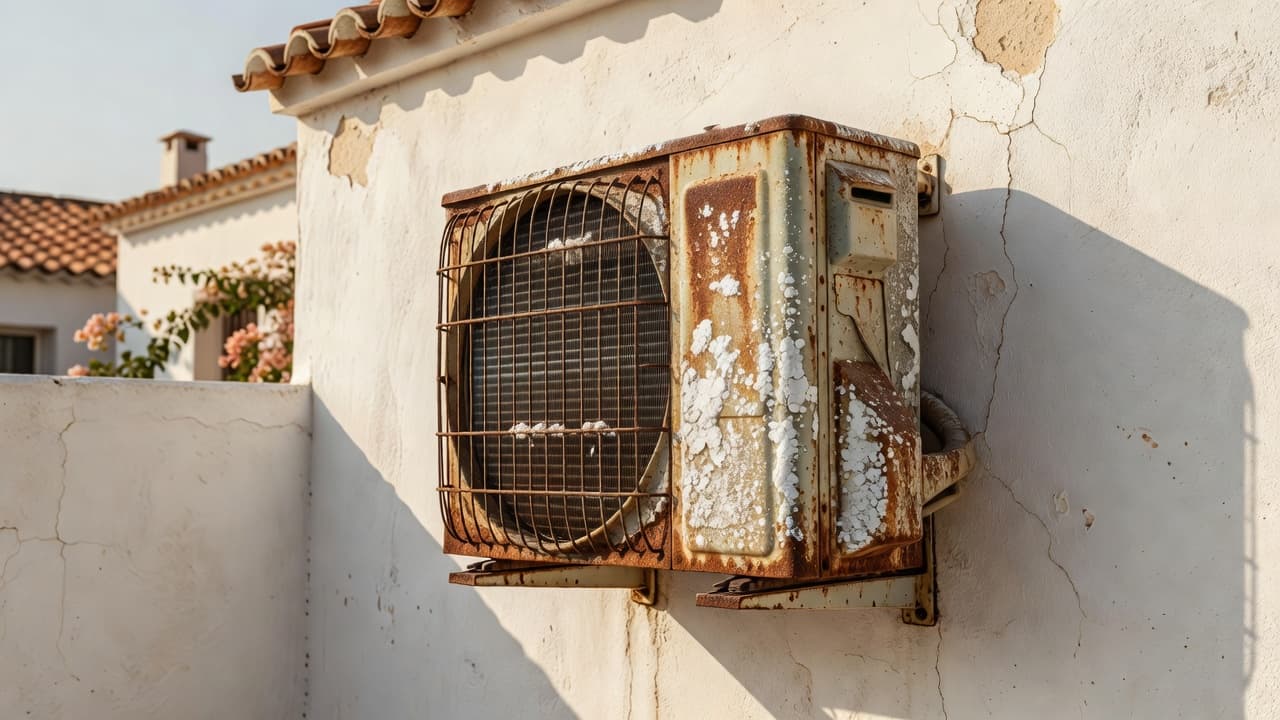
- Ensure your AC's drainage pipe (the small plastic tube running outside) is clear. A blocked drain can cause moisture to build up, which encourages mould. Check that water is actually dripping from the outdoor end when the AC is running in cooling mode.
If you suspect mould:
- Keep the AC on lower fan speeds rather than maximum, to reduce the spread of spores.
- Use the AC's dry mode (if it has one) for 30 minutes after cooling to evaporate condensation.
- Open windows to ventilate your home, even though it's hot. Fresh air and circulation help prevent mould from thriving.
- Do not attempt to spray the interior coil with any cleaner or chemical. This is dangerous and ineffective without proper equipment.
- If the black dust reappears within days of cleaning the filter, don't keep replacing filters. This signals a deeper problem (mould on the coil, a blockage in the drainage line, or a damaged filter seal). Call a professional.
- If the dust or residue smells strongly musty or foul, do not assume a new filter will fix it. You need an air conditioning specialist to inspect and clean the coil.
- If water is pooling inside the indoor unit or leaking into the room, turn off the AC and call for help today. This suggests the drainage line is blocked, which will worsen and may damage your ceiling.
- If the dust coincides with a burning smell, unusual noise, or the AC not cooling properly, there may be an electrical issue or mechanical damage. Switch off immediately and contact a technician.
- If you have respiratory conditions, asthma, or severe allergies and the black dust is persistent, don't wait to see if a filter change helps. Get a professional assessment sooner to rule out microbial contamination.
An air conditioning technician will first inspect the indoor filter and the grille. If it's visibly clogged, they'll advise on a replacement and may clean the surrounding areas.
Next, they'll test the drainage system by running the unit in cooling mode and checking that water flows freely from the external drainage pipe. A blocked drain is often the root cause of mould, so clearing it can prevent the problem from returning.
If they suspect mould or microbial growth on the evaporator coil (which they can't fully see without specialist tools), they'll perform a professional coil clean. This involves introducing a fine mist of a safe, approved antimicrobial solution into the unit while it runs, and then ensuring the system dries properly. This is not a DIY job—the chemicals used are not available to the public, and the process requires calibrated equipment.
If they find the filter seal is damaged or the unit has mechanical wear, they'll explain whether a repair or parts replacement is needed. Ask them to provide a receipt or a written summary of what was done—this is standard practice and helps if you need a repeat service.
The whole visit usually takes 45 minutes to 1.5 hours, depending on how much cleaning or adjustment is needed.
- Change or clean the filter every 2–4 weeks in summer, every 4–6 weeks in winter. Mark it on your calendar or set a reminder on your phone.
- Check the outdoor drainage pipe weekly during cooling season. Make sure water is dripping steadily and the outlet isn't blocked by leaves, debris, or insect nests.
- Run the AC's dry mode (if available) for 20–30 minutes after heavy cooling use. This helps evaporate condensation and prevents the coil from becoming a breeding ground for mould.
- Ensure good air circulation in the room. Don't block the AC grille with furniture or curtains. Open windows or use a separate fan occasionally, especially in humid weather.
- Have the unit professionally serviced once a year, ideally before the start of the cooling season. A technician will clean the coil, check the refrigerant level, and inspect electrical connections. On the Mediterranean coast, where salt air and humidity accelerate wear, annual servicing is worth the investment.
- If you leave your home empty for more than a month, turn the AC on for 15 minutes every few days (set to fan mode, no cooling). This keeps air moving and prevents stagnant conditions where mould thrives.
Black dust around your AC grille is usually a straightforward fix: clean or replace the filter and wipe the vents. But if it persists or smells musty, don't ignore it. An air conditioning specialist can diagnose and clean the internal coil in under two hours, and will set you up with maintenance tips to prevent the problem from returning. Get in touch if you'd like a local technician to assess your unit.