Interior bedroom doors jam or lock for a few common reasons.
Mechanical lock jam: The lock mechanism inside the handle has stuck, usually from wear, dust, or humidity (very common on Spain's Mediterranean coast, where salt air and moisture corrode hinges and locks over time). The bolt won't retract when you turn the handle.
Handle or latch broken: The interior mechanism has failed — often the small rod inside the handle that retracts the latch has snapped or come loose.
Door warped: Wooden doors absorb moisture and swell slightly, especially in coastal properties with damp air. The door rubs against the frame and sticks, particularly if it's an older property or the door has been painted over several times.
Key turned by the child: If there's a key lock on the inside (common in older Spanish homes), the child may have turned it without meaning to, or it's stuck in the lock.
Door swollen by humidity: After rain or in high humidity (summer months in coastal villas), wood doors can swell enough to jam tight against the frame.
None of these are emergencies from a safety perspective. A locked room is not dangerous to the child's health — there is plenty of air, and they are not in pain or at physical risk. The concern is emotional — preventing panic and reopening the door as quickly as possible.
If the door is jammed but not locked:
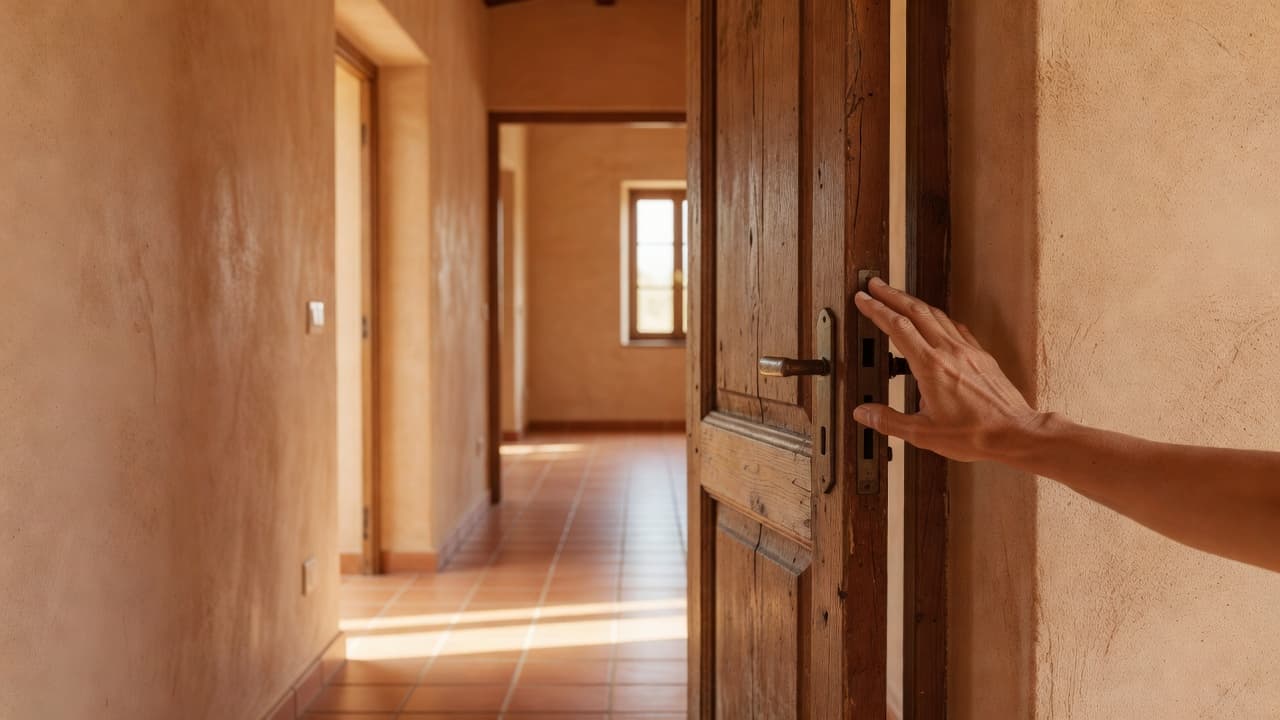
Apply gentle, steady pressure to the door. Do not throw your weight against it. Try turning the handle very slowly at the same time. Often a gentle nudge works better than force. If it budges slightly, pause, then try again.
Lubricate the lock mechanism:
If you have a dry lubricant spray (WD-40 or similar), spray it around the lock keyhole and the edge of the door where the bolt sits. Wait two minutes. Try the handle again gently. Do not use water or oil-based lubricants — they attract dirt and make it worse.
Reduce humidity around the door:
If the door has swollen from moisture, open all nearby windows to let air circulate. This may help slightly, but it won't solve the problem quickly enough. The locksmith is still your answer.
Comfort the child:
If the child is frightened, reassure them that help is coming. Keep conversation light and focused on activities they can do inside the room. "Can you draw me a picture?" "Tell me about your favourite game." This keeps them engaged and prevents panic.
Stop and call the locksmith immediately if:
- The door is locked with a key and you don't have the key. Do not attempt to pick the lock or dismantle the handle.
- The lock is embedded in an electronic or smart lock system. These require specialist knowledge and you risk further damage.
- The door frame is splintered or visibly damaged. Forcing it could collapse the frame.
- The child shows signs of extreme distress, difficulty breathing, or if they say they feel unwell. Call emergency services (112 in Spain) in addition to a locksmith.
- The lock appears corroded or the door has been stuck for hours. This suggests a serious mechanical failure, not a simple jam.
- You lack the physical strength to open the door safely. Straining to force it can lead to injury.
In all these cases, let the professional handle it. A locksmith has the right tools and experience to open the door without damage and without risk.
The locksmith will assess the door and lock from outside. They will ask you to confirm the child is unharmed and keep them calm. Most locksmiths can open a jammed interior bedroom door in one of three ways:
Non-destructive opening: If the lock is simply stuck or misaligned, the locksmith may use a lubricant, apply gentle manipulation, or use a specialised pick tool to retract the bolt. The door and lock remain intact. This usually takes 5–10 minutes.
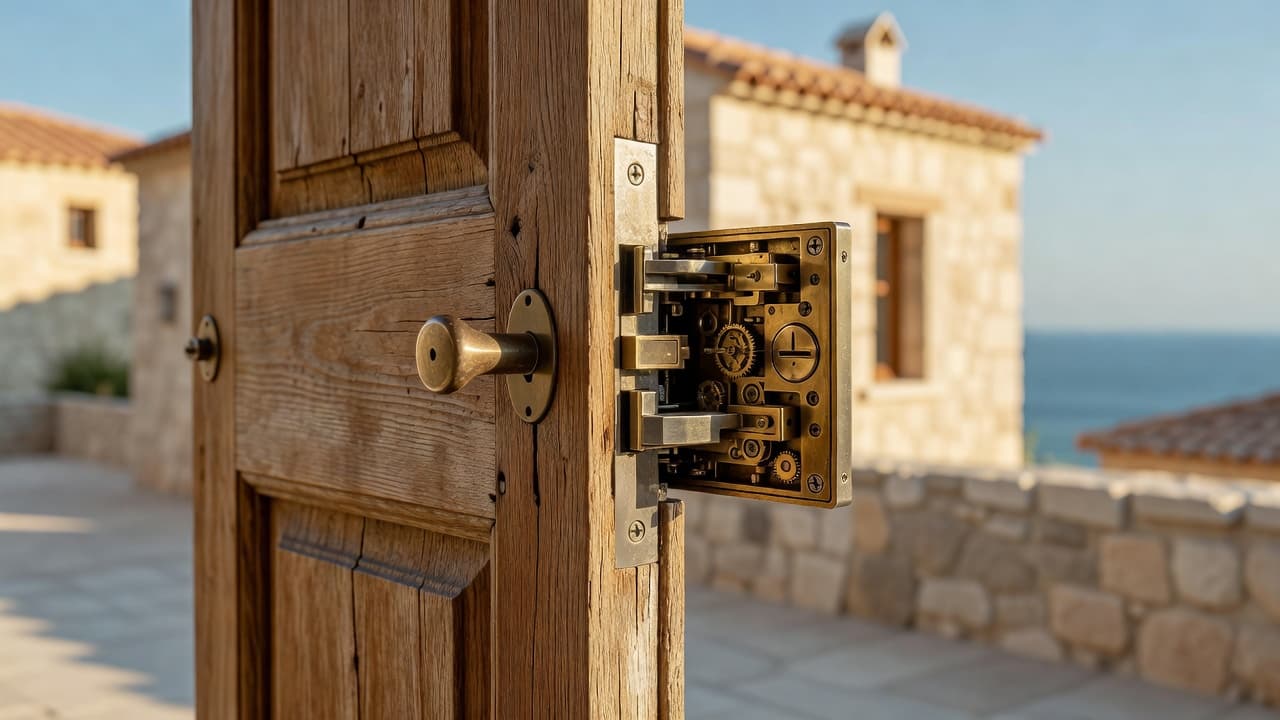
Handle removal and lock manipulation: If the lock mechanism is broken, the locksmith will carefully remove the door handle to access the bolt directly. They can then retract the bolt manually or with a tool. The door opens, and the handle can be reattached or replaced. This takes 10–20 minutes.
Lock removal: If the lock is severely corroded or damaged (common in older coastal properties), the locksmith will remove the lock entirely and open the door. They will then install a new lock of the same type or advise you on a replacement. This is less common and takes longer, but it's still non-destructive to the door itself.
Once the door is open, the locksmith will give you a brief explanation of what happened and what they did. If the lock was damaged and needed replacement, they will provide an invoice or quote for the new lock. Most locksmiths will also advise on whether the door needs attention (sanding, repainting, or adjustment) to prevent the problem recurring.
Have the lock serviced: If the door has stuck before or the lock feels stiff, ask a locksmith to inspect and lubricate it. A small preventive service costs far less than an emergency call and prevents repeated problems.
Keep the lock mechanism dry: In coastal homes, the salt air corrodes locks over time. Periodically spray a dry lubricant around the lock to displace moisture. Do this every six months in humid months (May to September).
Ensure the door hangs true: If the door sags slightly (visible as a gap at the top corner), it rubs against the frame and jams. This is a job for a handyman or carpenter — they will adjust the hinges to realign the door. Ignoring this problem usually leads to a stuck door.
Check the latch bolt: If the bolt doesn't retract fully when you turn the handle, the lock is failing. Have it inspected before it locks completely.
Fit a key lock guard: If a child is prone to locking doors, consider fitting a simple interior keyed lock that can be opened from outside with a universal key, or remove the key altogether. Many Spanish properties have childproofing solutions that allow opening from outside in an emergency.
Avoid painting over the lock: If you repaint the door, mask off the lock area. Paint entering the mechanism will cause sticking and corrosion over time.
A stuck or locked bedroom door with your child inside is frightening, but it is not an emergency. Stay calm, keep your child reassured, and call a locksmith. Within 30 minutes, the door will be open and the situation resolved. If you don't have a locksmith number saved, a professional locksmith on the Mediterranean coast can attend within the hour and handle the problem without damage to your home.