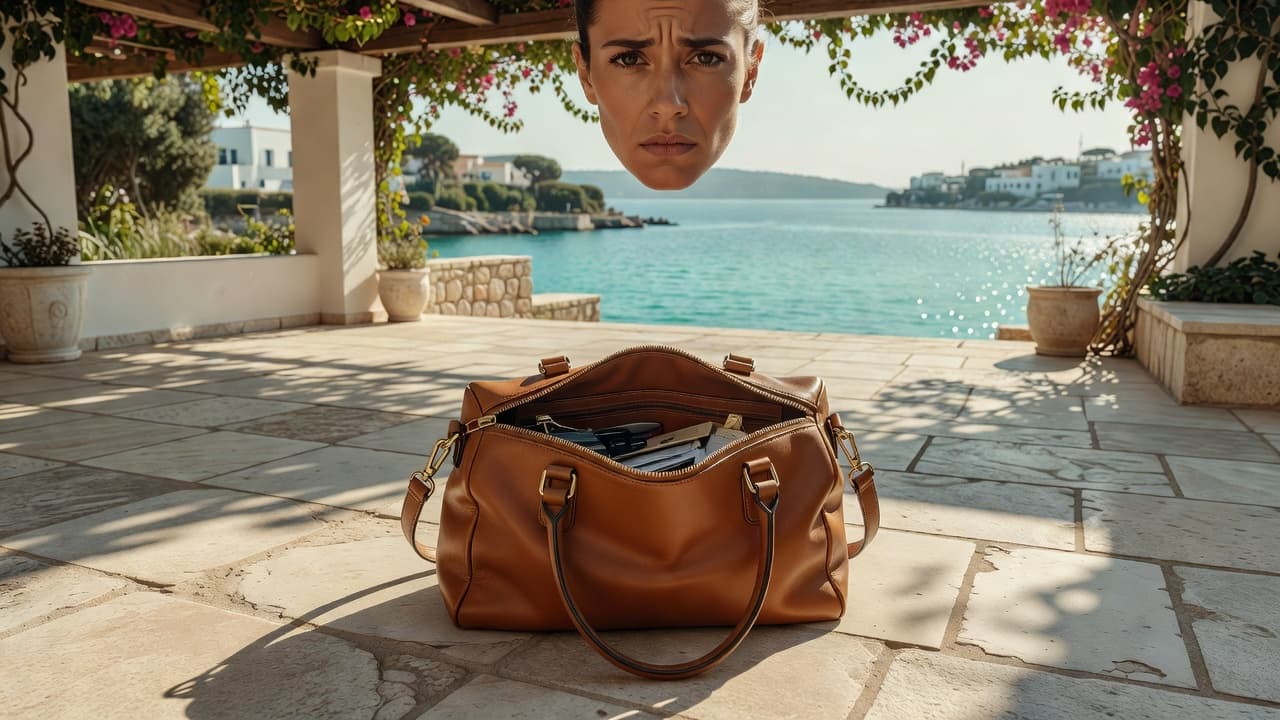
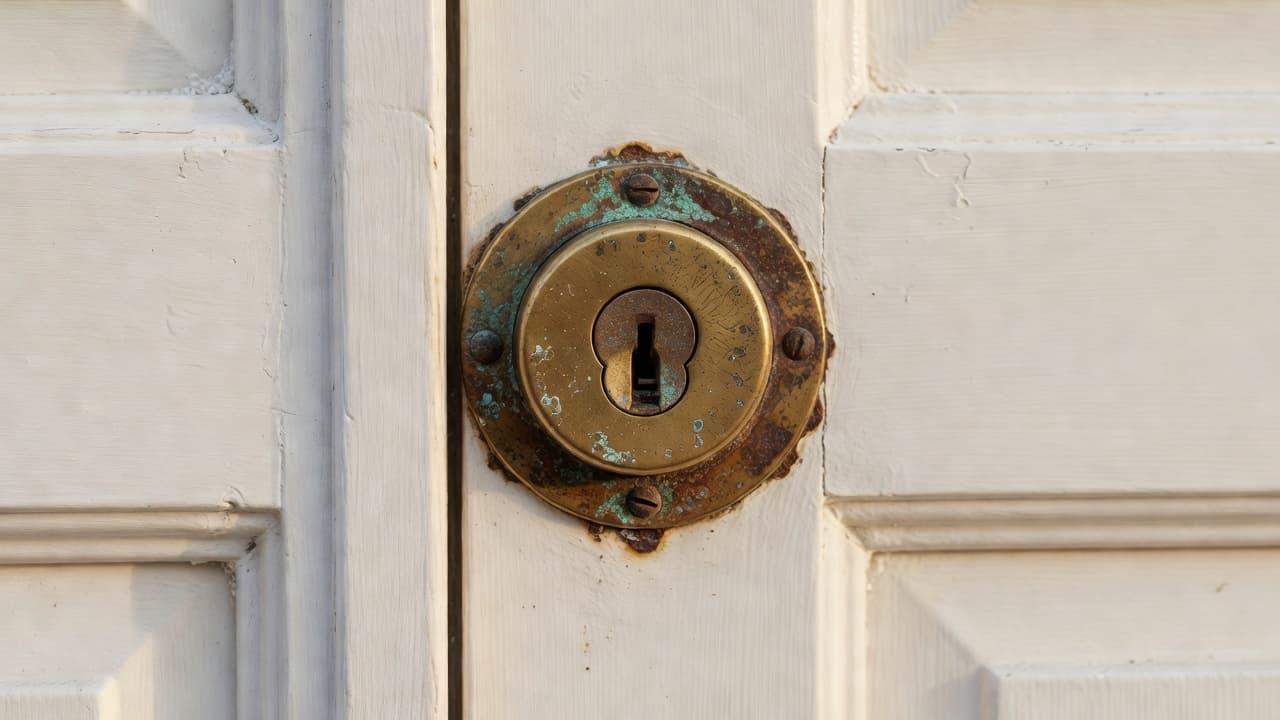
A thief with your house keys knows your address — it's on your driving licence, post in your bag, or visible on a property deed or rental contract. They can walk straight in at any time. The risk is highest in the first few hours after the theft, when they might act while they know you're still dealing with the loss.
This is why speed matters. A locksmith attending within 2–3 hours is far preferable to you waiting until tomorrow morning hoping nothing happens.
If the locksmith will take more than an hour to arrive and you're locked out of your home:
- Park somewhere well-lit and public if you're waiting outside your property. Don't sit alone in a dark driveway for hours.
- Stay in contact with the locksmith by phone. If they're running late, a quick call keeps you informed and shows you're genuinely the owner waiting for entry.
- Have your ID and proof of residence ready — a utility bill, tenancy agreement, property deed, or driving licence. The locksmith will ask for this before opening your door. This is a security measure that protects you both.
If you're inside your home already (perhaps someone let you in, or you have a second key), do not wait passively:
- Change or rekey your main door lock today. Don't defer this to tomorrow or next week. A thief with your keys could return.
- Check all other external doors and windows are locked: back doors, patio doors, garage doors, gate locks. Secure anything that could be forced.
- Note down which keys are missing. Did the bag contain keys to a car, office, garage, or holiday home elsewhere? Each of these will need addressing separately if access is sensitive.
Do not attempt to:
- Pick your own lock or use improvised tools to force entry. You could damage the lock mechanism and make the locksmith's job harder (and more expensive).
- Break a window or door to get back inside. This damages your property and creates an obvious security breach for further theft.
- Ignore the situation and hope the thief doesn't use the keys. They will, or they might sell them to someone who will.
Call a professional locksmith if:
- Your lock is a European cylinder lock (bombín europeo) — a common Spanish standard — and you don't know how to change it. Most foreigners don't, and that's fine.
- You've already changed or rekeyed the lock once and need it done again. The locksmith has the right tools and can do it correctly in one visit.
- You live in a flat in an urbanisation (urbanización) with a shared entrance lock. You'll want a professional to ensure no other residents' security is compromised.
The locksmith will ask for proof of residence — your ID, a utility bill in your name, or a tenancy agreement. This protects both of you; a professional locksmith will not open a door without confirming you live there. If you've rented the property, have a scanned copy of your rental contract ready.
Once they've verified your identity, they'll assess your locks. In most cases, they'll rekey your existing locks — this means changing the internal pins so your stolen keys no longer work, but the locks remain in place. Rekeying usually takes 20–45 minutes per lock and costs significantly less than replacing the entire lock.
If your locks are old, damaged, or you'd prefer new locks for peace of mind after the theft, the locksmith will quote for full replacement. They'll fit new locks to your main entry door as standard; other doors (back door, patio door, garage) can be done at the same time if you wish.
The locksmith will provide you with new keys (usually 2–3 copies) and should give you a receipt or invoice showing the work done, the locks fitted, and the date. Keep this for your records and for insurance purposes.
- Keep your house keys separate from your bag when you're out. Use a small keyring clipped inside a secure inner pocket, or carry them separately. This simple habit means if your bag is stolen, your home isn't immediately compromised.
- Don't write your address on your keyring. If you need a label, use only your name and a phone number. A thief with a house key and an address written on it knows exactly what to do.
- If you travel regularly between properties, keep keys for different homes on separate keyrings and never carry all of them together.
- Consider a keypad or digital lock on your main door if you change locks anyway. You won't need to carry physical keys to your holiday home, and you can change the code easily if another set is lost. Your locksmith can advise on reliable options suitable for Mediterranean salt-air conditions.
- Update your home insurance details. If you're claiming for the theft or any subsequent break-in, your insurer needs to know the keys were stolen. This can affect your claim, so be transparent about the timeline.
Your next step: contact a professional locksmith in your area. Use MyCasa Spain to find vetted locksmiths who speak English, German, or Dutch and can attend emergency calls. Be clear about your situation — stolen keys, urgent access needed — and confirm their arrival time before you hang up. You'll be secure again within hours.