Why this is happening: the three main causes
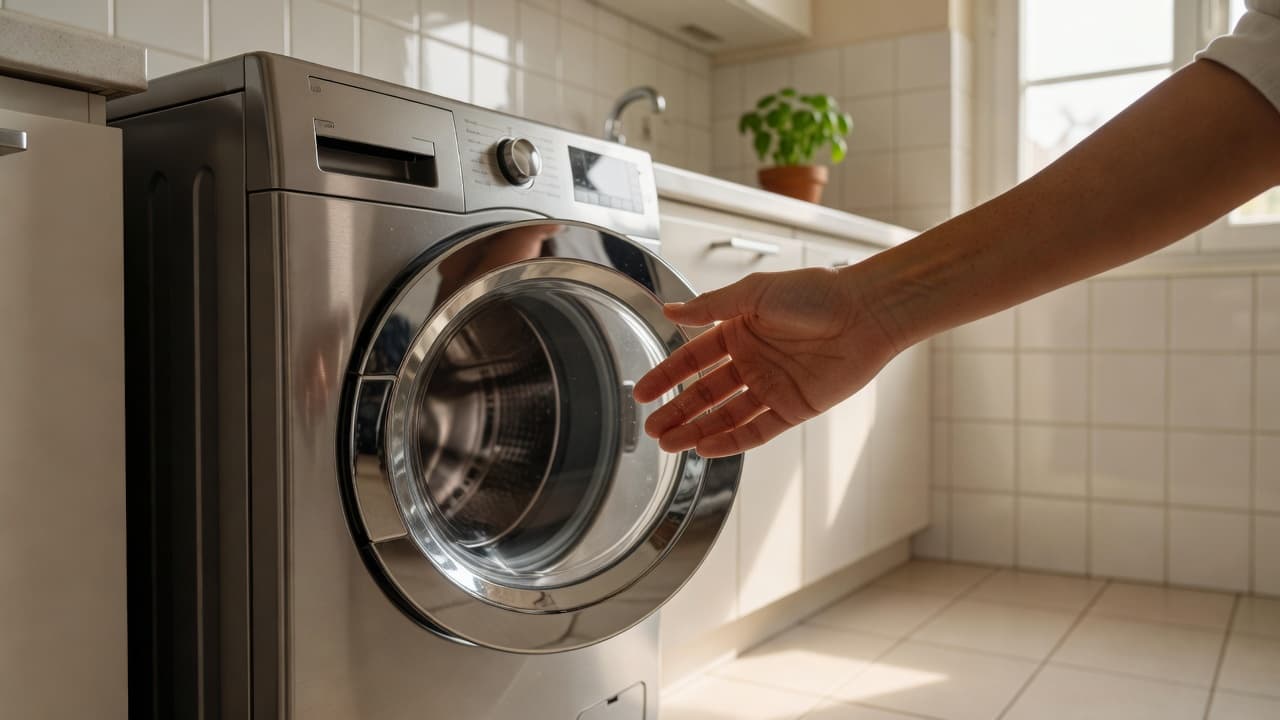
Every electrical appliance has an earthing wire (the green and yellow striped wire inside the plug). This wire carries stray electricity safely into the ground. If this wire is damaged, loose, or disconnected, stray electricity has nowhere to go — so it flows through your body instead when you touch the metal parts of the appliance.
In older Spanish homes, especially on the coast where humidity and salt air corrode wiring, earthing systems can deteriorate over time. The earthing connection in the wall socket might also be faulty or missing.
Inside the appliance, wires are covered with plastic or rubber insulation to keep electricity from escaping. If this insulation is cracked, worn, or exposed to heat and moisture, electricity can leak out. When you touch a metal part of the appliance, that leaked electricity passes through you.
Kitchens in Spain are particularly prone to this because of humidity. A water leak inside the appliance, or years of steam from cooking, can slowly damage the insulation.
Sometimes the problem isn't the appliance — it's your home's electrical installation. If the socket where you're plugging the appliance doesn't have a proper earthing connection, the appliance can't earth itself correctly, even if it's in perfect condition.
This is more common in older Spanish properties, holiday homes that haven't been updated, or apartments in older urbanisations. A qualified electrician can test your sockets with a simple meter.
There is no safe temporary fix for this problem. You cannot repair the earthing or insulation yourself without specialist training. Do not attempt to:
- Dry out the appliance with a hairdryer or fan.
- Wrap the plug or power cable in tape.
- Clean the pins of the plug.
- Use an extension cable or adaptor (this makes it worse).
- Leave it plugged in but unused, hoping the problem resolves.
The only thing you can do is keep it unplugged until the electrician arrives.
Stop immediately and call an electrician if:
- The shock is painful or makes you jump.
- You feel the shock on your chest or heart area.
- The shock happens every time you touch the appliance, not just occasionally.
- The appliance has been exposed to water (a leak, spill, or flooding).
- You smell burning, see scorch marks, or notice the plastic casing is discoloured or cracked.
- The shock is strong enough to prevent you from letting go of the appliance.
- The appliance is more than 15–20 years old and has never been serviced or checked.
- Your home's consumer unit (cuadro eléctrico) doesn't have an RCD fitted, or the RCD hasn't been tested recently.
- You see sparks when plugging or unplugging the appliance.
- The power cable is visibly damaged, cracked, or the outer sheath is worn away.
Any of these conditions means the fault is serious. Do not try to repair it yourself. Do not wait for a convenient time — call the electrician today.
A qualified electrician will follow a standard diagnostic process:
- Visual inspection. They'll check the power cable, the plug, and the visible parts of the appliance for damage, burn marks, or corrosion.
- Testing the earthing. Using a special meter, they'll test whether the earthing wire is connected properly and carrying current safely. They'll also test the socket to see if it has a proper earthing connection.
- Testing the appliance's insulation. They may use an insulation tester to check if the internal wiring of the appliance is intact.
- Testing your home's earthing system. If the fault is in your home's installation rather than the appliance, they'll check the main earthing connection (usually near your consumer unit) and test each socket in the circuit.
If the fault is in the appliance, it usually needs to be replaced — earthing and insulation faults can rarely be safely repaired. If the fault is in your home's electrical installation, the electrician will repair or upgrade the earthing system, which is essential for the safety of your whole home.
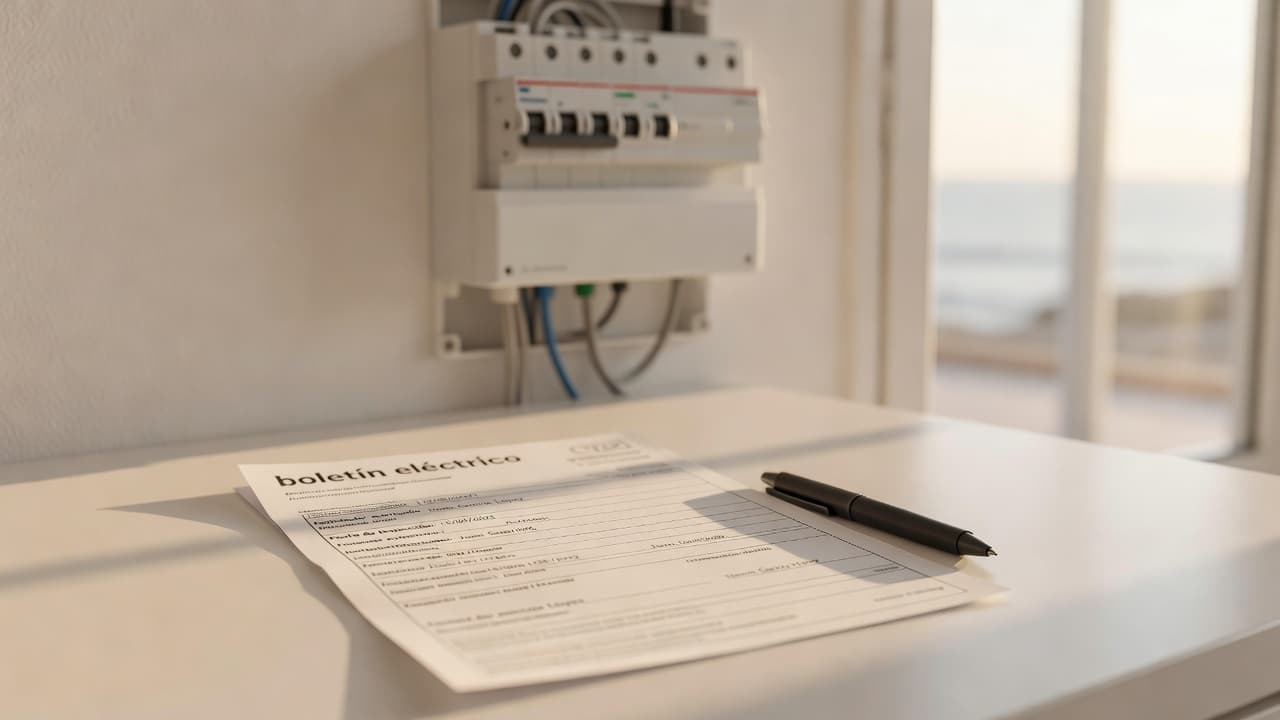
- If it's repaired, ask the electrician to provide a test certificate (sometimes called a "boletín" or portable appliance testing report) confirming it's safe.
- If it's replaced, buy a new appliance from a reputable retailer that comes with a guarantee.
- Avoid leaving appliances in damp areas (like under the kitchen sink or in unventilated laundry rooms) where humidity can damage the insulation over time.
- Have your electrician test all the sockets in your kitchen and bathrooms. These rooms are the most prone to earthing faults because of humidity.
- Ask if your home has an RCD (residual current device, also called a diferencial in Spain) installed on the circuits serving your kitchen and bathrooms. If not, one should be fitted.
- If your home is more than 25 years old and you're not sure when the electrical installation was last checked, ask the electrician to assess it. Older Spanish properties often have outdated earthing systems.
- Never ignore small shocks or tingling sensations. They're always a warning sign.
If your appliance has shocked you, the next step is straightforward: unplug it and call a qualified electrician. This isn't a problem that gets better on its own. A professional inspection takes an hour or two and costs far less than replacing an appliance or, worse, dealing with an electrical fire or injury.
Find a qualified electrician on the Mediterranean coast who can diagnose and repair electrical faults in your home.