Your air conditioning system works like this: the indoor unit sucks in warm air from your room, cools it using a refrigerant, and blows it back. To do this safely, it filters the incoming air to protect the internal coils.
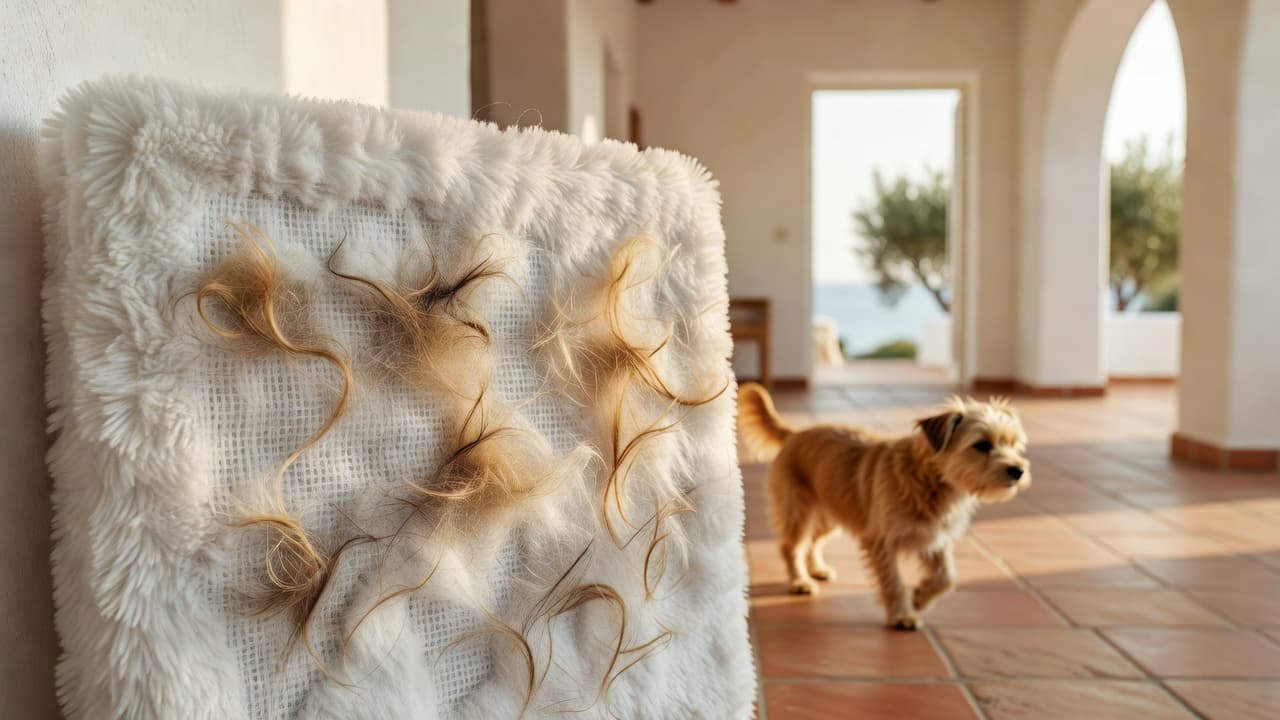
When you have pets, that filter catches not just dust—it traps hair, skin cells, and dander. A single dog or cat sheds enough hair each week to clog a standard filter in 2–4 weeks. Long-haired breeds (like golden retrievers or Persian cats) or multiple pets can clog it in 7–10 days.
A clogged filter does several harmful things:
The unit loses cooling power. Restricted airflow means less warm air reaches the cold coils, so less cool air comes back out. You'll notice the temperature drops more slowly or stops dropping altogether.
The unit works harder and uses more electricity. To push air through a blocked filter, the motor spins faster and the compressor (the expensive part that actually cools the refrigerant) runs longer. Over a summer, this can add 20–30% to your electricity bill.
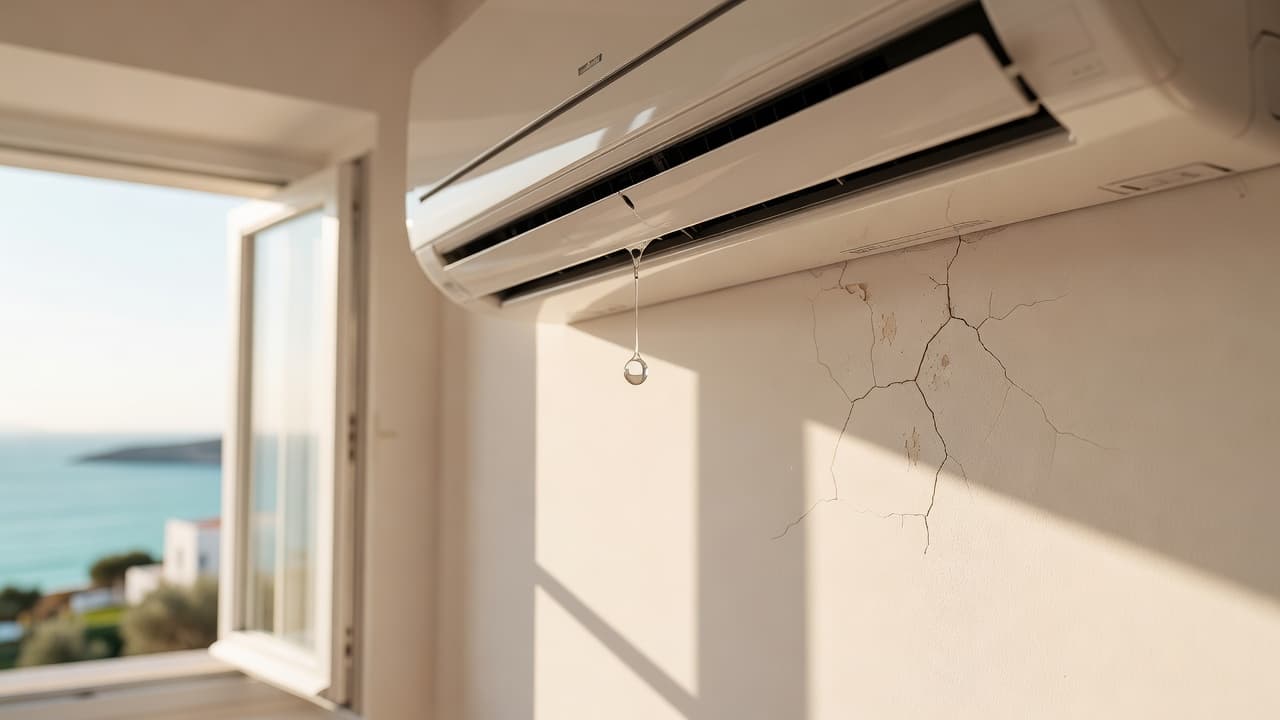
Ice builds up on the internal coils. When the unit struggles to move air, the coils get too cold and moisture freezes on them. This is dangerous because ice blocks airflow further, and when ice melts, it can damage the compressor or overflow the drainage pan, causing water leaks inside your home.
The compressor may fail. If a compressor runs continuously at high pressure because the filter is blocked, its lifespan shortens. A failed compressor repair costs €600–€1,500 and often means replacing the entire outdoor unit.
If your air conditioning has stopped cooling but hasn't visibly failed, these steps will buy you time:
- Clean the filter immediately (following the steps above).
- Close curtains and shutters on south-facing windows to reduce the heat load on the room. Even on the Mediterranean coast, a closed room stays cooler than an open one.
- Turn off unnecessary lights and electronics. They generate heat and force the air conditioning to work harder.
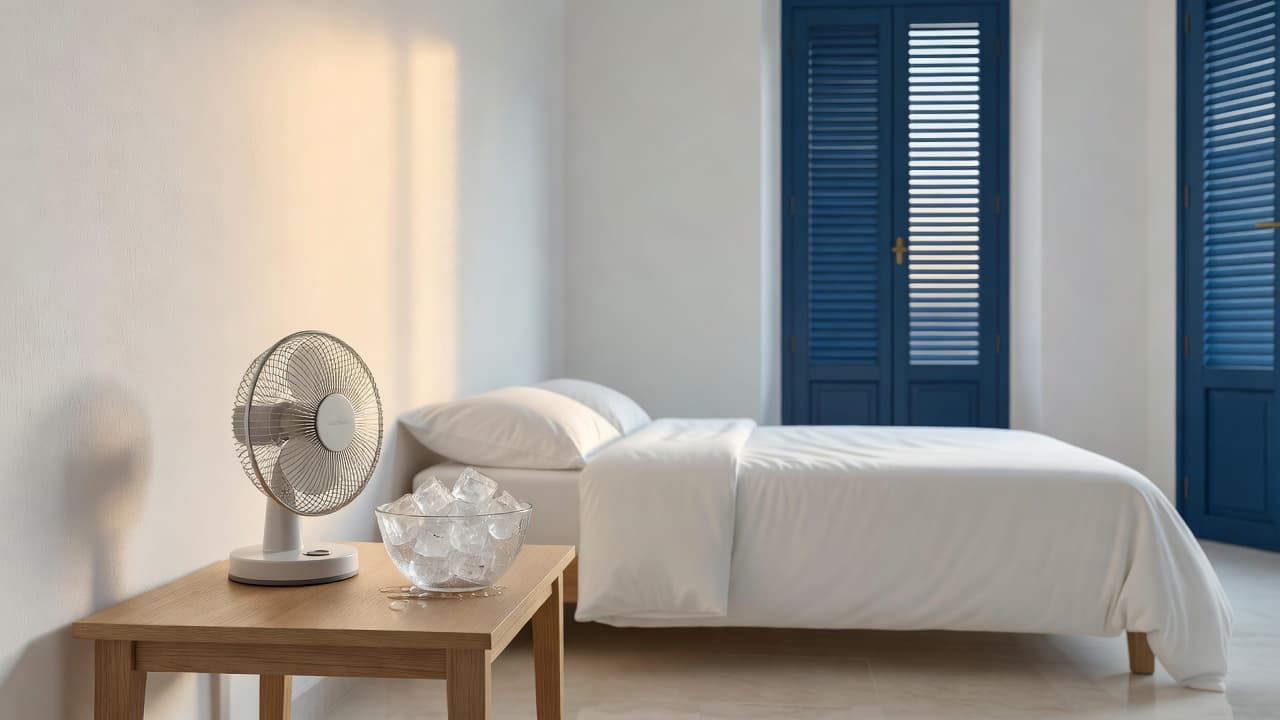
- If you have a portable fan, use it. It won't cool the room, but it will move air and make the room feel less stuffy while the air conditioning recovers.
- Bathe your pet in cool water (if the pet is overheating). Animals suffer in heat as much as humans, and a lukewarm bath will help.
- Open windows at night when the external temperature drops (usually after 22:00 on the coast). Close them again by mid-morning.
These are temporary comfort measures, not solutions. If the air conditioning still isn't cooling after you've cleaned the filter, or if you see ice on the outdoor unit, stop using it and call a technician immediately.
Stop and call a professional if:
- The unit is leaking water inside the home, even after you've cleaned the filter. The drainage pipe may be blocked deeper in the system, or the condensation pan may be damaged.
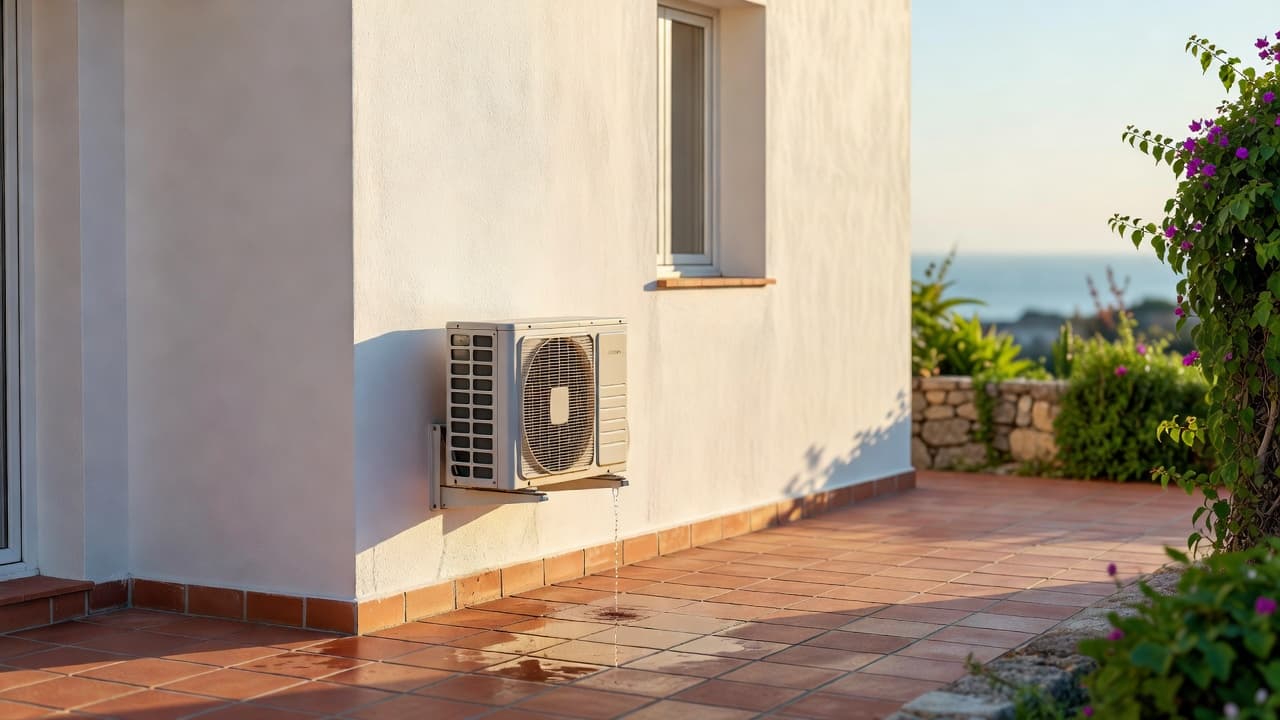
- You see ice on the outdoor unit (the big metal box outside). This means refrigerant levels are too low or the system has a deeper fault. Using it could permanently damage the compressor.
- The unit is making grinding, squealing, or rattling sounds. These indicate mechanical damage inside the sealed cooling unit. Opening it yourself risks refrigerant exposure and voids any warranty.
- The unit blows warm or room-temperature air even after filter cleaning. The fault is inside the sealed unit and requires a certified technician.
- You smell a chemical odour (sweet or pungent). This usually means refrigerant is leaking. Stop using the unit immediately and call a technician—refrigerant exposure is a health hazard.
- The unit tripped the electrics or caused a power surge. Turn it off at the consumer unit (the fuse box) and call a technician. Do not attempt to reset it yourself.
Air conditioning systems contain sealed refrigerant and high-pressure components. If you open the unit, you risk serious injury, environmental damage, and legal liability (in Spain, handling refrigerant without a licence is illegal).
When you call an air conditioning technician for a pet-hair-related fault, here's what they'll likely do:
First, they'll diagnose the problem. They'll ask when the issue started, whether you have pets, and whether you've been cleaning the filter. They'll check the indoor filter again (in case you missed something), inspect the indoor coils for ice or excess moisture, and then go outside to check the outdoor unit's condenser coils.
If the problem is filter and coil blockage, the technician will either clean the coils with a specialised vacuum and soft brush, or—if they're heavily matted—they'll rinse them with low-pressure water. This takes 30–60 minutes and costs roughly €80–€150. They'll also check the drainage pipe to make sure condensation can flow freely.
If ice has formed on the coils, the technician will defrost the system by running it in a special diagnostic mode, then inspect the refrigerant charge with a pressure gauge. If the refrigerant level is low (which it shouldn't be unless there's a leak), they'll need to find and seal the leak and refill the system. This costs €200–€400 and takes 1–2 hours.
If the compressor has been damaged, they'll likely recommend replacing the entire outdoor unit. This is the most expensive scenario (€1,200–€2,500) but is rare if you address blockages early.
Before they leave, the technician will give you a receipt (recibí) and, if any parts were replaced or refrigerant added, a certificate documenting the work. Keep this for your records—it's useful if you sell the property or need warranty support later.
Clean the filter every two weeks during the cooling season (May to September on the coast; longer if you use air conditioning year-round). If you have multiple pets or long-haired breeds, clean it weekly.
Vacuum or brush your pet regularly to reduce loose hair in your home. Even a 10-minute daily brush-out in a garden or balcony will catch hair before it reaches the air conditioning.
Keep pets away from the outdoor unit if possible. Hair and dander blown from a nearby pet can enter the condenser coils through the outdoor grille.
Replace the filter annually even if you clean it regularly. Filters wear out and lose efficiency after a year of use.
Have the unit serviced professionally once a year, ideally before the summer cooling season (April or early May). A technician will clean the internal coils, check refrigerant pressure, and inspect electrical connections. This costs €100–€180 and prevents most seasonal faults.
Consider upgrading to a higher-grade filter if pet hair is a persistent problem. Some air conditioning units accept aftermarket filters rated MERV 11 or higher, which trap finer particles. Ask your technician which filter your unit can safely use—thicker filters reduce airflow if the unit isn't designed for them.
Pet hair and air conditioning don't mix, but they can coexist peacefully if you commit to basic monthly maintenance. A clogged filter is the easiest and cheapest fault to prevent—a replacement costs €10–€25, whereas a compressor repair costs ten times more. If your unit has lost cooling power and you have pets, clean the filter today. If it still doesn't improve within an hour, contact an air conditioning technician to rule out ice formation or refrigerant loss. On Spain's Mediterranean coast, air conditioning is essential during summer; keeping yours reliable is a small investment in comfort.