An air conditioning unit is not designed to sit dormant for months. During a long shutdown, several things go wrong:
Refrigerant leaks. The seals in the copper pipes that carry refrigerant (the cooling liquid) harden and crack when the system is off, especially in the extreme heat of a Mediterranean summer. A small leak can escape completely over three months. Without refrigerant, the AC will run but won't cool anything.
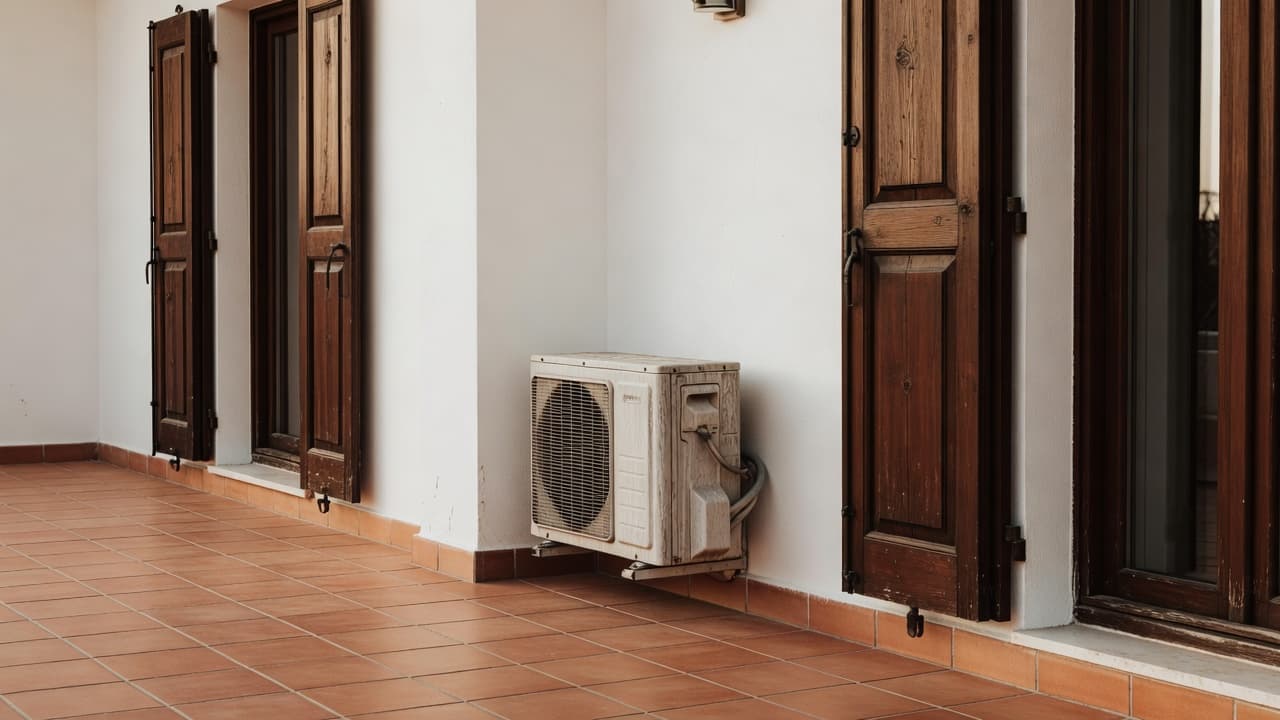
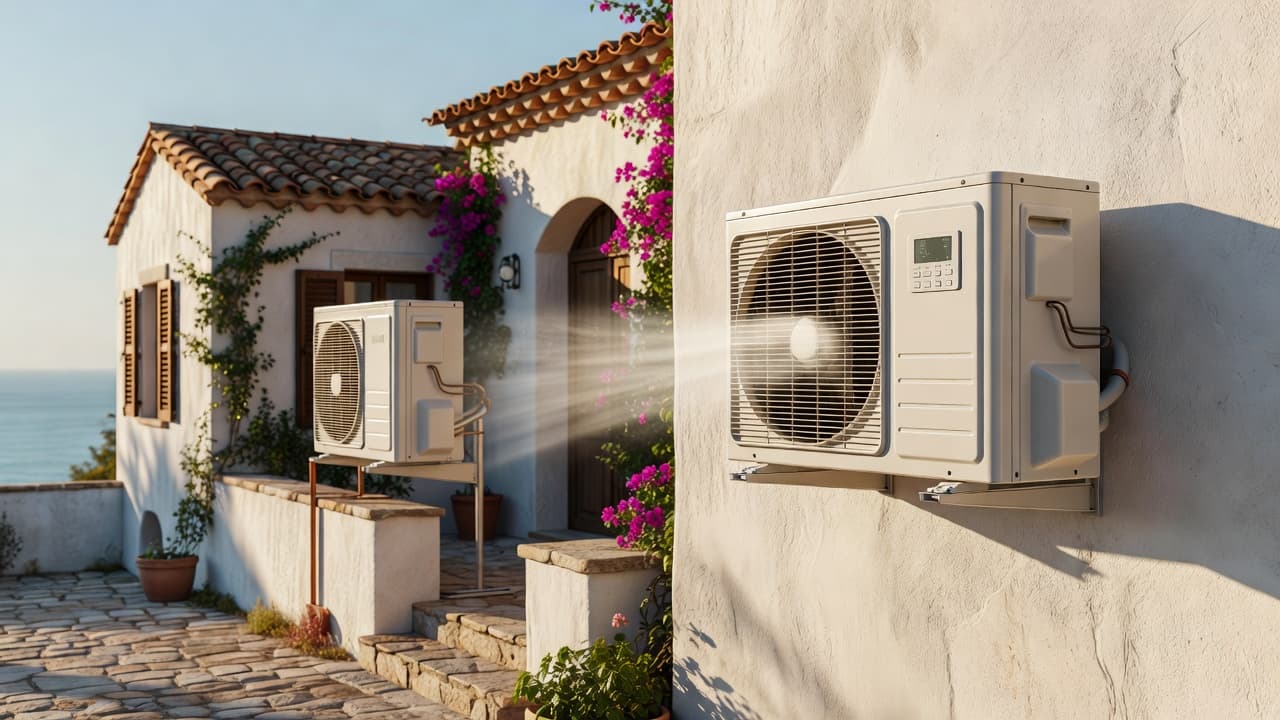
Dust and salt blockage. The outdoor unit's condenser coil (the part that looks like a car radiator) pulls in air constantly, even when off. Dust, dead insects, and salt spray from the coast accumulate on the fins. This blocks airflow, forcing the compressor to work harder and often failing to start at all. The indoor filter clogs too.
Stagnant compressor oil. The compressor (the heart of the AC) relies on oil circulating through it to stay lubricated. When the unit is off for months, this oil settles and thickens. The compressor can seize up, making a grinding noise when you first try to restart it.
Electrical corrosion. The outdoor unit's electrical terminals and capacitor (a component that helps start the compressor) corrode in salt air. A corroded capacitor often fails silently—the unit looks fine but won't start.
Stagnant refrigerant. When the system isn't running, condensation can form inside the pipes, mixing with the refrigerant and creating acids that corrode internal components. This rarely happens in a few months but is more common in humid, coastal properties left idle for six months or more.
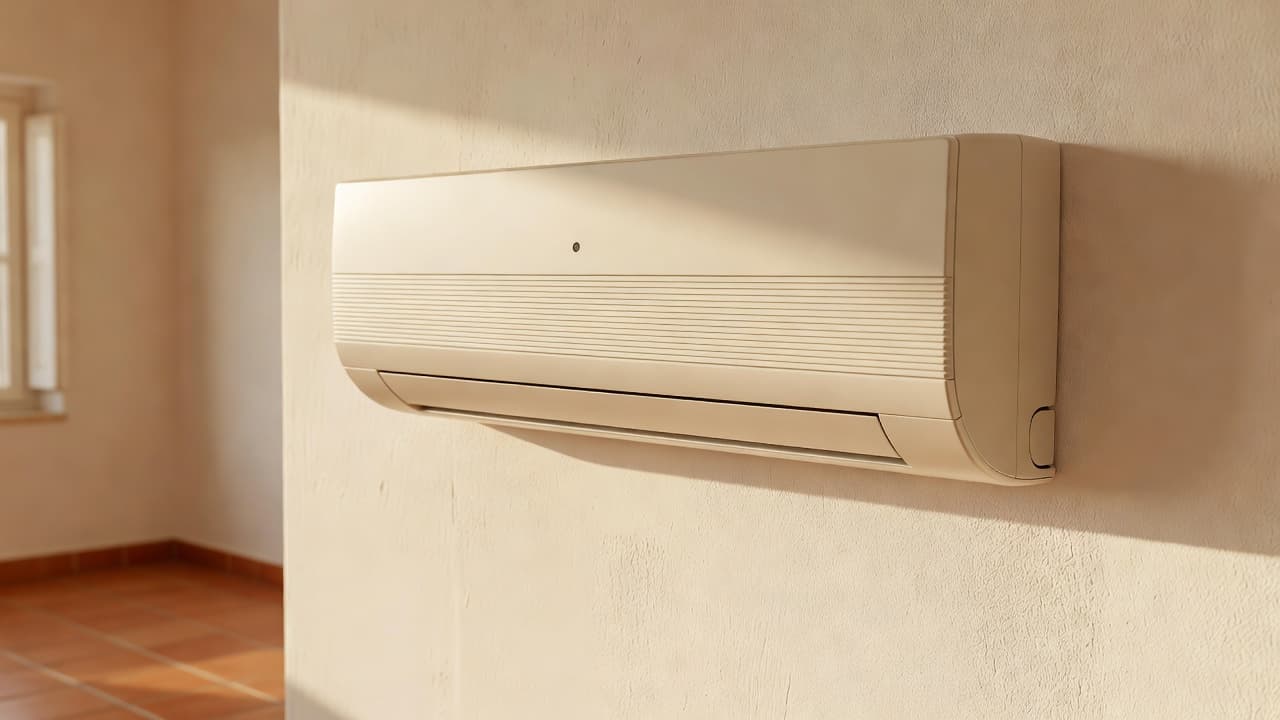
Clean or replace the filter. This is the only repair you should attempt yourself. The indoor unit (the wall-mounted or ceiling box in your bedroom or living room) has a removable filter, usually behind a plastic cover or panel. Pop it open and inspect the filter. If it's grey or brown with dust, it's clogged. Slide it out and either rinse it gently with cool water (if it's a washable mesh type) or replace it with a new one if it's a disposable paper filter. Pop it back in. This can restore airflow and improve cooling by 20–30 per cent if the filter was the only problem.
Clean the outdoor unit fins with a soft brush. If you're confident and the unit is at ground level, use a soft-bristled brush to gently remove dust and debris from the outdoor condenser coil (the metal fins on the back of the outdoor box). Do not use a pressure washer—water under pressure can bend the fins and make things worse. A normal hose on low spray is okay if the fins are very dirty. This won't fix a failed compressor, but it helps the unit breathe and can improve cooling by 10–15 per cent.
Check the thermostat batteries and settings. If you have a remote control or wall-mounted controller, check that batteries aren't dead (replace them if more than a year old). Make sure the mode is set to "cool" (not "heat", "dry", or "fan only"). The temperature setting should be lower than the current room temperature—if the room is 28°C, set the AC to 20°C.
Leave the AC running continuously for 24 hours. If it starts and blows cool air but seems weak, let it run all day and overnight without switching it off. Sometimes the system needs time to stabilise and clear internal condensation after a long shutdown.
If none of these steps work, or if the AC starts then shuts down after a few minutes, move to the next section.
Stop immediately and call a technician if:
- The outdoor unit makes a grinding, squealing, or rattling noise. This is likely a failed compressor or bearing.
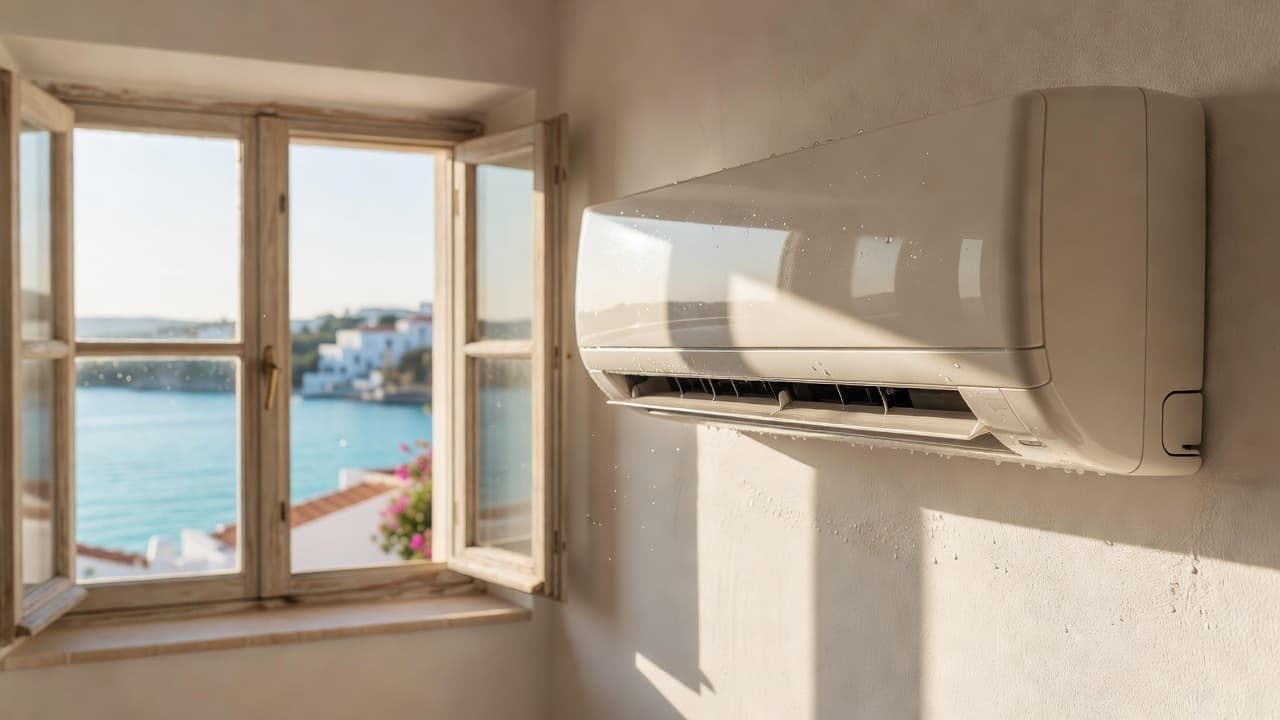
- You see water pooling under the indoor unit or dripping from the vents. The drainage system is blocked, which can damage the compressor and cause mould.
- The unit smells of burning plastic or chemicals when it runs. This is electrical burning or refrigerant leaking. Do not breathe deeply and turn it off now.
- The compressor (outdoor unit) won't start at all after two attempts, even after waiting an hour. A manual restart won't fix an electrical or mechanical fault.
- Ice forms on the outdoor copper pipes within the first 30 minutes of running. This indicates low refrigerant or a sensor failure. Frost on the coil in cold weather is normal, but visible ice on the pipes is not.
- You see visible corrosion, rust, or loose wiring on the outdoor unit. Salt spray has damaged the internal electrics and it's not safe.
- The circuit breaker or safety switch (ICP) trips when you turn the AC on. This is an electrical fault and a fire risk. Call immediately.
Do not attempt to:
- Open the outdoor unit or refill refrigerant yourself. Refrigerant is pressurised and can cause frostbite or chemical burns. It's also illegal in the EU without certification.
- Disassemble any part of the indoor or outdoor unit.
- Use any chemical cleaners inside the unit—only distilled water for coil rinsing if you're very careful, and only on the outdoor unit if you can see the coil clearly.
When you call an air conditioning technician, here's what to expect:
Diagnosis. They'll switch on the unit and listen. The sound tells them immediately if the compressor is functioning or seized. They'll check the outdoor and indoor units for leaks, frost, corrosion, and blockage. They'll measure the refrigerant pressure and temperature to see if gas has escaped. They'll test the thermostat and electrical connections.
Cleaning. If dust and corrosion are the culprits, they'll clean the outdoor condenser coil (deep clean, not just a brush), replace the indoor filter, and clear any blockages in the drainage line (the small pipe that runs from the indoor unit to the outside, carrying condensation water). A full clean usually costs €80–150 and takes 1–2 hours.
Refrigerant top-up. If the pressure is low but there are no visible leaks, they'll add refrigerant. This costs €150–250 depending on the unit size and the amount needed. They must document this work and hand you a receipt (important for warranty and insurance).
Component replacement. If the capacitor is dead, it's a quick €30–60 fix. If the compressor has failed, that's a bigger job: €500–1,200 depending on the unit size and brand. Some older units aren't worth repairing if the compressor fails; your technician will advise.
System test and handover. Once repairs are done, they'll run the AC for 20–30 minutes, check that the temperature drops and the airflow is strong, and ensure the circuit breaker doesn't trip. They'll show you how to use the thermostat and explain what to do to prevent the problem next time. Ask for a written receipt and a summary of what was fixed.
Before you close the house for the season:
Run the AC for 15 minutes every two weeks during the months you're not there. You can set a reminder on your phone. This keeps the compressor oil circulating and prevents seals from drying out. If you own the property but don't visit in summer, ask a trusted neighbour to do this, or hire a property manager for a monthly check.
Have the unit professionally serviced before the shutdown. A technician will clean the coils, replace the filter, check the refrigerant level, and inspect electrical connections. This costs €100–180 and takes about two hours. It's the best investment you can make.
Buy a breathable AC cover for the outdoor unit. Do not use a plastic tarpaulin—it traps moisture and accelerates rust. A proper AC cover (with ventilation holes) costs €20–40 and protects from salt spray, dust, and bird droppings. Leave it on during the closed season, remove it before you leave, and refit it when you arrive if the weather is particularly salty.
Keep the temperature setting reasonable when you leave. Set it to 25–26°C rather than 20°C if you leave the AC running while away. This reduces strain on the compressor and saves energy. The house won't freeze, and the compressor will have an easier time when you return.
Check the drainage line once a month. The small plastic pipe running from the indoor unit to the outside should have water dripping from it on humid days. If it's dry for weeks, the line may be blocked with algae or debris. A blocked line causes water to back up and damage the compressor. If you see water pooling inside, the line is definitely blocked—call a technician to clear it.
When your AC fails at the start of the season, it's a frustration—but it's also usually preventable and fixable. Start by trying the filter clean and the soft brush on the outdoor unit. If that doesn't work, call an air conditioning specialist in your area. The cost of a service now will save you from more expensive repairs later, and you'll have a reliable system for the rest of your stay.
Find a local air conditioning technician